What are Commercial & Industrial Architecture?
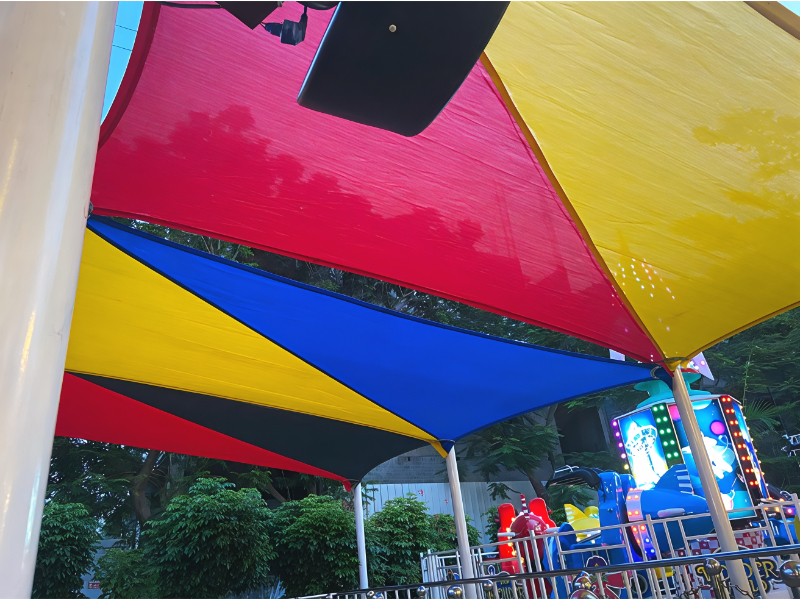
Commercial and industrial architecture refers to the design and construction of buildings and spaces specifically intended for commercial and industrial uses. This encompasses a wide range of structures, including office buildings, factories, warehouses, retail spaces, and distribution centers. The primary goal of this architectural discipline is to create functional, efficient, and aesthetically pleasing spaces that meet the specific needs of businesses.
These architectural designs are tailored for a variety of applications, facilitating operations in sectors like manufacturing, logistics, and retail. They often incorporate specialized features such as loading docks, high ceilings, and open floor plans to accommodate machinery, equipment, and inventory. In the context of market trends, the demand for commercial and industrial architecture is growing due to the expansion of e-commerce and the need for modernized facilities that support operational efficiency and sustainability.
Key Features and Specifications
Commercial and industrial architecture includes several key features and specifications that cater to the unique needs of businesses. Understanding these specifications is crucial for making informed decisions when selecting architectural solutions.
Key specifications include:
1. Structural Integrity
- Designed to withstand various loads and environmental conditions
- Compliance with local building codes and safety regulations
2. Energy Efficiency
- Incorporates sustainable materials and technologies
- Focus on reducing energy consumption and operational costs
3. Flexibility in Design
- Configurable spaces to adapt to changing business needs
- Options for modular construction and scalability
4. Accessibility Standards
- Complies with ADA (Americans with Disabilities Act) guidelines
- Ensures safe and easy access for all employees and clients
5. Safety Features
- Fire-resistant materials and designs
- Adequate emergency exits and safety systems
6. Environmental Impact
- Utilizes eco-friendly materials and construction practices
- Focus on minimizing the carbon footprint of the building
7. Technological Integration
- Smart building technologies for monitoring and management
- Infrastructure for high-speed internet and telecommunications
8. Aesthetics and Branding
- Architectural elements that reflect the company’s brand identity
- Use of modern designs to enhance visual appeal
In summary, the specifications of commercial and industrial architecture play a vital role in ensuring that buildings not only serve their functional purposes but also align with modern sustainability and aesthetic standards.
Common Applications and Use Cases
Commercial and industrial architecture serves a diverse range of industries, each with unique requirements and applications.
1. Manufacturing: Facilities designed for production processes, often including assembly lines, machinery, and storage areas.
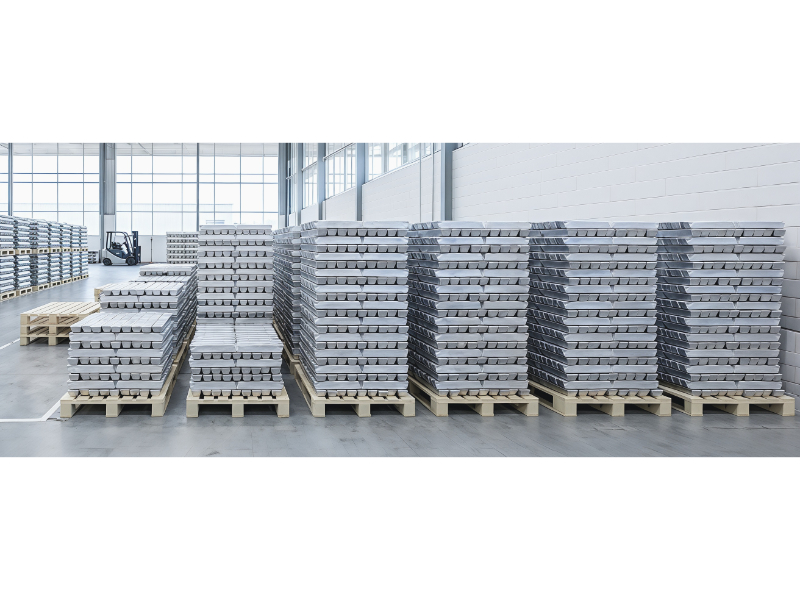
2. Warehousing and Distribution: Structures that facilitate the storage and movement of goods, featuring loading docks and large open spaces.
3. Retail: Stores and shopping centers designed to enhance customer experience through layout and design elements.
4. Office Spaces: Buildings that provide work environments for employees, emphasizing collaboration and productivity.
5. Healthcare: Facilities such as clinics and hospitals that require specialized designs for patient care and medical equipment.
6. Educational Institutions: Schools and universities that focus on functional learning environments.
7. Hospitality: Hotels and event spaces designed to accommodate guests and provide services efficiently.
Product Variants and Subcategories
Commercial and industrial architecture encompasses a variety of designs and concepts to meet the needs of different sectors. The diversity in this field allows businesses to select the most suitable architectural solutions.
Modular Buildings
These structures are pre-fabricated and can be quickly assembled on-site. They offer flexibility and are often used for temporary or expandable facilities.
Green Buildings
Designed with sustainability in mind, these buildings utilize eco-friendly materials and energy-efficient technologies to minimize environmental impact.
Industrial Parks
These developments consist of multiple industrial buildings, providing a comprehensive environment for manufacturing and logistics operations.
Custom Facilities
Tailored specifically for unique business needs, these facilities incorporate specialized designs and layouts according to the client's requirements.
Benefits and Advantages
Investing in commercial and industrial architecture provides numerous advantages for businesses looking to enhance their operations.
Key benefits include:
1. Increased Efficiency: Well-designed spaces improve workflow and productivity, minimizing operational delays.
2. Cost Savings: Energy-efficient designs reduce utility costs over time, leading to significant savings.
3. Brand Image: Aesthetically pleasing architecture enhances a company’s public image and can attract more customers.
4. Employee Satisfaction: Thoughtful design promotes a better working environment, contributing to employee morale and retention.
5. Regulatory Compliance: Adhering to building codes and safety standards reduces the risk of legal issues and liabilities.
6. Long-term Flexibility: Modular and adaptable designs allow for changes in business operations without extensive renovations.
Buying Guide for B2B Buyers
When sourcing commercial and industrial architecture, several factors must be considered to ensure the right decision is made.
1. Quality Assessment: Evaluate the quality of materials and construction practices. Look for certifications that validate the reliability of the architecture.
2. Supplier Verification: Conduct thorough research on suppliers. Check their reputation, previous projects, and client testimonials to ensure credibility.
3. Pricing and MOQ: Understand the pricing structure and minimum order quantities. This will aid in budgeting and financial planning.
4. Delivery and Lead Times: Consider the expected delivery times and logistics involved in the project. Timely completion is crucial for business operations.
5. Compliance Requirements: Be aware of local regulations and compliance requirements. Ensure that the architectural solutions meet all necessary standards.
Compliance and Certifications
Compliance and certifications are critical aspects of commercial and industrial architecture that ensure safety and quality.
Relevant quality standards, such as ISO 9001, ensure that architectural practices adhere to international quality management principles. These standards focus on meeting customer expectations and continuous improvement.
Industry certifications, like CE marking, signify that products meet European health, safety, and environmental protection standards. This certification is essential for establishing credibility in the marketplace.
Safety and testing requirements are fundamental to creating secure environments. Buildings must undergo rigorous testing to ensure they can withstand various environmental challenges.
Additionally, regional compliance considerations are crucial. Different regions may have specific regulations that buildings must adhere to, necessitating a comprehensive understanding of local building codes.
Why Source Commercial & Industrial Architecture from Pepagora?
Pepagora provides a trusted platform for sourcing commercial and industrial architecture, offering several key advantages that benefit B2B buyers.
Verified Supplier Network: Pepagora has established a comprehensive network of verified suppliers. This ensures that buyers can find reliable partners who meet industry standards and are vetted for quality.
Streamlined RFQ Process: The request for quotation (RFQ) process is designed to be user-friendly and efficient. Buyers can quickly receive multiple quotes from suppliers, allowing for informed decision-making.
Trade Assurance and Support: Pepagora offers trade assurance to protect buyers throughout the transaction process. This includes support for resolving disputes and ensuring that orders are fulfilled as promised.
Regional Coverage: With a strong presence in regions such as India, the GCC, and Southeast Asia, Pepagora helps businesses connect with suppliers in various markets, enhancing opportunities for growth and expansion.
Using Pepagora for sourcing commercial and industrial architecture simplifies the procurement process, ensuring businesses can find the best solutions to fit their needs.

 IN
IN