What are Architectural Conceptualization & 3D Rendering?
Architectural conceptualization and 3D rendering are integral processes in the architectural design industry. Architectural conceptualization involves the development of initial design ideas into visual formats that effectively communicate the vision of a project. This phase typically includes sketches, digital models, and diagrams that outline the essential aspects of a building or space. 3D rendering, on the other hand, takes these concepts and creates detailed, photorealistic images or animations that showcase the design in a lifelike manner. This technology allows architects and designers to visualize their projects more effectively before construction begins.
These processes are utilized across various business applications, including residential, commercial, and industrial projects. They serve as powerful tools for client presentations, marketing materials, and project approvals. By providing stakeholders with a clear visual representation of a project, businesses can enhance communication, reduce misunderstandings, and streamline the decision-making process. In today's competitive market, the relevance of architectural conceptualization and 3D rendering is evident, as they have become essential for attracting clients and securing contracts.
Key Features and Specifications
Architectural conceptualization and 3D rendering offer numerous features that enhance design efficiency and project presentation. Understanding these specifications can help businesses select the right services for their needs.
Key specifications include:
1. Visualization Techniques
- Renders can be created using various techniques such as photorealistic rendering, conceptual sketches, and animation.
- Techniques may vary based on client requirements and project complexity.
2. Software Compatibility
- Most rendering services are compatible with industry-standard software such as AutoCAD, Revit, and SketchUp.
- This ensures seamless integration into existing workflows for architects and designers.
3. Output Formats
- Renderings can be delivered in multiple formats, including JPEG, PNG, and interactive 3D models.
- Diverse formats allow for easy sharing and presentation across different platforms.
4. Level of Detail
- Renderings can vary from simple massing models to highly detailed visualizations that include textures, lighting, and landscaping.
- Higher detail levels provide a more accurate representation of the final project.
5. Animation Capabilities
- 3D rendering services often include animation options for walkthroughs and flythroughs.
- Animation helps clients experience the design in a dynamic way, enhancing engagement.
6. Customization Options
- Many rendering services offer customization to meet specific project needs and client preferences.
- Custom elements can include specific materials, colors, and landscaping features.
In summary, understanding these key features and specifications is crucial for selecting the right architectural conceptualization and 3D rendering services, ensuring they align with project goals and client expectations.
Common Applications and Use Cases
Architectural conceptualization and 3D rendering have diverse applications across several industries.
1. Real Estate: Real estate developers use 3D rendering to create realistic models of properties, aiding in marketing and sales efforts. This allows potential buyers to visualize the final product before construction.
2. Urban Planning: City planners utilize architectural visualization to present new developments and urban designs to community stakeholders. Engaging visuals help facilitate discussions and gather public feedback.
3. Interior Design: Interior designers rely on 3D rendering to showcase design concepts for residential and commercial spaces. Detailed renderings help clients understand spatial arrangements, materials, and aesthetics.
4. Construction: Construction companies use 3D models for project planning and coordination. Visualizations can clarify complex designs and help in identifying potential challenges before actual construction begins.
5. Hospitality: Hotels and resorts benefit from architectural rendering to create enticing visuals of their facilities. This aids in attracting guests and securing bookings through effective marketing materials.
6. Retail: Retailers can visualize store layouts and designs using 3D rendering. This helps in optimizing space and creating appealing shopping environments that enhance customer experience.
7. Educational Institutions: Schools and universities use architectural visualization for campus development projects, ensuring stakeholders can visualize new buildings and renovations.
Product Variants and Subcategories
The field of architectural conceptualization and 3D rendering is diverse, catering to a range of project requirements and client preferences.
3D Architectural Rendering
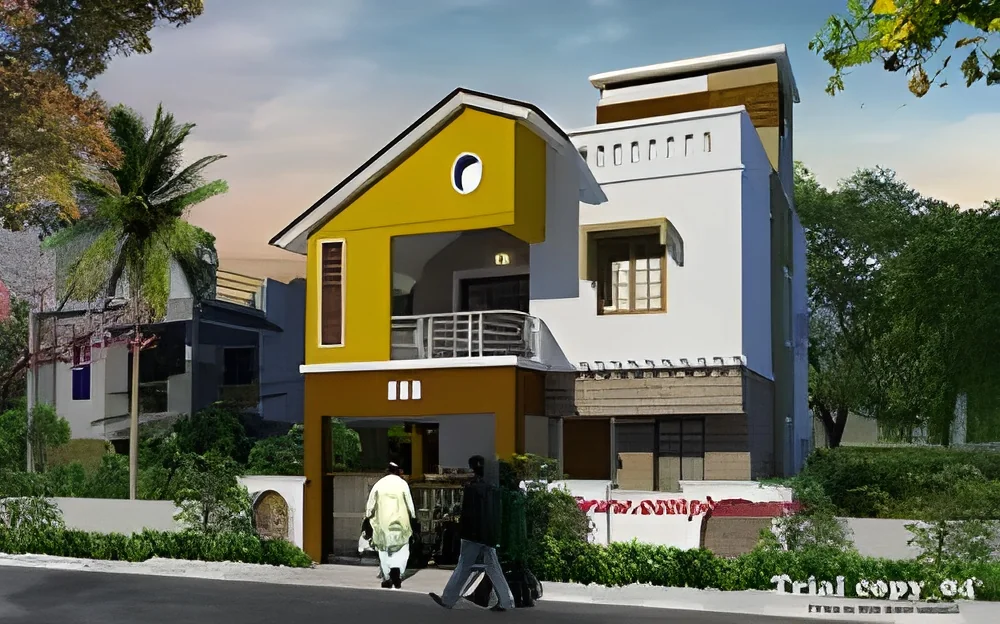
This variant focuses on creating detailed and photorealistic images of architectural designs. It is commonly used for marketing purposes, allowing clients to visualize the final product.
Virtual Reality (VR) Tours
VR tours provide an immersive experience, enabling clients to explore a space interactively. This cutting-edge technology is particularly useful for showcasing large developments and complex designs.
Architectural Animation
This variant includes animated walkthroughs and flythroughs of projects. It helps clients experience the flow and functionality of spaces, enhancing their understanding of the design.
Conceptual Sketching
This approach emphasizes artistic representations of ideas and concepts. It is often used in the early stages of design to convey vision before moving to detailed 3D renderings.
Benefits and Advantages
Architectural conceptualization and 3D rendering offer numerous benefits that can significantly impact project outcomes.
1. Enhanced Visualization: High-quality renderings provide clients with a realistic view of the project, improving understanding and expectations.
2. Improved Communication: Visual tools facilitate better communication among stakeholders, reducing the likelihood of misunderstandings during the design process.
3. Increased Efficiency: Utilizing 3D rendering streamlines the design and approval processes, saving time and resources for architects and clients alike.
4. Marketing Advantage: Stunning visualizations serve as powerful marketing tools, helping businesses attract clients and secure projects through compelling presentations.
5. Cost Savings: By identifying potential design issues early through visualizations, businesses can avoid costly changes during construction.
6. Client Engagement: Interactive and detailed renderings increase client engagement, fostering a collaborative environment that encourages feedback and input.
Buying Guide for B2B Buyers
When purchasing architectural conceptualization and 3D rendering services, several factors should be considered to ensure the right fit for business needs.
1. Quality Assessment: Seek providers who showcase a portfolio of high-quality renderings that reflect their capability. Look for client testimonials and case studies to assess previous work.
2. Supplier Verification: It is essential to verify the credibility of suppliers. Check for industry certifications, client reviews, and their experience in delivering similar projects.
3. Pricing and MOQ: Understand the pricing structure and any minimum order quantities that may apply. This helps in budgeting and evaluating cost-effectiveness.
4. Delivery and Lead Times: Inquire about typical delivery times for projects. Timely delivery is crucial, especially for time-sensitive projects or marketing campaigns.
5. Compliance Requirements: Ensure that the supplier adheres to relevant industry standards and regulations. This can include quality assurance processes and software compliance.
Compliance and Certifications
Architectural conceptualization and 3D rendering services must adhere to various compliance and certification standards to ensure quality and safety.
Quality standards such as ISO 9001 ensure that organizations maintain effective quality management systems. This standard is crucial for companies involved in design and rendering, as it helps maintain consistency in service delivery.
Additionally, industry certifications like CE demonstrate compliance with European safety and health requirements. This is particularly relevant for businesses operating within or exporting to the European market.
Safety and testing requirements also play a significant role, especially when architectural designs involve structural integrity and safety features. Compliance with local and regional regulations is essential to ensure that designs meet specific building codes and safety standards.
Regional considerations may vary, emphasizing the importance of understanding the compliance landscape in different markets, such as the GCC and Southeast Asia.
Why Source Architectural Conceptualization & 3D Rendering from Pepagora?
Pepagora offers a trusted platform for sourcing architectural conceptualization and 3D rendering services, bringing several key advantages to B2B buyers.
Verified Supplier Network: Pepagora has established a robust network of verified suppliers, ensuring that businesses can find reputable and skilled service providers. This verification process minimizes risks associated with sourcing.
Streamlined RFQ Process: The platform simplifies the request for quotation (RFQ) process, enabling buyers to efficiently compare proposals from multiple suppliers. This feature saves time and enhances decision-making.
Trade Assurance and Support: Pepagora provides trade assurance to buyers, offering protection and support throughout the procurement process. This ensures a smoother experience and peace of mind.
Regional Coverage: With a wide geographic reach across India, the GCC, and Southeast Asia, Pepagora connects businesses with local suppliers, facilitating collaboration and access to diverse market offerings.

 IN
IN