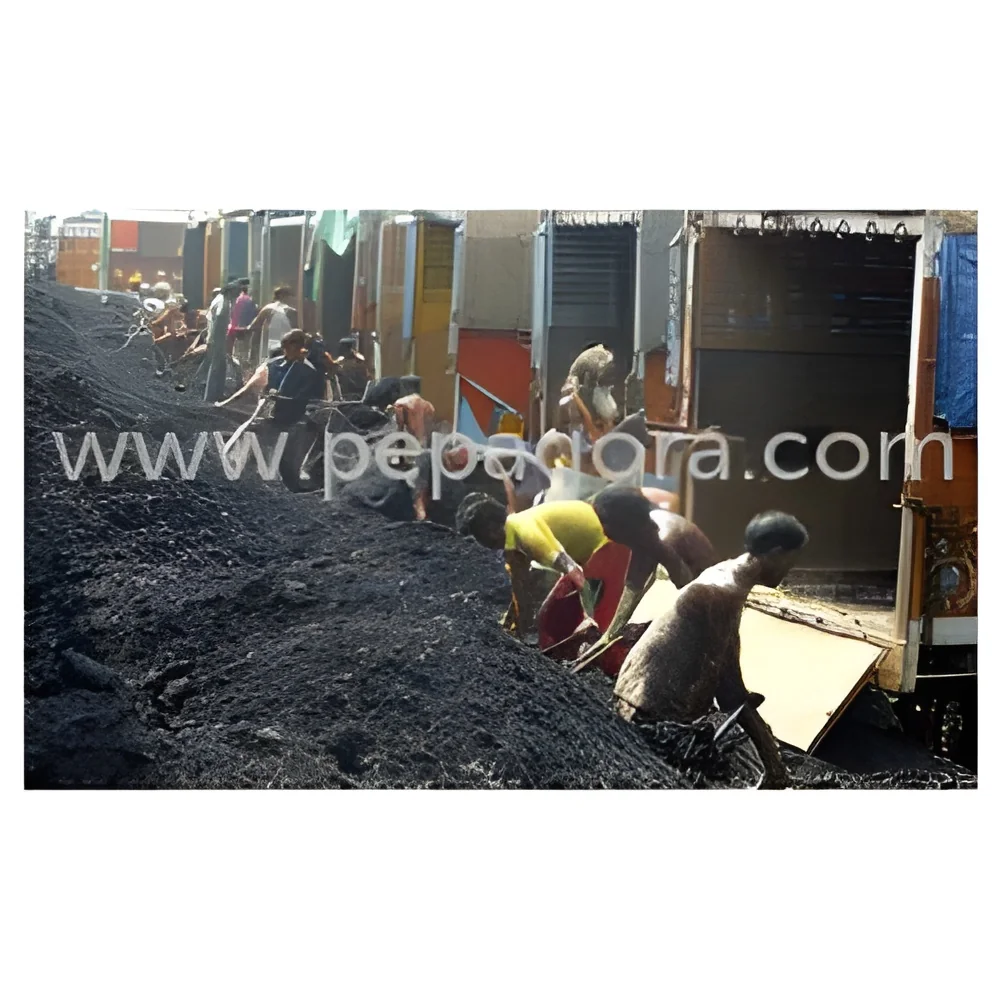
What are Site Supervision & Quality Control?
Site supervision and quality control are integral aspects of project management within construction and industrial operations. Site supervision involves overseeing the construction process, ensuring that work is performed according to design specifications, safety regulations, and project timelines. Quality control, on the other hand, focuses on maintaining standards in materials and workmanship to achieve the desired level of quality in the final product. Together, these practices help mitigate risks, enhance efficiency, and ensure compliance with industry standards.
The primary applications of site supervision and quality control can be found across various sectors, including construction, manufacturing, and infrastructure development. These processes are essential in maintaining project integrity while minimizing rework and delays. Businesses leverage these practices to ensure that their projects meet regulatory requirements and client expectations, which ultimately fosters trust and long-term relationships with stakeholders. In a competitive market, effective site supervision and quality control can differentiate companies, driving better project outcomes and increased customer satisfaction.
The relevance of site supervision and quality control has grown in recent years, driven by stringent regulations and the demand for higher quality standards. Industries are increasingly focused on sustainability and efficiency, making these functions more critical than ever. As global markets expand, the emphasis on compliance with international standards, such as ISO certifications, has intensified, ensuring that businesses remain competitive and compliant.
Key Features and Specifications
Site supervision and quality control services come with a range of features designed to ensure project success. These features are critical for maintaining high standards throughout the construction or manufacturing process.
Key specifications include:
1. Compliance Monitoring
- Ensures adherence to local and international regulations
- Regular updates on regulatory changes
2. Quality Assurance Protocols
- Standardized procedures for quality checks
- Documentation of quality assessments
3. On-Site Inspections
- Scheduled and unscheduled visits to project sites
- Detailed reports on findings and corrective actions
4. Risk Assessment
- Identification of potential risks during the project lifecycle
- Strategies for mitigating identified risks
5. Performance Metrics
- Key performance indicators (KPIs) for evaluating project success
- Regular progress reports based on metrics
6. Training and Support
- Programs for staff training on quality standards
- Ongoing support for compliance and quality issues
7. Technology Integration
- Use of software and tools for monitoring and reporting
- Real-time data collection and analysis capabilities
In summary, the specifications of site supervision and quality control services ensure a structured approach to managing quality and compliance across projects, ultimately leading to better outcomes and reduced risks.
Common Applications and Use Cases
Site supervision and quality control play vital roles in various industries, ensuring that projects are completed to the highest standards.
1. Construction: In the construction industry, site supervision ensures that building projects adhere to architectural designs and safety regulations. Quality control measures help monitor materials and workmanship, reducing the risk of structural failures.
2. Manufacturing: Quality control in manufacturing is essential for maintaining product consistency and compliance with industry standards. Site supervision aids in optimizing production processes and ensuring equipment operates efficiently.
3. Oil and Gas: The oil and gas sector relies on stringent quality control practices to meet safety and environmental regulations. Site supervision helps manage complex operations and ensures that projects are executed safely and efficiently.
4. Pharmaceutical: In the pharmaceutical industry, site supervision and quality control are critical for maintaining compliance with health regulations. This ensures that products meet quality standards throughout their development and production.
5. Infrastructure Development: Large infrastructure projects require robust site supervision to oversee various contractors and ensure adherence to timelines. Quality control is essential for maintaining safety and functionality in public works.
6. Transportation: In transportation projects, site supervision ensures that construction meets specified standards, while quality control measures help maintain safety and efficiency in operations.
7. Environmental Management: Quality control is vital in environmental projects to ensure compliance with ecological standards. Site supervision helps coordinate efforts across various teams to achieve project goals.
Product Variants and Subcategories
Site supervision and quality control services offer diverse solutions tailored to meet specific industry needs.
Standard Site Supervision Services
These services provide general oversight of construction projects, ensuring that all activities comply with established guidelines. They include regular inspections and reporting on progress and quality.
Specialized Quality Control Services
Tailored for industries like pharmaceuticals and food production, these services focus on maintaining stringent quality standards. They involve detailed inspections and adherence to regulatory requirements.
Integrated Management Solutions
These services combine site supervision and quality control, offering a comprehensive approach to project management. They leverage technology for real-time monitoring and reporting.
Consultation and Training Services
These services provide expert guidance on best practices in site supervision and quality control. They include training programs aimed at improving staff understanding of quality standards.
Benefits and Advantages
The advantages of implementing site supervision and quality control are substantial for any business.
Key benefits include:
1. Enhanced Project Quality: Improved oversight leads to higher construction standards, reducing defects and rework.
2. Risk Mitigation: Early identification of potential issues helps minimize risks, ensuring smoother project execution.
3. Regulatory Compliance: Adherence to local and international standards prevents legal issues and promotes safety.
4. Cost Efficiency: Efficient quality control processes reduce waste and save costs associated with delays and rework.
5. Increased Customer Satisfaction: Delivering projects that meet or exceed expectations fosters trust and long-term relationships with clients.
6. Competitive Advantage: Companies that prioritize quality and compliance are more likely to stand out in the market.
Buying Guide for B2B Buyers
When sourcing site supervision and quality control services, it is crucial to evaluate several factors to ensure the best choice for your business.
1. Quality Assessment: Look for providers with a proven track record of maintaining high-quality standards. Review their methodology for quality checks and compliance monitoring.
2. Supplier Verification: Vet suppliers thoroughly to ensure they have the necessary expertise and credentials. This may include checking references and reviewing past project outcomes.
3. Pricing and MOQ: Understand the pricing structure and minimum order quantities to align with your budget and project scale. Consider the value provided relative to the cost.
4. Delivery and Lead Times: Assess the logistics for service delivery. Ensure that the provider can meet your project timelines and has contingency plans for potential delays.
5. Compliance Requirements: Verify that the supplier complies with relevant regulations and standards specific to your industry. This will help avoid future complications.
Compliance and Certifications
Compliance and certifications are critical for ensuring that site supervision and quality control services meet industry standards.
Relevant quality standards, such as ISO 9001, ensure that businesses maintain a focus on quality management processes. These standards provide a framework for continuous improvement and customer satisfaction.
Industry certifications, such as CE marking, indicate compliance with European safety and environmental regulations. These certifications are essential for businesses operating within Europe or exporting products to that market.
Safety and testing requirements are also paramount. Ensuring that all materials and processes meet safety standards protects workers and the environment.
Regional compliance considerations vary by location. Businesses must be aware of local regulations that may impact their operations and ensure that they are fully compliant to avoid penalties.
Why Source Site Supervision & Quality Control from Pepagora?
Pepagora offers a trusted platform for sourcing site supervision and quality control services, providing several key advantages to buyers.
Verified Supplier Network: Pepagora has established a rigorous vetting process for its suppliers, ensuring that buyers can trust the quality and reliability of the services offered. This network includes industry leaders known for their expertise and commitment to excellence.
Streamlined RFQ Process: The request for quotation (RFQ) process on Pepagora is designed to be efficient and user-friendly. Buyers can quickly obtain quotes from multiple suppliers, facilitating informed decision-making without unnecessary delays.
Trade Assurance and Support: Pepagora provides trade assurance to protect buyers during transactions. This includes support for resolving potential disputes and ensuring that quality standards are met throughout the sourcing process.
Regional Coverage: With a geographic reach that spans India, the Gulf Cooperation Council (GCC) nations, and Southeast Asia, Pepagora connects buyers with suppliers across key markets. This extensive coverage allows businesses to access local expertise and resources efficiently.

 IN
IN