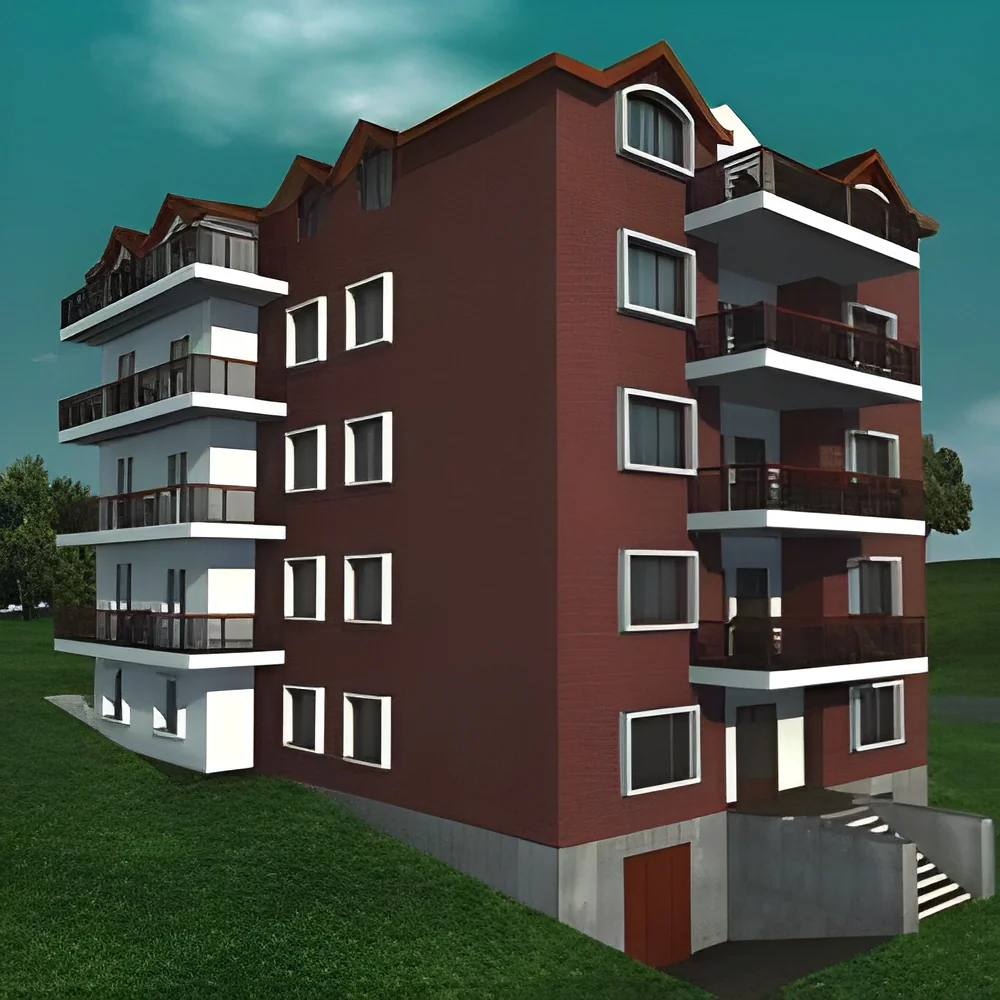
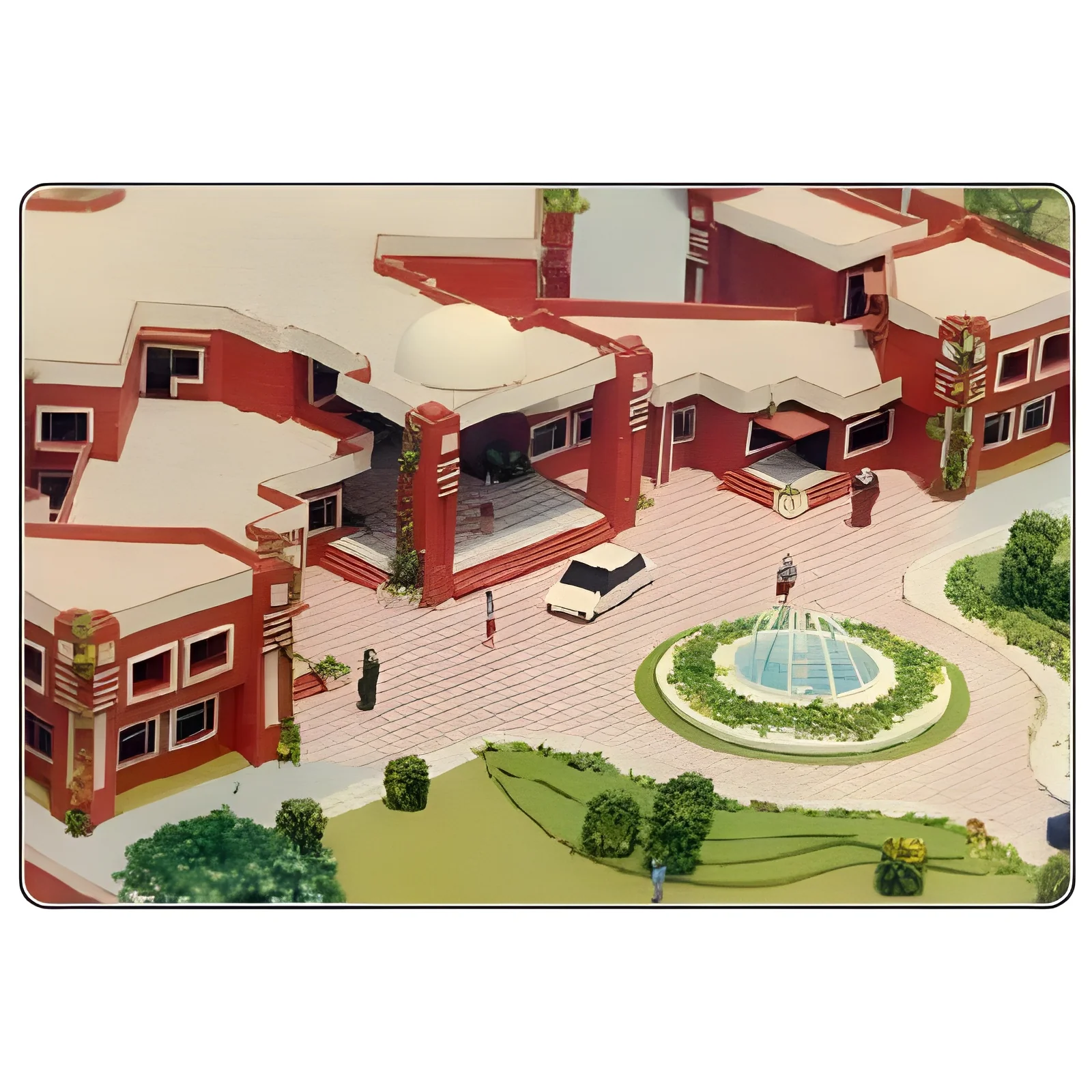
What are Design-Build Contract Services?
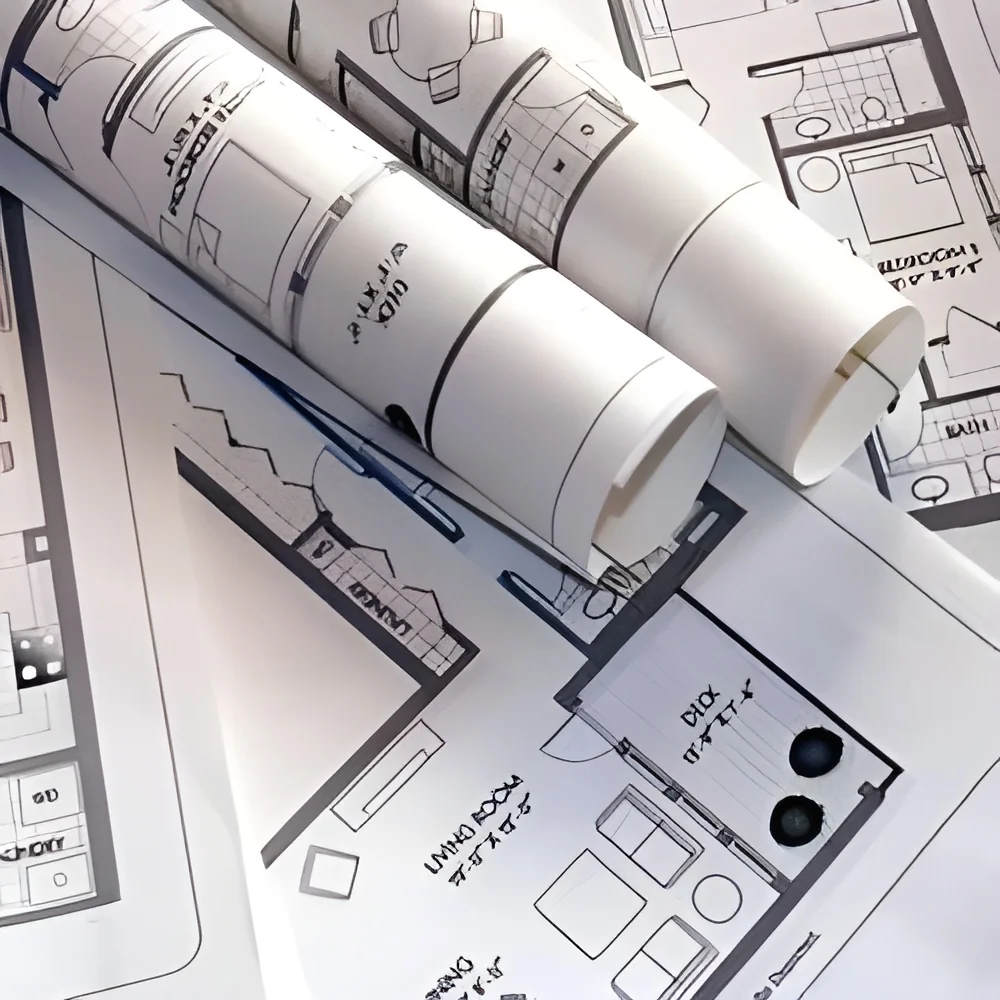
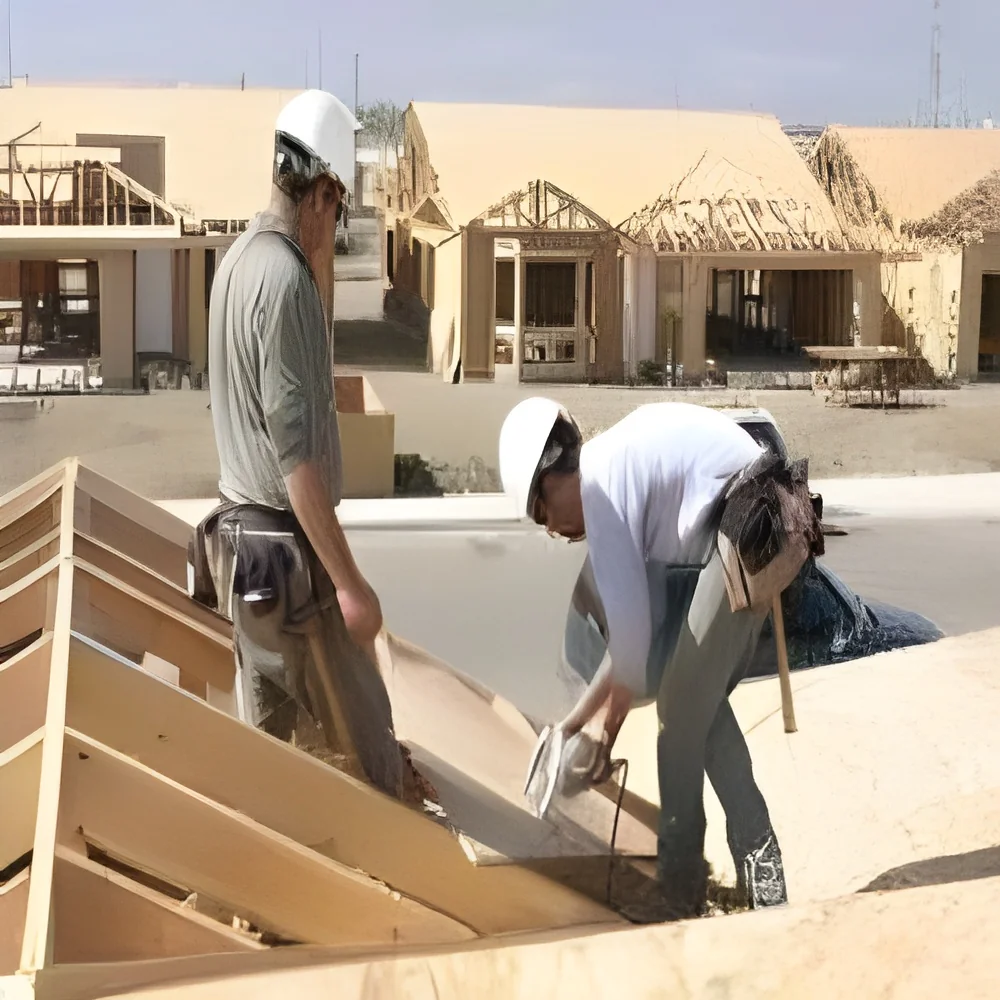
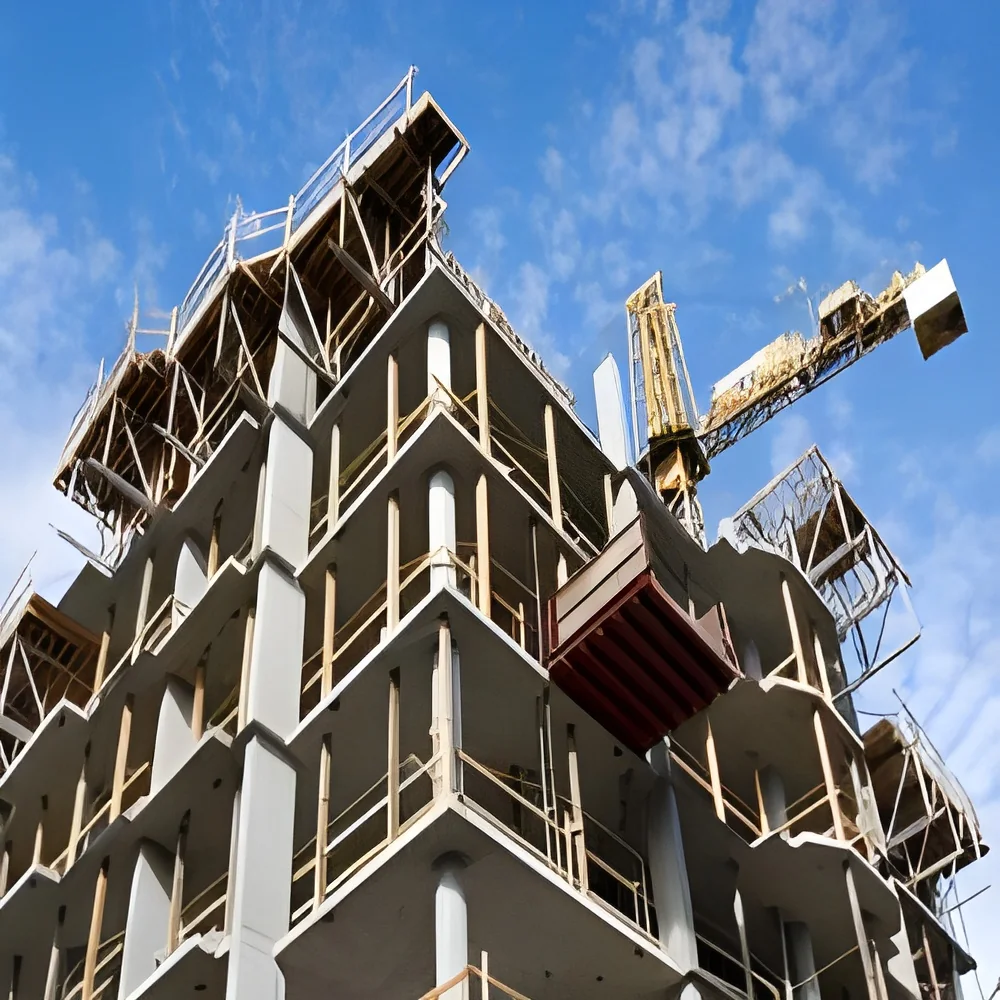
Design-Build Contract Services are a construction project delivery method where a single entity is responsible for both the design and construction phases. This streamlined approach enables better collaboration, reduces conflicts, and can lead to faster project completion. The design-build model contrasts with the traditional design-bid-build method, where separate entities handle each phase. By integrating the design and construction processes, businesses can achieve more efficient project management.
These services are commonly used in various sectors, including commercial, residential, and industrial construction. They are particularly beneficial for projects where time and budget constraints are critical. The design-build approach allows for flexibility, as it facilitates modifications during the project without causing significant delays. This method is increasingly relevant in a competitive market that demands innovation and adaptability.
The industry context for design-build services is growing, reflecting a shift in how projects are managed. With the construction sector increasingly embracing integrated project delivery methods, design-build services are becoming the preferred choice for many organizations. This trend is driven by the need for higher efficiency, cost savings, and improved quality in construction projects.
Key Features and Specifications
Design-Build Contract Services come with several key features that enhance their effectiveness. These features allow businesses to experience a more cohesive project workflow and improved communication between stakeholders.
Key specifications include:
1. Integrated Project Delivery
- Combines design and construction phases
- Promotes collaboration among teams
2. Cost Predictability
- Fixed pricing models available
- Reduces risk of budget overruns
3. Time Efficiency
- Faster project completion compared to traditional methods
- Overlapping design and construction schedules
4. Customized Solutions
- Tailored services to meet specific project needs
- Flexibility to adapt to changes during construction
5. Quality Control
- Continuous monitoring throughout the project
- Emphasis on meeting industry standards
6. Streamlined Communication
- Single point of contact for clients
- Enhanced information sharing among teams
7. Risk Management
- Shared risk between design and construction teams
- Proactive identification and mitigation of issues
8. Enhanced Accountability
- Clear responsibilities defined for all parties
- Fosters a culture of ownership and commitment
Overall, these features contribute to a more efficient and effective construction process.
Common Applications and Use Cases
Design-Build Contract Services are applicable across various industries, showcasing their versatility and effectiveness.
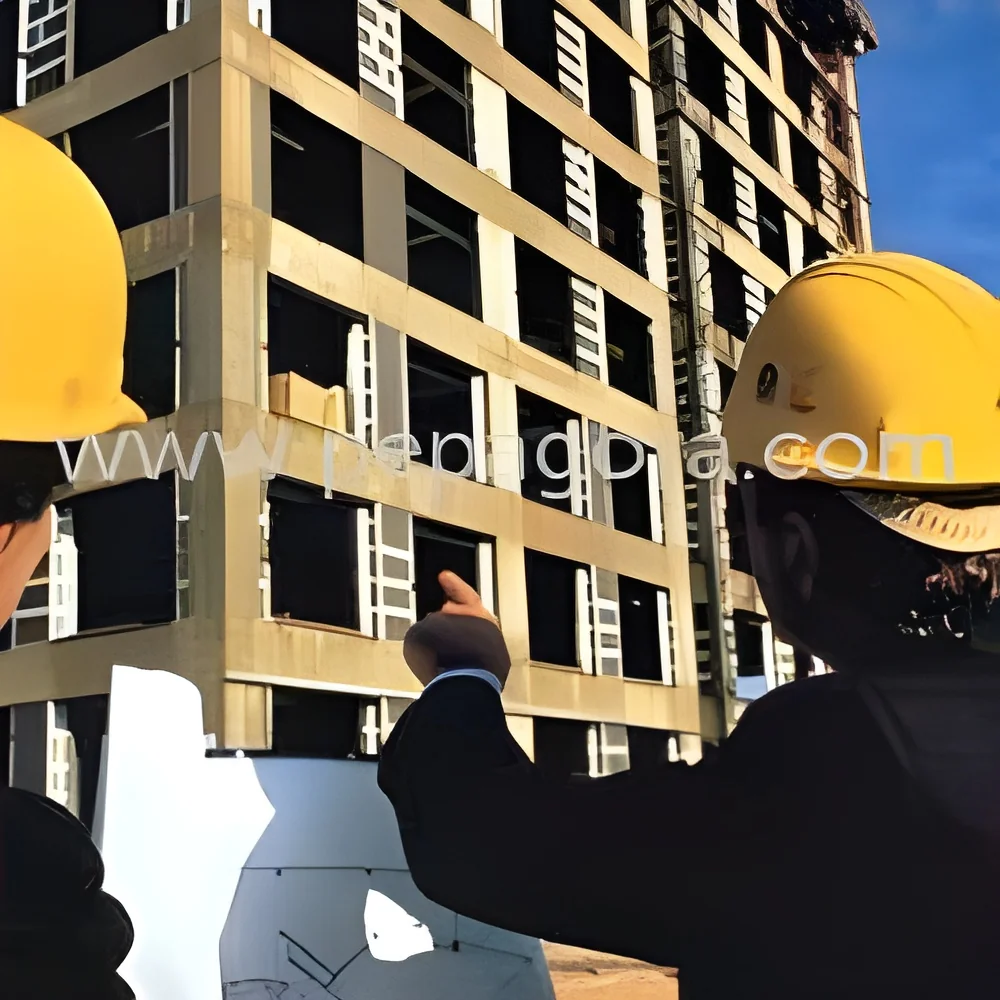
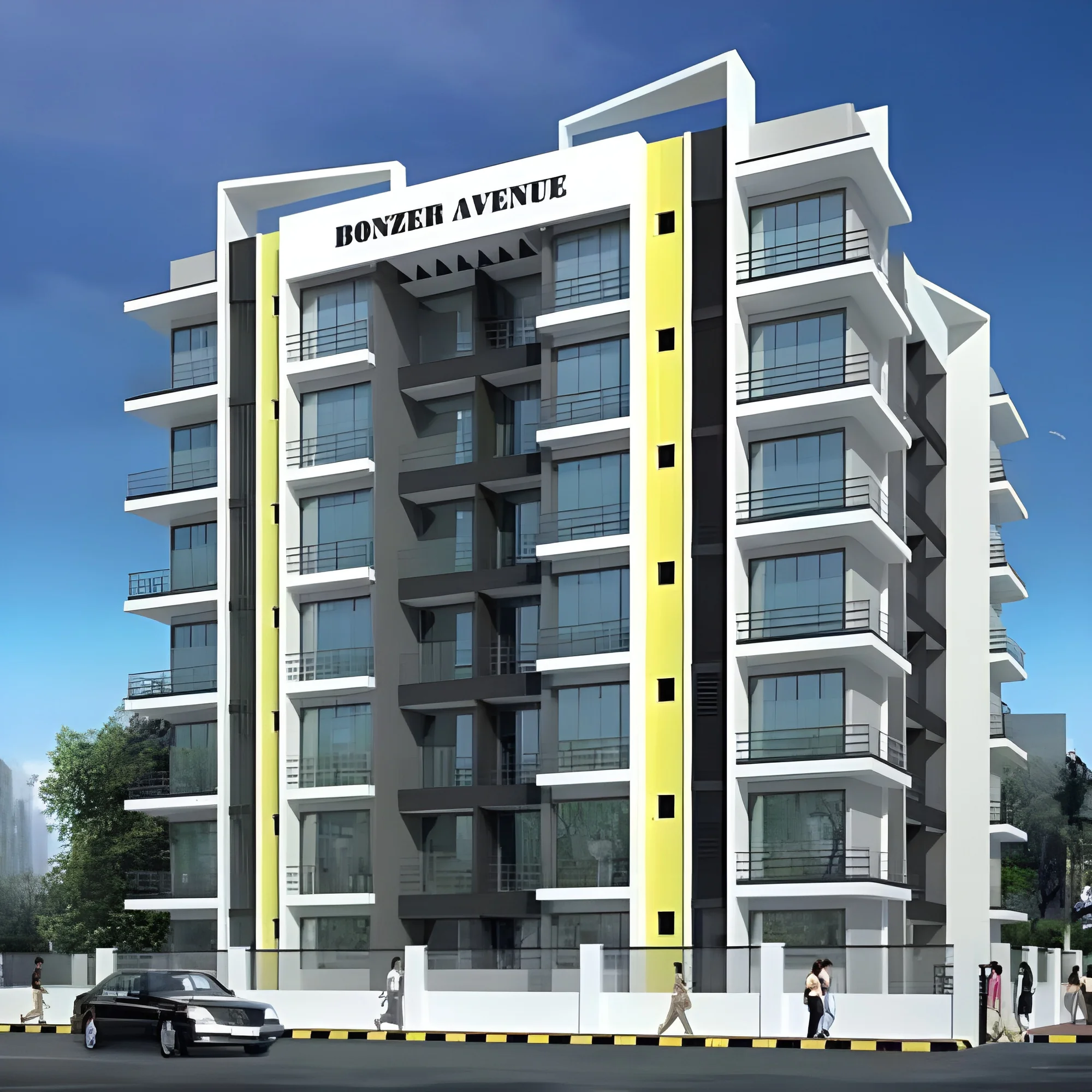
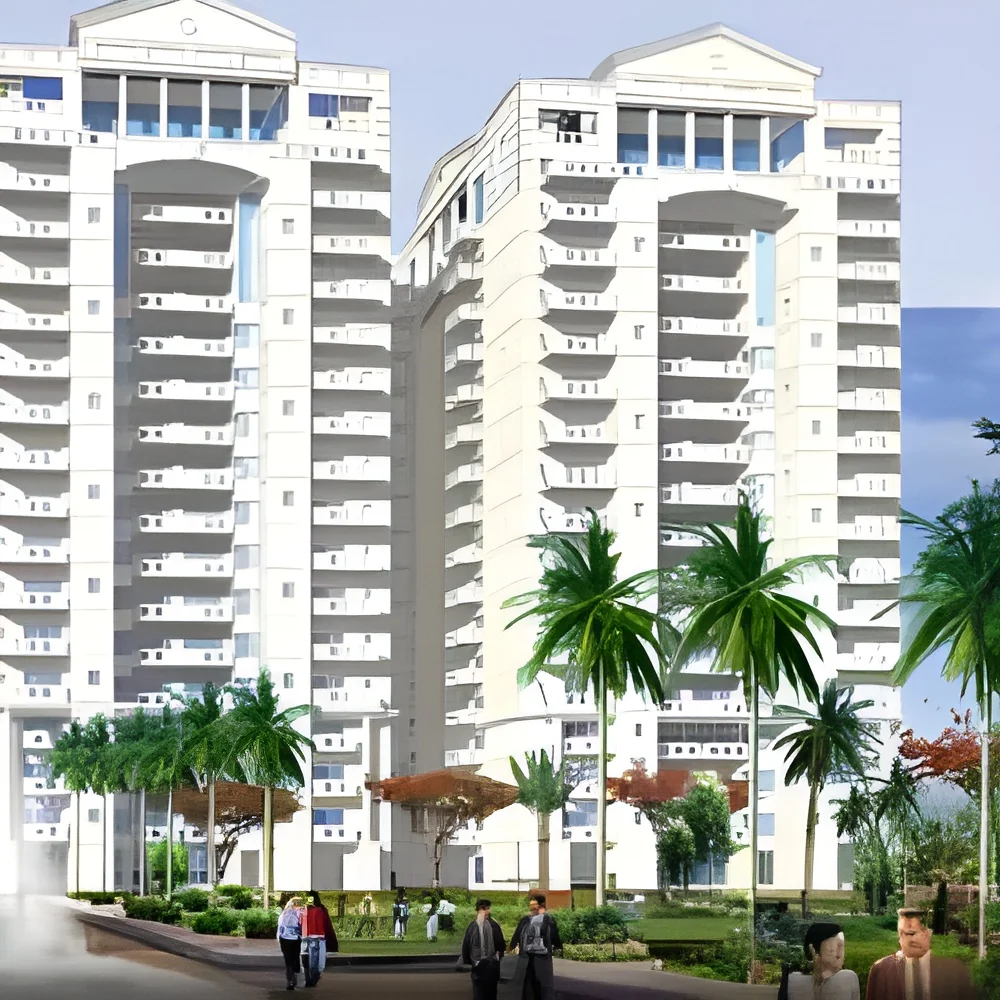
1. Commercial Construction: These services are commonly used for office buildings, retail spaces, and mixed-use developments. They facilitate quick turnaround times and help meet the unique demands of commercial clients.
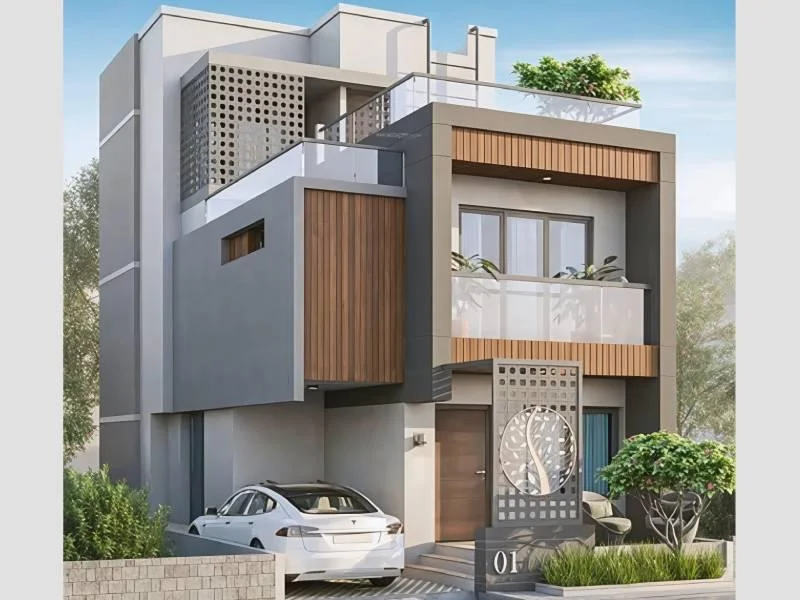
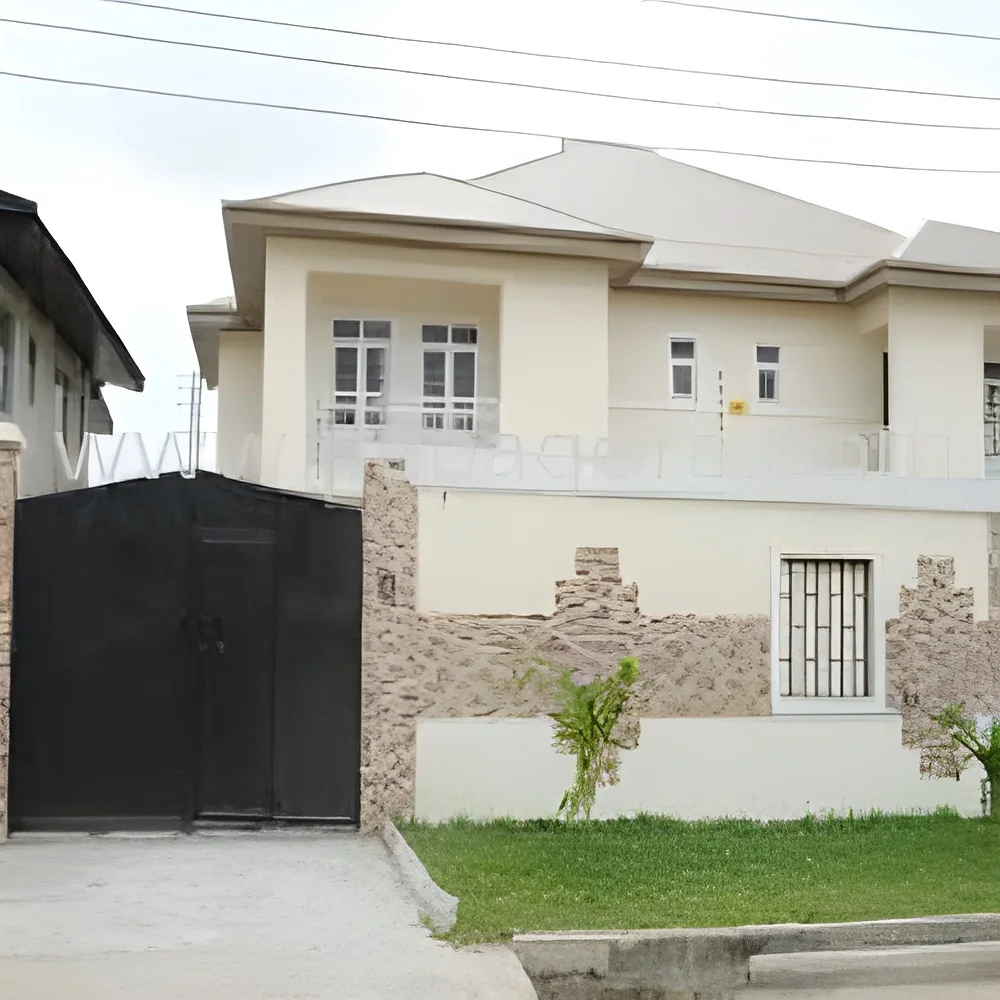
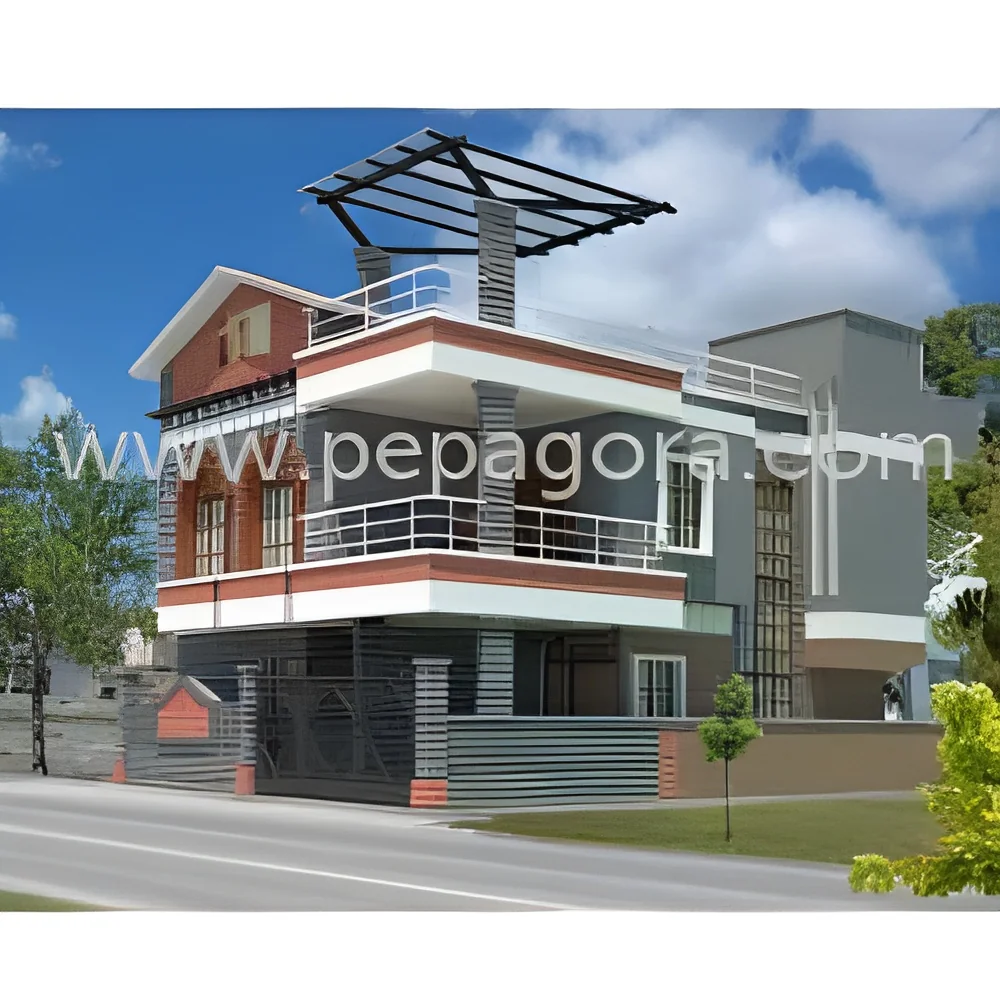
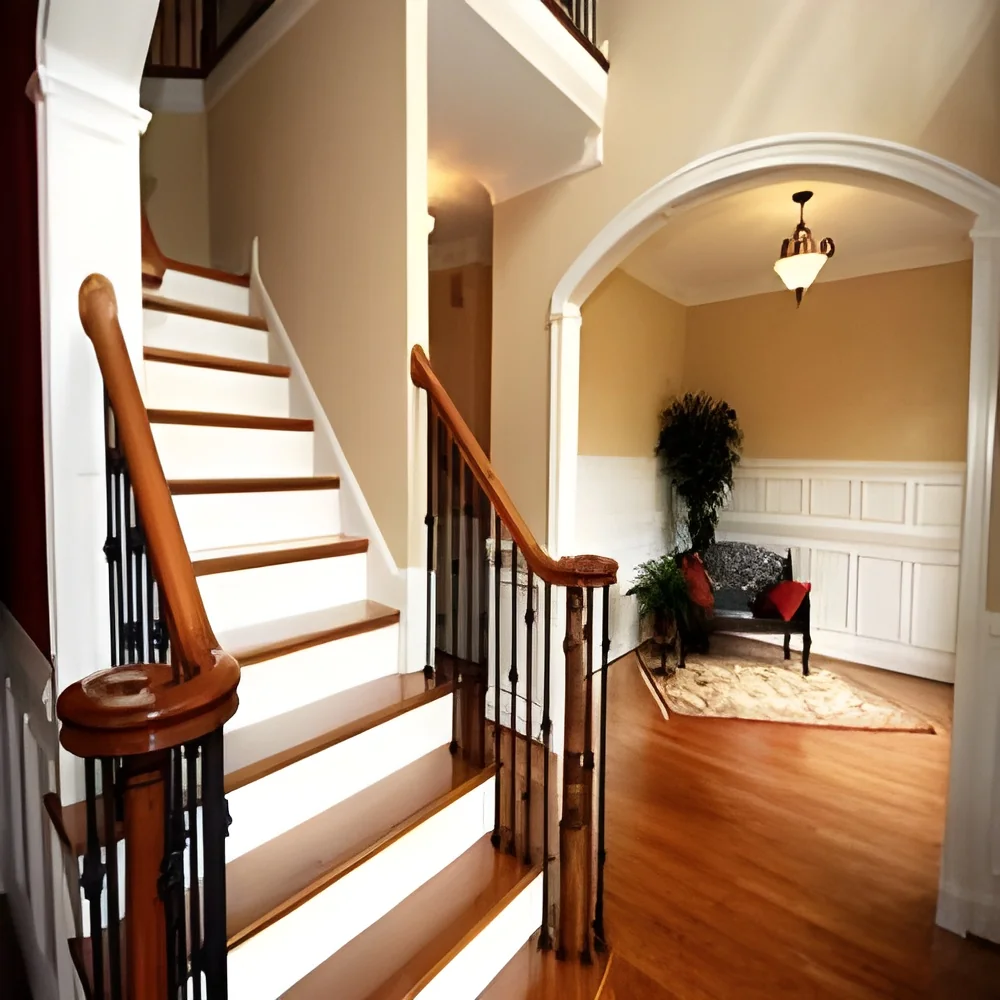
2. Residential Projects: Homebuilders often utilize design-build services for custom homes and renovations. The integrated approach allows for personalized designs while staying within budget and timeline constraints.
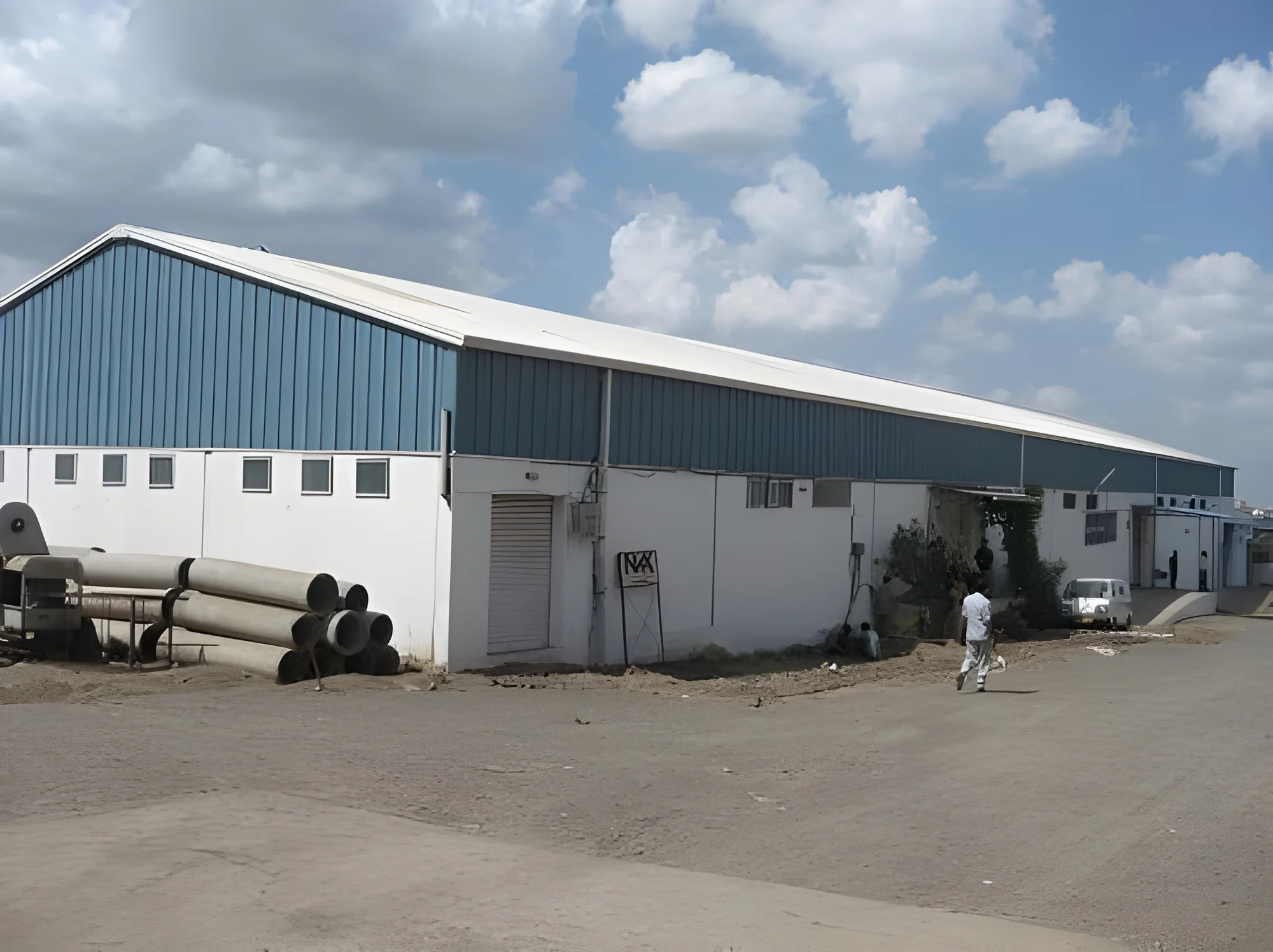
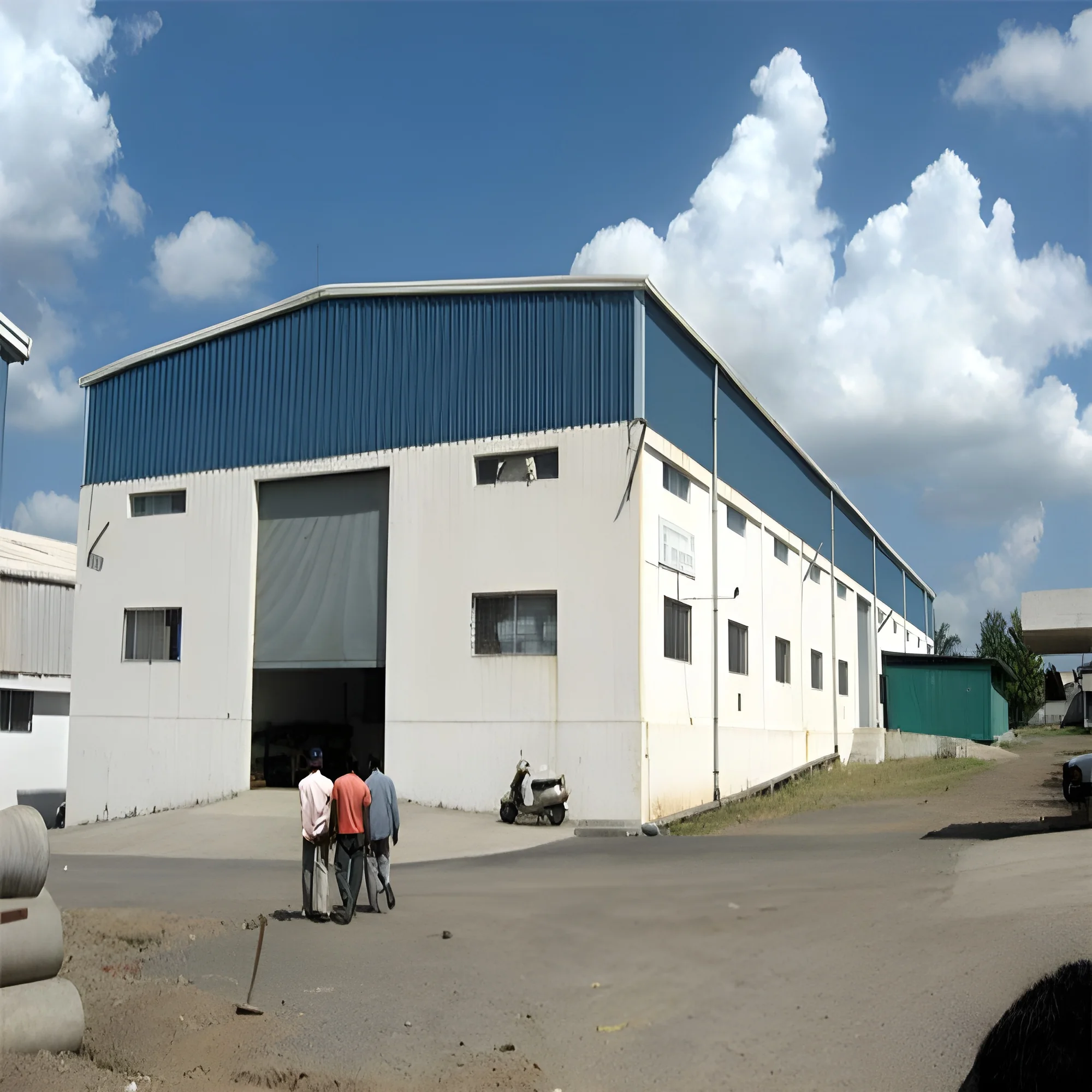
3. Industrial Facilities: Factories and warehouses benefit from design-build services, which streamline the planning and construction of complex infrastructure. This approach can enhance operational efficiency and adaptability.
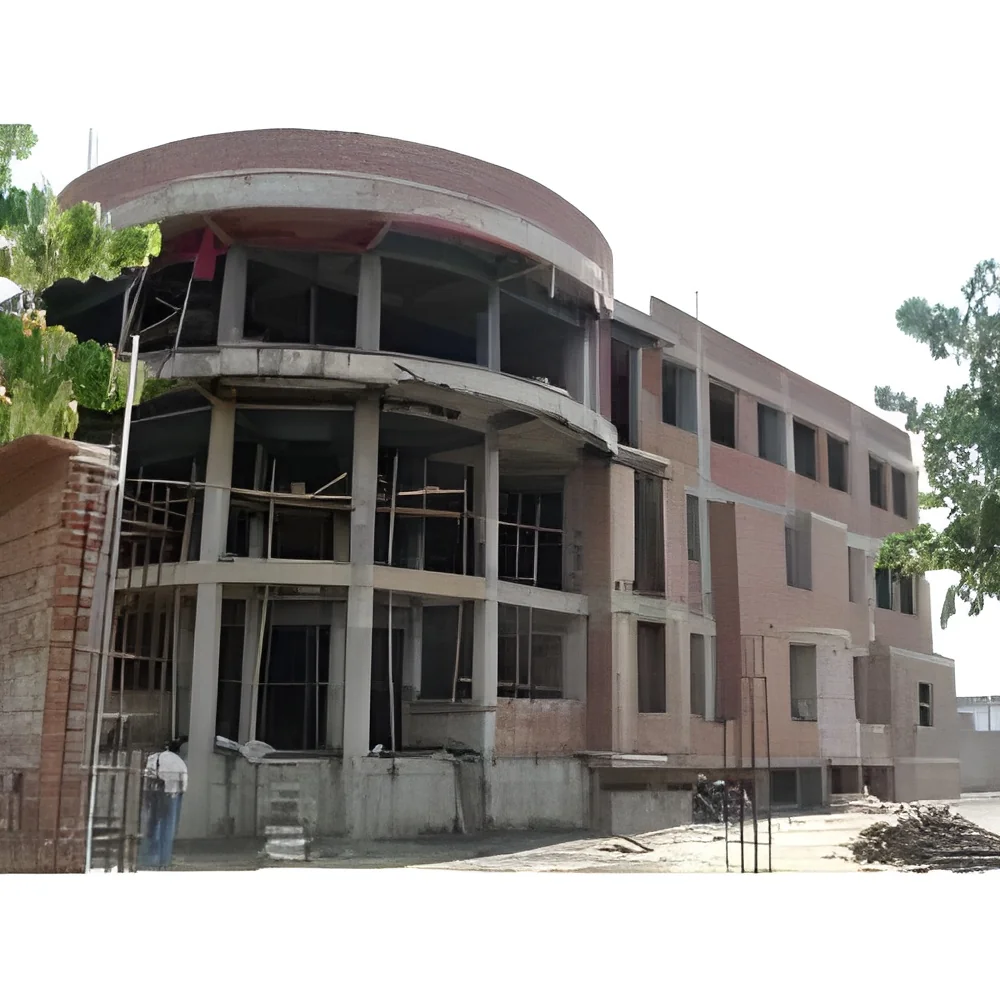
4. Educational Institutions: Schools and universities often engage design-build services for new construction and renovations. This method allows educational facilities to be designed with specific learning environments in mind.
5. Healthcare Facilities: Hospitals and clinics require specialized design and construction expertise. Design-build services can respond to the unique needs of healthcare environments efficiently.
6. Hospitality Industry: Hotels and resorts leverage design-build services to create inviting spaces that meet brand standards while ensuring timely openings.
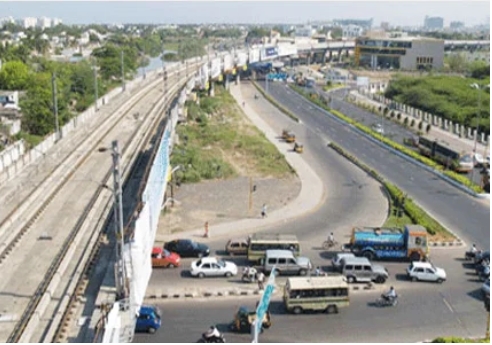
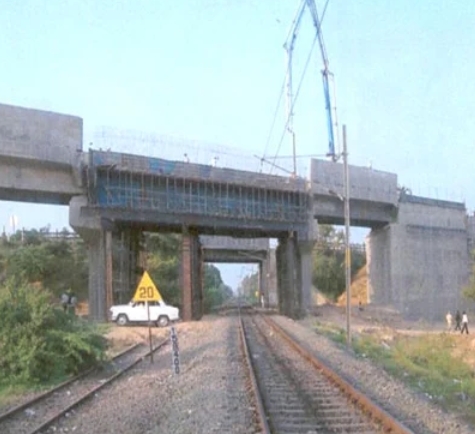
7. Infrastructure Projects: Large-scale public works, such as bridges and roads, can benefit from the efficiency and collaborative nature of design-build contracts.
Product Variants and Subcategories
Design-Build Contract Services encompass a range of options tailored to different project requirements. Although specific subcategories are not available, several variants exist within the design-build framework.
General Design-Build Services
These services cater to a wide array of construction projects. They provide a comprehensive solution that integrates all aspects of design and construction, ensuring smooth project execution.
Design-Build for Renovations
Focused on remodeling existing structures, these services specialize in updating facilities while maintaining functionality and aesthetic quality.
Design-Build for Custom Projects
This variant is geared toward clients seeking unique and specialized designs. These services offer flexibility and creativity, allowing for highly customized outcomes.
Design-Build with Sustainability Focus
These services emphasize environmentally friendly practices. They integrate sustainable design principles to create energy-efficient buildings that minimize environmental impact.
Benefits and Advantages
Design-Build Contract Services offer numerous advantages that can significantly benefit businesses engaged in construction projects.
Key benefits include:
1. Improved Collaboration: With a single team managing design and construction, communication barriers are reduced, leading to enhanced cooperation.
2. Cost Savings: The integrated approach often results in lower overall costs due to improved efficiency and reduced project delays.
3. Faster Delivery: Projects are typically completed more rapidly, allowing businesses to realize operational benefits sooner.
4. Greater Flexibility: Design-build services can easily adapt to changes in project scope or client needs, ensuring that the final product aligns with expectations.
5. Enhanced Quality: Continuous oversight and integrated teams contribute to higher quality outcomes, as issues can be addressed promptly during the project.
6. Simplified Management: Clients benefit from a single point of contact, streamlining the project management process and reducing administrative burdens.
Buying Guide for B2B Buyers
When sourcing Design-Build Contract Services, it is essential to consider several key factors to ensure a successful partnership.
1. Quality Assessment: Evaluate the quality of previous projects completed by potential service providers. Look for evidence of adherence to industry standards and client satisfaction.
2. Supplier Verification: Conduct thorough background checks on suppliers. Verify their experience, qualifications, and reputation in the market to ensure reliability.
3. Pricing and MOQ: Understand the pricing structure and minimum order quantities associated with the services. This will help in budgeting and planning your projects effectively.
4. Delivery and Lead Times: Discuss expected delivery timelines with potential providers. Ensure that they can meet your project schedules without compromising quality.
5. Compliance Requirements: Confirm that the service provider is aware of and compliant with relevant regulations and standards in your industry. This includes safety and environmental considerations.
Compliance and Certifications
Design-Build Contract Services must adhere to various quality standards and regulations to ensure safety and effectiveness in construction.
Relevant quality standards, such as ISO 9001, provide guidelines for organizations to maintain quality management systems. Compliance with these standards ensures that projects meet customer and regulatory requirements consistently.
Industry certifications, like CE marking, indicate that the services provided meet European health, safety, and environmental protection standards. This certification reassures clients about the quality and safety of the construction work.
Safety and testing requirements are paramount in the construction industry. Service providers should follow established protocols to ensure that all materials and practices are safe and reliable.
Additionally, regional compliance considerations may vary. It is crucial for service providers to be aware of local laws and regulations, ensuring that all projects adhere to applicable guidelines.
Why Source Design-Build Contract Services from Pepagora?
Pepagora offers a reliable platform for businesses seeking Design-Build Contract Services, presenting several key advantages.
Verified Supplier Network: Pepagora maintains a network of vetted suppliers, ensuring that clients can connect with trusted professionals in the industry. This verification process enhances buyer confidence and reduces risks.
Streamlined RFQ Process: The platform simplifies the request for quotation process, allowing businesses to receive multiple bids efficiently. This feature enables buyers to compare options and select the best fit for their project needs.
Trade Assurance and Support: Pepagora provides buyer protection through trade assurance measures. Clients can engage in transactions with peace of mind, knowing they have support in case of disputes.
Regional Coverage: With a strong presence in India, the Gulf Cooperation Council, and Southeast Asia, Pepagora offers extensive geographic reach. This allows businesses to source services tailored to their specific regional requirements effectively.

 IN
IN