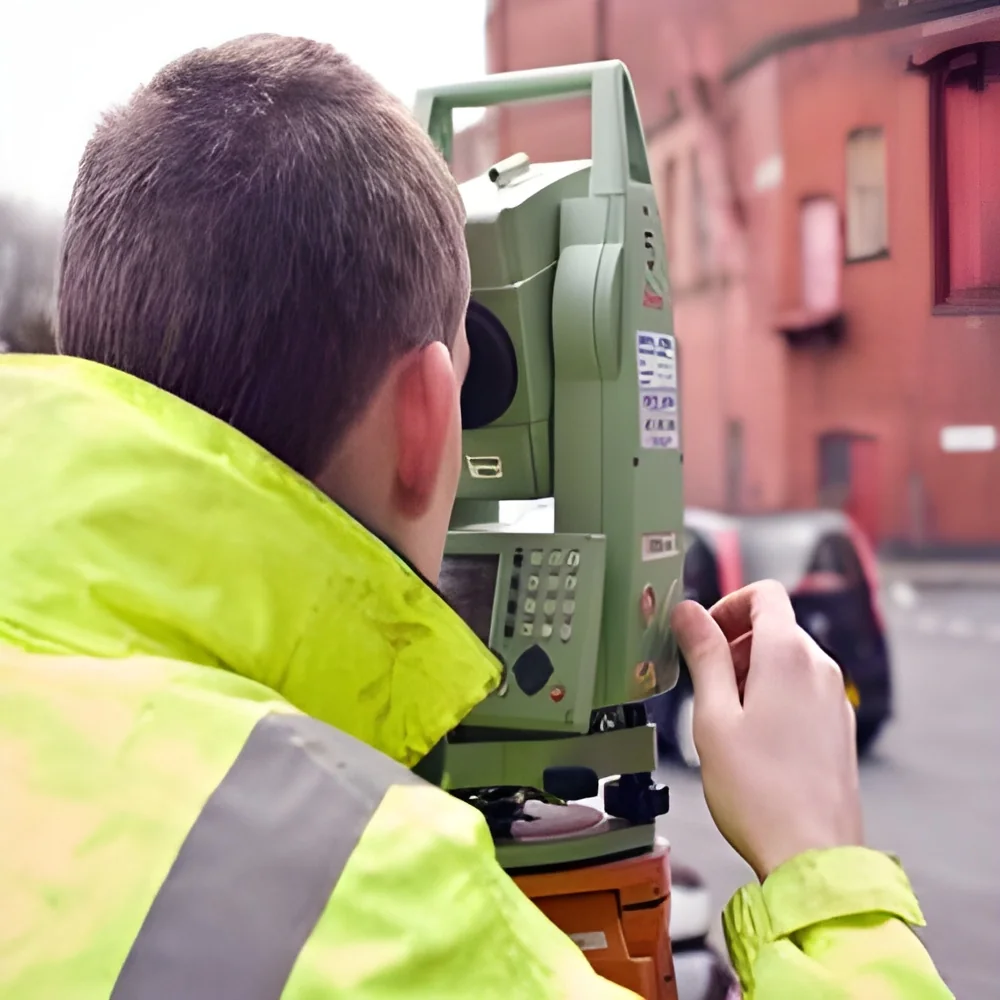
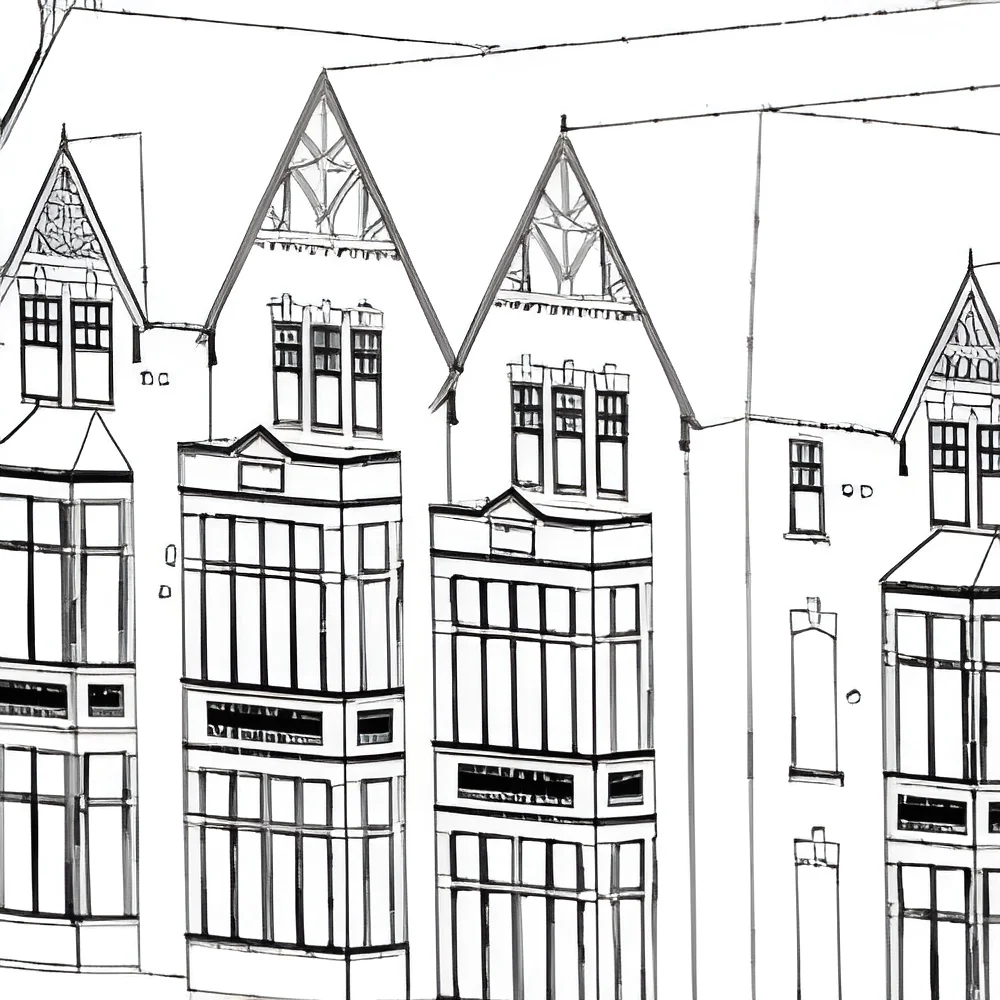
What are Building Measurement Survey?
Building Measurement Survey refers to a systematic process employed to assess and document the dimensions, shapes, and spatial relationships of buildings and structures. This survey is crucial for architects, engineers, and construction professionals who require accurate measurements for design, renovation, and compliance purposes. The data gathered from these surveys can include floor plans, elevation details, and volume measurements, ensuring that all aspects of a building are precisely accounted for.
The primary uses of Building Measurement Survey span various applications, including construction planning, real estate analysis, and facility management. Businesses use this data to create accurate blueprints, facilitate renovations, and ensure that new constructions meet local building codes and regulations. In an increasingly competitive market, having reliable measurement data is vital for making informed decisions throughout a building's lifecycle.
In terms of industry relevance, Building Measurement Surveys play a significant role in sectors such as construction, architecture, and real estate. With the evolving demands of urban development and infrastructure projects, accurate measurement and documentation are becoming ever more critical. Companies that invest in high-quality building surveys can benefit from reduced project delays, enhanced compliance, and improved overall project outcomes.
Key Features and Specifications
Building Measurement Surveys come equipped with several key features that enhance their effectiveness for various applications. Understanding these features can help businesses select the right survey methods and technologies for their needs.
Key specifications include:
1. Measurement Accuracy
- Precision is vital in building measurement, often within a few millimeters.
- This accuracy is essential for effective design and compliance.
2. Data Collection Methods
- Surveys can utilize manual measurement tools or advanced technologies like laser scanning.
- Different methods may offer varying levels of detail and efficiency.
3. Software Integration
- Many surveys are compatible with CAD software, enabling seamless transition from measurement to design.
- This feature enhances workflow efficiency and accuracy.
4. Reporting Standards
- Surveys typically follow industry standards for documentation and reporting.
- Consistent reporting formats ensure clarity and usability of the data.
5. Visualization Capabilities
- Advanced surveys may include 3D modeling to provide visual context to the measurements.
- This feature aids in better understanding of spatial relationships.
6. Customization Options
- Surveys can be tailored to meet specific project requirements.
- Customization may include additional data points or specialized reporting.
7. Compliance with Safety Standards
- Building Measurement Surveys adhere to safety regulations relevant to the industry.
- This adherence ensures that all measurements are conducted in a safe manner.
8. Geographic Coverage
- Surveys can be conducted in diverse geographic locations, accommodating various regional needs.
- This feature is essential for projects in different environments.
In summary, the key features and specifications of Building Measurement Surveys highlight their importance in providing detailed, accurate, and reliable measurement data for various business applications.
Common Applications and Use Cases
Building Measurement Surveys are versatile tools that serve various industries effectively. Their applications extend beyond simple measurements to encompass a wide range of use cases.
1. Construction: In the construction industry, accurate measurements are essential for planning and executing projects. Surveys help ensure that structures are built according to design specifications.
2. Real Estate: Real estate professionals use building surveys to assess property dimensions and features. This information is crucial for property valuation and marketing.
3. Facility Management: Building Measurement Surveys assist facility managers in maintaining and optimizing building performance. Accurate data helps in planning maintenance and renovations.
4. Urban Planning: City planners rely on these surveys to understand spatial dynamics and plan infrastructure projects. Accurate measurements support effective zoning and land use decisions.
5. Historical Preservation: In historical renovation projects, building surveys provide essential data for restoring and preserving structures. This ensures that renovations are in line with heritage standards.
6. Interior Design: Interior designers use measurement surveys to create functional and aesthetically pleasing spaces. Accurate dimensions enable effective space planning.
7. Engineering: Engineers depend on precise measurements for structural analysis and design. Surveys ensure that all engineering calculations are based on accurate data.
Product Variants and Subcategories
Building Measurement Surveys exhibit diversity in methods and technologies, allowing businesses to choose the best fit for their specific needs.
Laser Scanning Surveys
These surveys use laser technology to capture detailed three-dimensional data of buildings. They are known for their high accuracy and efficiency, making them ideal for complex structures.
Traditional Tape Measurement Surveys
This classic method involves manual measurement using tape and other tools. It is straightforward and cost-effective, suitable for smaller projects where high-tech solutions are not required.
3D Modeling Surveys
These surveys generate detailed 3D models based on measurement data. They are particularly useful for visualization and design purposes in architecture and construction.
Benefits and Advantages
Investing in Building Measurement Surveys offers numerous key benefits that can enhance project outcomes and operational efficiency.
1. Enhanced Accuracy: Building Measurement Surveys provide precise measurements that reduce the risk of errors in design and construction.
2. Improved Compliance: Accurate data helps ensure that all construction projects meet regulatory requirements, minimizing legal risks.
3. Time Efficiency: Utilizing advanced survey methods can significantly reduce the time required for data collection and analysis.
4. Cost Savings: By avoiding costly mistakes and rework, businesses can save money over the project lifecycle.
5. Informed Decision-Making: With reliable measurement data, businesses can make better strategic decisions regarding design, construction, and management.
6. Increased Project Value: High-quality surveys can enhance the overall value of real estate and construction projects, attracting more clients and investment.
Buying Guide for B2B Buyers
When sourcing Building Measurement Survey services, several factors should be considered to ensure quality and reliability.
1. Quality Assessment: Look for surveys that offer high accuracy and follow industry standards. This includes checking for certifications and client testimonials that demonstrate a track record of quality.
2. Supplier Verification: Vet potential suppliers by reviewing their experience, qualifications, and client references. This process helps ensure you are working with a reputable provider.
3. Pricing and MOQ: Discuss pricing structures and any minimum order quantities. Understanding the cost implications will help in budget planning for your projects.
4. Delivery and Lead Times: Inquire about delivery times for survey results. Timely data is critical in keeping projects on schedule.
5. Compliance Requirements: Ensure that the survey adheres to relevant local and industry regulations. Compliance is essential for avoiding legal issues down the line.
Compliance and Certifications
Building Measurement Surveys are subject to various quality standards that ensure reliability and safety. Common standards include ISO 9001, which focuses on quality management systems, ensuring that survey processes meet customer and regulatory requirements.
Certifications such as CE indicate that products and services meet European health, safety, and environmental protection standards. This certification is crucial for businesses operating in or exporting to the European market.
Safety and testing requirements are integral to the survey process. It is vital that all equipment and methodologies used in building measurement adhere to safety regulations to protect both workers and the integrity of the structures being surveyed.
Additionally, regional compliance considerations may vary. It is essential to understand local laws and regulations governing construction and surveying to ensure that all work is compliant.
Why Source Building Measurement Survey from Pepagora?
Pepagora offers a trusted platform for sourcing Building Measurement Surveys, providing several key advantages that streamline the procurement process.
Verified Supplier Network: Pepagora ensures that all suppliers in its network have been thoroughly vetted for reliability and quality. This verification process helps buyers find trustworthy partners for their projects.
Streamlined RFQ Process: The request for quotation (RFQ) system simplifies the process of obtaining quotes from multiple suppliers. This feature allows businesses to compare options quickly and efficiently.
Trade Assurance and Support: Pepagora provides buyer protection through trade assurance, ensuring that transactions are secure. This support gives buyers peace of mind when sourcing products and services.
Regional Coverage: With a strong presence in India, the GCC, and Southeast Asia, Pepagora offers extensive geographic reach. This coverage ensures that businesses can find local suppliers who understand regional market needs and regulations.

 IN
IN