
 IN
Thermal Curtains & PVC Strips
6 products available
What are Thermal Curtains & PVC Strips?
Thermal curtains and PVC strips are specialized products designed to enhance thermal insulation and control the environment within industrial and commercial settings. Thermal curtains are made of heavy-duty fabric that prevents heat loss or gain, while PVC strips are flexible, transparent, and often used to create a barrier without obstructing visibility. Both products serve to maintain a controlled atmosphere, thereby increasing energy efficiency and comfort.
These products find extensive use in various business applications, including warehouses, manufacturing facilities, and cold storage environments. Thermal curtains are particularly effective in areas where temperature regulation is crucial, while PVC strips are commonly used in doorways and passageways to minimize air exchange and improve climate control. Their ability to reduce energy costs and improve working conditions makes them highly relevant in today’s industrial market.
In an era where energy efficiency is paramount, the demand for thermal curtains and PVC strips is increasing. Businesses are recognizing the importance of maintaining optimal temperature and humidity levels, contributing to productivity and operational efficiency. As industries evolve, these products play a vital role in enhancing sustainability and reducing overhead costs.
Key Features and Specifications
Thermal curtains and PVC strips come with a range of features and specifications that make them suitable for various industrial applications. Understanding these specifications is essential for selecting the right product for your needs.
Key specifications include:
1. Thermal Insulation
- Thermal curtains provide significant insulation by minimizing heat transfer.
- They can maintain temperature differentials in environments with varying climatic conditions.
2. Visibility and Safety
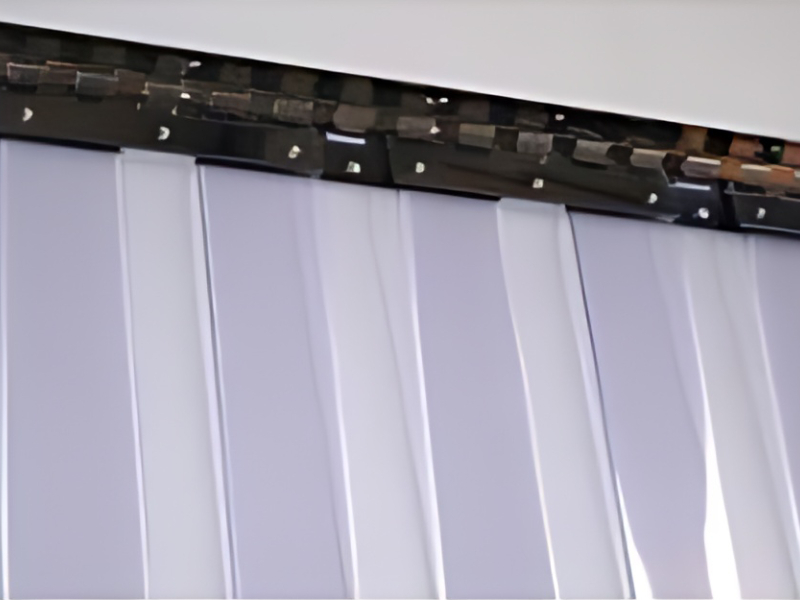
- PVC strips offer clear visibility while providing a barrier against air and contaminants.
- They are designed to be flexible, ensuring safety in high-traffic areas.
3. Durability
- Both products are made from robust materials that withstand wear and tear.
- Thermal curtains are often water-resistant, while PVC strips are resistant to impact and chemicals.
4. Installation Options
- Thermal curtains can be installed using various mounting systems, including tracks and hooks.
- PVC strips are typically hung from a header rail for easy access.
5. Customization
- Both products can be customized in terms of size, thickness, and color to meet specific requirements.
- This flexibility allows businesses to tailor solutions to their unique operational needs.
6. Easy Maintenance
- Thermal curtains can be cleaned with standard cleaning solutions, while PVC strips require minimal upkeep.
- Both products are designed for longevity, reducing replacement frequency.
In summary, understanding these features and specifications is crucial for businesses seeking effective climate control solutions.
Common Applications and Use Cases
Thermal curtains and PVC strips serve various industries, providing solutions for specific environmental control challenges.
1. Food Processing: In food processing plants, thermal curtains help maintain required temperatures for different storage areas, ensuring food safety and compliance with health regulations.
2. Manufacturing: In manufacturing facilities, PVC strips are often used to separate different work areas, preventing dust and debris from contaminating sensitive equipment.
3. Warehousing: Thermal curtains are employed in warehouses to create temperature-controlled zones, improving energy efficiency and protecting goods from temperature fluctuations.
4. Cold Storage: In cold storage facilities, both thermal curtains and PVC strips are essential for maintaining low temperatures and minimizing energy consumption.
5. Automotive: In automotive workshops, PVC strips can be used to separate work areas, providing a barrier against dust while allowing easy access for vehicles.
6. Pharmaceuticals: In pharmaceutical manufacturing, thermal curtains are critical for maintaining controlled environments to ensure product integrity and compliance with regulations.
Product Variants and Subcategories
Thermal curtains and PVC strips come in various forms to cater to diverse industrial needs.
Thermal Insulated Curtains
These curtains are designed with layers of insulation that provide enhanced thermal performance. They are particularly beneficial in environments that require strict temperature control, such as refrigerated areas.
Clear PVC Strips
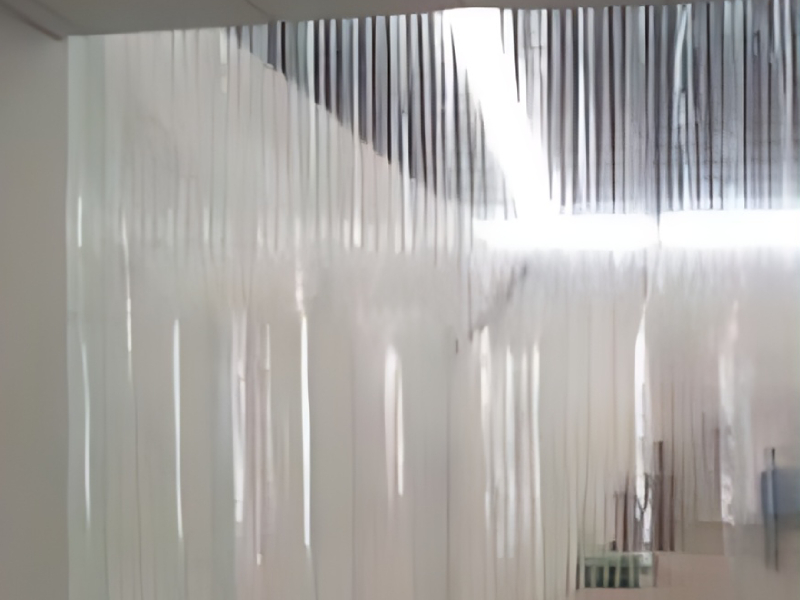
Clear PVC strips allow for visibility while providing a strong barrier against environmental elements. They are ideal for use in high-traffic areas where easy access is necessary while maintaining a controlled atmosphere.
Colored PVC Strips
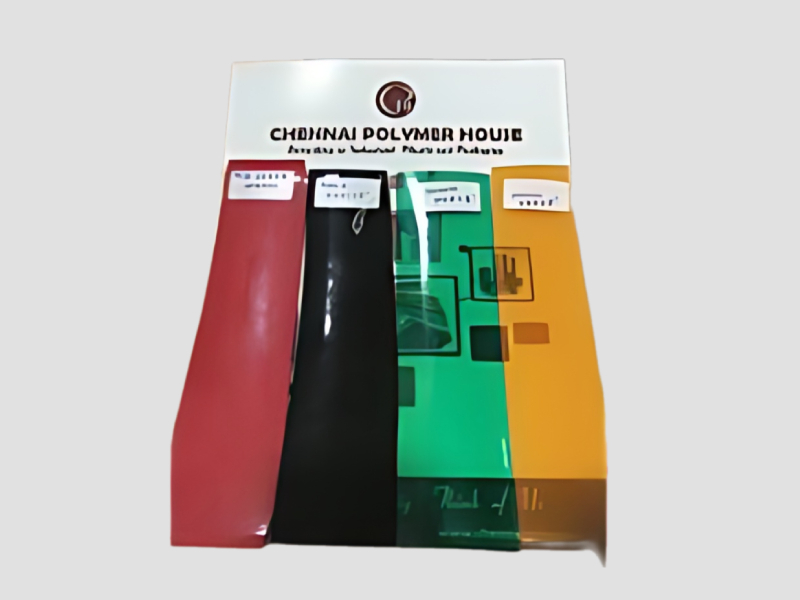
Colored PVC strips are used in specific applications where visibility or color coding is important. They serve as a visual guide while providing the same benefits as clear strips.
Benefits and Advantages
Thermal curtains and PVC strips offer numerous benefits that enhance operational efficiency and improve working conditions.
1. Energy Efficiency: These products minimize heat loss and reduce energy consumption, lowering utility costs for businesses.
2. Improved Comfort: By creating a stable climate, thermal curtains and PVC strips enhance comfort for employees, leading to increased productivity.
3. Contamination Control: PVC strips effectively prevent dust and contaminants from entering sensitive areas, protecting equipment and products.
4. Cost-Effective Solutions: Investing in thermal curtains and PVC strips can lead to significant savings in heating and cooling costs over time.
5. Versatile Applications: Their adaptability makes them suitable for a wide range of industries and specific operational needs.
6. Easy Installation: Both products can be installed quickly and with minimal disruption to operations, allowing for immediate benefits.
Buying Guide for B2B Buyers
When sourcing thermal curtains and PVC strips, several factors should be considered to ensure the best purchase decision.
1. Quality Assessment: Evaluate the quality of materials used in the products. Look for certifications or standards that ensure durability and performance.
2. Supplier Verification: Vet suppliers carefully to ensure they have a good reputation and provide reliable products. Check for reviews and testimonials from previous customers.
3. Pricing and MOQ: Understand the price ranges and minimum order quantities. Compare quotes from different suppliers to find the best deal.
4. Delivery and Lead Times: Assess the logistics involved, including shipping times and delivery options. Ensure that the supplier can meet your project deadlines.
5. Compliance Requirements: Verify that the products meet industry-specific compliance standards and safety regulations, particularly in sensitive environments like food processing and pharmaceuticals.
Compliance and Certifications
Compliance and certifications are crucial in ensuring that thermal curtains and PVC strips meet industry standards and safety requirements.
Relevant quality standards include ISO 9001, which ensures effective quality management systems are in place. Other standards, such as HACCP and GDP, are particularly important in food-related industries where maintaining safety and quality is paramount.
Industry certifications, including CE marking, indicate that products conform to European health, safety, and environmental protection standards. This is essential for businesses looking to operate within these regulatory frameworks.
Safety and testing requirements are also significant, as products must undergo various assessments to confirm their effectiveness and reliability in different environments. Additionally, regional compliance considerations may vary, necessitating an understanding of local regulations that apply to specific industries.
Why Source Thermal Curtains & PVC Strips from Pepagora?
Pepagora provides a trusted platform for sourcing thermal curtains and PVC strips, offering several key advantages to B2B buyers.
Verified Supplier Network: The platform features a network of verified suppliers who adhere to strict quality standards. This ensures that businesses can find reliable products that meet their requirements.
Streamlined RFQ Process: Pepagora's request for quotation (RFQ) system simplifies the sourcing process. Buyers can easily compare quotes and choose the best option suited to their needs.
Trade Assurance and Support: With trade assurance programs in place, Pepagora protects buyers by ensuring that they receive the products as described and on time. This builds trust and confidence in the purchasing process.
Regional Coverage: Pepagora’s extensive reach across India, GCC, and Southeast Asia provides businesses with access to a wide range of suppliers, ensuring that they can find the right thermal curtains and PVC strips regardless of their location.


 India
 India
 India

Frequently Asked Questions
What are Thermal Curtains & PVC Strips?
Thermal curtains are specially designed window treatments that help in regulating indoor temperatures by blocking heat and cold. PVC strips are flexible plastic strips used in doorways and openings to create barriers, reducing energy loss and controlling temperature.
What are the different types of Thermal Curtains & PVC Strips?
Thermal curtains come in various styles including blackout curtains, insulated curtains, and energy-efficient curtains. PVC strips are available in different widths, thicknesses, and colors, suitable for various industrial and commercial applications.
How do I choose the right Thermal Curtains & PVC Strips?
To choose the right thermal curtains, consider factors such as insulation properties, fabric type, and aesthetic appeal. For PVC strips, evaluate the environment of use, temperature conditions, and the specific application to ensure optimal performance.
What are the standard specifications for Thermal Curtains & PVC Strips?
Standard specifications for thermal curtains include dimensions, fabric type, and thermal resistance ratings. For PVC strips, specifications typically include width, thickness, color, and temperature tolerance, ensuring they meet industry requirements.
What is the price range for Thermal Curtains & PVC Strips?
The price range for thermal curtains can vary from INR 500 to INR 3000 per piece, depending on material and size. PVC strips generally range from INR 30 to INR 150 per meter, influenced by thickness and quality.
What quality standards apply to Thermal Curtains & PVC Strips?
Quality standards for thermal curtains often include flame resistance, colorfastness, and durability ratings. PVC strips should comply with safety standards such as ASTM or ISO certifications, ensuring they are suitable for industrial use.
Where can I find Thermal Curtains & PVC Strips suppliers in India?
You can find suppliers of thermal curtains and PVC strips through B2B marketplaces like Pepagora.com, industry trade shows, and local manufacturing directories. Researching online platforms can also yield a list of reputable manufacturers and distributors.
Can Thermal Curtains & PVC Strips be customized?
Yes, both thermal curtains and PVC strips can be customized to meet specific dimensions, colors, and functional requirements. Many manufacturers offer bespoke services to cater to unique project needs.
What is the typical minimum order quantity for Thermal Curtains & PVC Strips?
The minimum order quantity (MOQ) for thermal curtains typically ranges from 10 to 50 pieces, depending on the manufacturer. For PVC strips, the MOQ can vary from 100 to 500 meters based on the supplier's policy.
What is the typical lead time for Thermal Curtains & PVC Strips?
The typical lead time for thermal curtains can range from 2 to 4 weeks, depending on customization and order volume. For PVC strips, the lead time is generally shorter, often between 1 to 3 weeks.
Why Businesses Trust Pepagora
Thousands of companies trust Pepagora to source smarter and sell faster
Expand Your Sales Globally

Source Smarter,Grow Faster
