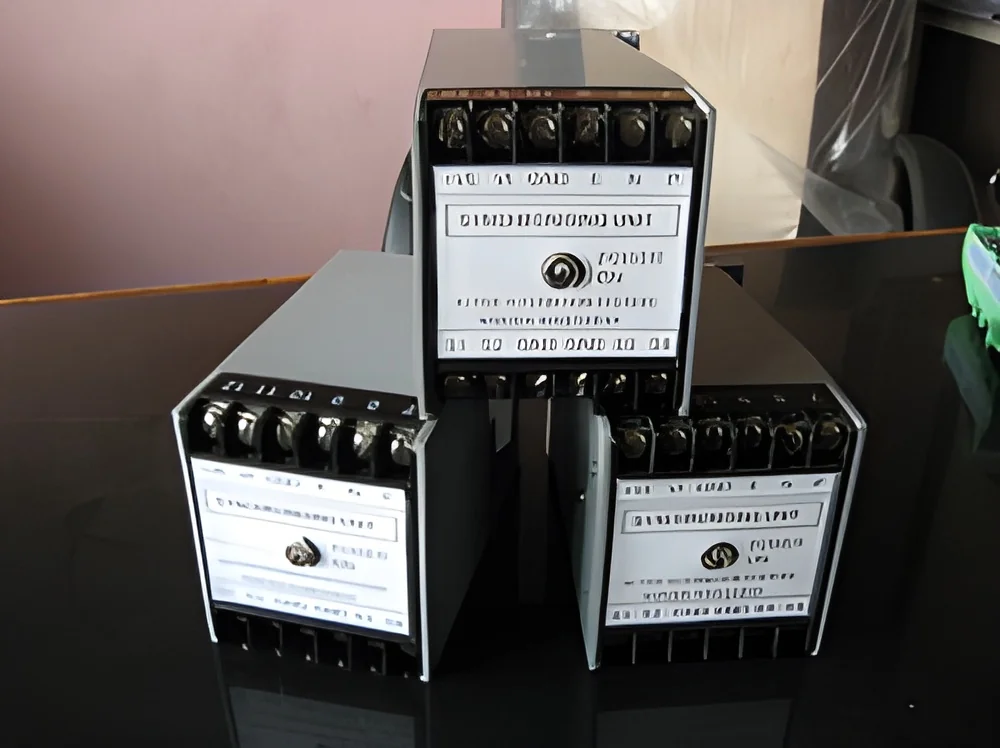
What are Synchronizing Panels?
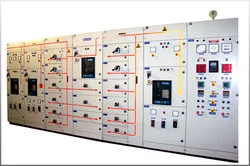
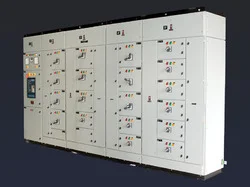
Synchronizing panels are essential electrical devices that enable the coordination of multiple generators or power sources to ensure a seamless and stable power supply. These panels facilitate synchronization by matching the voltage, frequency, and phase of the incoming electrical signals. By managing these parameters, synchronizing panels help prevent electrical disturbances and ensure that power systems operate effectively in parallel.
These panels find primary applications in various industries, particularly where reliable power generation is critical. Common uses include backup power systems for hospitals, data centers, and manufacturing facilities. Synchronizing panels are also deployed in renewable energy systems, such as solar and wind farms, where multiple energy sources need to be integrated into the grid. The relevance of synchronizing panels continues to grow as industries increasingly depend on continuous power supply and efficient energy management.
Key Features and Specifications
Synchronizing panels come equipped with several key features that enhance their functionality and reliability. Understanding these specifications is crucial for selecting the right panel for specific applications.
Key specifications include:
1. Voltage Range
- Typically supports a range of 220V to 480V
- Suitable for various power supply systems
2. Frequency Range
- Standard frequency operation of 50Hz or 60Hz
- Allows compatibility with different regional power grids
3. Phase Configuration
- Supports three-phase or single-phase systems
- Ensures versatility in connection options
4. Control Logic
- Advanced microprocessor-based control systems
- Enables precise synchronization and monitoring
5. Display Interface
- User-friendly LCD or LED displays
- Provides real-time monitoring of operational parameters
6. Protection Features
- Integrated surge protection and overload relays
- Safeguards generators and equipment from electrical faults
7. Communication Protocols
- Supports various communication standards like Modbus
- Facilitates integration into automated systems
8. Size and Mounting Options
- Available in various sizes to fit different installations
- Options for wall-mounted or free-standing configurations
In summary, synchronizing panels are equipped with advanced features and specifications that enhance their performance and reliability in a variety of applications.
Common Applications and Use Cases
Synchronizing panels are utilized across multiple industries where reliable power management is essential.
1. Healthcare: In hospitals, synchronizing panels ensure uninterrupted power supply for critical medical equipment and life-support systems.
2. Data Centers: These panels help maintain continuous operations by synchronizing backup generators with the grid, preventing downtime.
3. Manufacturing: In industrial settings, synchronizing panels support multiple generators, ensuring consistent power for machinery and processes.
4. Renewable Energy: In solar and wind farms, synchronizing panels integrate various energy sources, allowing for efficient power distribution.
5. Telecommunications: These panels provide reliable backup power for communication networks, minimizing the risk of service interruptions.
6. Hospitality: Hotels and large venues utilize synchronizing panels to guarantee power for lighting, HVAC systems, and guest services.
7. Mining: In mining operations, synchronizing panels manage power from multiple generators, supporting heavy machinery in remote locations.
Product Variants and Subcategories
Synchronizing panels exhibit a range of variants to accommodate different operational requirements and environments.
Standard Synchronizing Panel
These panels are designed for general-purpose applications, featuring basic synchronization capabilities and user-friendly interfaces suitable for small to medium-sized operations.
Advanced Synchronizing Panel
These panels come equipped with enhanced features such as remote monitoring and advanced control logic, making them ideal for larger industrial applications requiring precise power management.
Compact Synchronizing Panel
Designed for space-constrained environments, compact panels offer essential synchronization features while minimizing the physical footprint, suitable for smaller facilities or mobile applications.
Benefits and Advantages
Synchronizing panels offer several key benefits that enhance operational efficiency and reliability.
1. Enhanced Reliability: By ensuring synchronization between power sources, these panels prevent power disruptions and equipment damage, increasing system reliability.
2. Improved Efficiency: Synchronizing panels optimize generator usage, reducing fuel consumption and operational costs by allowing multiple generators to share loads.
3. Increased Safety: The integration of protective features helps safeguard against electrical faults, enhancing the safety of personnel and equipment.
4. Seamless Integration: These panels facilitate easy integration with existing power systems, making it simpler to expand and upgrade power infrastructures.
5. Real-time Monitoring: Advanced display interfaces provide real-time insights into operational parameters, enabling prompt decision-making.
6. Flexibility: Synchronizing panels can be customized to meet specific application needs, ensuring optimal performance across various industries.
Buying Guide for B2B Buyers
When sourcing synchronizing panels, several factors should be considered to ensure a suitable purchase.
1. Quality Assessment: Evaluate the quality of materials and components used in the panels. Look for products that adhere to industry standards and have a proven track record of reliability.
2. Supplier Verification: Conduct thorough background checks on potential suppliers. Look for certifications, customer reviews, and industry experience to ensure you are partnering with reputable manufacturers.
3. Pricing and MOQ: Understand the pricing structure and minimum order quantities (MOQ) of synchronizing panels. Compare offers from different suppliers to find a balance between cost and quality.
4. Delivery and Lead Times: Inquire about the delivery schedule and lead times. Ensure that the supplier can meet your project timelines without compromising quality.
5. Compliance Requirements: Verify that the synchronizing panels comply with relevant industry regulations and safety standards. Ensure the products have necessary certifications such as CE.
Compliance and Certifications
Compliance and certifications play a critical role in ensuring the reliability and safety of synchronizing panels.
Products should adhere to relevant quality standards such as ISO 9001, which ensures consistent quality management practices. Compliance with safety standards, such as CE certification, is essential for ensuring that products meet European Union safety and performance requirements.
Additionally, testing requirements must be observed to ensure the panels operate efficiently under various conditions. Regional compliance considerations may also apply, depending on the specific markets where the products will be utilized.
Why Source Synchronizing Panels from Pepagora?
Pepagora provides a trusted platform for sourcing synchronizing panels, offering several key advantages to buyers.
Verified Supplier Network: The platform features a range of verified suppliers, ensuring that buyers can find reputable manufacturers with a proven track record.
Streamlined RFQ Process: Pepagora’s request for quotation (RFQ) system simplifies the procurement process, allowing buyers to easily compare offers from multiple suppliers.
Trade Assurance and Support: Buyers benefit from trade assurance programs that protect their purchases, ensuring product quality and supplier reliability.
Regional Coverage: With a strong presence in India, the GCC, and Southeast Asia, Pepagora connects buyers with local suppliers, making it easier to source synchronizing panels that meet specific regional needs.

 IN
IN
 India
India