
 IN
Split Toor Dal
6 products available
What are Split Toor Dal?
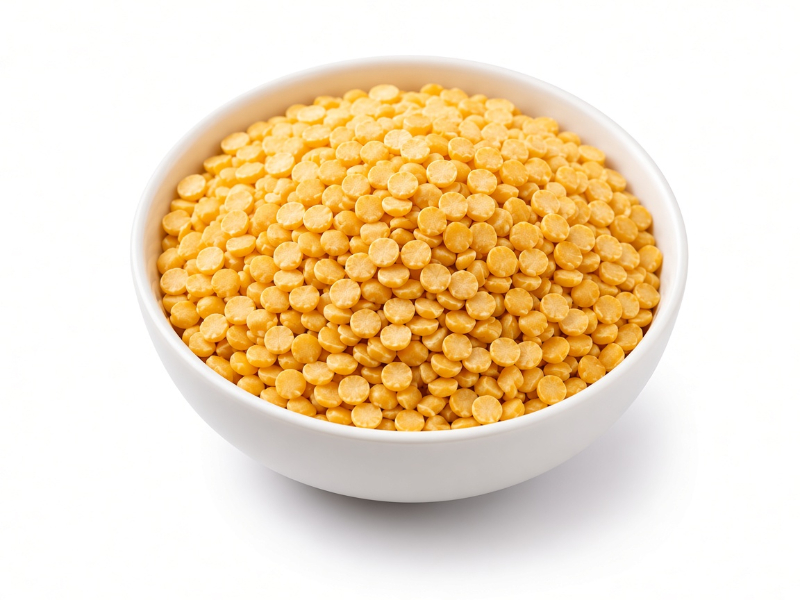
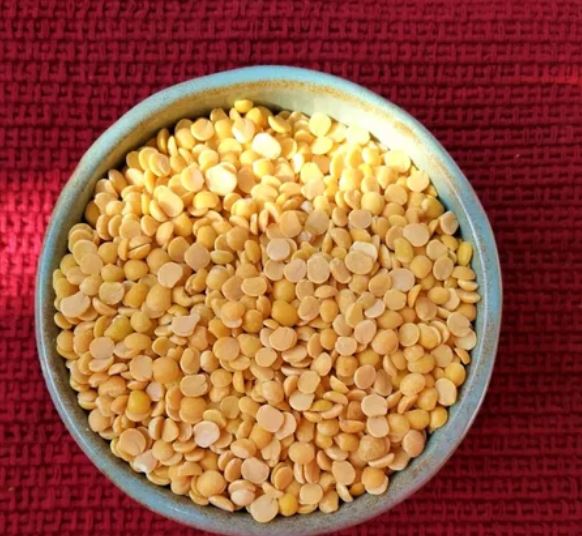
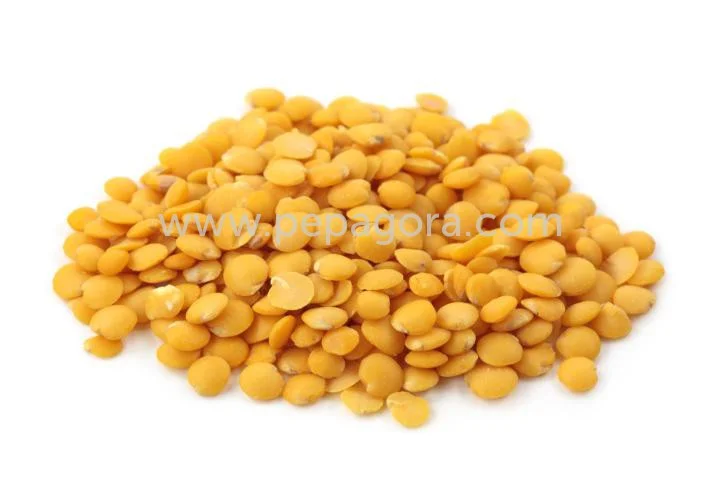
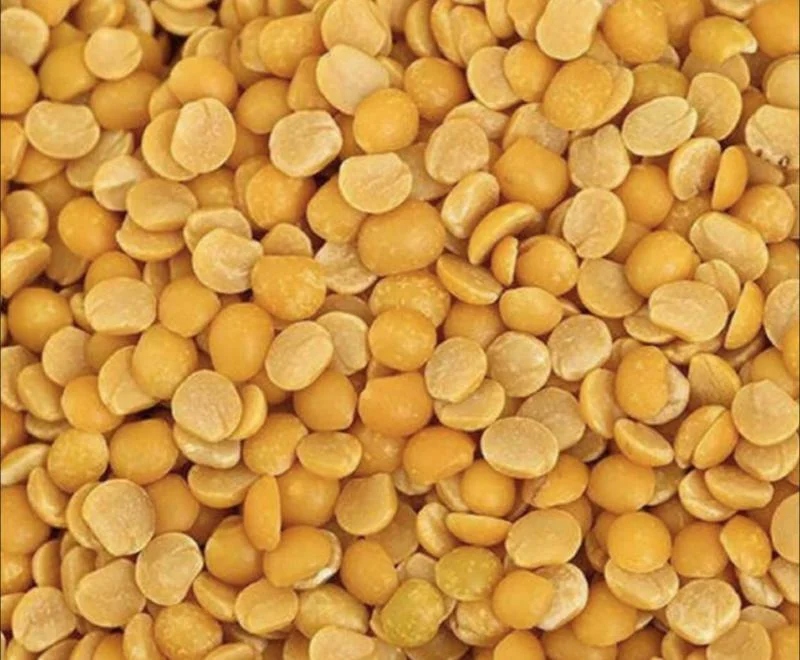
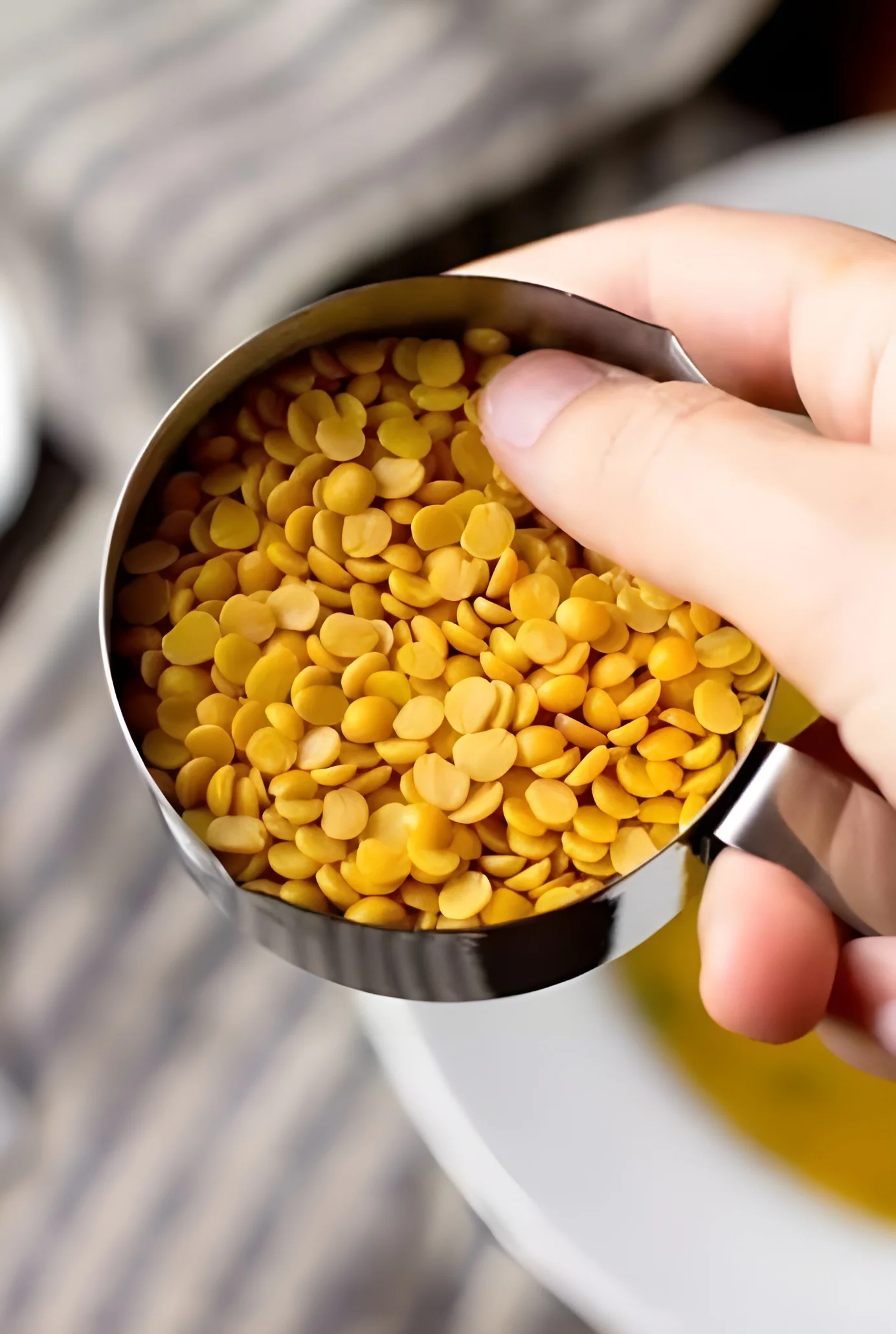
Split Toor Dal, also known as split pigeon peas, is a highly nutritious legume commonly used in various culinary applications. It is derived from the whole Toor Dal, which is hulled and split into two halves. This product is characterized by its yellow color, mild flavor, and easy digestibility, making it a popular choice in many households and food industries.
In terms of business applications, Split Toor Dal is widely utilized in the production of various food products, including soups, stews, and snacks. It serves as a significant source of protein, especially in vegetarian and vegan diets. The demand for Split Toor Dal has grown in recent years due to the increasing awareness of plant-based diets and the nutritional benefits of legumes. This growth places Split Toor Dal in a favorable position within the food and ingredient market.
The relevance of Split Toor Dal extends beyond culinary uses; it is also integral to several industries, including food processing, hospitality, and retail. The rising trend towards healthy eating and plant-based options continues to drive the market for this versatile legume, making it an essential product for businesses looking to cater to evolving consumer preferences.
Key Features and Specifications
Split Toor Dal has several key features that make it a preferred choice for various applications. Its nutritional profile is rich in protein, fiber, vitamins, and minerals, contributing to a balanced diet. The product is also known for its versatility, allowing it to be incorporated into a variety of recipes.
Key specifications include:
1. Nutritional Content
- High in protein (approximately 25% by weight)
- Rich in dietary fiber
2. Color and Appearance
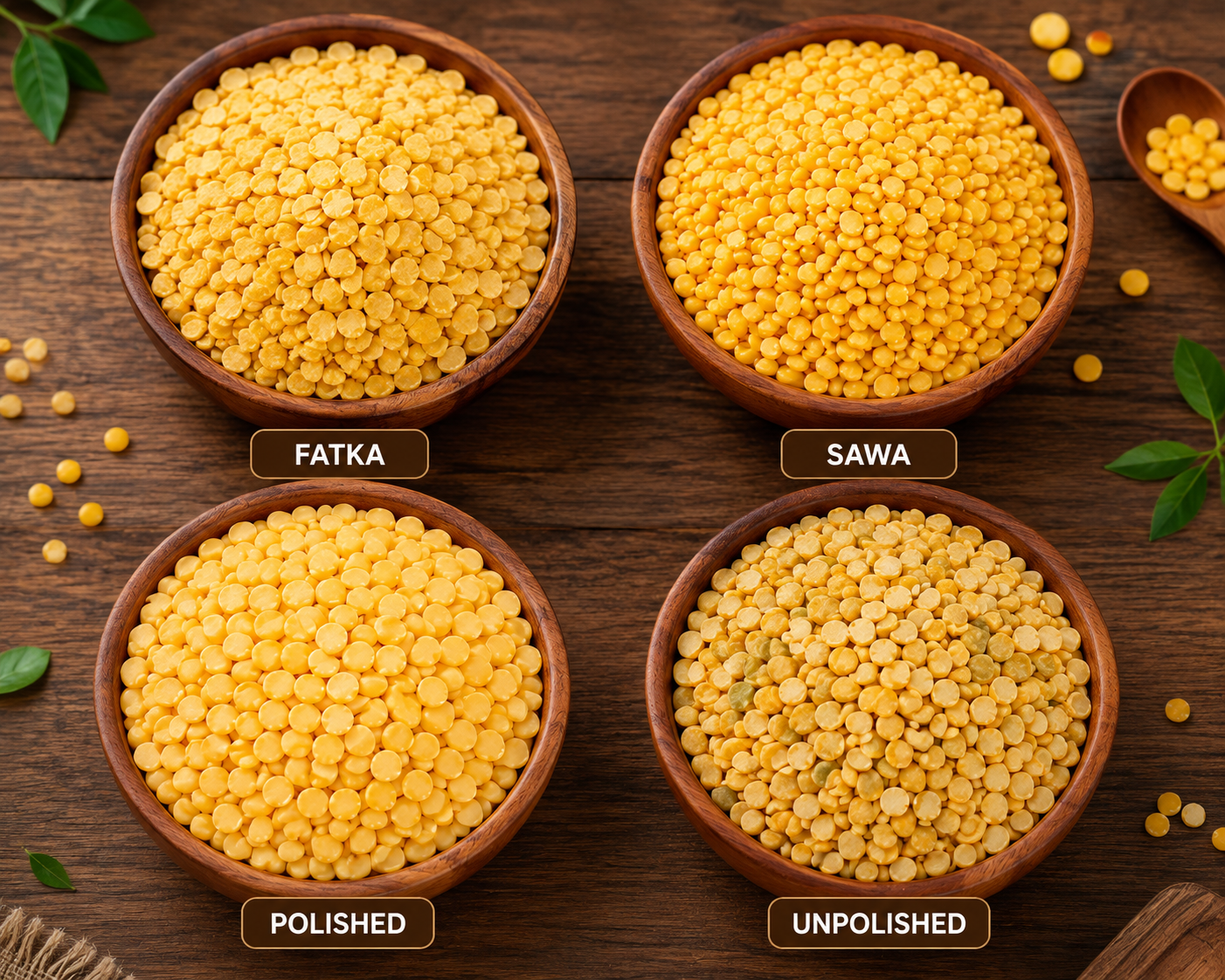
- Bright yellow hue
- Split and hulled to ensure quality
3. Packaging Options
- Available in bulk packaging (25 kg, 50 kg)
- Retail packaging options for consumer markets
4. Shelf Life
- Typically has a shelf life of 12 months when stored properly
- Requires cool, dry storage conditions
5. Origin
- Sourced from various regions known for legume cultivation
- Typically available throughout the year
6. Processing Standards
- Processed in facilities adhering to food safety regulations
- Subject to hygiene and quality control measures
7. Certification
- CE certified for compliance with European standards
8. Minimum Order Quantity (MOQ)
- Varies by supplier but generally around 500 kg for bulk orders
In summary, the specifications of Split Toor Dal highlight its nutritional benefits, quality, and versatility, making it an ideal ingredient for many businesses.
Common Applications and Use Cases
Split Toor Dal finds applications across various industries, serving as a staple ingredient in many culinary traditions.
1. Food Processing: Used in the manufacturing of instant mixes, soups, and ready-to-eat meals, Split Toor Dal enhances nutritional value and flavor.
2. Restaurant and Catering: Many chefs use Split Toor Dal in traditional dishes such as dal tadka and curries, catering to vegetarian customers and health-conscious diners.
3. Snack Production: It is often processed into snacks and protein bars, appealing to health-focused consumers looking for nutritious options.
4. Bakery: Split Toor Dal can be used in gluten-free baking, adding protein and fiber to baked goods.
5. Nutraceuticals: The high protein content makes it suitable for dietary supplements and health food products.
6. Export Markets: Split Toor Dal is a significant export product for countries like India, catering to global markets focused on plant-based diets.
7. Agriculture: Farmers cultivate Split Toor Dal as a rotational crop to improve soil health and promote sustainable farming practices.
Product Variants and Subcategories
Split Toor Dal offers diverse variants catering to different market needs.
Organic Split Toor Dal: This variant is grown without the use of synthetic pesticides or fertilizers, appealing to health-conscious consumers and organic food markets. It is often certified organic and carries a premium price.
Conventional Split Toor Dal: This is the standard variant that is widely available. It is suitable for various applications and is typically more affordable compared to organic options.
Split Toor Dal Flour: This product is made from ground Split Toor Dal and is used in gluten-free cooking and baking. It can be utilized in various recipes, including pancakes and breads.
Benefits and Advantages
Split Toor Dal provides several advantages for businesses and consumers alike.
Key benefits include:
1. Nutritional Value: It is a rich source of protein and fiber, making it a healthy addition to meals.
2. Versatility: Split Toor Dal can be used in numerous recipes, from traditional dishes to modern snacks, catering to diverse culinary needs.
3. Easy Preparation: It cooks quickly, making it convenient for both home cooks and food manufacturers.
4. Cost-Effectiveness: Split Toor Dal is generally affordable, providing a high nutritional return for the investment.
5. Sustainable Sourcing: Many suppliers focus on sustainable farming practices, supporting environmental health.
6. Dietary Adaptability: It is suitable for various diets, including vegetarian, vegan, and gluten-free, expanding its market reach.
Buying Guide for B2B Buyers
When sourcing Split Toor Dal, businesses should consider several critical factors to ensure they select the right product and supplier.
1. Quality Assessment: Look for suppliers who provide samples and detailed nutritional information. Ensure that the product meets quality standards and is free from contaminants.
2. Supplier Verification: Conduct background checks on suppliers to confirm their reliability and reputation in the market. Reviews and certifications can help gauge their credibility.
3. Pricing and MOQ: Understand the pricing structure and minimum order quantities. Compare offers from multiple suppliers to ensure competitive pricing.
4. Delivery and Lead Times: Discuss logistics and expected delivery times. Ensure that the supplier can meet your operational timelines to avoid disruptions.
5. Compliance Requirements: Verify that the product complies with relevant food safety and quality regulations, including certifications such as CE, to ensure marketability.
Compliance and Certifications
Split Toor Dal is subject to various compliance and certification standards that ensure its quality and safety. Relevant quality standards include ISO 9001, which ensures consistent quality management systems, and HACCP, which focuses on food safety management.
Industry certifications such as CE indicate that the product meets European health and safety requirements, making it suitable for international trade. Suppliers must also adhere to safety and testing requirements, ensuring that the product is free from harmful substances and contaminants.
Regional compliance considerations are essential, particularly for exporters. Different regions may have specific regulations regarding the import and sale of food products. Understanding these requirements is crucial for businesses operating in multiple markets.
Why Source Split Toor Dal from Pepagora?
Pepagora offers a trusted platform for sourcing Split Toor Dal, providing several key advantages for buyers in the B2B market.
Verified Supplier Network: Pepagora connects businesses with a network of verified suppliers, ensuring that buyers can source quality products with confidence. Each supplier undergoes a thorough vetting process to guarantee reliability.
Streamlined RFQ Process: The platform simplifies the request for quotation process, allowing buyers to quickly compare prices and product specifications from multiple suppliers, saving time and effort.
Trade Assurance and Support: Pepagora provides trade assurance to protect buyers, ensuring that transactions are secure and that products meet the agreed-upon standards. This support fosters trust between buyers and suppliers.
Regional Coverage: With a strong presence in India, the GCC, and Southeast Asia, Pepagora facilitates access to a broad market, enabling businesses to source Split Toor Dal regardless of their geographic location. This regional coverage enhances the platform's appeal to diverse businesses looking to expand their product offerings.





Frequently Asked Questions
What are Split Toor Dal?
Split Toor Dal, also known as Arhar Dal, is a type of lentil that is split and hulled, making it easy to cook and digest. It is a staple ingredient in many Indian households and is rich in protein, dietary fiber, and essential nutrients.
What are the different types of Split Toor Dal?
There are primarily two types of Split Toor Dal: the yellow variety and the orange variety. The yellow Split Toor Dal is more commonly used in Indian cuisine, while the orange variety has a slightly different taste and texture.
How do I choose the right Split Toor Dal?
When choosing Split Toor Dal, look for a uniform color and size, indicating quality and freshness. Additionally, check for the absence of any foreign particles or damage to the grains, as these can affect both taste and nutritional value.
What are the standard specifications for Split Toor Dal?
The standard specifications for Split Toor Dal include moisture content, protein percentage, and the absence of impurities. Typically, high-quality Split Toor Dal should have a moisture content of less than 14% and a protein content of around 22%.
What is the price range for Split Toor Dal?
The price of Split Toor Dal can vary based on quality, sourcing, and market demand. Generally, it ranges from INR 80 to INR 150 per kilogram in India.
What quality standards apply to Split Toor Dal?
Quality standards for Split Toor Dal are defined by parameters such as moisture content, color, and the presence of foreign matter. It is essential to adhere to FSSAI regulations and international standards for food safety and quality.
Where can I find Split Toor Dal suppliers in India?
You can find Split Toor Dal suppliers in India through online B2B marketplaces like Pepagora, trade shows, and local agricultural fairs. Additionally, contacting local wholesalers or distributors can also yield reliable suppliers.
Can Split Toor Dal be customized?
Yes, Split Toor Dal can be customized in terms of packaging and branding according to specific business requirements. Some suppliers may also offer variations in processing methods to cater to different culinary needs.
What is the typical minimum order quantity for Split Toor Dal?
The typical minimum order quantity (MOQ) for Split Toor Dal varies by supplier but usually ranges from 25 to 100 kilograms. It's advisable to confirm the MOQ directly with the supplier for specific orders.
What is the typical lead time for Split Toor Dal?
The typical lead time for Split Toor Dal orders can range from 7 to 15 days, depending on the supplier's stock and processing capabilities. It is recommended to check with the supplier for exact delivery timelines.
Why Businesses Trust Pepagora
Thousands of companies trust Pepagora to source smarter and sell faster
Expand Your Sales Globally

Source Smarter,Grow Faster
