IN
IN₹
Apparel & Fashion
Description
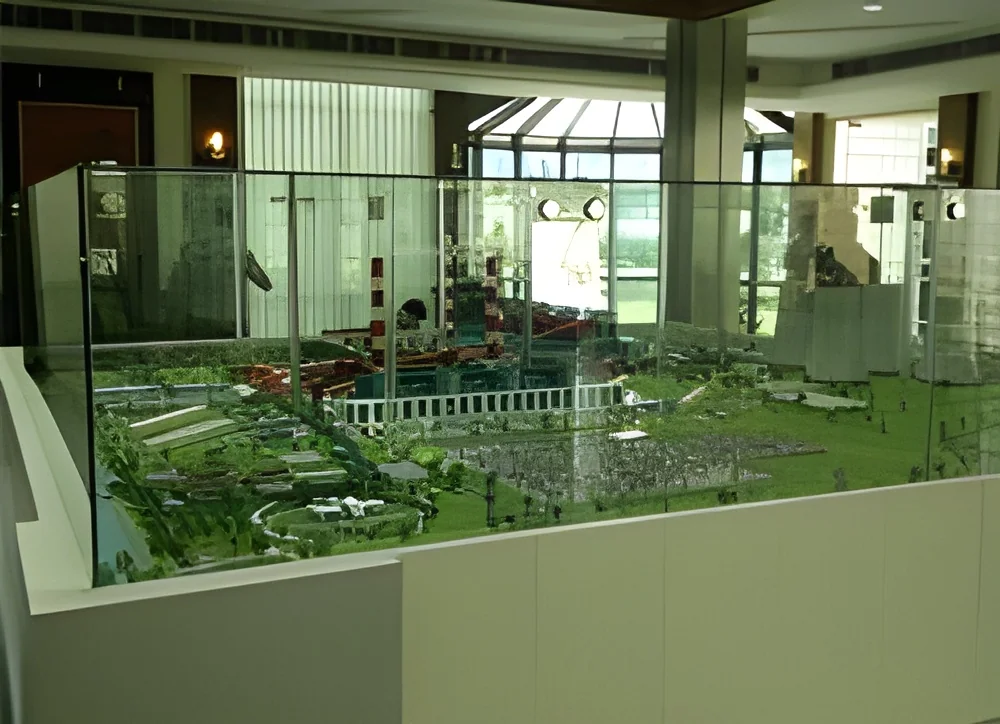
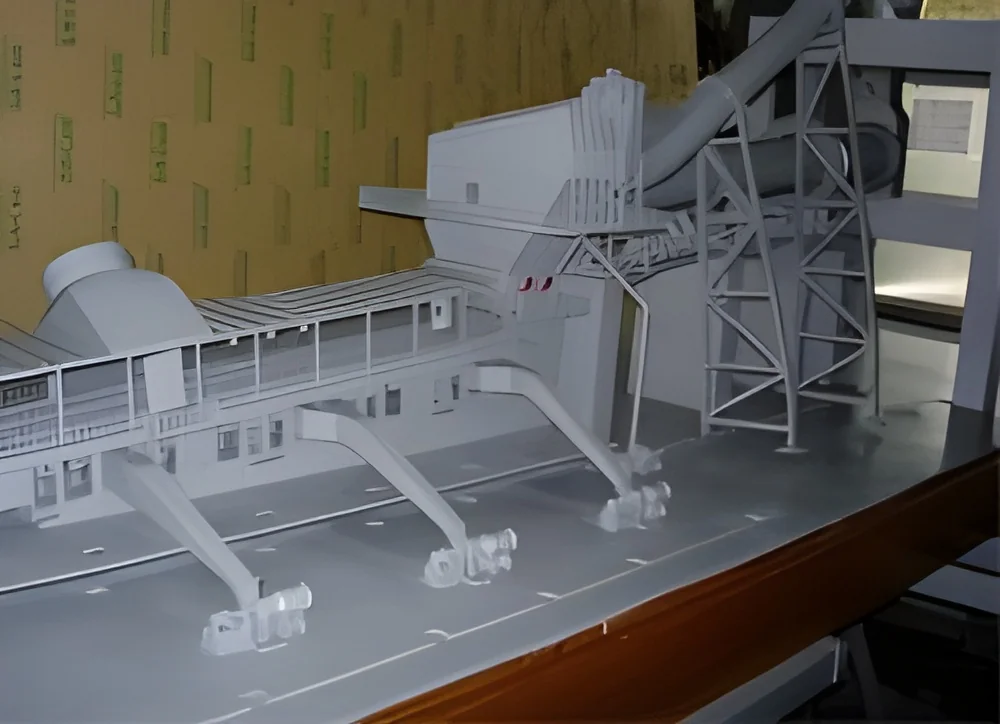
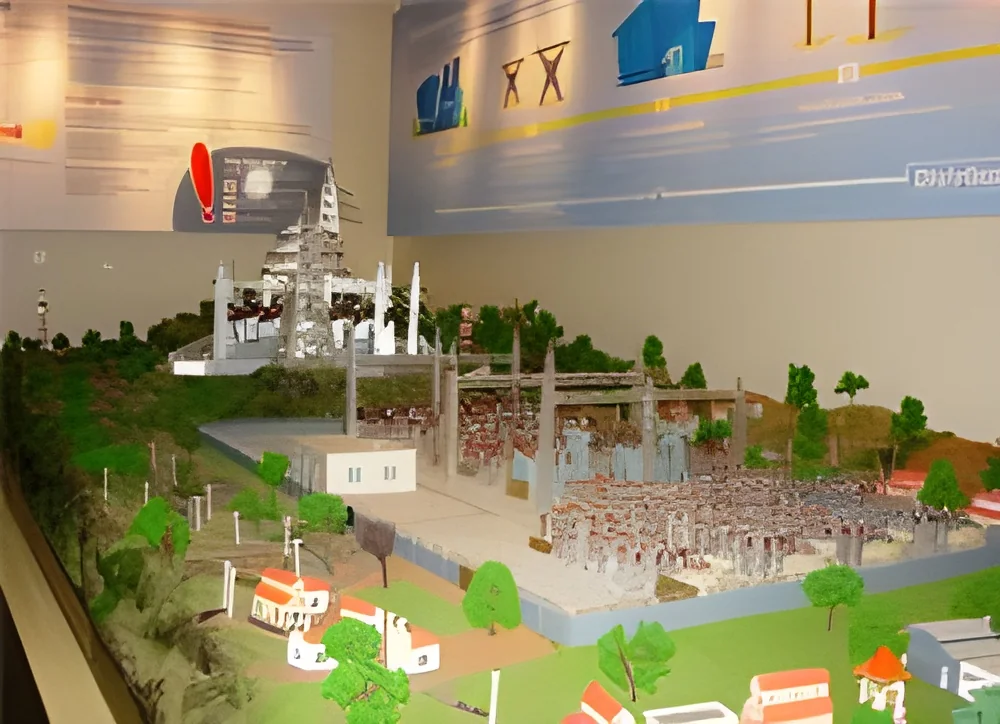
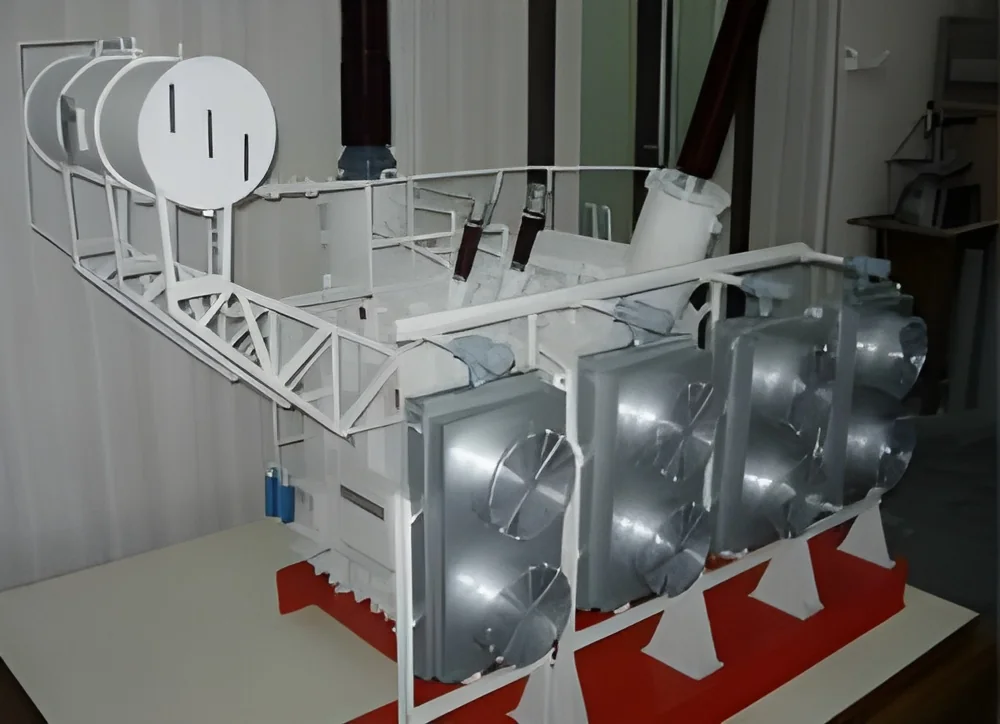
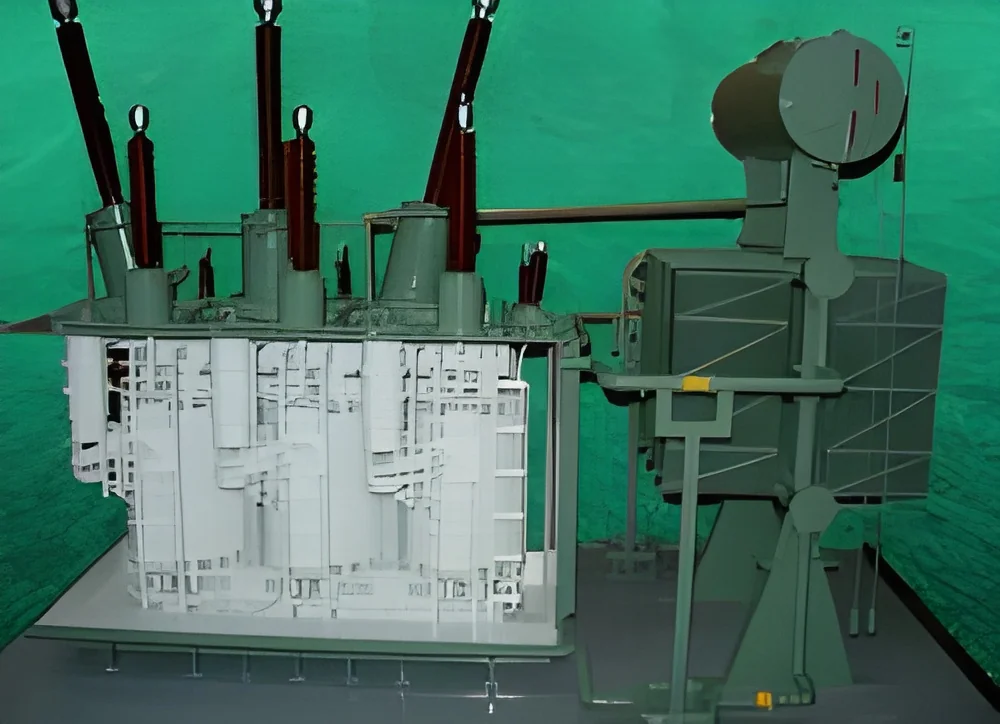
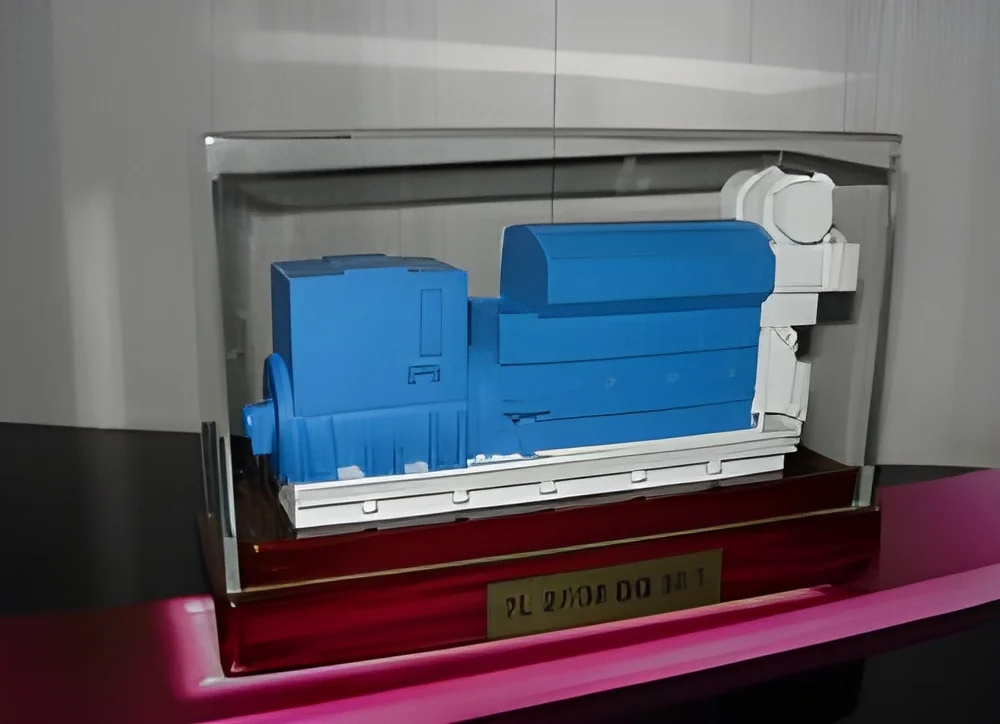
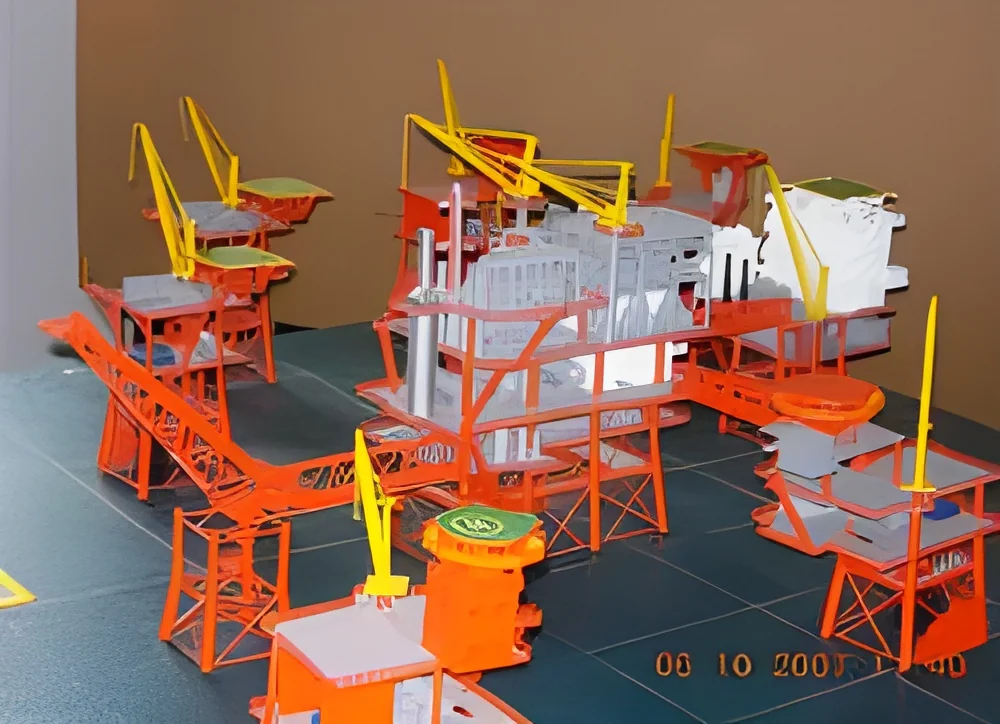
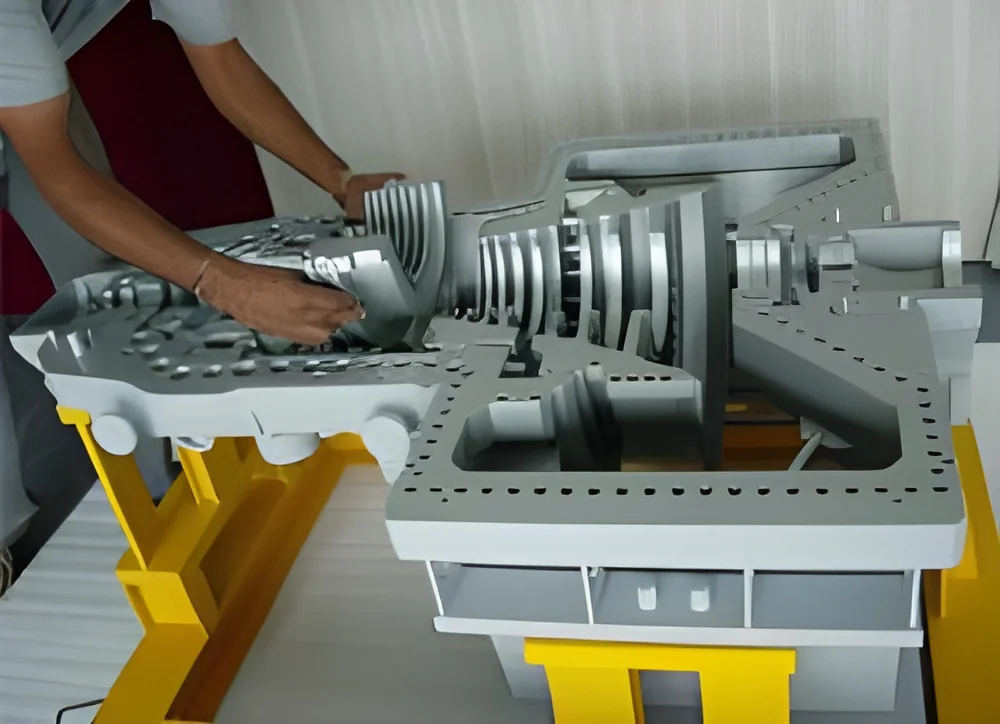
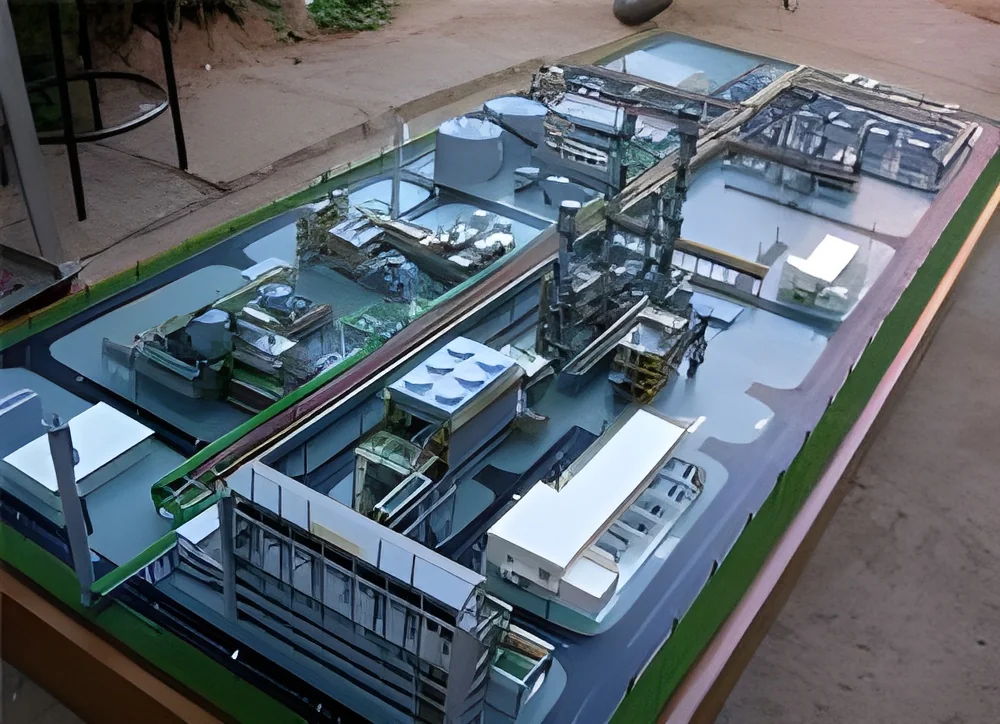
Professional plant models provide precise visual representation for industrial planning and project presentations. These high-quality scale models transform complex technical concepts into tangible formats that facilitate clear communication during boardroom meetings and stakeholder consultations. Built with meticulous attention to detail, they accurately depict industrial layouts, machinery placement, and operational workflows. Their reliable construction ensures they withstand repeated use while maintaining visual integrity, making them indispensable tools for project managers and engineering teams who need to demonstrate facility designs before implementation.

These models serve critical functions across multiple industrial sectors including manufacturing plants, processing facilities, and infrastructure development projects. Steel plants utilize them for production line optimization and expansion planning, while cement manufacturers rely on them for process flow visualization. Edu...
Professional plant models provide precise visual representation for industrial planning and project presentations. These high-quality scale models transform complex technical concepts into tangible formats that facilitate clear communication during boardroom meetings and stakeholder consultations. Built with meticulous attention to detail, they accurately depict industrial layouts, machinery placement, and operational workflows. Their reliable construction ensures they withstand repeated use while maintaining visual integrity, making them indispensable tools for project managers and engineering teams who need to demonstrate facility designs before implementation.

These models serve critical functions across multiple industrial sectors including manufacturing plants, processing facilities, and infrastructure development projects. Steel plants utilize them for production line optimization and expansion planning, while cement manufacturers rely on them for process flow visualization. Educational institutions incorporate these models into engineering curricula to provide students with hands-on learning experiences. Infrastructure developers use them for technology park planning and industrial complex design, ensuring all stakeholders can visualize the final implementation before construction begins.

The business value of these plant models lies in their ability to reduce planning errors and associated revision costs through accurate visualization. They enhance project communication efficiency, saving valuable meeting time and ensuring all parties share a common understanding of project scope. Their durable construction provides long-term reliability, making them cost-effective investments that can be utilized across multiple projects. The precise scaling enables accurate spatial planning, helping organizations optimize facility layouts for maximum operational efficiency. These models ultimately support better decision-making by providing concrete visual references that technical and non-technical stakeholders can equally comprehend.

Key Features:
- High-quality materials ensuring durability and longevity
- Precise scaling for accurate spatial representation
- Detailed craftsmanship showing machinery and layouts
- Lightweight construction for easy transportation
- Industry-standard specifications and measurements

Benefits:
- Reduces planning errors and revision costs
- Enhances stakeholder communication and alignment
- Supports informed decision-making processes
- Provides long-term reliability for multiple projects
- Facilitates better spatial planning and workflow optimization
Specifications
| Additional Information | |
|---|---|
| Country of Origin | India |
Application
These professional plant models transform complex industrial concepts into tangible visual tools for project planning and stakeholder alignment. They enable clear communication of technical layouts during critical presentations, helping teams visualize operational workflows and spatial relationships before construction begins. Their precision supports informed decision-making across engineering, manufacturing, and infrastructure development sectors.
Industries rely on these detailed scale models for accurate facility planning and educational demonstrations. From factory floor optimization to campus infrastructure development, these models provide concrete visual references that reduce misinterpretation and planning errors. They serve as essential tools for project managers, engineers, and educators who need to communicate complex industrial setups effectively.
- Steel plant layout planning for production optimization
- Cement manufacturing facility process visualization
- Industrial complex spatial arrangement and workflow design
- Engineering education and technical training programs
- IT campus and technology park infrastructure planning
Trade Details
| Available Stock | In Stock |
| Sample Availability | No |
Payment Terms
| Payment Terms |
|
Company Profile

Precise Engineering Models Pvt Ltd, Karnataka
 Karnataka, India
Karnataka, IndiaConstruction•Manufacturer•Importer / Exporter
Factory Details
Factory Size1000-5000 sqm
Annual Production Capacity0
Main Markets
North America
Oceania
Northern Europe
South America
Mid East
Southern Europe
Eastern Europe
Eastern Asia
South Asia
Southeast Asia
Western Europe
Africa
Central America
Domestic
Professional Plant Models For Presentations And Industrial Planning
Professional plant models for industrial planning and presentations. High-quality scale models for steel plants, cement factories, and infrastructure projects. Reliable visualization tools for accurate project demonstrations and stakeholder communications.
Min. Order Quantity: 1 unit
Shipping
Shipping fee and delivery date to be negotiated. Contact supplier now for more details.
Precise Engineering Models Pvt Ltd
 Karnataka, India
Karnataka, IndiaConstructionManufacturer