IN
IN₹
Apparel & Fashion
Description
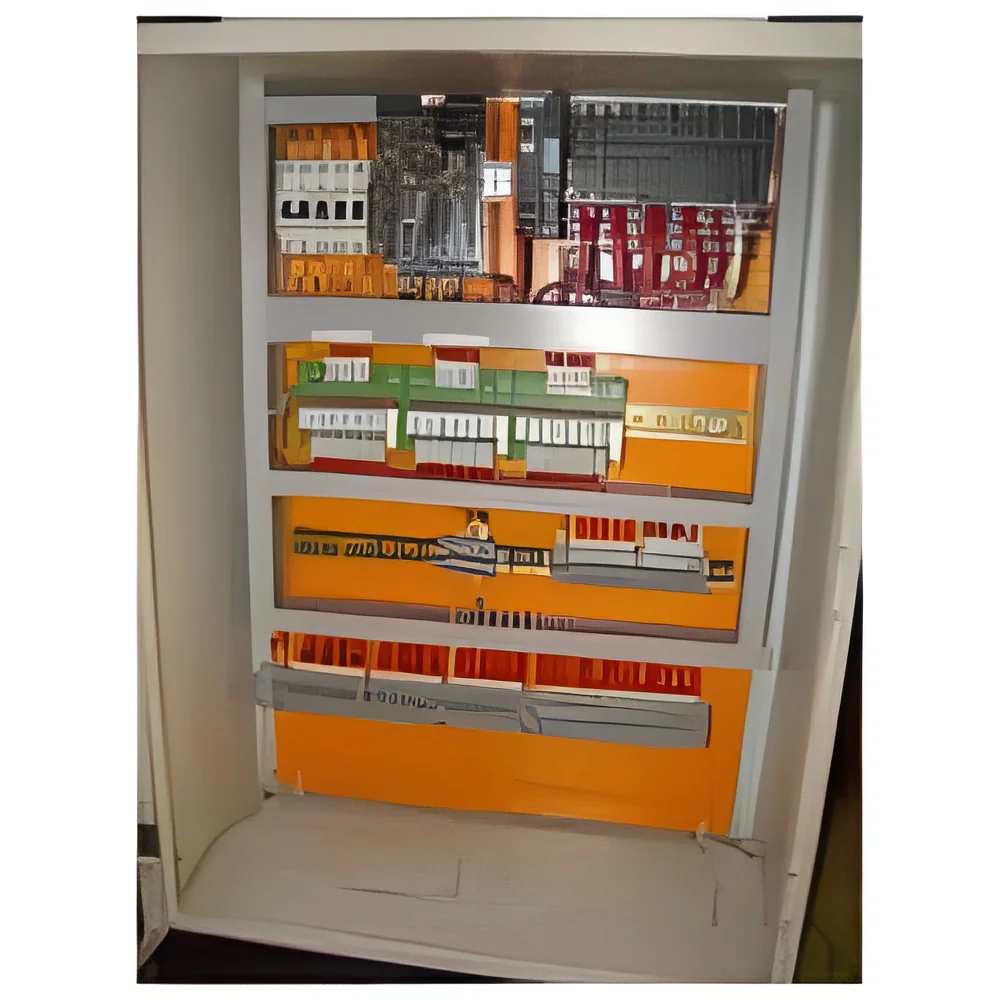
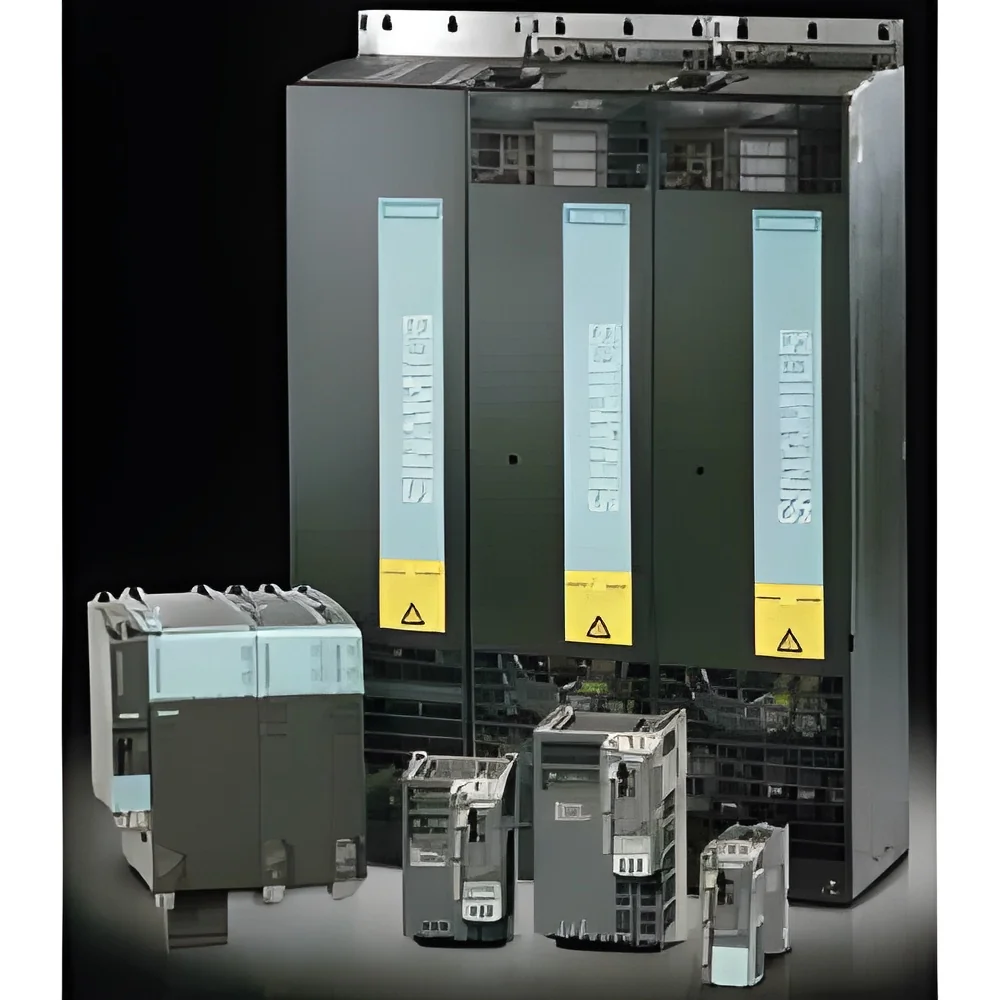
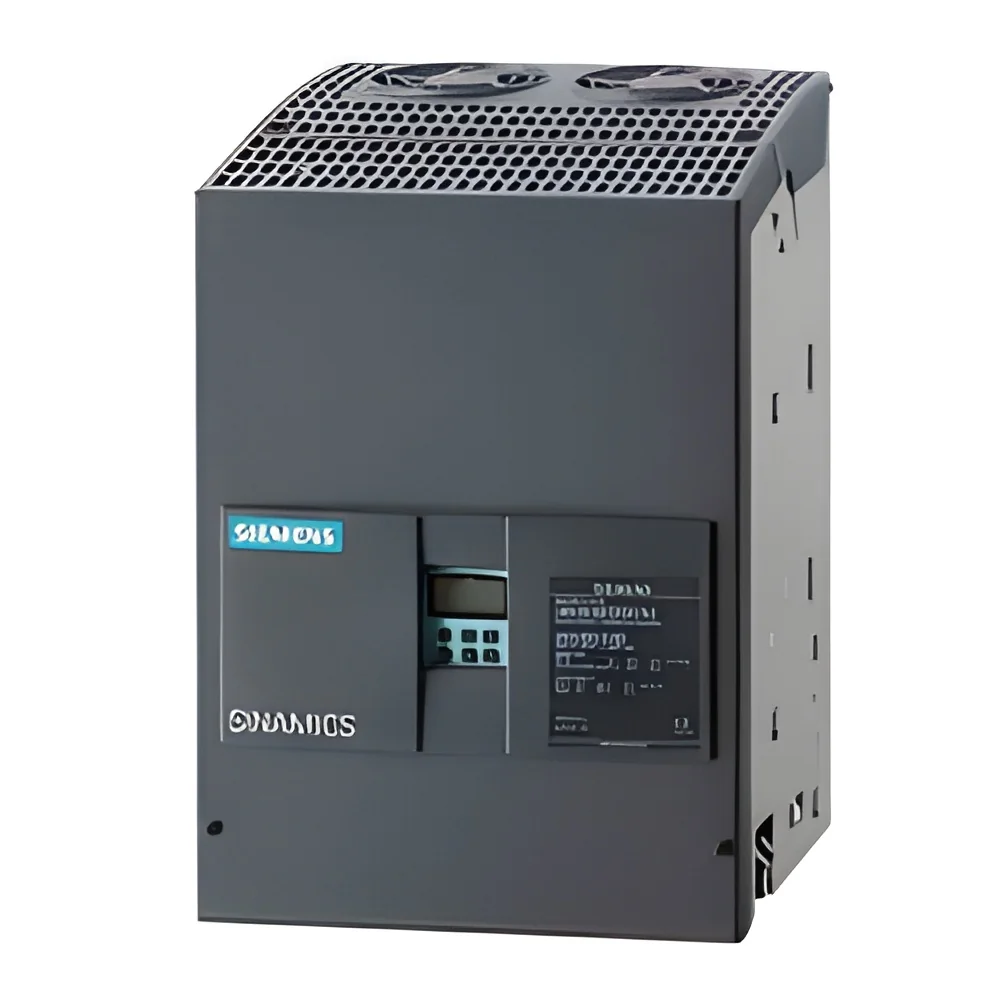
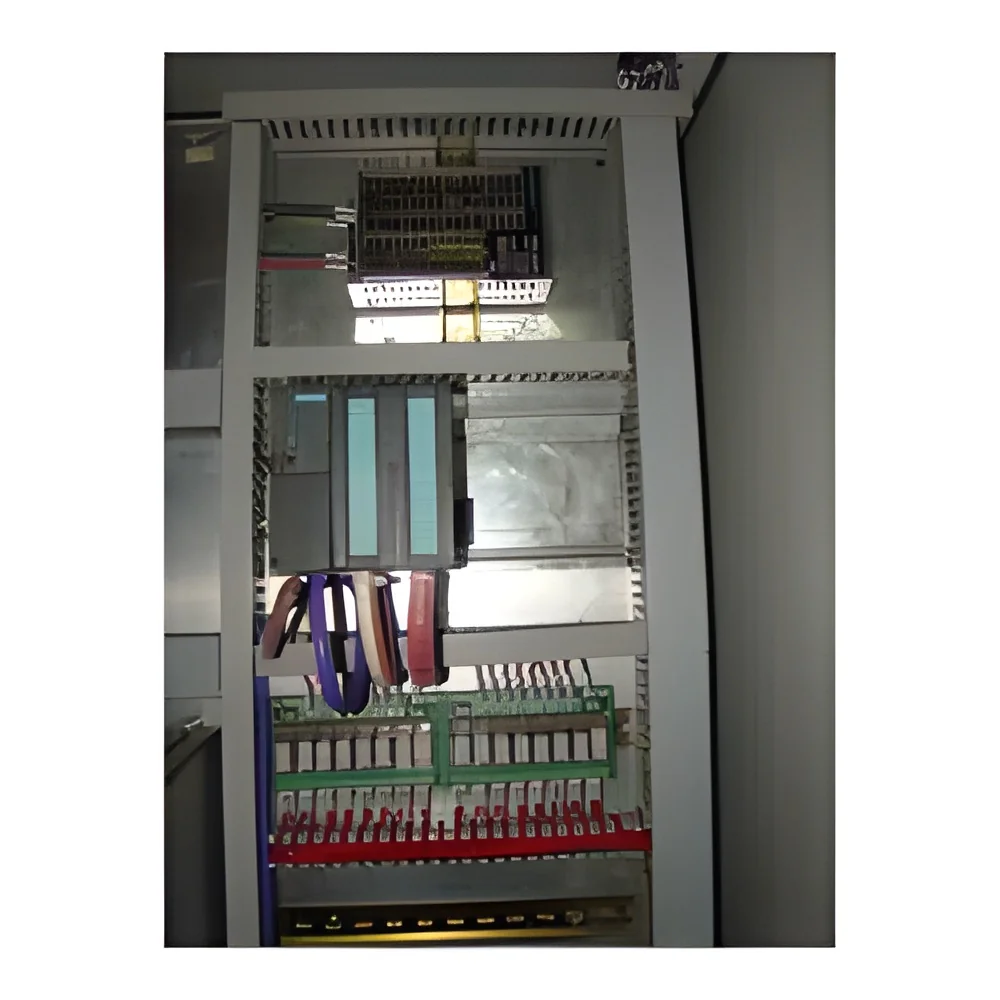
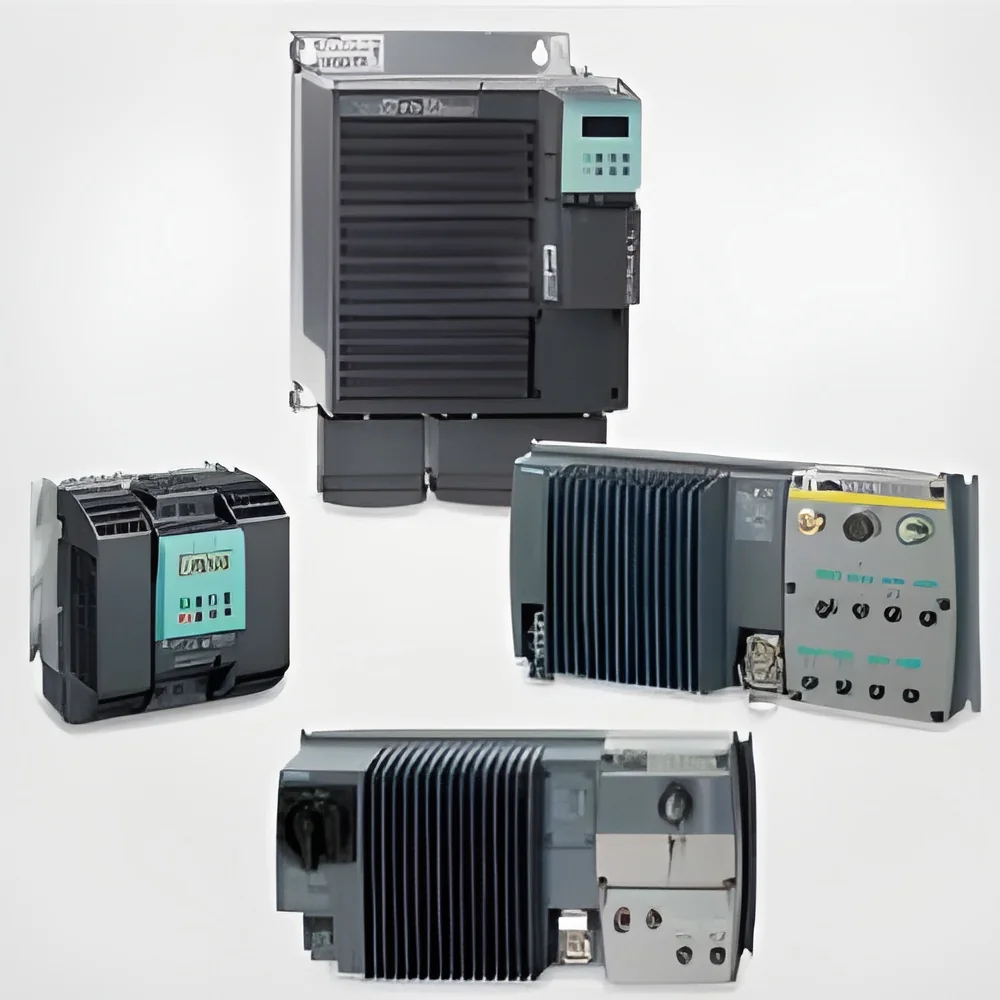
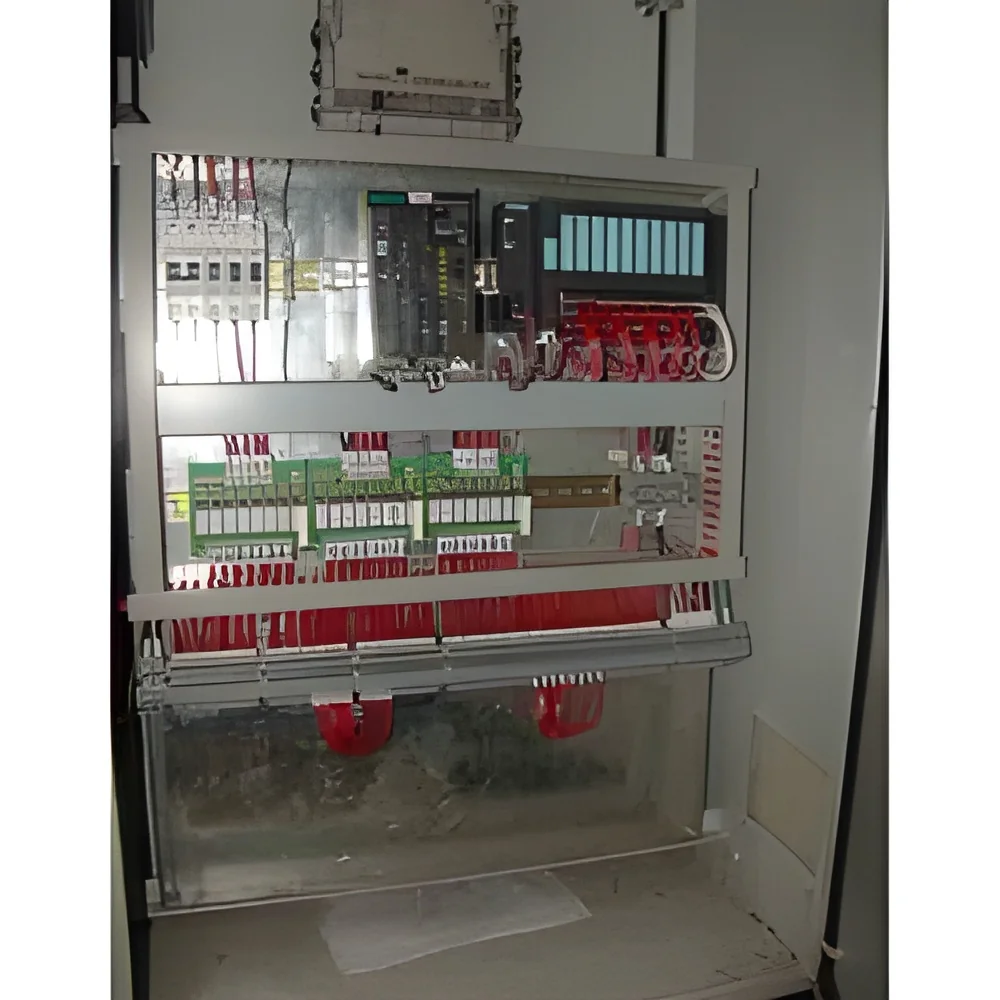
Industrial Automation Remote I/O Panels are engineered to bridge the gap between centralized control systems and distributed field devices. By functioning as remote termination stations, they collect data from sensors and execute commands for actuators located far from the main control room. This is achieved using high-performance electronics that support a wide range of digital and analog signals, communicating seamlessly with Programmable Logic Controllers (PLCs) and Distributed Control Systems (DCS) via industry-standard protocols like Modbus TCP, Profinet, and EtherNet/IP. The core design philosophy prioritizes reliability and signal integrity, minimizing the voltage drop and noise associated with long cable runs. This results in a more accurate, responsive, and stable automation network that forms the backbone of modern industrial operations.

These panels find extensive application across diverse sectors where reliable, distributed control is non-negotiable. In manufacturing, the...
Industrial Automation Remote I/O Panels are engineered to bridge the gap between centralized control systems and distributed field devices. By functioning as remote termination stations, they collect data from sensors and execute commands for actuators located far from the main control room. This is achieved using high-performance electronics that support a wide range of digital and analog signals, communicating seamlessly with Programmable Logic Controllers (PLCs) and Distributed Control Systems (DCS) via industry-standard protocols like Modbus TCP, Profinet, and EtherNet/IP. The core design philosophy prioritizes reliability and signal integrity, minimizing the voltage drop and noise associated with long cable runs. This results in a more accurate, responsive, and stable automation network that forms the backbone of modern industrial operations.

These panels find extensive application across diverse sectors where reliable, distributed control is non-negotiable. In manufacturing, they are the nerve centers for production lines, connecting everything from simple limit switches to complex vision systems. The oil and gas industry deploys them in harsh, remote locations to monitor pipelines and wellheads, ensuring safe and efficient extraction and transport. Water and wastewater treatment plants rely on them for the precise control of pumps, valves, and chemical feeds. Furthermore, their rugged construction makes them suitable for the demanding environments of mining, renewable energy farms (solar and wind), and pharmaceutical production, where consistent performance under temperature extremes, humidity, and vibration is critical for uninterrupted operation.

The business value of these Remote I/O Panels is substantial and multi-faceted. Their primary economic benefit is a dramatic reduction in installation costs, saving up to 60% on cabling and conduit expenses alone. This is complemented by lower long-term maintenance costs due to simplified troubleshooting and modular design. Their inherent reliability, backed by robust enclosures rated for harsh conditions (IP65/IP67), translates directly into reduced system downtime and higher overall equipment effectiveness (OEE). The panels offer exceptional scalability, allowing operations to expand control points without overhauling the core infrastructure. This future-proofing, combined with energy-efficient operation that lowers the total cost of ownership, delivers a compelling and rapid return on investment for businesses focused on optimizing productivity and operational expenditure.

Key Features:
- High-performance data acquisition with support for both analog (4-20mA, 0-10V) and digital (24VDC) I/O signals for versatile connectivity.
- Energy-efficient design with optimized power consumption and minimal heat generation, reducing cooling requirements.
- Rugged, industrial-grade enclosure offering protection against dust, water, and corrosion, suitable for harsh environments.
- Flexible integration with major industrial communication protocols including Modbus TCP/IP, Profinet, and EtherNet/IP for seamless network compatibility.
- Proven reliability with components selected for long-term stability and performance in demanding operational conditions.

Benefits:
- Significant reduction in installation and material costs by minimizing long-distance cabling between field devices and the central control system.
- Enhanced system scalability and flexibility, allowing for easy expansion or reconfiguration of automation points as operational needs evolve.
- Improved signal integrity and reduced electrical noise, leading to more accurate data collection and reliable control commands.
- Simplified maintenance and troubleshooting with centralized diagnostics and modular, easily accessible components.
- Increased operational uptime and productivity through robust, dependable performance that withstands challenging industrial environments.
Specifications
| Additional Information | |
|---|---|
| Country of Origin | India |
Application
Remote I/O Panels act as distributed termination hubs, strategically placed near clusters of machinery to gather data from sensors and actuators. They transmit this information to central PLC or DCS systems via robust industrial networks, drastically simplifying wiring architecture and reducing long cable runs. This localized approach enhances signal integrity and minimizes electrical interference across the facility.
These panels are indispensable for industries with equipment spread over large areas or operating in challenging environments. They enable real-time monitoring and control where centralizing all input/output points is impractical or cost-prohibitive. Their deployment is critical for maintaining operational continuity, safety, and efficiency in sectors that rely on precise, distributed automation and data collection.
- Automating assembly lines and robotic cells in automotive and electronics manufacturing plants by connecting proximity switches, photoelectric sensors, and motor controllers.
- Monitoring critical parameters like pressure, temperature, and flow in remote oil and gas pipelines and offshore platforms for process control and safety shutdowns.
- Controlling pump stations, chemical dosing systems, and filter backwash sequences in municipal water and wastewater treatment facilities.
- Managing material handling systems, including conveyor belts, sorters, and automated storage/retrieval systems in logistics and warehouse operations.
- Integrating environmental monitoring and safety interlocks for HVAC, fire alarm, and access control systems in large commercial buildings and data centers.
Trade Details
| Available Stock | In Stock |
| Sample Availability | No |
Payment Terms
| Payment Terms |
|
Company Profile
Active Systems, Maharashtra
 Maharashtra, India
Maharashtra, IndiaIndustrial Equipment & Machinery•Manufacturer•Distributor / Wholesaler•Importer / Exporter
Factory Details
Factory SizeBelow 1000 sqm
Annual Production Capacity0
Industrial Automation Remote I/O Panels High Performance Energy Efficient
High-performance Industrial Automation Remote I/O Panels deliver reliable, energy-efficient data acquisition, significantly reducing cable costs and installation complexity for manufacturing, oil & gas, and water treatment facilities.
Min. Order Quantity: 1 unit
Shipping
Shipping fee and delivery date to be negotiated. Contact supplier now for more details.
Active Systems
 Maharashtra, India
Maharashtra, IndiaIndustrial Equipment & MachineryManufacturer