
 IN
Rayon & Viscose Fibers
3 products available
What are Rayon & Viscose Fibers?
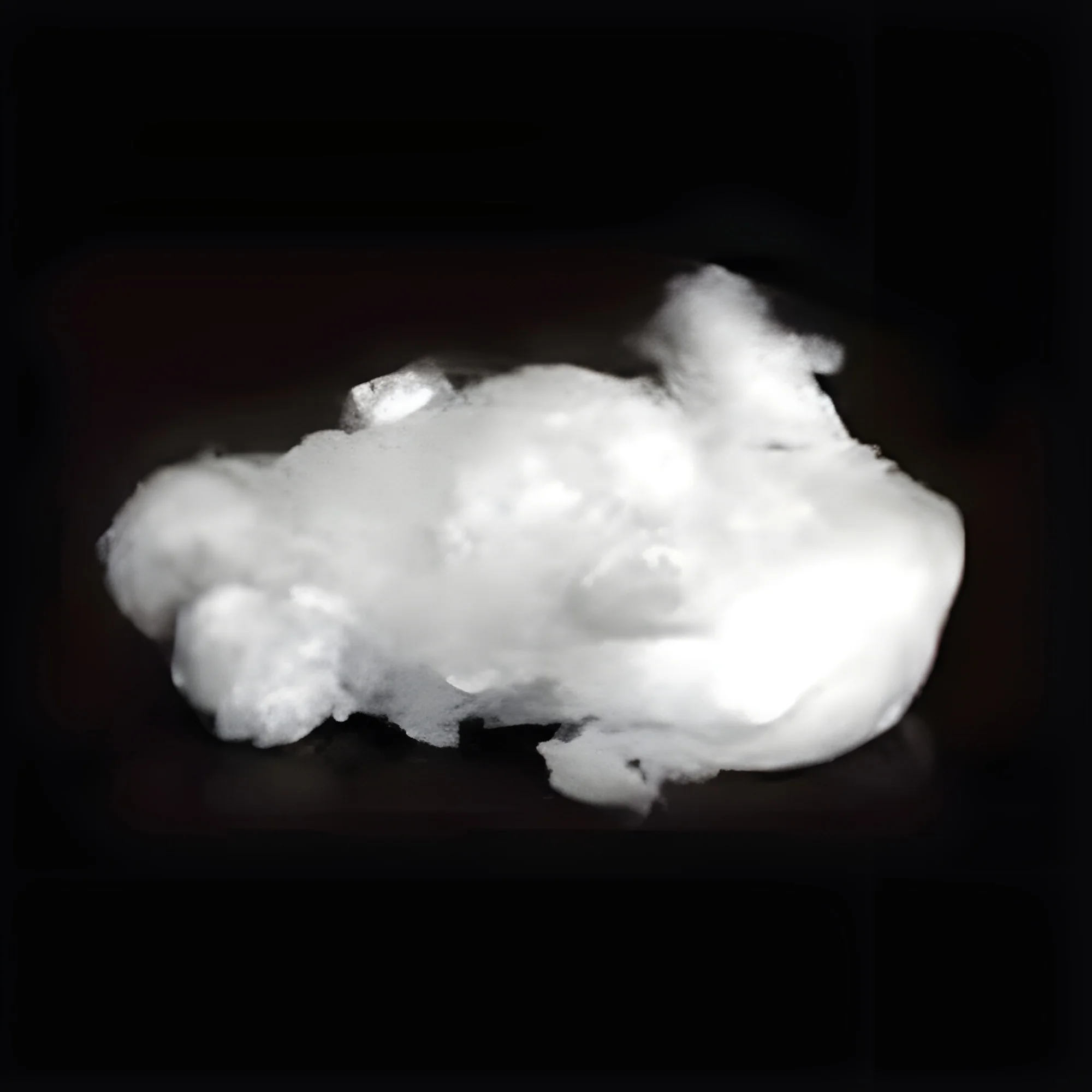
Rayon and viscose fibers are semi-synthetic fibers made from regenerated cellulose. They are derived from natural sources such as wood pulp or cotton linters, which undergo a chemical process to produce fibers. These fibers are known for their softness, breathability, and versatility, making them a popular choice in the textile industry.
Rayon and viscose fibers find applications across various sectors, including apparel, home textiles, and industrial products. They are commonly used to create clothing items such as dresses, blouses, and linings due to their smooth texture and ability to drape well. Additionally, they are utilized in household textiles like bed linens and curtains, as well as in non-woven products such as wipes and medical textiles. The market for these fibers is substantial, driven by the growing demand for sustainable and eco-friendly materials.
As the textile industry evolves, rayon and viscose fibers maintain their relevance. With increasing consumer awareness about sustainable sourcing, these fibers are gaining traction as a biodegradable alternative to synthetic fibers. The market dynamics are influenced by factors such as fashion trends, environmental regulations, and technological advancements in fiber production.
Key Features and Specifications
Rayon and viscose fibers are characterized by several key features that make them suitable for various applications. Understanding these specifications is crucial for businesses looking to integrate these fibers into their products.
Key specifications include:
1. Fiber Composition
- Made primarily from regenerated cellulose
- Derived from natural sources like wood pulp
2. Absorbency
- Excellent moisture absorption properties
- Ideal for clothing and home textiles
3. Softness
- Soft and smooth to the touch
- Provides comfort in apparel applications
4. Drapeability
- Flows and drapes well
- Suitable for structured and flowing garments
5. Dye Affinity
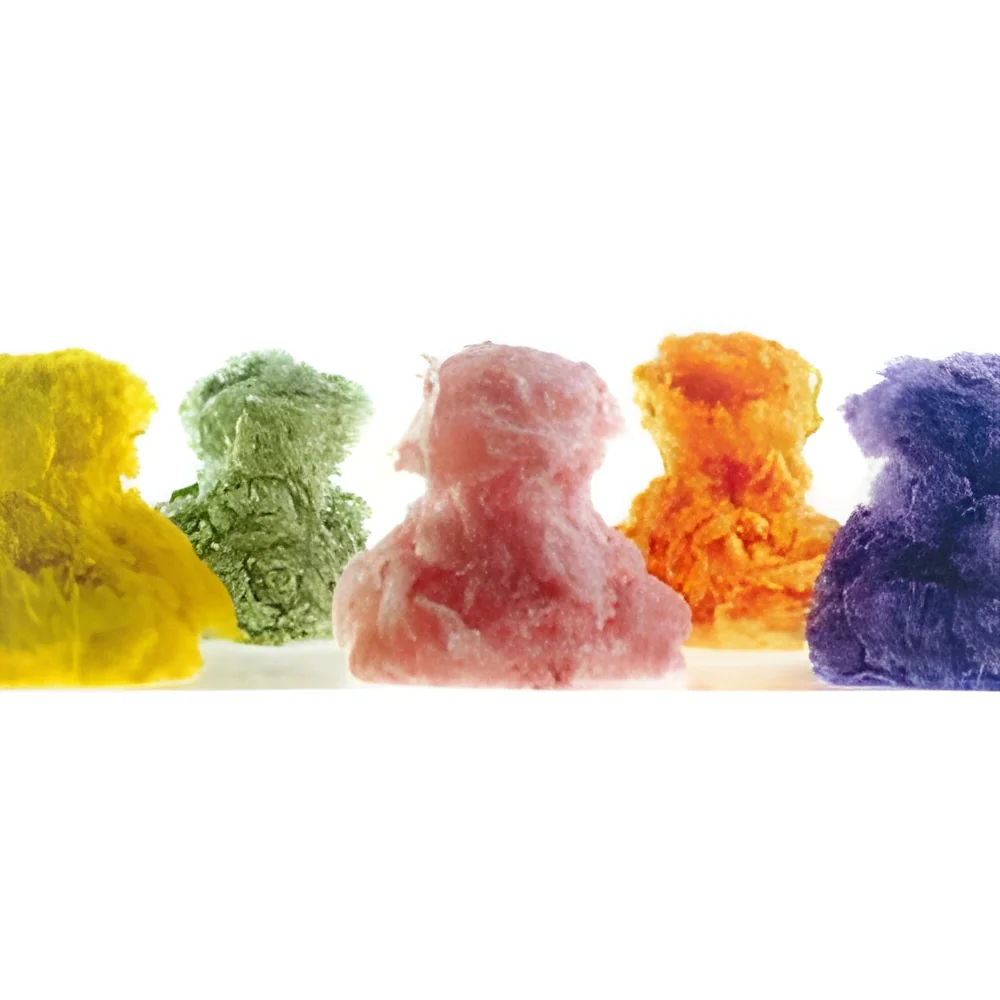
- Easily accepts dyes for vibrant colors
- Versatile for various dyeing techniques
6. Biodegradability
- Environmentally friendly option
- Breaks down naturally over time
7. Thermal Properties
- Provides good thermal insulation
- Suitable for both warm and cool climates
8. Resistance to Wrinkles
- Naturally wrinkle-resistant
- Reduces the need for ironing in garments
In summary, rayon and viscose fibers offer a combination of desirable properties that make them highly versatile in the textile industry.
Common Applications and Use Cases
Rayon and viscose fibers are utilized in a wide range of industries, showcasing their versatility and functionality.
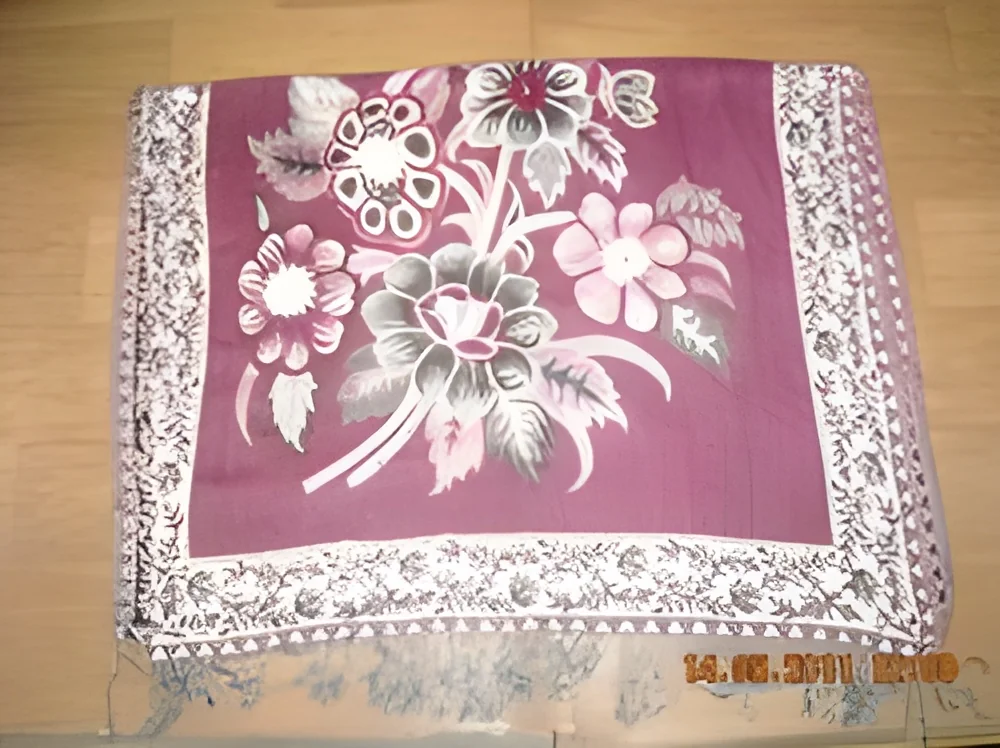
1. Apparel Industry: Rayon is commonly used in clothing items such as dresses, blouses, and linings. Its softness and drape make it a favorite among fashion designers.
2. Home Textiles: Viscose fibers are prevalent in products like curtains, bed linens, and upholstery. They enhance the aesthetic appeal and comfort of home furnishings.
3. Non-Woven Products: Rayon is used in the production of non-woven textiles, including wipes and medical applications. Its absorbency and softness are advantageous in these contexts.
4. Industrial Applications: These fibers are employed in various industrial products, such as filtration materials and insulation. Their durability and performance characteristics make them suitable for demanding environments.
5. Eco-Friendly Products: With a growing focus on sustainability, rayon and viscose are increasingly used in eco-friendly products, appealing to environmentally conscious consumers.
Product Variants and Subcategories
Rayon and viscose fibers come in diverse forms to meet specific market needs and applications. This diversity allows manufacturers to choose the best variant for their products.
Regular Rayon: This is the most common form of rayon fiber. It is known for its softness and smooth texture, making it suitable for everyday clothing and home textiles.
High Wet Modulus Rayon: This variant has enhanced strength when wet, making it ideal for applications where durability is essential, such as in industrial textiles.
Viscose Staple Fiber: This form is used predominantly in the production of spun yarns. It blends well with other fibers and is commonly utilized in knit and woven fabrics.
Benefits and Advantages
Choosing rayon and viscose fibers offers several advantages for manufacturers and end-users alike.
Key benefits include:
1. Sustainability: Made from renewable resources, rayon and viscose fibers are biodegradable, reducing environmental impact.
2. Comfort: The softness and breathability of these fibers enhance wearer comfort in clothing applications.
3. Versatility: Their ability to blend with other fibers allows for a wide range of textile products.
4. Aesthetic Appeal: These fibers have excellent dye affinity, resulting in vibrant colors and beautiful designs.
5. Cost-Effectiveness: Rayon and viscose fibers are generally more affordable compared to pure silk or other luxury fibers.
6. Performance: With good thermal properties and moisture absorption, they are suitable for various climates and applications.
Buying Guide for B2B Buyers
When sourcing rayon and viscose fibers, there are several important factors to consider to ensure alignment with business needs.
1. Quality Assessment: Evaluate the quality of the fibers based on strength, softness, and moisture absorption. Request samples to conduct thorough testing.
2. Supplier Verification: Vet potential suppliers by checking their credentials, certifications, and customer reviews to ensure reliability.
3. Pricing and MOQ: Understand the pricing structure and minimum order quantities (MOQ) required by suppliers to plan your budget effectively.
4. Delivery and Lead Times: Discuss logistics and expected lead times with suppliers to ensure timely delivery of products.
5. Compliance Requirements: Be aware of any regulatory requirements related to fiber sourcing and ensure that suppliers comply with industry standards.
Compliance and Certifications
Rayon and viscose fibers are subject to various quality standards and certifications that ensure safety and performance in end-use applications.
Relevant quality standards include ISO 9001, which focuses on quality management systems, and HACCP, which addresses food safety in specific applications. CE certification indicates compliance with European standards, ensuring that products meet safety and health requirements.
Safety and testing requirements are essential to verify the integrity of the fibers, especially in applications like medical textiles. Additionally, regional compliance considerations may vary, requiring suppliers to adhere to local regulations in different markets.
Why Source Rayon & Viscose Fibers from Pepagora?
Pepagora offers a reliable platform for sourcing rayon and viscose fibers, equipped with several advantages that facilitate a smooth procurement process.
Verified Supplier Network: Pepagora has established a network of verified suppliers, ensuring that buyers can access high-quality products with confidence.
Streamlined RFQ Process: The platform simplifies the request for quotation (RFQ) process, allowing buyers to obtain competitive pricing and terms efficiently.
Trade Assurance and Support: Pepagora provides buyer protection through trade assurance, ensuring that transactions are secure and that buyers receive the products as promised.
Regional Coverage: With a strong presence in India, GCC, and Southeast Asia, Pepagora connects buyers with local suppliers, enhancing logistical efficiency and support.

 India
 India
Frequently Asked Questions
What are Rayon & Viscose Fibers?
Rayon and viscose fibers are semi-synthetic fibers made from regenerated cellulose. They are derived from natural sources such as wood pulp and are known for their softness, breathability, and excellent dyeing properties.
What are the different types of Rayon & Viscose Fibers?
There are several types of Rayon and viscose fibers, including regular viscose, high wet modulus (HWM) viscose, and modal. Each type varies in properties such as strength, moisture absorption, and texture, catering to different applications in textiles.
How do I choose the right Rayon & Viscose Fibers?
Choosing the right Rayon and viscose fibers depends on the intended application and desired characteristics, such as softness, durability, and drape. It is important to consider specifications like fiber type, denier, and finish to ensure they meet production requirements.
What are the standard specifications for Rayon & Viscose Fibers?
Standard specifications for Rayon and viscose fibers typically include fiber diameter, tensile strength, elongation at break, and moisture regain. These specifications ensure the fibers meet industry standards for quality and performance.
What is the price range for Rayon & Viscose Fibers?
The price range for Rayon and viscose fibers can vary based on factors such as quality, type, and supplier. Generally, prices can range from INR 100 to INR 300 per kilogram, depending on market conditions and specifications.
What quality standards apply to Rayon & Viscose Fibers?
Quality standards for Rayon and viscose fibers are governed by various organizations, including the International Organization for Standardization (ISO) and the American Association of Textile Chemists and Colorists (AATCC). Compliance with these standards ensures consistency and reliability in fiber performance.
Where can I find Rayon & Viscose Fibers suppliers in India?
You can find Rayon and viscose fiber suppliers in India through B2B marketplaces like Pepagora.com, industry trade shows, and textile manufacturing hubs. Online platforms provide access to a wide range of suppliers and manufacturers across the country.
Can Rayon & Viscose Fibers be customized?
Yes, Rayon and viscose fibers can be customized in terms of fiber length, fineness, and dyeing options to suit specific application needs. Manufacturers often offer customization services to meet the unique requirements of their clients.
What is the typical minimum order quantity for Rayon & Viscose Fibers?
The typical minimum order quantity (MOQ) for Rayon and viscose fibers varies by supplier but usually ranges from 100 to 500 kilograms. It is advisable to confirm MOQ details directly with the supplier before placing an order.
What is the typical lead time for Rayon & Viscose Fibers?
The typical lead time for Rayon and viscose fibers can vary based on the supplier and order size, usually ranging from 1 to 4 weeks. Factors such as stock availability and customization requests can also influence the delivery schedule.
Why Businesses Trust Pepagora
Thousands of companies trust Pepagora to source smarter and sell faster
Expand Your Sales Globally

Source Smarter,Grow Faster
