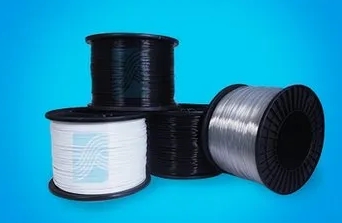
What are Nylon Fibers?
Nylon fibers are synthetic polymers that are known for their strength, resilience, and versatility. They are made from polyamide, which is a type of plastic that is created through a chemical process involving the polymerization of amides. This process yields a fiber that is lightweight yet incredibly durable, making nylon a popular choice in many industrial applications.
Nylon fibers are utilized in various business applications, including textiles, automotive components, and industrial products. They are commonly found in clothing, upholstery, and carpets due to their resistance to wear and tear. Additionally, nylon is used in manufacturing ropes, nets, and other durable goods. The industrial relevance of nylon is significant, as it plays a crucial role in sectors that require materials with high performance and reliability.
The global market for nylon fibers is expanding as industries seek innovative materials that enhance product performance. With the growing demand for sustainable and high-quality synthetic fibers, nylon continues to hold a vital position in the textiles and manufacturing sectors.
Key Features and Specifications
Nylon fibers are characterized by several key features that contribute to their widespread use across various industries. Understanding these specifications is essential for businesses looking to incorporate nylon fibers into their products.
Key specifications include:
1. Strength
- High tensile strength for durability
- Excellent abrasion resistance
2. Elasticity
- Ability to stretch without losing shape
- Recovery properties after deformation
3. Chemical Resistance
- Resistant to oils, greases, and solvents
- Maintains performance in various environments
4. Moisture Absorption
- Moderate moisture absorbency
- Quick drying properties
5. UV Resistance
- Protects against degradation from sunlight
- Suitable for outdoor applications
6. Colorfastness
- Retains color over time and through washing
- Offers a wide range of dyeing options
7. Thermal Properties
- Can withstand high temperatures without melting
- Flame-resistant options available
8. Lightweight
- Low density, making it easy to handle
- Reduces overall product weight
In summary, the features and specifications of nylon fibers make them an ideal choice for numerous applications, ensuring reliability and performance in demanding environments.
Common Applications and Use Cases
Nylon fibers find applications across various industries due to their unique properties and versatility.
1. Textiles: Nylon is widely used in clothing and fashion accessories. It provides strength and flexibility, making it ideal for activewear and outdoor apparel.
2. Automotive: In the automotive sector, nylon fibers are utilized in the manufacturing of seat covers, airbags, and interior components. Their durability and resistance to wear enhance vehicle longevity.
3. Industrial Products: Nylon is commonly used in the production of industrial ropes, nets, and conveyor belts. Its strength and resistance to chemicals make it suitable for heavy-duty applications.
4. Carpets and Upholstery: Nylon fibers are used in carpets and upholstery fabrics due to their resilience and ability to withstand high foot traffic.
5. Medical Devices: In the medical field, nylon is used in sutures and other devices due to its biocompatibility and strength.
6. Construction: Nylon fibers are incorporated into construction materials for added strength and flexibility, particularly in concrete reinforcement.
7. Sporting Goods: Nylon is prevalent in sporting equipment, including backpacks and tents, thanks to its lightweight and durable characteristics.
Product Variants and Subcategories
Nylon fibers come in various forms, allowing businesses to choose the best fit for their specific applications. The diversity of products ensures that companies can find nylon fibers tailored to their needs.
Nylon 6
This variant is known for its excellent tensile strength and elasticity. It is commonly used in textiles and industrial applications due to its ability to withstand harsh conditions.
Nylon 66
Nylon 66 offers superior heat resistance and is often employed in automotive and electrical applications. Its durability makes it suitable for parts that require high performance under stress.
Nylon 12
Nylon 12 features low moisture absorption and enhanced chemical resistance. It is ideal for applications in the oil and gas industry, where exposure to harsh substances is common.
Benefits and Advantages
Choosing nylon fibers provides several key benefits that enhance product performance and sustainability.
1. Durability: Nylon fibers are highly resistant to wear and tear, making them ideal for long-lasting applications.
2. Versatility: The adaptability of nylon allows it to be used in a wide range of products across different industries.
3. Lightweight: Nylon's low density contributes to overall product efficiency, making it easier to handle and transport.
4. Quick Drying: The moisture management properties of nylon fibers enable quick drying, which is beneficial in textiles and outdoor gear.
5. Cost-Effectiveness: The longevity and durability of nylon fibers often lead to lower replacement costs, making them a cost-effective choice for manufacturers.
6. Customization: Nylon fibers can be tailored to meet specific requirements, including color, texture, and performance characteristics.
Buying Guide for B2B Buyers
When sourcing nylon fibers, businesses should consider several important factors to ensure they select the right supplier and product.
1. Quality Assessment: Evaluate the quality of nylon fibers based on tensile strength, elasticity, and resistance to wear. Look for samples to assess performance.
2. Supplier Verification: Vet suppliers by checking their credentials and industry reputation. Ensure they have experience in providing high-quality nylon fibers.
3. Pricing and MOQ: Compare pricing structures among suppliers and understand minimum order quantities. Consider the balance between cost and quality.
4. Delivery and Lead Times: Discuss logistics with suppliers to determine delivery schedules and lead times. Timeliness is crucial for maintaining production schedules.
5. Compliance Requirements: Ensure that the nylon fibers meet industry standards and regulations. Familiarize yourself with any specific compliance requirements relevant to your industry.
Compliance and Certifications
Nylon fibers are subject to various quality standards and certifications that ensure they meet industry requirements. Compliance with these standards is crucial for maintaining product integrity and safety.
Relevant quality standards include ISO 9001, which ensures consistent quality management processes. This standard is essential for suppliers to demonstrate their commitment to quality.
Additionally, certifications like CE indicate compliance with European safety standards, allowing for broader market access. Safety testing is vital, particularly for applications in textiles and medical devices, where fiber performance can affect user safety.
Regional compliance considerations may vary, so it is essential for buyers to understand the specific regulations in their geographic areas, especially when sourcing materials for international markets.
Why Source Nylon Fibers from Pepagora?
Pepagora provides a trusted platform for sourcing nylon fibers, offering several key advantages for businesses looking to procure high-quality materials.
Verified Supplier Network: Pepagora has established a network of verified suppliers, ensuring that buyers have access to reliable sources of nylon fibers. This vetting process builds confidence in product quality.
Streamlined RFQ Process: The platform features a user-friendly request for quotation (RFQ) system that simplifies the sourcing process. Buyers can easily compare offers from multiple suppliers, facilitating informed purchasing decisions.
Trade Assurance and Support: Pepagora offers buyer protection through its trade assurance program, providing peace of mind during transactions. This support helps mitigate risks associated with sourcing.
Regional Coverage: With a focus on regions such as India, the GCC, and Southeast Asia, Pepagora ensures that buyers can find suitable nylon fiber suppliers locally, reducing shipping costs and lead times. This geographic reach enhances the overall sourcing experience.

 IN
IN