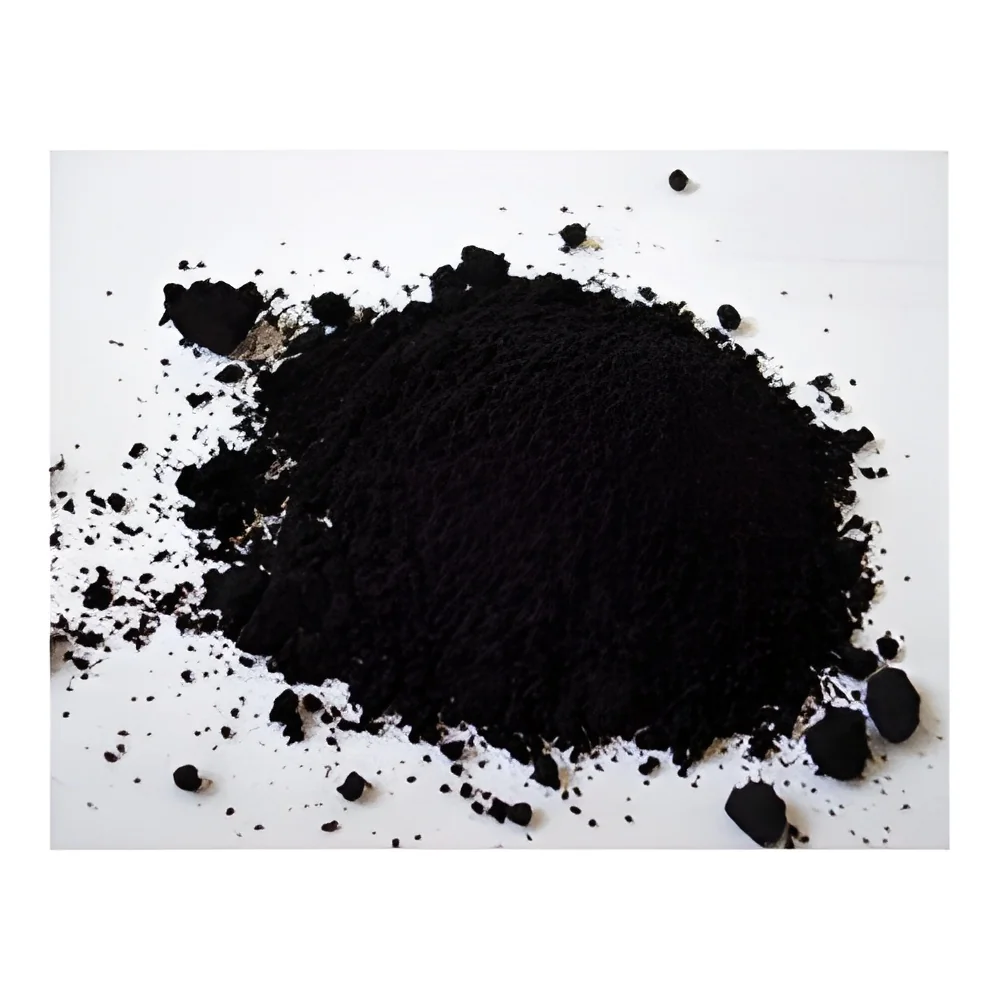
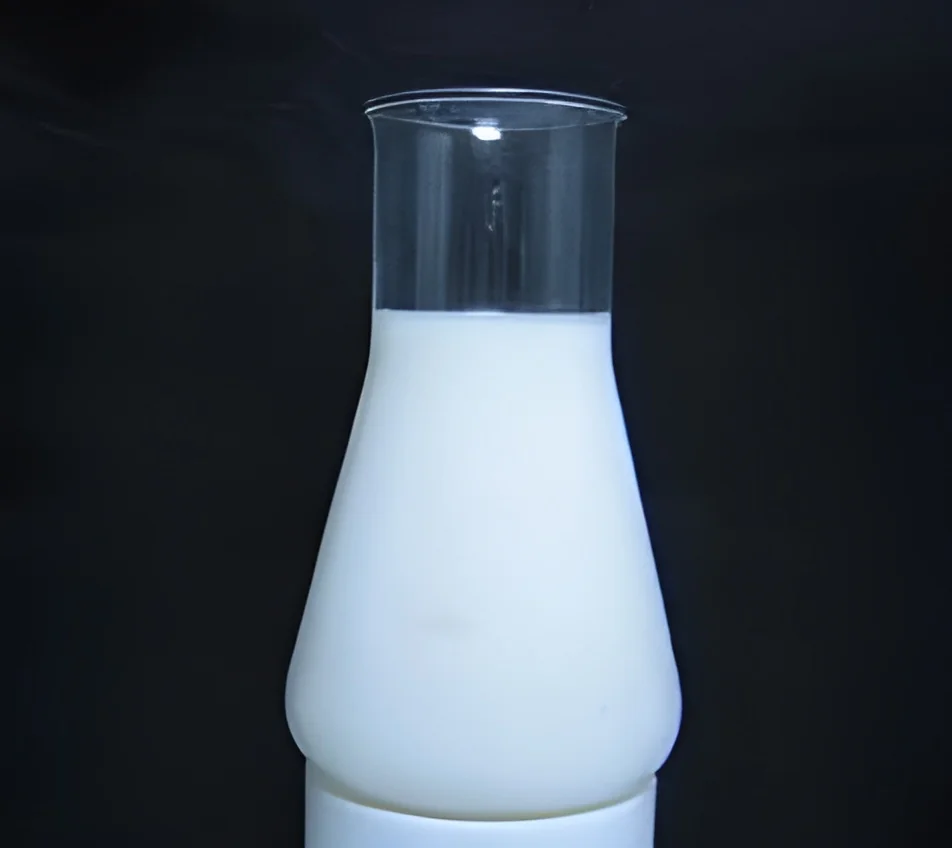
What are Textile Grade Chemicals?
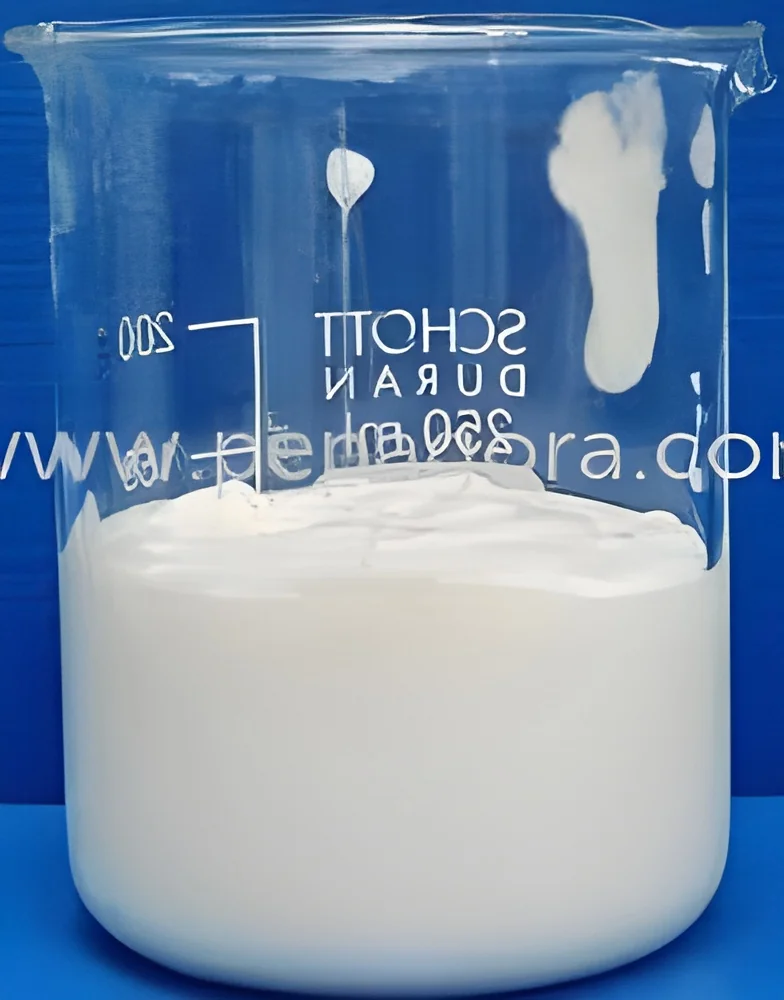
Textile grade chemicals are specialized chemical formulations designed for use in the textile industry. These chemicals play a vital role in various textile processes, including dyeing, finishing, and treatment of fabrics. They are engineered to enhance the properties of textiles, such as color, texture, and durability. By optimizing these characteristics, textile grade chemicals contribute to the overall quality and performance of fabrics.
The primary uses of textile grade chemicals span a wide range of applications within the industry. They are essential in processes such as pre-treatment, dyeing, finishing, and printing of textiles. Additionally, these chemicals can improve fabric performance by providing features like water resistance, stain resistance, and flame retardancy. As the textile industry continues to evolve with a growing demand for sustainable and high-performance materials, textile grade chemicals remain crucial in meeting these needs.
In the current market context, textile grade chemicals are increasingly recognized for their importance in sustainable textile manufacturing. With rising environmental concerns and stricter regulatory frameworks, businesses are focusing on eco-friendly chemical solutions. This shift is driving innovation in the development of new formulations that align with sustainability goals while maintaining performance standards.
Key Features and Specifications
Textile grade chemicals come with a variety of features and specifications that cater to the diverse needs of the textile industry. Understanding these specifications is essential for businesses looking to optimize their manufacturing processes.
Key specifications include:
1. Chemical Composition
- Specific formulations designed for different textile applications
- May include dyes, surfactants, and finishing agents
2. Performance Characteristics
- Enhanced properties such as colorfastness and durability
- Varying levels of resistance to water, stains, and UV light
3. Compatibility
- Suitability with various fabric types including natural and synthetic fibers
- Ability to work with different dyeing and finishing techniques
4. Environmental Impact
- Options available for biodegradable and eco-friendly formulations
- Compliance with environmental regulations and standards
5. pH Level
- Specific pH ranges tailored for particular textile processes
- Important for optimizing dye uptake and finishing results
6. Solubility
- Water-soluble and solvent-soluble options
- Impact on application methods and efficiency
7. Viscosity
- Viscosity ranges that affect application techniques such as spraying or dipping
- Influence on the ease of use and effectiveness in processes
In summary, understanding the key features and specifications of textile grade chemicals is vital for businesses to select the right products for their specific applications.
Common Applications and Use Cases
Textile grade chemicals find application across various sectors of the textile industry. Their versatility enables businesses to enhance product quality and performance.
1. Apparel Manufacturing: Textile grade chemicals are used for dyeing, finishing, and treating fabrics to create high-quality garments. They improve color retention and fabric feel, ensuring a better end product.
2. Home Textiles: Products such as curtains, upholstery, and bed linens utilize textile chemicals to achieve desired textures and durability. Chemicals enhance stain resistance and prolong the lifespan of these home goods.
3. Technical Textiles: Industries that require specialized textiles, such as automotive and medical, rely on textile grade chemicals for properties like flame retardancy and moisture management.
4. Carpet and Flooring: Chemicals are used in the production of carpets and flooring materials to provide stain resistance and easy maintenance, improving the longevity of these products.
5. Nonwovens: In the manufacturing of nonwoven fabrics, textile grade chemicals help enhance bonding and durability, making them suitable for various applications.
6. Industrial Textiles: Applications in filtration, insulation, and protective clothing utilize textile chemicals to improve performance under specific conditions.
7. Sports and Activewear: Chemical treatments enhance moisture-wicking properties and breathability, making them ideal for performance-oriented textiles used in sports apparel.
Product Variants and Subcategories
Textile grade chemicals are available in various forms to cater to specific industry needs. These variants ensure that businesses can find the right solution for their applications.
Dyes
Dyes are used to impart color to fabrics and are available in different types, including reactive, disperse, and acid dyes. Each type has unique properties suited for various fabric types and dyeing processes.
Finishing Agents
These agents enhance the surface properties of textiles, providing features like wrinkle resistance, softening, and water repellency. They are crucial for achieving the desired feel and performance of the fabric.
Surfactants
Surfactants are used to improve the wetting and dispersion of dyes and other chemicals during the dyeing process. They play a key role in achieving uniform color distribution and fabric treatment.
Antimicrobial Agents
These chemicals are applied to textiles to inhibit microbial growth, making them suitable for medical and hygiene applications. They ensure that fabrics remain fresh and odor-free.
Benefits and Advantages
Textile grade chemicals offer several benefits that enhance the overall quality and performance of textile products.
1. Improved Fabric Performance: These chemicals enhance properties like durability, stain resistance, and colorfastness, leading to higher quality textiles.
2. Customization Options: Various formulations allow businesses to tailor properties to meet specific requirements, ensuring optimal performance in diverse applications.
3. Sustainability: Eco-friendly formulations help businesses adhere to environmental regulations and meet consumer demand for sustainable products.
4. Cost Efficiency: High-quality textile chemicals can reduce waste and improve production efficiency, ultimately lowering overall manufacturing costs.
5. Enhanced Aesthetics: Chemicals contribute to better appearance and texture, elevating the visual appeal of finished textiles.
6. Compliance with Standards: Many textile grade chemicals meet industry standards, ensuring safety and reliability in various applications.
Buying Guide for B2B Buyers
When sourcing textile grade chemicals, buyers should consider several factors to ensure they make informed decisions.
1. Quality Assessment: Evaluate the quality of chemicals based on specifications, certifications, and supplier reputation. High-quality chemicals are essential for achieving desired results in textile applications.
2. Supplier Verification: Conduct thorough background checks on suppliers to ensure they are reputable and reliable. Look for certifications and customer reviews to gauge their credibility.
3. Pricing and MOQ: Understand the pricing structure and minimum order quantities (MOQ) set by suppliers. Ensure that the costs align with your budget while considering the quality of the chemicals.
4. Delivery and Lead Times: Assess the supplier's logistics capabilities to confirm timely delivery of products. Reliable lead times are crucial for maintaining production schedules.
5. Compliance Requirements: Familiarize yourself with regulatory requirements and ensure that the chemicals sourced comply with industry standards. This is essential for both safety and market acceptance.
Compliance and Certifications
Compliance with industry standards and certifications is crucial for textile grade chemicals. Various quality standards such as ISO 9001, HACCP, and GDP are relevant as they ensure consistent quality and safety in chemical production.
CE certification is also significant, as it indicates that the chemicals meet European safety standards. This compliance reassures buyers about the quality and safety of the products they are purchasing.
Moreover, safety and testing requirements are essential in the chemical industry. Regular testing ensures that products meet performance criteria and are safe for use in textile applications.
Regional compliance considerations may vary, making it important for businesses to be aware of local regulations regarding chemical use and safety. Ensuring compliance with these standards not only enhances product reliability but also fosters consumer trust.
Why Source Textile Grade Chemicals from Pepagora?
Pepagora offers a trusted platform for sourcing textile grade chemicals, providing businesses with several key advantages.
Verified Supplier Network: Pepagora has established a comprehensive network of verified suppliers, ensuring that buyers can source high-quality chemicals from reputable manufacturers. This network minimizes the risk of dealing with unreliable suppliers.
Streamlined RFQ Process: The Request for Quotation (RFQ) process on Pepagora is designed to be user-friendly, allowing buyers to easily request quotes from multiple suppliers. This streamlining saves time and helps in making informed purchasing decisions.
Trade Assurance and Support: Pepagora provides trade assurance measures that protect buyers from potential issues during transactions. This support enhances buyer confidence when sourcing chemicals.
Regional Coverage: With a strong presence in India, the GCC, and Southeast Asia, Pepagora ensures that businesses across these regions have access to a diverse range of textile grade chemicals. This geographic reach facilitates efficient sourcing for various applications.

 IN
IN