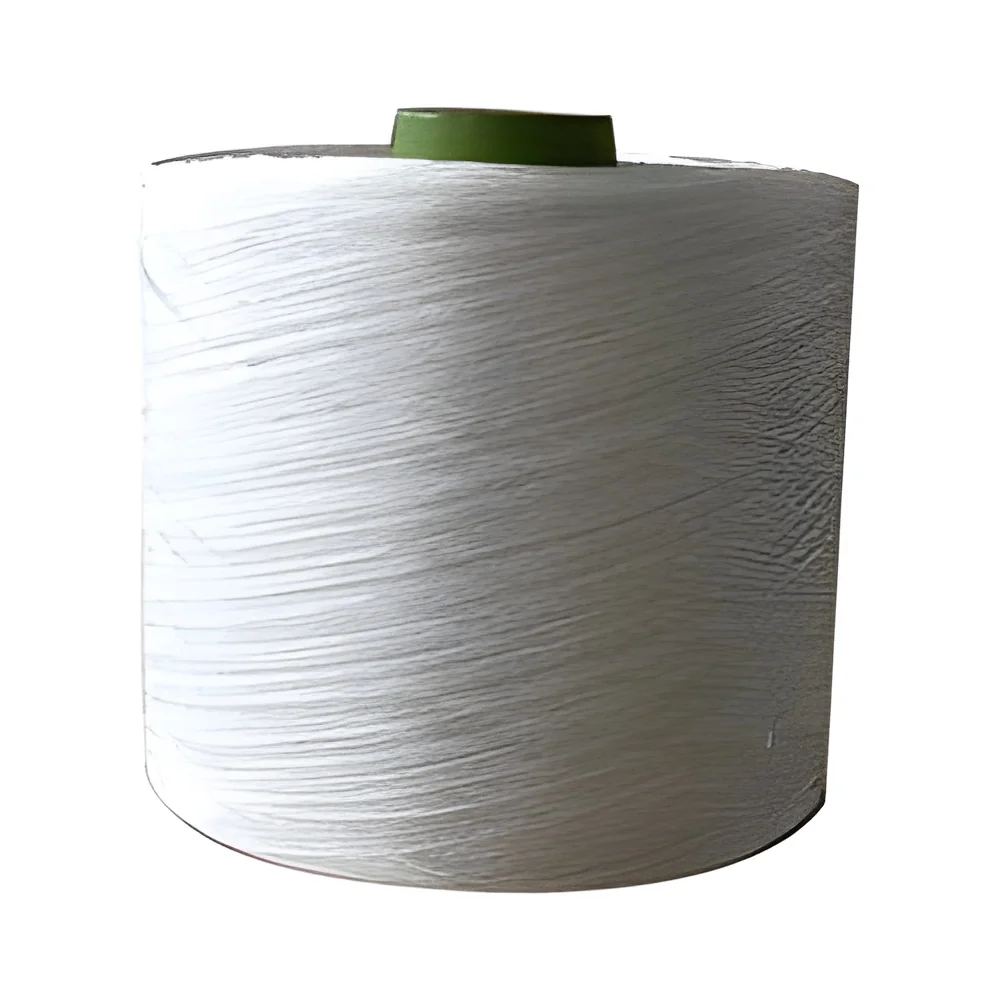
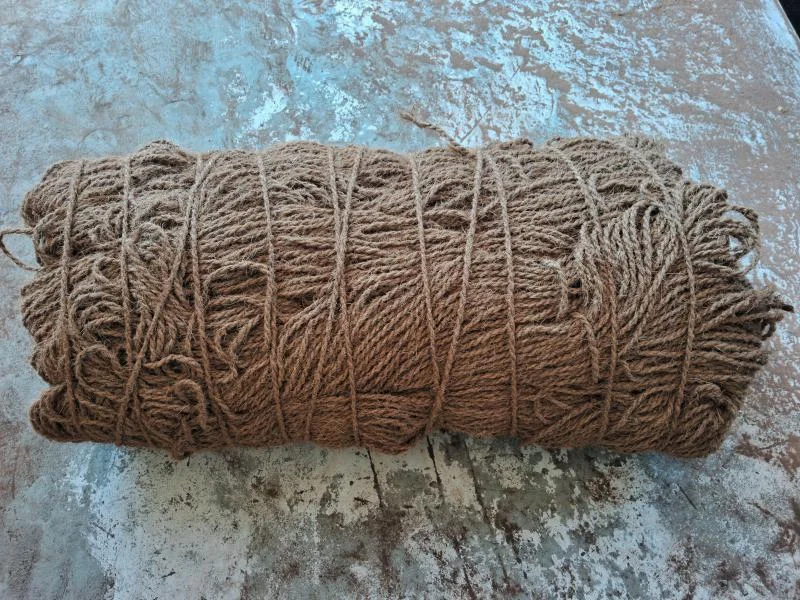
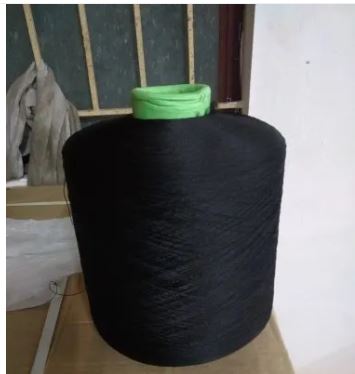
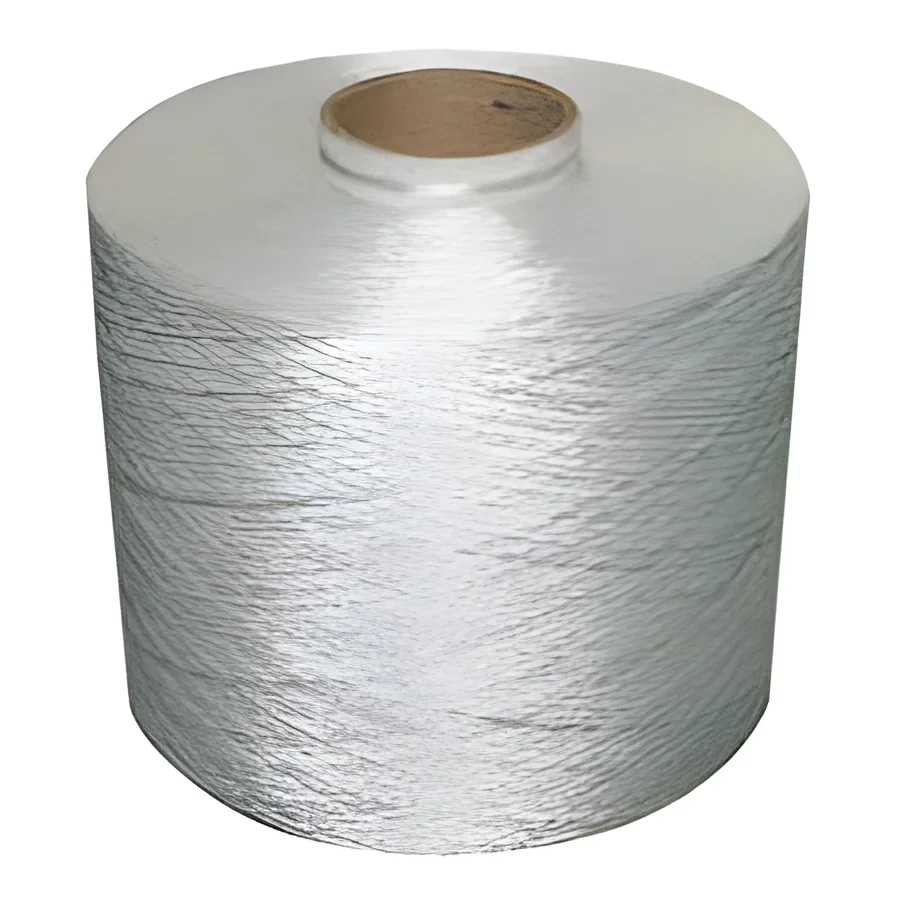
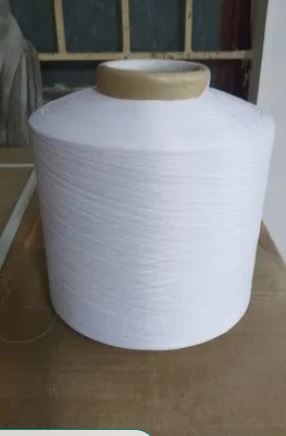
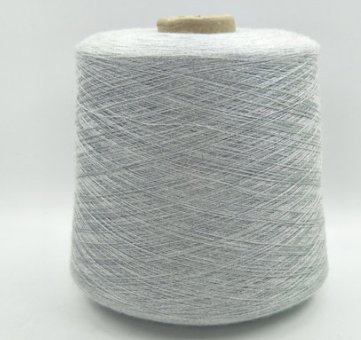
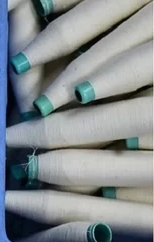
What are Twisted Yarn & Threads?
Twisted yarn and threads are essential materials used in a variety of industrial applications. They consist of multiple strands of fiber twisted together to create a single, cohesive strand. This twisting process enhances the strength and durability of the yarn or thread, making it suitable for demanding uses in various sectors. The fibers can be made from natural materials, such as cotton or wool, or synthetic materials like polyester or nylon, depending on the intended application.
These twisted yarns and threads have a wide range of applications, from textiles and garment manufacturing to industrial sewing and crafting. They are commonly used for making clothing, upholstery, and other fabric products, as well as in the production of ropes, cords, and other functional items. The versatility of twisted yarn and threads makes them a vital component in many businesses, contributing to the efficiency and quality of the end products.
In the current market context, the demand for high-quality twisted yarn and threads is on the rise. Industries are increasingly looking for materials that not only provide strength but also offer aesthetic appeal and functionality. This growth is driven by trends in fashion, textile innovation, and sustainability, as businesses strive to meet the evolving needs of consumers.
Key Features and Specifications
Twisted yarn and threads come with a range of features and specifications that make them suitable for various industrial applications. Understanding these specifications is crucial for businesses looking to source the right materials for their needs.
Key specifications include:
1. Fiber Composition
- Can be made from natural or synthetic fibers
- Varies according to application requirements
2. Twist Direction
- Left-hand or right-hand twist options available
- Affects the strength and texture of the yarn
3. Denier or Tex
- Measurement of yarn thickness
- Important for determining strength and suitability for applications
4. Tensile Strength
- Indicates how much force the yarn can withstand before breaking
- Essential for applications requiring durability
5. Colorfastness
- Resistance to fading or running of color
- Important for aesthetic applications in textiles
6. Stretchability
- Ability of the yarn to stretch without breaking
- Important for applications requiring flexibility
7. Finish Type
- Can be waxed, un-waxed, or treated for specific applications
- Influences the yarn's handling and performance
8. Length per Spool
- Available in various lengths to suit production needs
- Affects the efficiency and cost-effectiveness of sourcing
In summary, understanding the key features and specifications of twisted yarns and threads is essential for businesses to make informed sourcing decisions that meet their specific requirements.
Common Applications and Use Cases
Twisted yarn and threads serve various industries, showcasing their versatility and adaptability.
1. Textiles: Used in making garments, bed linens, and upholstery fabrics, providing both strength and aesthetic appeal.
2. Industrial Sewing: Commonly utilized in manufacturing heavy-duty products such as tarps, tents, and outdoor gear, where durability is critical.
3. Crafting: Popular among hobbyists for projects such as knitting, crocheting, and embroidery, where a range of colors and textures can be used.
4. Automotive: Employed in the production of interior fabrics and trim, ensuring longevity and resistance to wear.
5. Packaging: Utilized in creating strong, durable packaging materials such as bags and ties, essential for securing products during transport.
6. Home Furnishings: Used in making drapes, cushions, and decorative items, blending functionality with design.
7. Ropes and Cords: Essential in creating ropes for shipping, construction, and outdoor activities, where strength and reliability are paramount.
Product Variants and Subcategories
Twisted yarn and threads come in various forms to meet specific needs within different industries.
Cotton Twisted Yarn: Known for its softness and breathability, cotton twisted yarn is ideal for clothing and home textiles. It offers good dye absorption, making it popular in fashion applications.
Polyester Twisted Thread: This variant is highly durable and resistant to stretching and shrinking. It is commonly used in industrial sewing, thanks to its strength and color retention.
Nylon Twisted Thread: Known for its exceptional strength and elasticity, nylon twisted thread is often used in applications requiring high tensile strength, such as outdoor gear and heavy-duty textiles.
Benefits and Advantages
Sourcing twisted yarn and threads provides numerous benefits that enhance production processes and end product quality.
1. Enhanced Durability: Twisted yarns and threads are designed to withstand wear and tear, making them ideal for high-stress applications.
2. Versatile Applications: Their adaptability allows them to be used across various industries, offering businesses flexibility in sourcing.
3. Customization Options: Many suppliers offer the ability to customize yarns and threads to meet specific requirements, enhancing product suitability.
4. Cost-Effectiveness: Sourcing high-quality twisted yarns and threads can reduce waste and improve production efficiency, leading to cost savings.
5. Aesthetic Variety: Available in multiple colors and textures, twisted yarns and threads can enhance the visual appeal of final products.
6. Sustainable Options: Many suppliers offer eco-friendly materials, allowing businesses to meet sustainability goals while sourcing essential materials.
Buying Guide for B2B Buyers
When sourcing twisted yarn and threads, businesses should consider several key factors to ensure they make informed decisions.
1. Quality Assessment: Evaluate the quality of the yarn or thread by checking for tensile strength, fiber composition, and manufacturer specifications. Conducting tests may also be beneficial.
2. Supplier Verification: Vet suppliers to ensure they meet quality standards and have a good reputation in the industry. Consider reviews and certifications as part of the evaluation process.
3. Pricing and MOQ: Understand the pricing structure and minimum order quantities (MOQ) when sourcing. This will help in budgeting and ensure that the procurement process aligns with production needs.
4. Delivery and Lead Times: Discuss delivery options and lead times with suppliers to ensure timely procurement that aligns with production schedules.
5. Compliance Requirements: Be aware of any regulatory requirements specific to your industry, such as safety standards or environmental regulations, to ensure compliance when sourcing materials.
Compliance and Certifications
Compliance with industry standards and certifications is crucial for manufacturers and suppliers of twisted yarn and threads.
Relevant quality standards like ISO 9001 ensure that production processes meet international quality management criteria. This certification helps in maintaining consistency and improving customer satisfaction.
Industry certifications such as CE signify that products meet European safety and health requirements, essential for businesses exporting to Europe.
Safety and testing requirements are also critical. Manufacturers should conduct thorough testing to ensure that their products do not pose risks to users, particularly in applications involving children or sensitive materials.
Additionally, businesses should consider regional compliance considerations, as different countries may have specific regulations governing textiles and related materials. Understanding these requirements is essential for successful market entry and product acceptance.
Why Source Twisted Yarn & Threads from Pepagora?
Pepagora provides a trusted platform for sourcing twisted yarn and threads, offering several key advantages to B2B buyers.
Verified Supplier Network: Pepagora ensures that all suppliers are thoroughly vetted, providing buyers with confidence in the quality and reliability of the products they source.
Streamlined RFQ Process: The platform features a user-friendly request-for-quotation (RFQ) system, enabling businesses to easily compare offers and select the best options for their needs.
Trade Assurance and Support: Pepagora offers buyer protection through its trade assurance program, ensuring that transactions are secure and that buyers receive the quality they expect.
Regional Coverage: With a strong presence in India, the GCC, and Southeast Asia, Pepagora connects businesses with suppliers across these regions, enhancing sourcing opportunities and market access.

 IN
IN