What are Hemp & Jute Fibers?
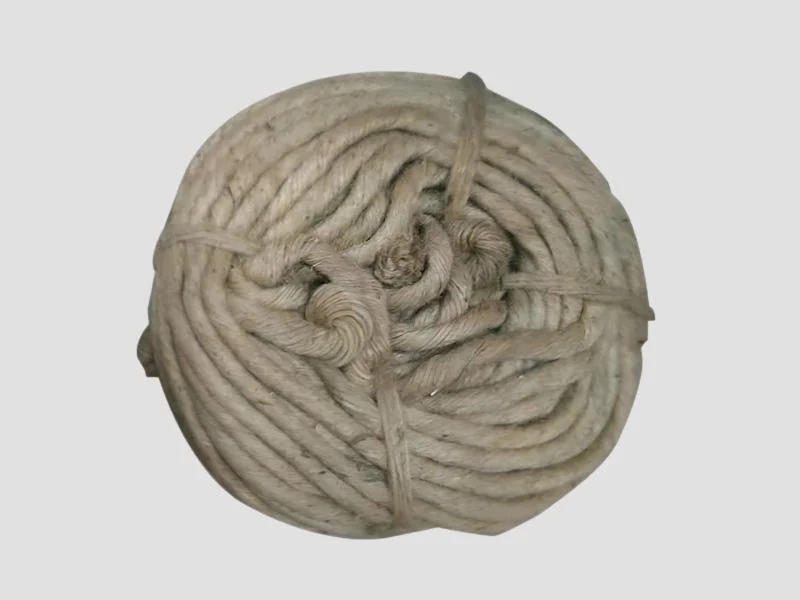
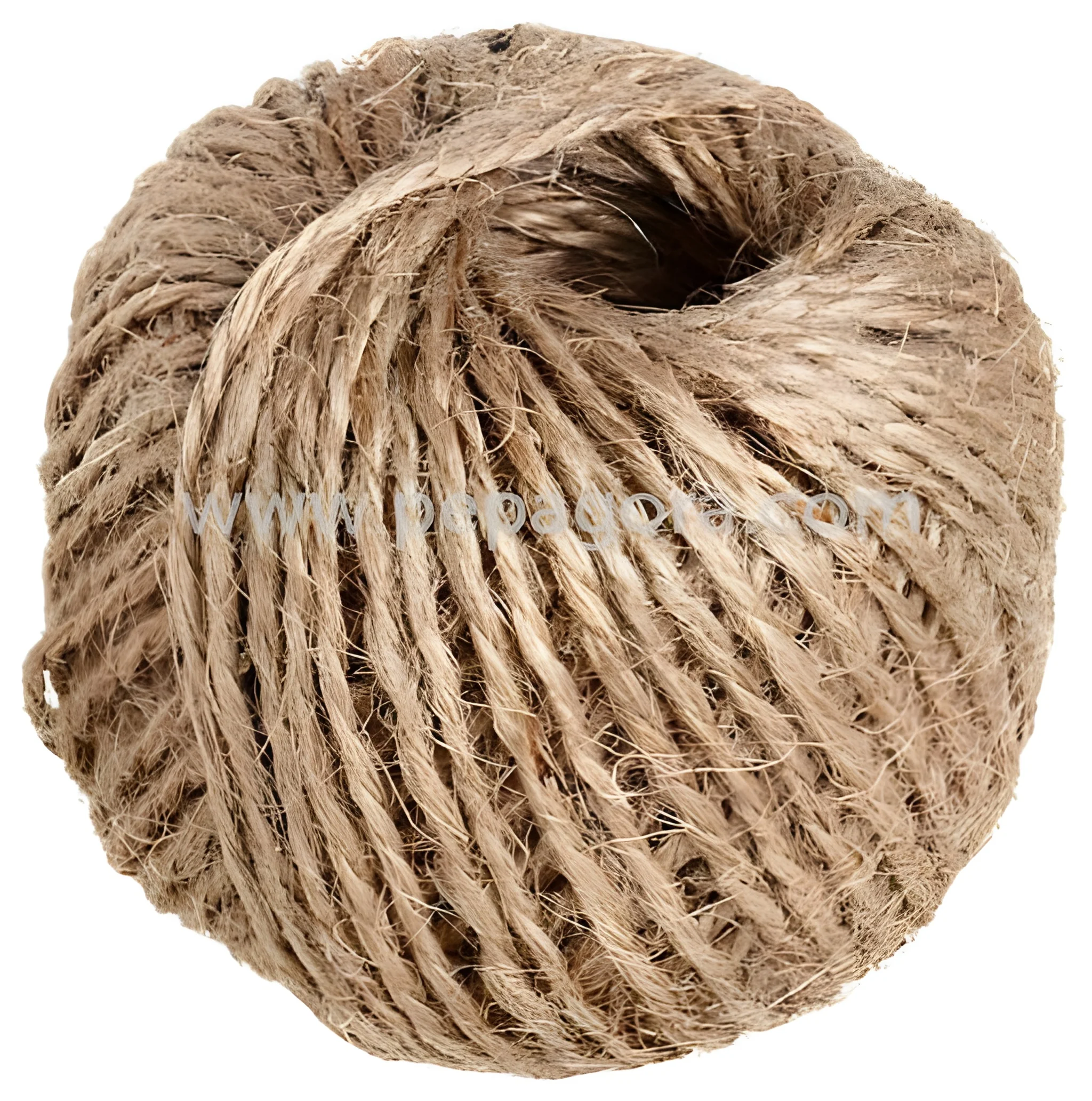
Hemp and jute fibers are natural fibers derived from the hemp plant and the jute plant, respectively. Hemp fibers are known for their strength, durability, and resistance to decay, making them suitable for a variety of applications. Jute fibers are soft, biodegradable, and cost-effective, often used in products like bags and textiles. Both fibers are celebrated for their environmental benefits, as they require fewer pesticides and fertilizers compared to synthetic fibers.
In terms of business applications, hemp and jute fibers are widely utilized across various sectors including textiles, construction, automotive, and packaging. Hemp fibers are used in everything from clothing and rope to insulation materials. Jute fibers, on the other hand, are primarily found in the production of burlap, hessian cloth, and eco-friendly packaging solutions. The growing demand for sustainable products has led to an increase in their market relevance, positioning hemp and jute fibers as key players in the eco-friendly materials industry.
Key Features and Specifications
Hemp and jute fibers offer a range of features that make them appealing to various industries. Their natural origins and sustainable production methods contribute to their popularity. Understanding the specifications is crucial for businesses looking to implement these fibers in their products.
Key specifications include:
1. Fiber Strength
- Hemp fibers are known for their high tensile strength, making them suitable for heavy-duty applications.
- Jute fibers have lower strength but are adequate for lightweight uses.
2. Biodegradability
- Both hemp and jute fibers are biodegradable, making them eco-friendly choices for sustainable products.
- They decompose naturally without harming the environment.
3. Moisture Absorption
- Jute fibers have excellent moisture absorption properties, making them ideal for packaging and agricultural applications.
- Hemp fibers offer moderate moisture control, suitable for textiles.
4. Color and Texture
- Hemp fibers typically have a coarse texture and range from light to dark brown in color.
- Jute fibers are usually golden or light brown and have a softer texture.
5. Chemical Resistance
- Hemp fibers exhibit good resistance to mold and mildew, enhancing their durability.
- Jute fibers are less resistant to chemicals but can be treated for specific applications.
6. Length and Diameter
- Hemp fibers can range from 1 to 3 meters in length and have a diameter of 10-30 microns.
- Jute fibers are generally longer, averaging 2 to 4 meters in length.
In summary, hemp and jute fibers are versatile materials with specific features that cater to different industrial needs. Their unique properties make them suitable for a variety of applications in sustainable product development.
Common Applications and Use Cases
Hemp and jute fibers are utilized across multiple industries, showcasing their versatility and effectiveness.
1. Textiles: Hemp fibers are often woven into clothing, upholstery, and other textile products, providing durability and comfort.
2. Construction: Hemp fibers are used in building materials such as insulation and composites, offering eco-friendly alternatives to traditional materials.
3. Automotive: Hemp fibers find applications in car interiors, reinforcing panels, and other components, contributing to lightweight and sustainable vehicle designs.
4. Packaging: Jute fibers are commonly used in biodegradable packaging solutions, making them a popular choice for eco-conscious brands.
5. Agriculture: Jute fibers are utilized for making burlap sacks and erosion control mats, supporting sustainable farming practices.
6. Home Goods: Hemp and jute are used in a variety of home products, including rugs, carpets, and decorative items, appealing to environmentally aware consumers.
7. Crafts: Both fibers are favored in craft applications, including DIY projects and artisanal goods, due to their natural aesthetic and ease of use.
Product Variants and Subcategories
Hemp and jute fibers come in a variety of forms tailored to meet different needs and preferences.
Hemp Fiber
This variant is primarily used for textiles and construction materials. It offers exceptional strength and durability, making it suitable for products that require longevity. Hemp fiber is also valued for its natural resistance to mold and mildew.
Jute Fiber
Jute fiber is known for its soft texture and affordability. It is commonly found in packaging materials and home goods. Its biodegradable nature makes it a favored choice for environmentally friendly products.
Benefits and Advantages
The use of hemp and jute fibers provides numerous benefits that appeal to businesses and consumers alike.
1. Sustainability: Both fibers are renewable and biodegradable, reducing environmental impact compared to synthetic alternatives.
2. Cost-Effectiveness: Jute fibers, in particular, are affordable, making them a viable option for budget-conscious companies.
3. Versatility: The diverse applications of hemp and jute fibers allow for their use across various industries, enhancing product offerings.
4. Durability: Hemp fibers are known for their strength and resistance to decay, ensuring long-lasting products.
5. Natural Aesthetic: The organic look and feel of hemp and jute fibers provide a unique appeal, attracting consumers interested in natural materials.
6. Health Benefits: Being natural fibers, both hemp and jute are free from harmful chemicals, making them safer for consumers and the environment.
Buying Guide for B2B Buyers
When sourcing hemp and jute fibers, it is essential for businesses to consider several key factors to ensure they make informed purchasing decisions.
1. Quality Assessment: Evaluate the quality of fibers by looking for certifications, conducting physical inspections, and considering the fiber's characteristics such as strength and texture.
2. Supplier Verification: Vet suppliers by checking their industry reputation, customer reviews, and compliance with quality standards to ensure reliability.
3. Pricing and MOQ: Understand pricing structures and minimum order quantities to find a supplier that meets your budget and volume needs.
4. Delivery and Lead Times: Discuss logistics with suppliers to understand delivery schedules, lead times, and shipping options that align with your operational timelines.
5. Compliance Requirements: Ensure that the fibers meet relevant industry standards and regulations, which may vary by region and application.
Compliance and Certifications
Hemp and jute fibers should adhere to several quality standards and industry certifications to ensure safety and performance.
ISO 9001 is a widely recognized standard that demonstrates a commitment to quality management systems. This certification indicates that a supplier has established processes to consistently provide products that meet customer and regulatory requirements.
HACCP (Hazard Analysis Critical Control Point) is particularly relevant for industries involving food packaging. It ensures that materials do not introduce hazards into the food supply.
CE marking signifies that products comply with EU safety, health, and environmental protection standards. This certification is important for businesses looking to sell in European markets.
Safety testing requirements are also crucial, particularly for textiles and packaging. Testing for chemical residues and durability ensures that products are safe for end-users.
Regional compliance considerations may vary, so it is essential for buyers to be aware of local regulations and standards that apply to hemp and jute fibers in their target markets.
Why Source Hemp & Jute Fibers from Pepagora?
Pepagora offers a reliable platform for sourcing hemp and jute fibers, providing businesses with distinct advantages.
Verified Supplier Network: Our network includes reputable suppliers who have been thoroughly vetted for quality and reliability. This ensures that buyers can trust the products they source.
Streamlined RFQ Process: Pepagora features an efficient request for quotation (RFQ) system that simplifies the procurement process. Buyers can easily compare multiple offers and make informed decisions.
Trade Assurance and Support: We prioritize buyer protection by offering trade assurance services. This provides peace of mind when sourcing products from new suppliers.
Regional Coverage: With a strong presence in India, the GCC, and Southeast Asia, Pepagora connects buyers with suppliers across key markets, facilitating access to high-quality hemp and jute fibers.
By choosing Pepagora for your sourcing needs, you gain access to a comprehensive range of products, a trusted supplier network, and dedicated support throughout your procurement journey.

 IN
IN