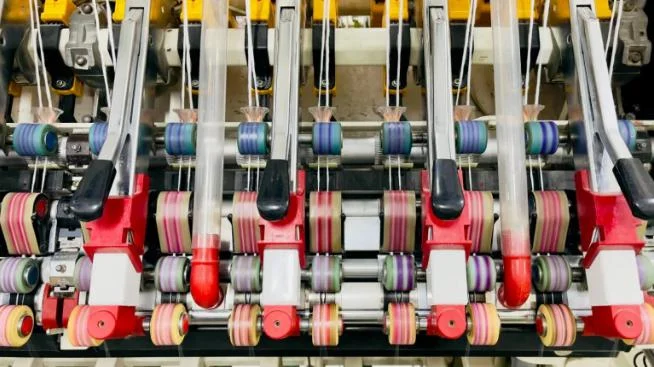
What are Textile Spinning Services?
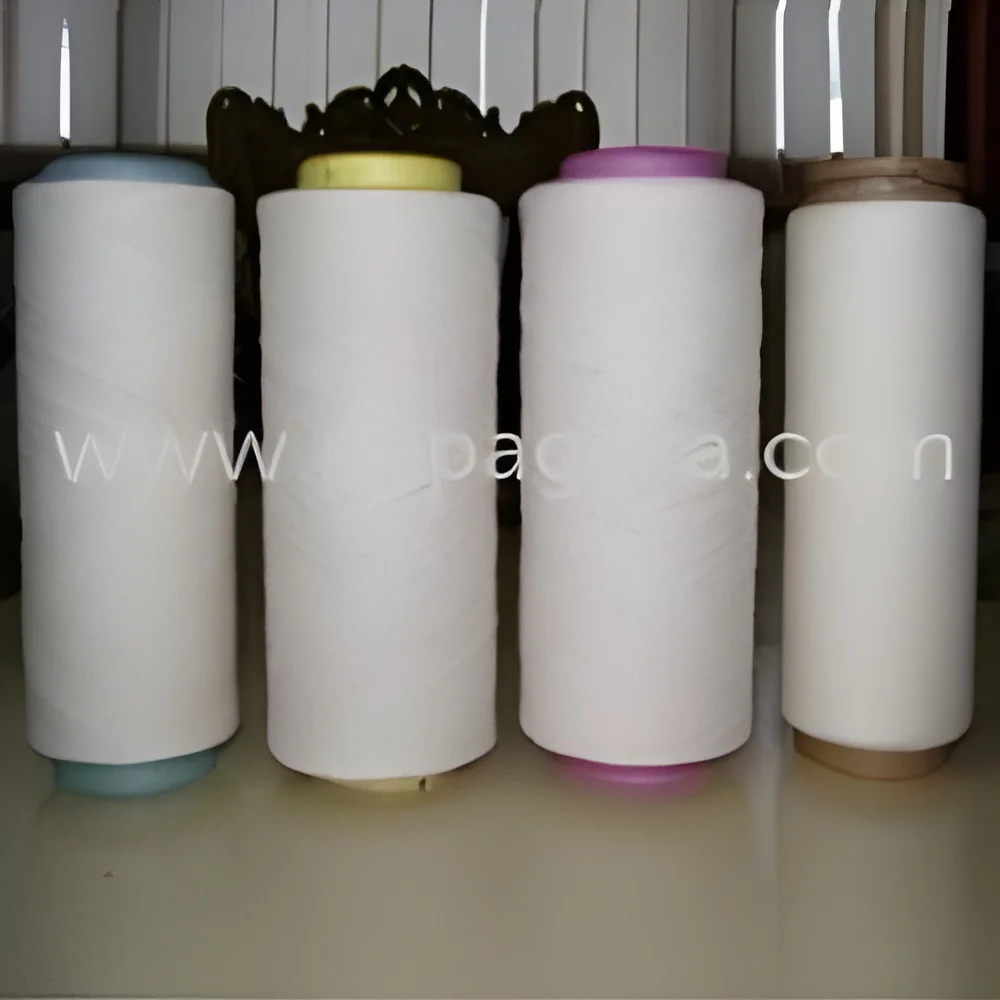
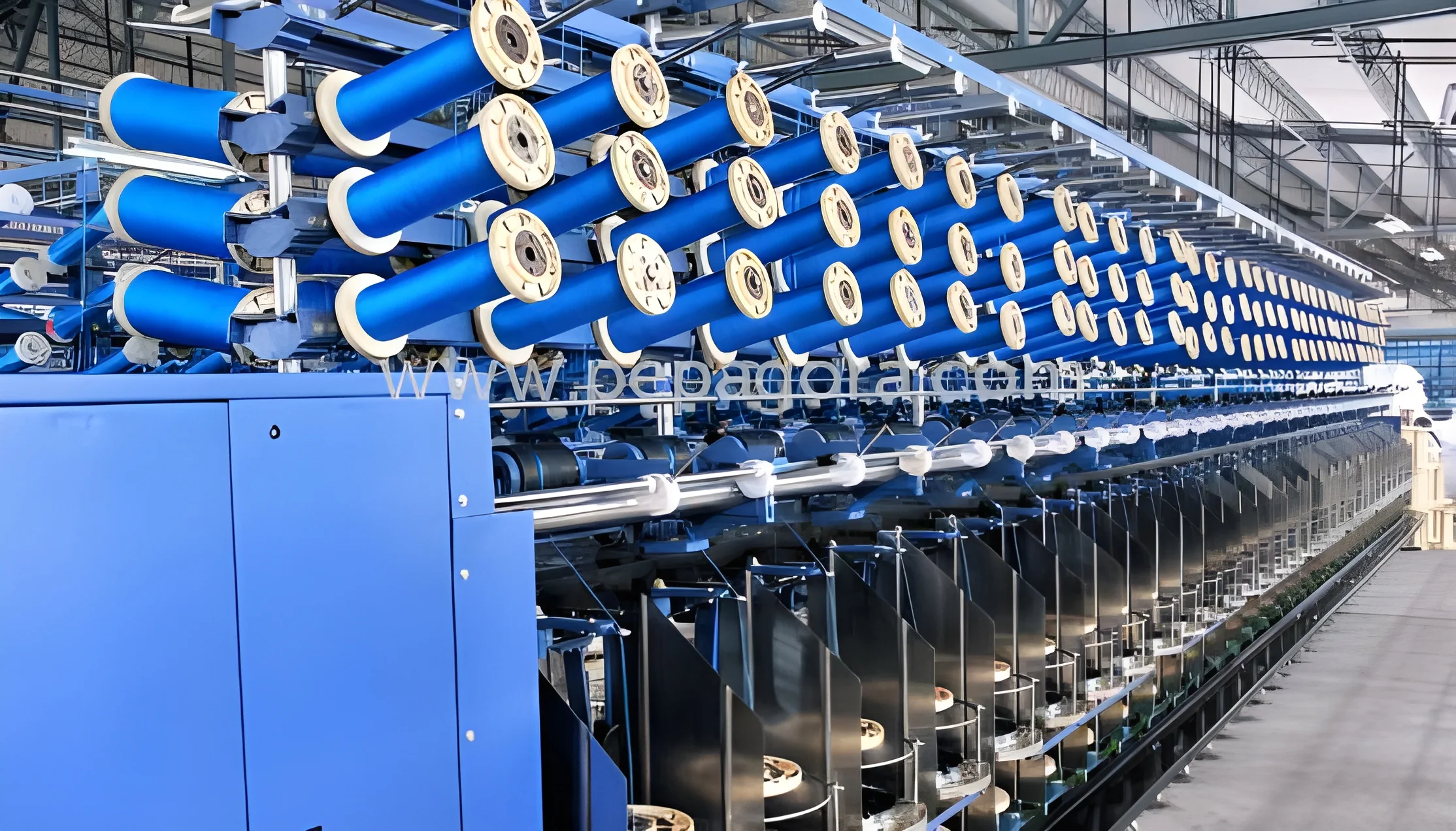
Textile spinning services refer to the industrial processes involved in converting raw fiber materials into yarn or thread. This process includes various techniques, such as ring spinning, open-end spinning, and air-jet spinning, each suited for different types of fibers and end products. The primary goal is to produce high-quality yarn that can be used in the manufacturing of textiles and other products.
These services are essential in a wide range of industries, including apparel, automotive, and home furnishings. Spun yarns serve as the foundation for weaving and knitting, making them critical in the production of fabrics. Furthermore, textile spinning services play a significant role in enabling manufacturers to create custom yarns tailored to specific applications, enhancing the versatility and quality of the final products.
In today's competitive market, the relevance of textile spinning services cannot be overstated. With the growing demand for sustainable and high-performance textiles, businesses are increasingly relying on advanced spinning techniques and innovative materials. This trend highlights the importance of selecting reliable service providers who can meet evolving industry standards and customer expectations.
Key Features and Specifications
Textile spinning services come with a variety of features and specifications that ensure the production of high-quality yarn. These specifications help businesses understand the capabilities of different spinning services and make informed decisions.
Key specifications include:
1. Spinning Technique
- Ring spinning, open-end spinning, and air-jet spinning are common methods.
- Each technique has distinct characteristics affecting yarn quality and performance.
2. Fiber Type
- Services can handle natural fibers like cotton and wool, as well as synthetic fibers such as polyester and nylon.
- The choice of fiber impacts the properties of the final yarn.
3. Yarn Count
- The count indicates the thickness of the yarn, affecting its strength and appearance.
- Common units include Ne (English cotton count) and Tex.
4. Twist Levels
- Twist impacts the yarn's durability and texture.
- Different applications require varying levels of twist.
5. Production Capacity
- Services may vary in their ability to handle small or large production runs.
- Understanding capacity helps in planning and meeting deadlines.
6. Quality Control Processes
- Rigorous testing ensures yarn meets industry standards.
- Typical checks include strength, uniformity, and color consistency.
7. Customization Options
- Many services offer tailored solutions for specific customer needs.
- Customization can include unique blends, colors, and finishes.
8. Environmental Compliance
- Services may adhere to sustainability practices and certifications.
- Compliance with environmental standards is increasingly important.
In summary, understanding the key features and specifications of textile spinning services allows businesses to select providers that align with their production needs and quality expectations.
Common Applications and Use Cases
Textile spinning services find applications across various industries, each with unique requirements and specifications.
1. Apparel: Spinning services produce yarn used in clothing manufacturing. Different fibers and yarn types create a range of fabrics for diverse apparel needs.
2. Automotive: Specialized yarns are spun for use in vehicle interiors, upholstery, and safety components. These yarns often require specific strength and durability.
3. Home Textiles: Yarn produced for home textiles includes materials for curtains, upholstery, and bedding. Aesthetics and performance characteristics are crucial in this sector.
4. Technical Textiles: Spinning services cater to industries requiring high-performance textiles, such as medical, military, and industrial applications. These textiles often need superior strength and durability.
5. Footwear: Yarn is spun for shoelaces, linings, and other components. The focus is on comfort, flexibility, and strength.
6. Geotextiles: Yarn used in geotextiles must withstand harsh environmental conditions. Spinning services provide durable solutions for soil stabilization and erosion control.
7. Nonwoven Fabrics: Textile spinning services contribute to the production of nonwoven fabrics used in hygiene products, filtration, and insulation.
Product Variants and Subcategories
Textile spinning services are diverse, offering a range of variants to meet different market needs.
Compact Spun Yarn: This variant is produced using a compact spinning technique that reduces yarn hairiness. It results in a smoother finish and improved strength, making it ideal for high-quality fabrics.
Open-End Yarn: Produced using an open-end spinning method, this yarn variant is known for its cost-effectiveness and fast production process. It is commonly used in casual apparel and home textiles.
Blended Yarn: This variant combines different fibers, such as cotton and polyester, to achieve desired characteristics. Blended yarns are popular for their versatility and performance.
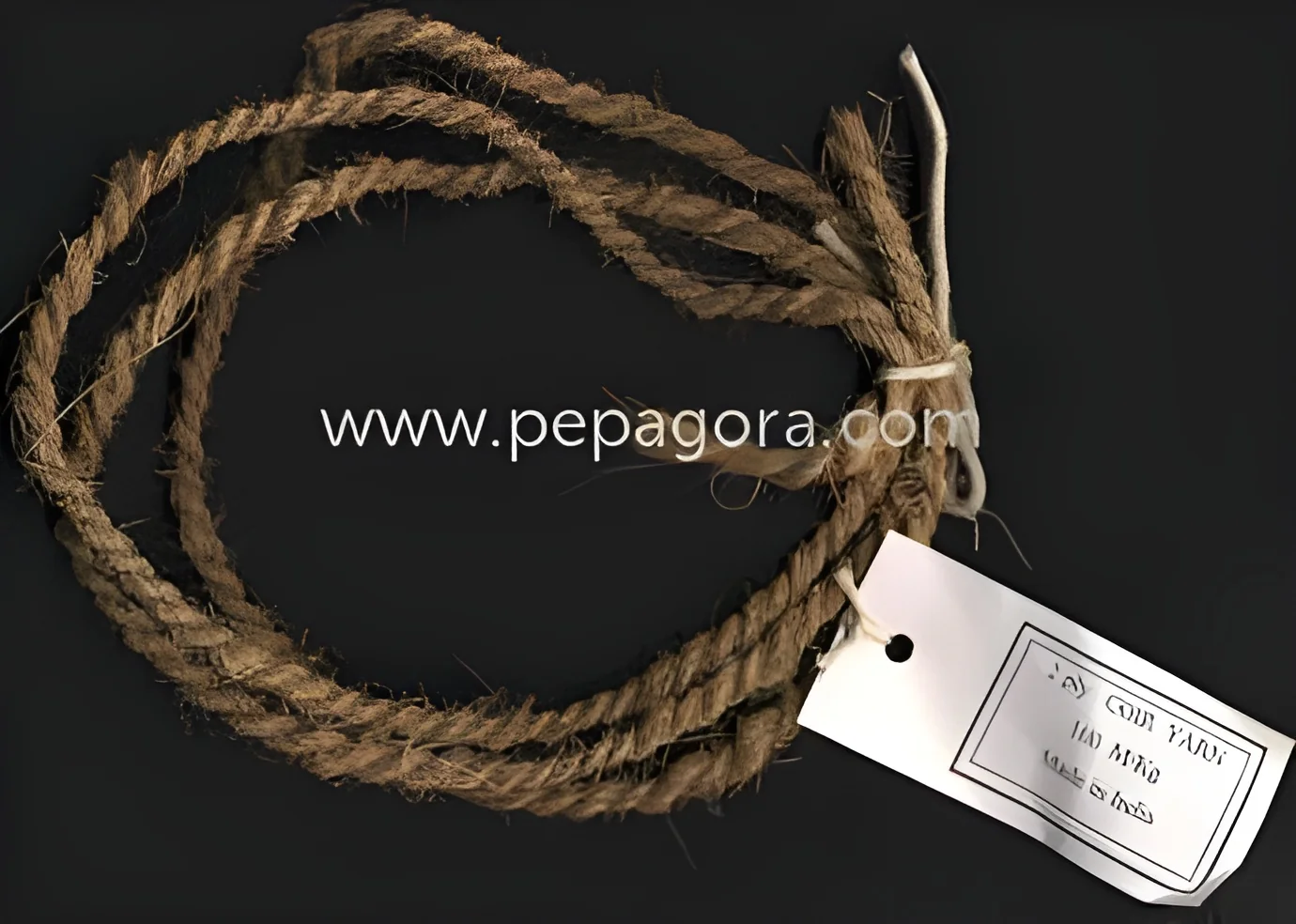
Novelty Yarn: Specialty spinning services create novelty yarns with unique textures and colors. These yarns are often used in fashion applications and high-end textiles.
Benefits and Advantages
Textile spinning services offer numerous benefits that enhance production efficiency and product quality.
Key benefits include:
1. Quality Assurance: Professional spinning services ensure consistent yarn quality through rigorous testing and adherence to industry standards.
2. Custom Solutions: Businesses can benefit from tailored spinning services that meet specific requirements, including fiber types and yarn characteristics.
3. Cost Efficiency: Utilizing spinning services can lead to cost savings by optimizing production processes and reducing waste.
4. Scalability: Textile spinning services can accommodate varying production volumes, allowing businesses to scale up or down based on demand.
5. Access to Expertise: Partnering with experienced spinning service providers grants access to industry knowledge and expertise, aiding in decision-making.
6. Enhanced Product Range: Diverse spinning services enable businesses to expand their product offerings with unique yarns and fabrics.
Buying Guide for B2B Buyers
When sourcing textile spinning services, it is essential for B2B buyers to consider several key factors to ensure they make informed decisions.
1. Quality Assessment: Evaluate the quality control measures in place. Look for certifications and quality standards to ensure the yarn produced meets necessary specifications.
2. Supplier Verification: Conduct thorough research on potential suppliers. Check their reputation, customer reviews, and industry experience to ensure reliability.
3. Pricing and MOQ: Understand the pricing structure and minimum order quantities. This information is crucial for budgeting and planning your procurement strategy.
4. Delivery and Lead Times: Inquire about the supplier's delivery capabilities and lead times. Timely delivery is vital for maintaining production schedules.
5. Compliance Requirements: Ensure that the supplier adheres to relevant regulatory standards and certifications. Compliance with environmental and safety regulations is increasingly important.
Compliance and Certifications
Compliance and certifications play a vital role in ensuring the quality and safety of textile spinning services. Adhering to recognized quality standards, such as ISO 9001, ensures that processes are efficient and produce consistent results. These standards focus on quality management systems and continuous improvement.
Industry certifications, such as CE marking, indicate that products meet European safety and environmental requirements. This certification can enhance marketability and consumer trust.
Safety and testing requirements are critical in the textile industry. Spinning services must follow rigorous testing protocols to guarantee the durability, strength, and performance of the yarn produced.
Regional compliance considerations must also be taken into account, as different regions may have specific regulations governing textile production. Understanding these requirements ensures that the services provided are compliant and that the products meet local market standards.
Why Source Textile Spinning Services from Pepagora?
Pepagora provides a trusted platform for sourcing textile spinning services, ensuring buyers have access to quality and reliable options. One of the key advantages of using Pepagora is its verified supplier network. Each supplier is thoroughly vetted, providing peace of mind to businesses looking for trustworthy partners.
The platform also features a streamlined RFQ process, allowing buyers to request quotes easily from multiple suppliers. This efficient system enhances the sourcing experience and facilitates better pricing and service comparisons.
Additionally, Pepagora offers trade assurance and support for buyers. This protection ensures that transactions are secure, and businesses can have confidence in their purchases.
With regional coverage extending across India, the GCC, and Southeast Asia, Pepagora connects buyers with suppliers that can meet their local needs. This geographic reach enhances accessibility and ensures that businesses can find the right textile spinning services for their operations.

 IN
IN