What are Flame Retardant Textile Coatings?
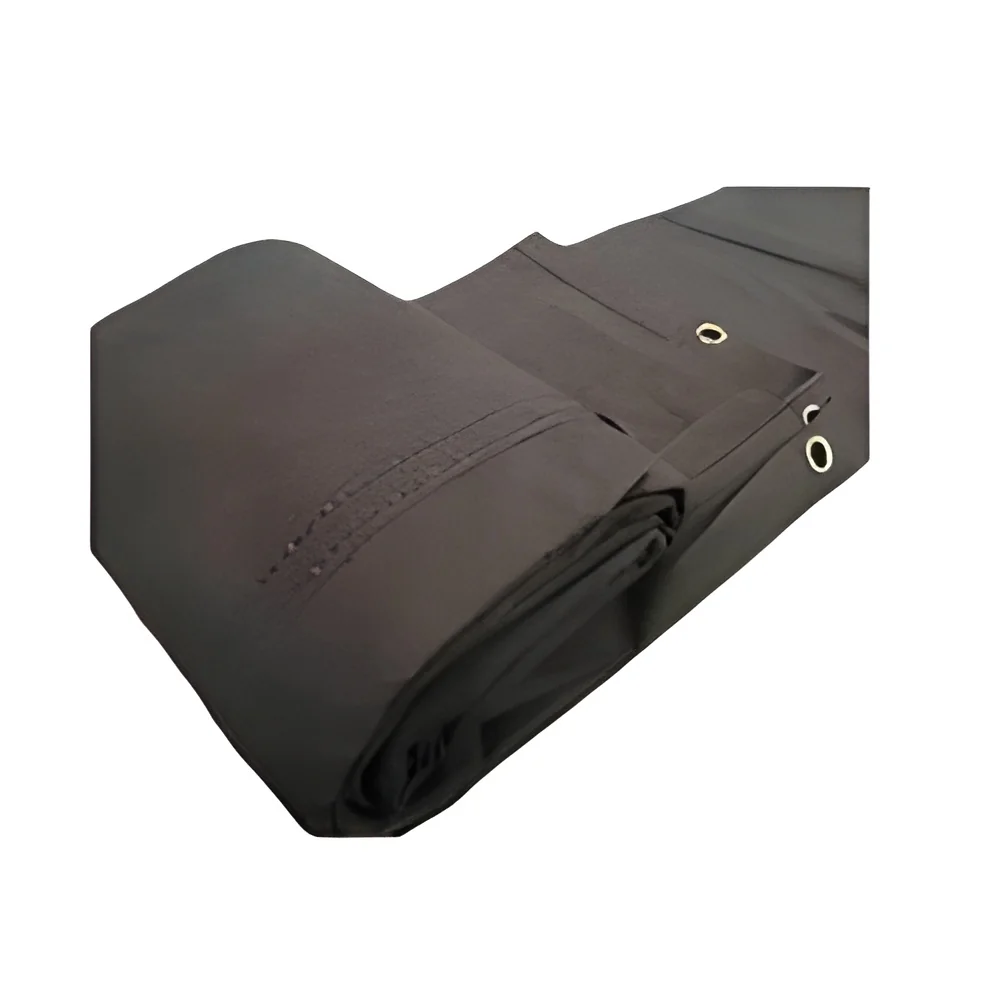
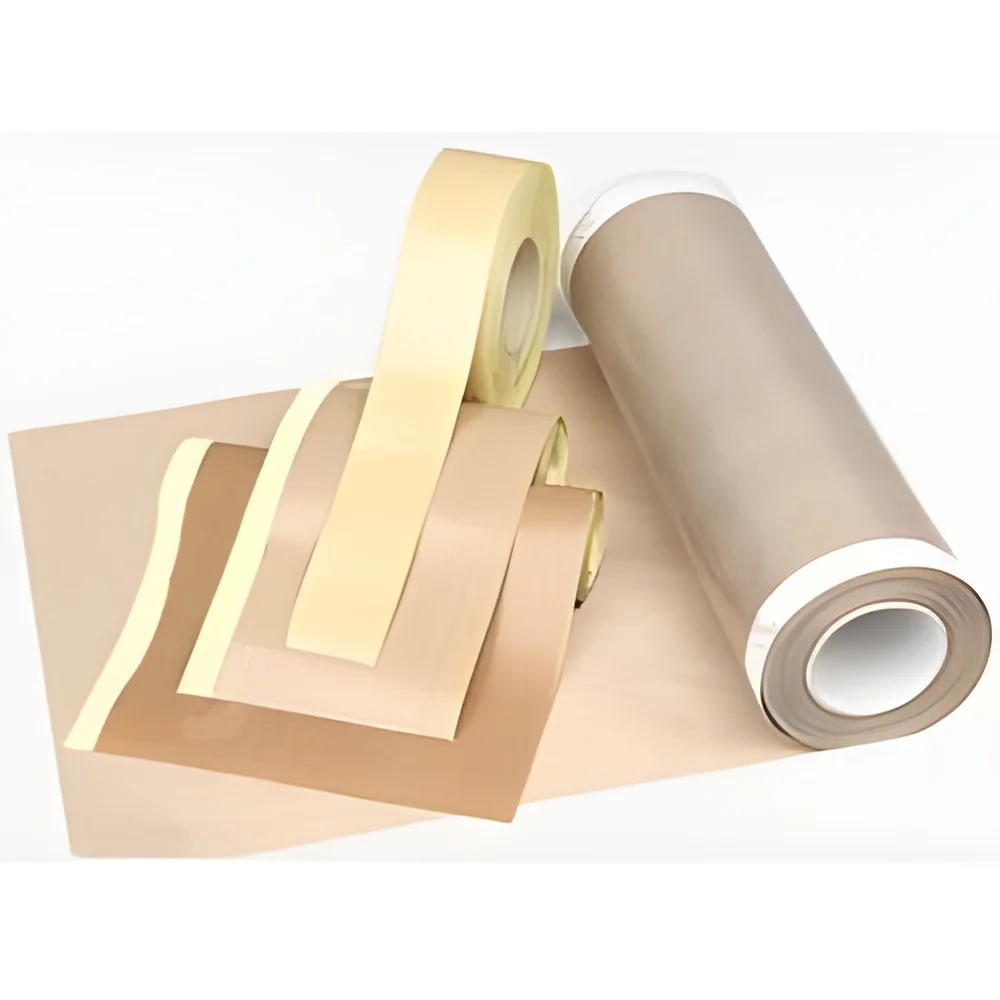
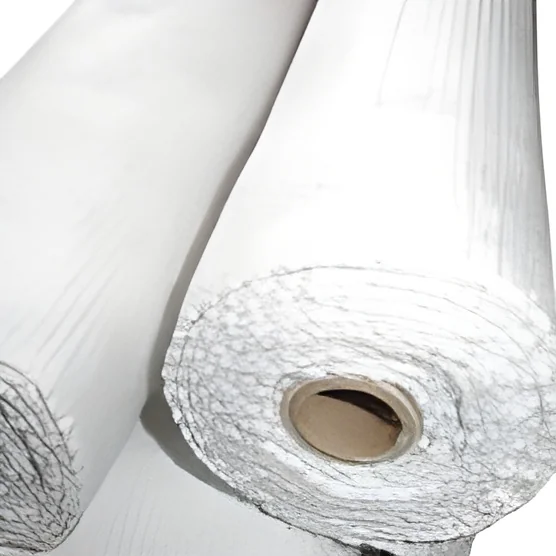
Flame retardant textile coatings are specialized chemical formulations applied to fabrics to reduce their flammability. These coatings work by either inhibiting or delaying the combustion process when exposed to fire. By creating a protective layer, they enhance the safety of textiles used in various environments. This technology is essential for industries where fire hazards are a significant concern.
These coatings are primarily used in sectors such as construction, automotive, aerospace, and protective clothing. In construction, for example, flame retardant textiles are utilized in curtains, upholstery, and wall coverings to meet safety regulations. The automotive industry employs these coatings in seat covers and interior fabrics to enhance passenger safety. As fire safety regulations tighten globally, the demand for flame retardant textile coatings continues to grow, reflecting their importance in maintaining safety standards across multiple industries.
Key Features and Specifications
Flame retardant textile coatings are characterized by several key features that ensure their effectiveness and reliability. These specifications are crucial for manufacturers and buyers looking for high-performance materials for their applications.
Key specifications include:
1. Flame Resistance Rating
- Indicates the level of flammability resistance.
- Typically assessed based on industry-standard tests.
2. Durability
- Describes the longevity of the flame retardant properties under various conditions.
- Can include resistance to wash cycles and abrasion.
3. Environmental Safety
- Refers to the non-toxicity of the chemicals used.
- Compliance with environmental regulations is essential.
4. Application Method
- Specifies techniques such as spray, dip, or roll-coat for application.
- Each method can affect the effectiveness and texture of the coating.
5. Color and Finish Options
- Availability of different colors and textures to suit various applications.
- May include matte or glossy finishes.
6. Temperature Stability
- Indicates how well the coating performs under high temperatures.
- Essential for applications in extreme environments.
7. Market Compliance
- Ensures the product meets relevant safety and quality standards.
- Certifications like CE are often required.
8. Customization Options
- Possibility for tailored formulations based on specific client needs.
- Important for specialized applications.
In summary, understanding these specifications is vital for businesses looking to procure effective flame retardant textile coatings that meet safety and performance standards.
Common Applications and Use Cases
Flame retardant textile coatings find applications in numerous industries, ensuring safety and compliance with regulations.
1. Construction: Used in drapery, wall coverings, and other interior textiles to provide fire resistance in buildings.
2. Automotive: Incorporated into seat covers and interior linings to enhance passenger safety and comply with automotive safety standards.
3. Aerospace: Utilized in aircraft interiors and passenger clothing to meet strict fire safety regulations.
4. Protective Clothing: Essential for uniforms and gear used by firefighters, military personnel, and construction workers to protect against fire hazards.
5. Home Furnishings: Applied to furniture fabrics to improve safety in residential settings, addressing consumer demand for safer home environments.
6. Event Management: Used in stage curtains and decorative fabrics for events to minimize fire risks in crowded venues.
7. Hospitality: Implemented in hotels and restaurants for upholstery and curtains, ensuring compliance with safety regulations.
Product Variants and Subcategories
Flame retardant textile coatings come in various formulations designed to meet specific needs within different markets.
Water-Based Coatings
These coatings offer an environmentally friendly option with low VOC emissions. They are ideal for indoor applications, providing effective flame resistance while being safe for human exposure.
Solvent-Based Coatings
These coatings are robust and provide excellent durability and adhesion. Suitable for outdoor applications, they resist wear and maintain flame retardant properties even in harsh conditions.
Intumescent Coatings
These specialized coatings expand when exposed to heat, creating a protective barrier that insulates the underlying material. They are commonly used in construction and industrial applications.
Benefits and Advantages
Flame retardant textile coatings provide numerous benefits, making them essential for various applications.
1. Enhanced Safety: Significantly reduces the risk of fire, protecting lives and property.
2. Regulatory Compliance: Helps companies meet stringent safety standards and regulations across industries.
3. Durability: Designed to withstand environmental stresses while maintaining flame retardant properties.
4. Versatility: Applicable to a wide range of textiles, allowing for use in diverse applications.
5. Customization: Offers tailored solutions to meet specific industry requirements and client needs.
6. Cost-Effectiveness: Investing in flame retardant coatings can save costs related to fire damage and insurance.
Buying Guide for B2B Buyers
When sourcing flame retardant textile coatings, buyers should consider several important factors to ensure they make informed decisions.
1. Quality Assessment: Evaluate the quality of coatings through certifications and compliance with industry standards to ensure reliability.
2. Supplier Verification: Conduct thorough checks on suppliers, including their production capabilities, track record, and customer reviews to ensure they are reputable.
3. Pricing and MOQ: Understand the pricing structure and minimum order quantities to align with budget constraints and project requirements.
4. Delivery and Lead Times: Assess the logistics and lead times for delivery to ensure timely availability for projects.
5. Compliance Requirements: Ensure that the coatings meet necessary regulatory standards specific to the industry and region of use.
Compliance and Certifications
Flame retardant textile coatings must adhere to various quality standards and certifications to ensure safety and effectiveness.
ISO 9001 is a key standard that emphasizes quality management systems. Compliance with this standard indicates a commitment to product quality and customer satisfaction.
The CE marking is crucial for products sold within the European Union, ensuring they meet safety, health, and environmental protection standards.
Safety and testing requirements for flame retardant coatings typically involve thorough evaluations to assess their effectiveness under various fire exposure scenarios.
Regional compliance considerations may vary, requiring manufacturers to stay updated on local regulations to ensure their products are market-ready.
Why Source Flame Retardant Textile Coatings from Pepagora?
Pepagora is a trusted platform for sourcing flame retardant textile coatings, offering several key advantages to B2B buyers.
Verified Supplier Network: Pepagora connects buyers with a network of verified suppliers, ensuring that all partners meet stringent quality and safety standards.
Streamlined RFQ Process: The platform offers a user-friendly request-for-quotation system, allowing buyers to easily obtain and compare quotes from multiple suppliers.
Trade Assurance and Support: Pepagora provides trade assurance, ensuring buyer protection throughout the procurement process, which builds confidence in transactions.
Regional Coverage: With a strong presence in India, the GCC, and Southeast Asia, Pepagora facilitates access to flame retardant textile coatings across diverse markets, enhancing convenience for buyers in these regions.

 IN
IN