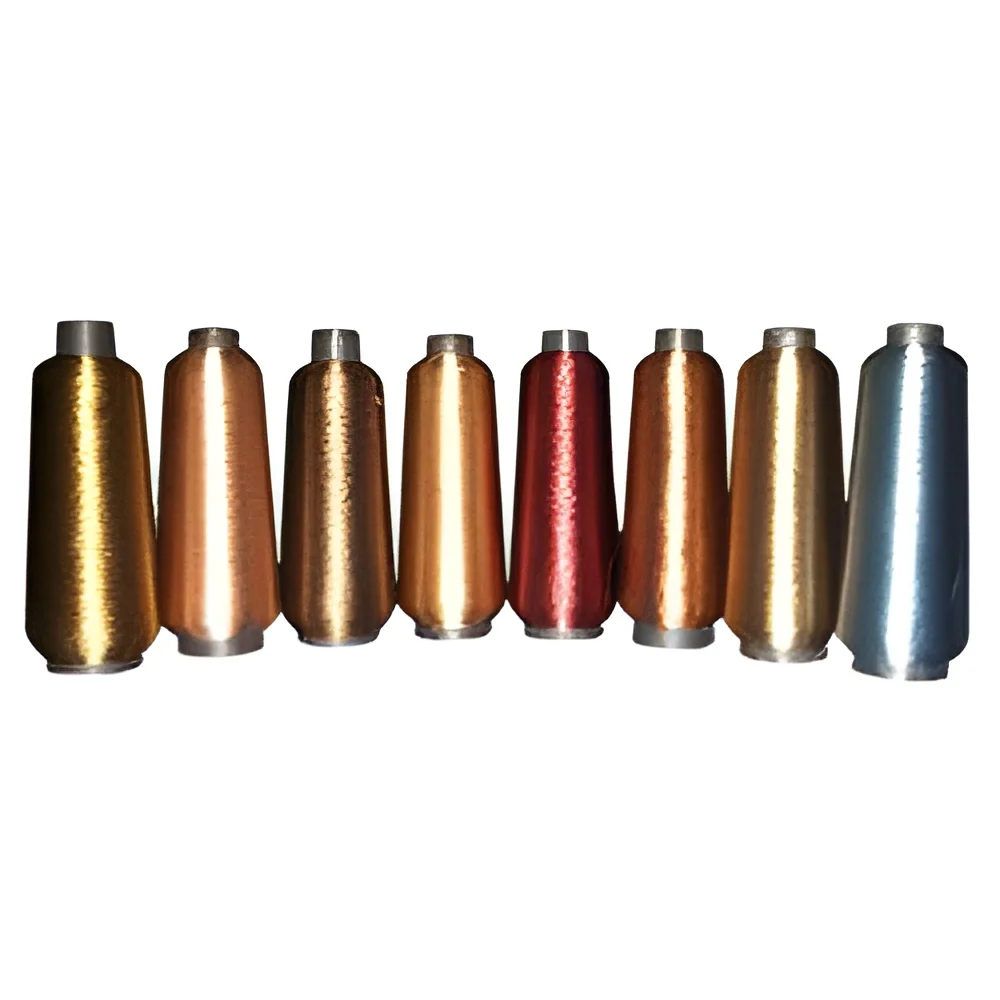
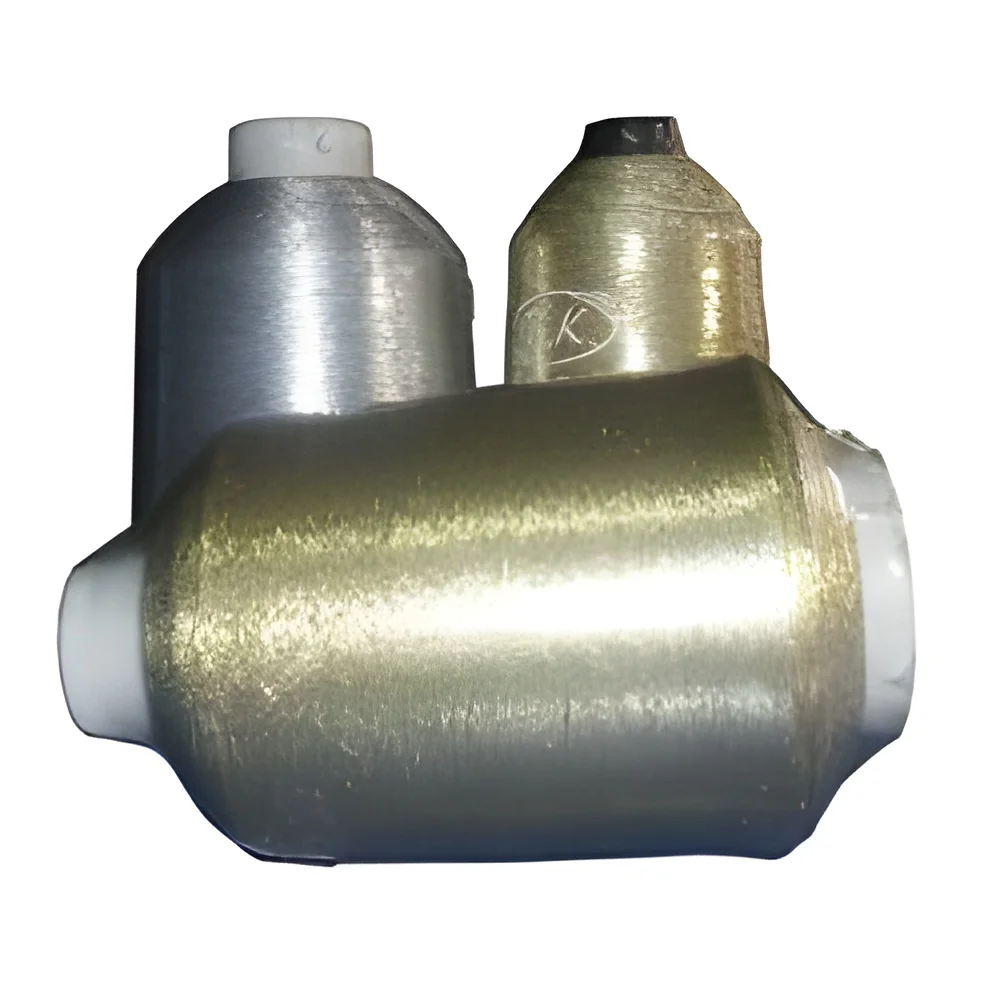
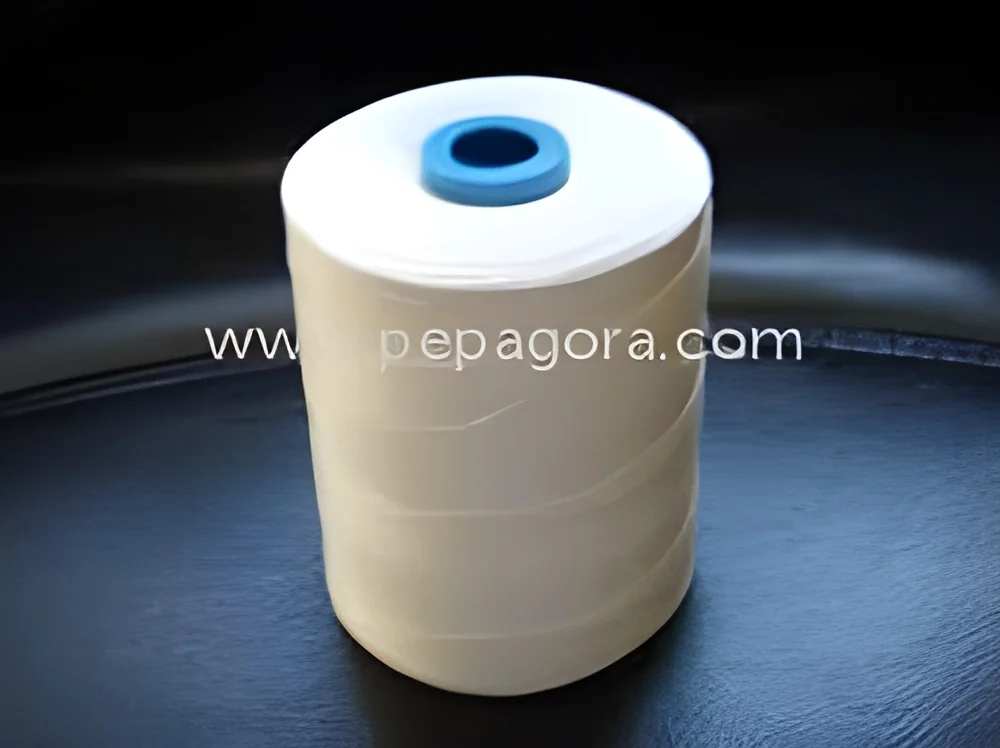
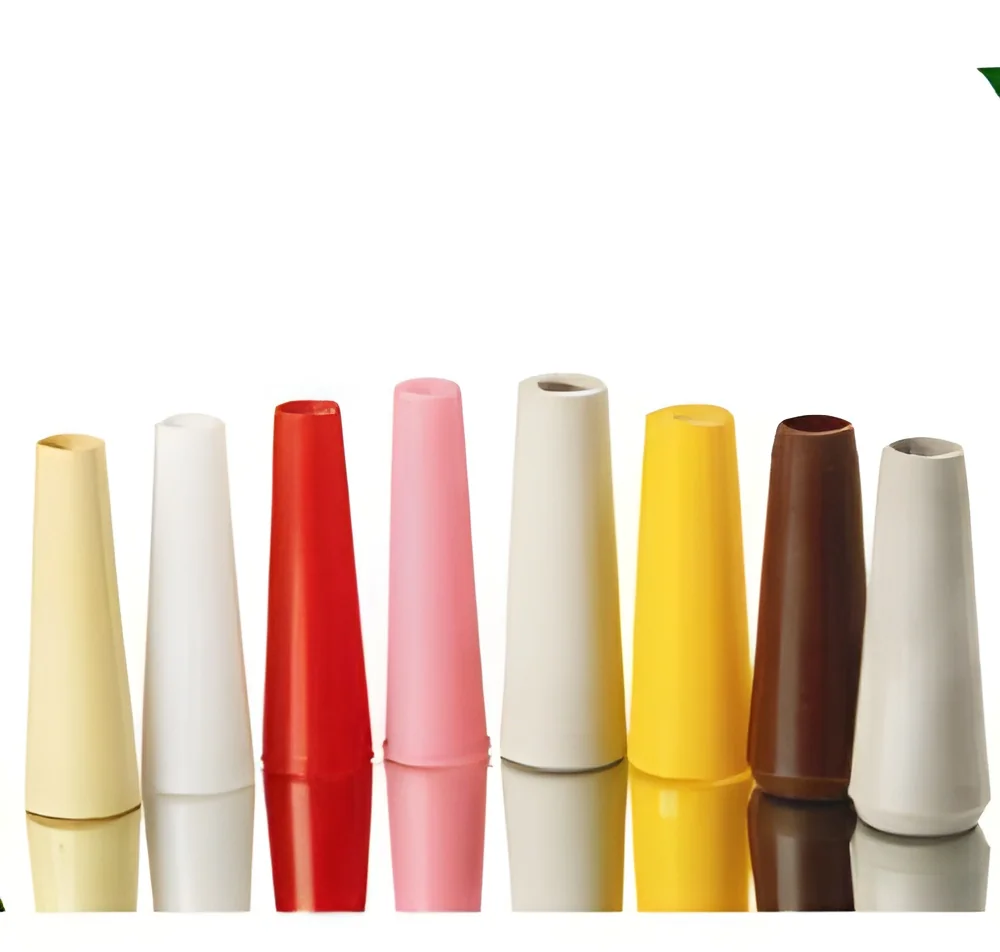
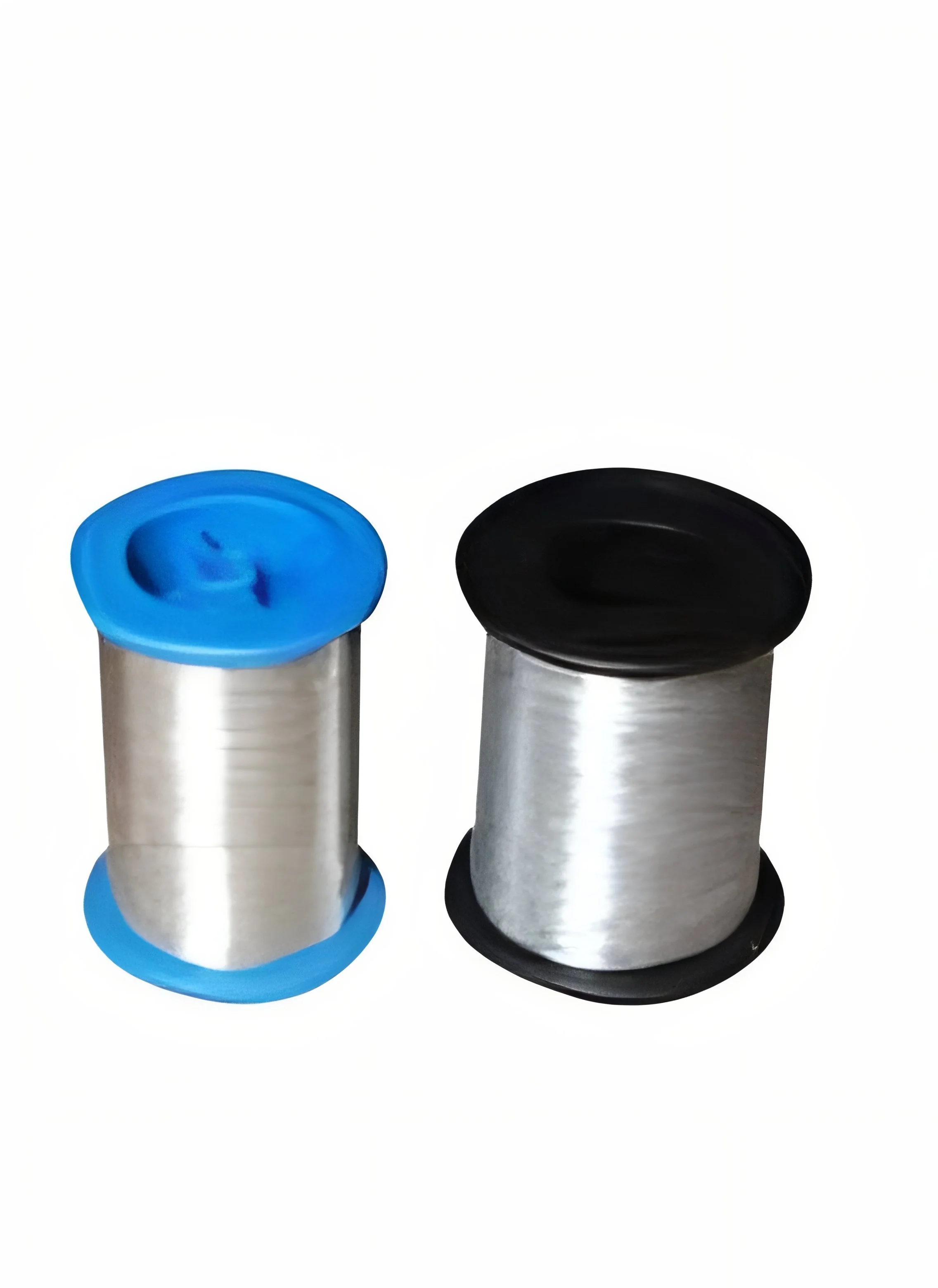
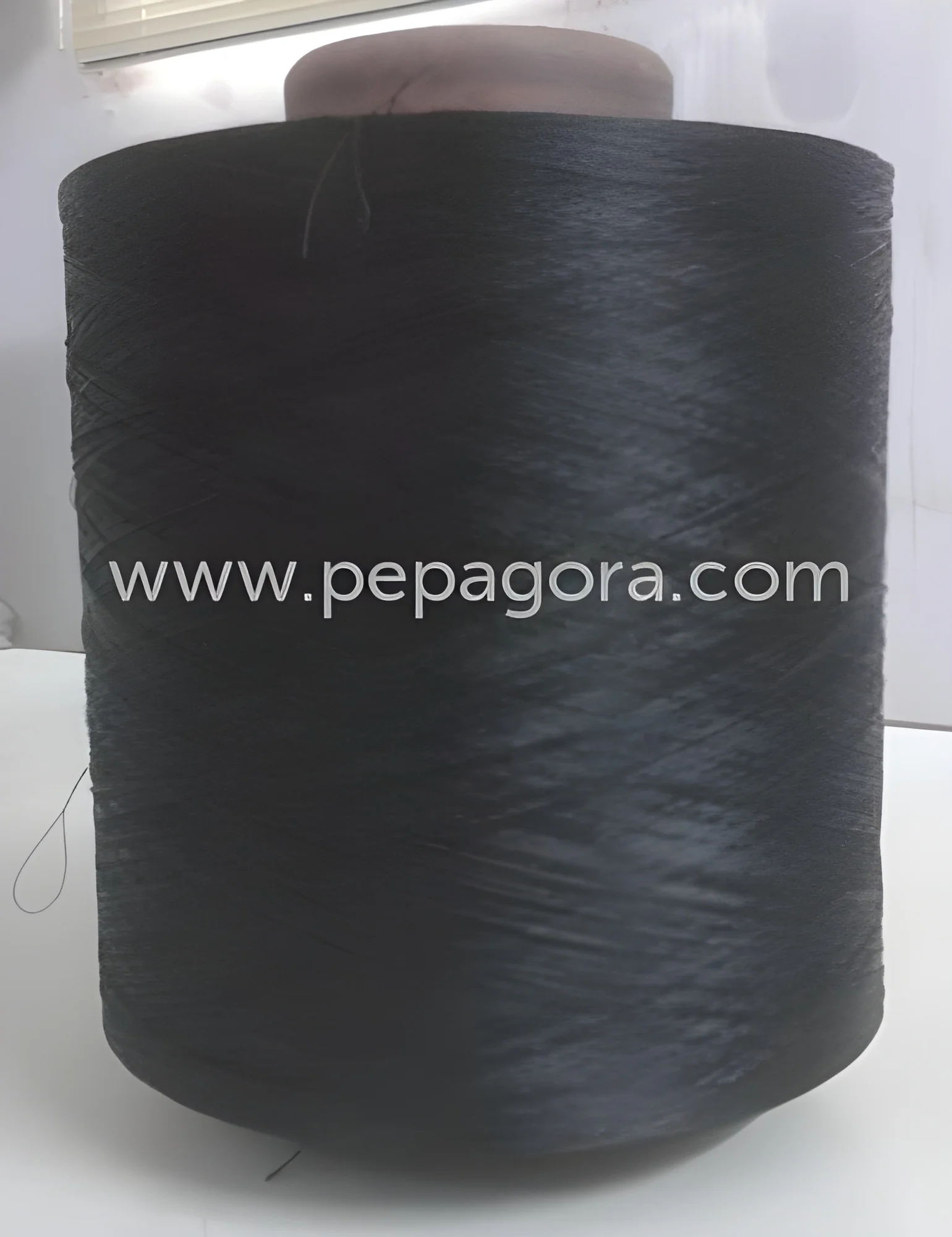
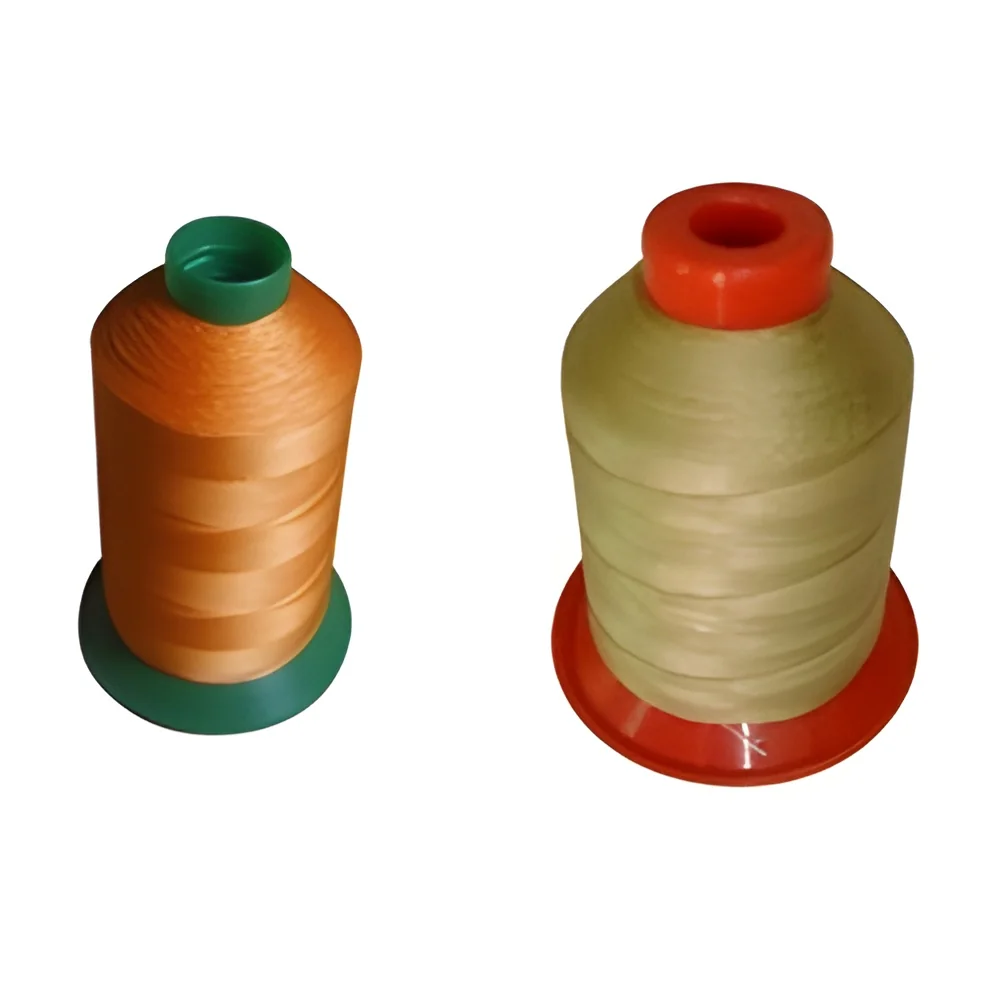
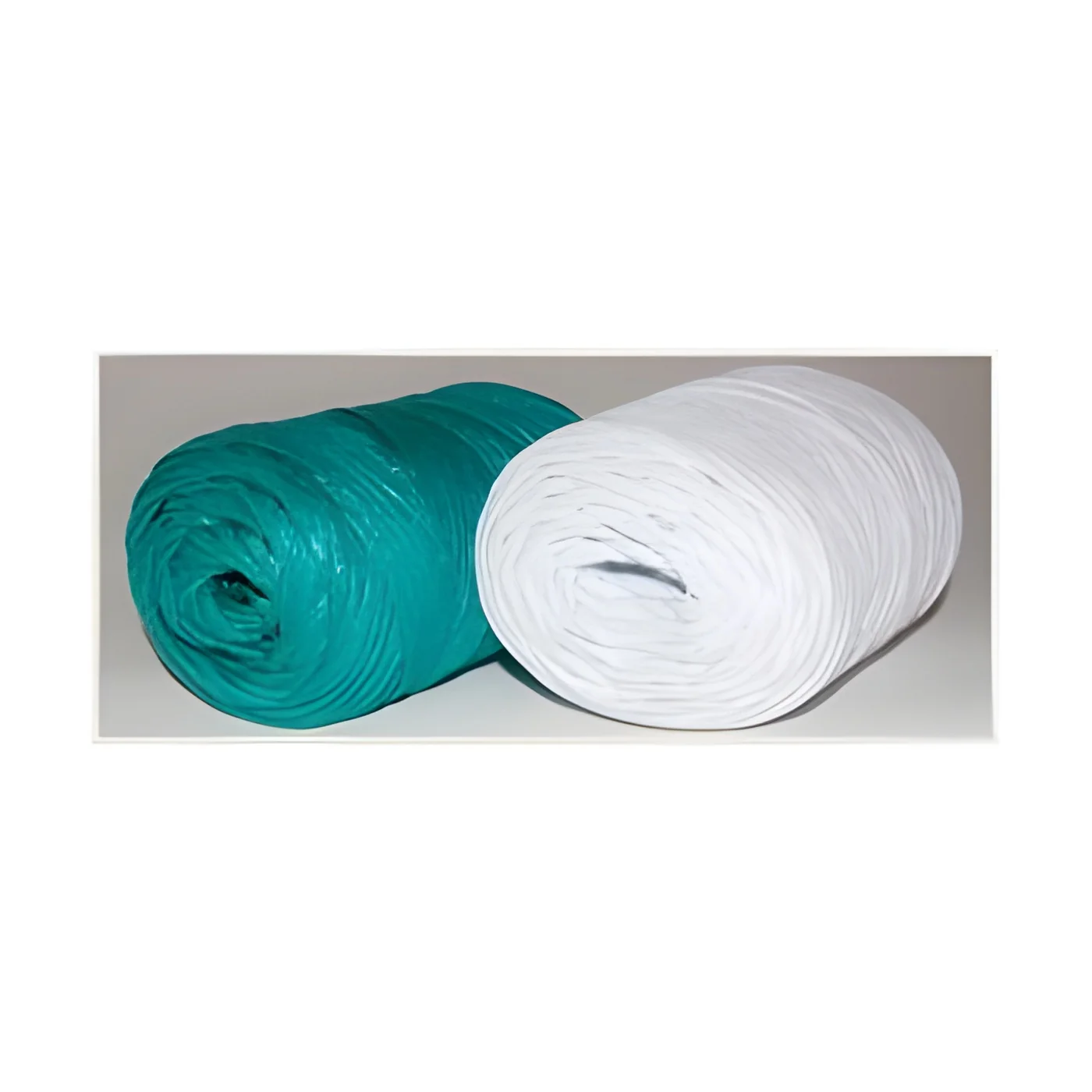
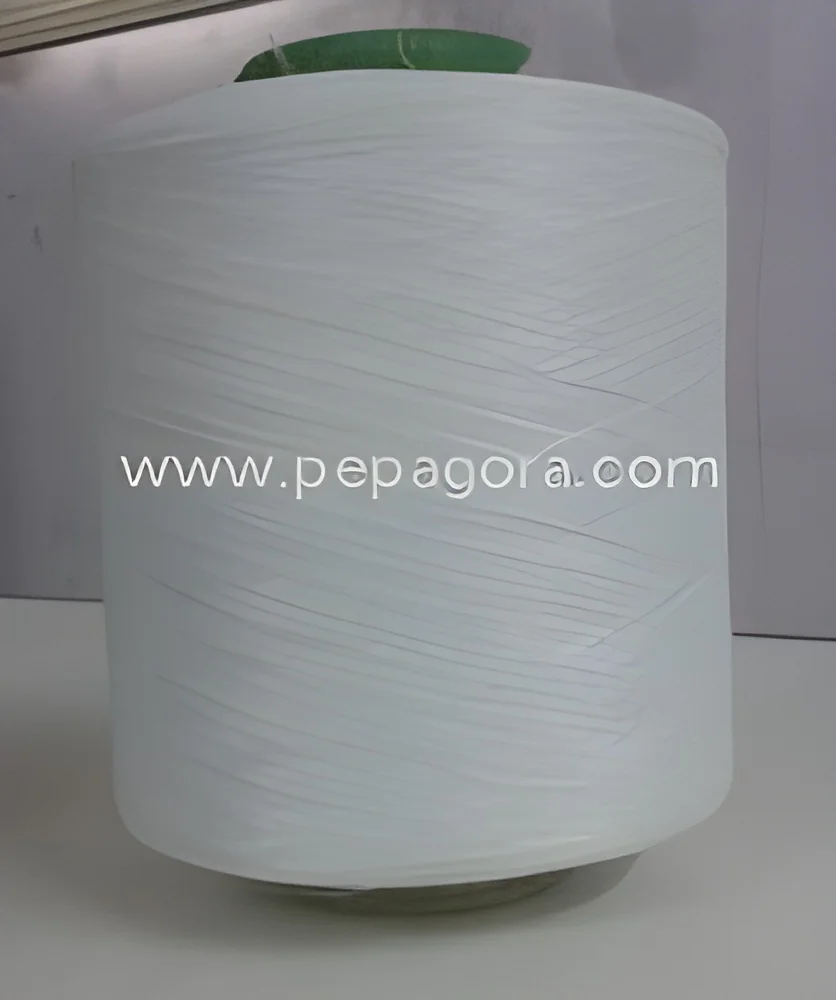
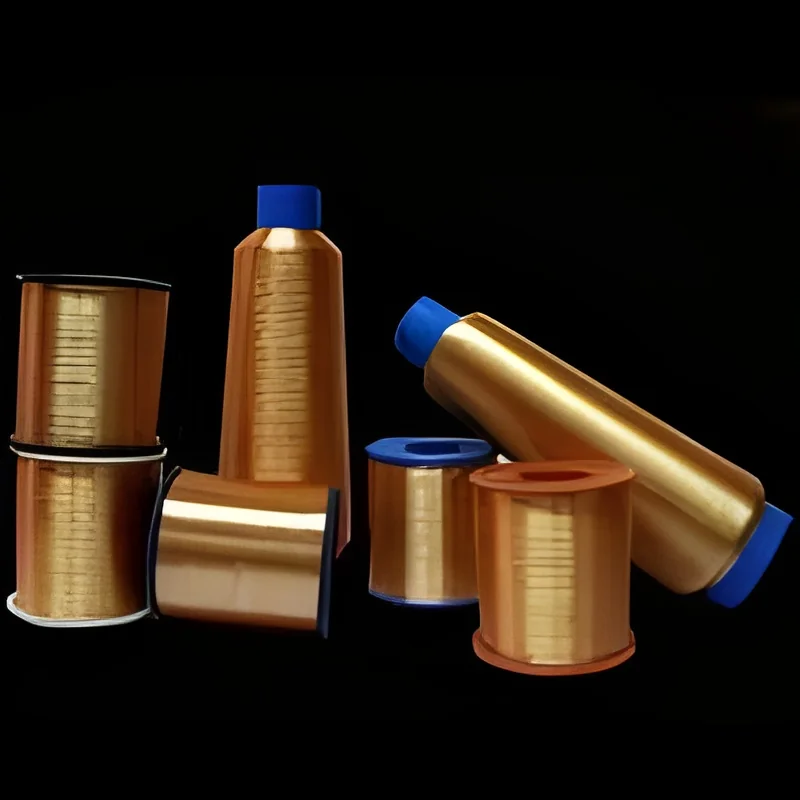
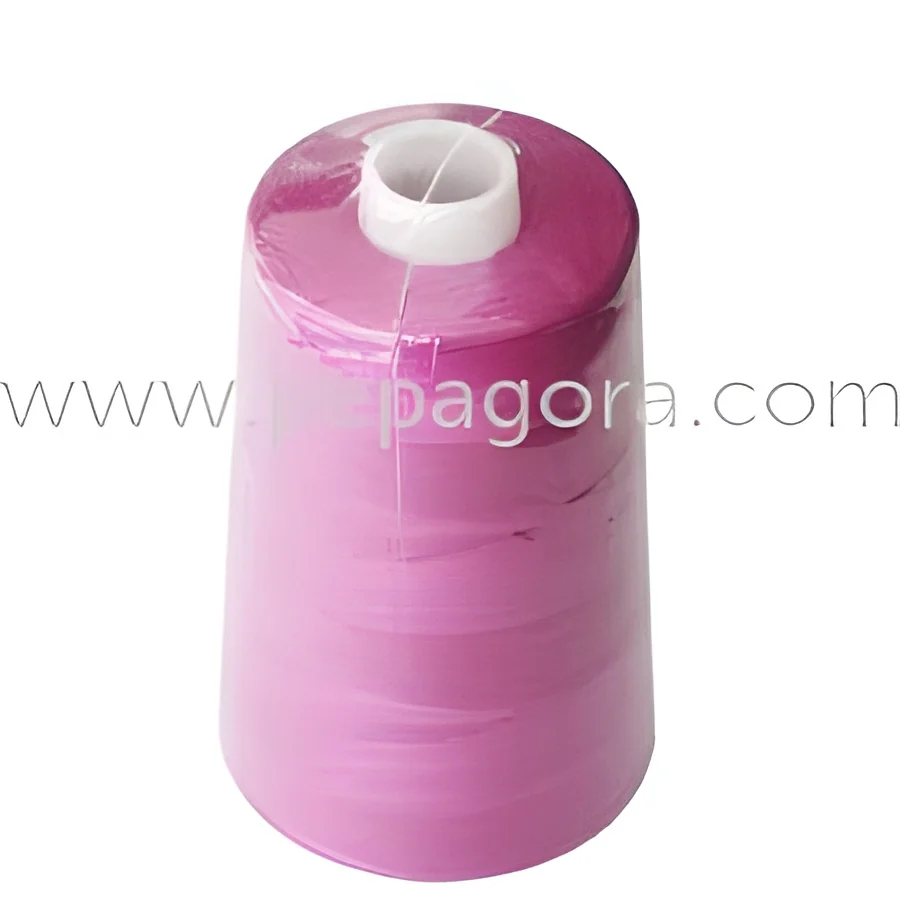
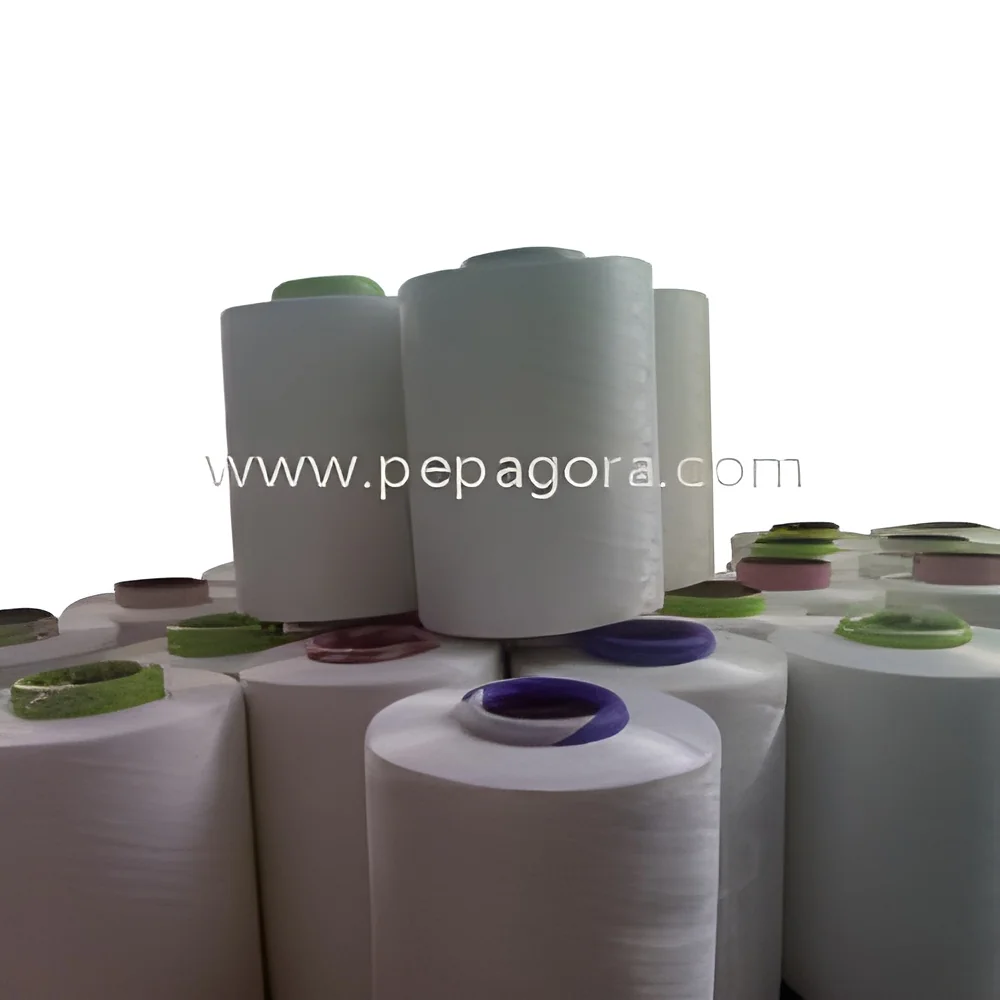
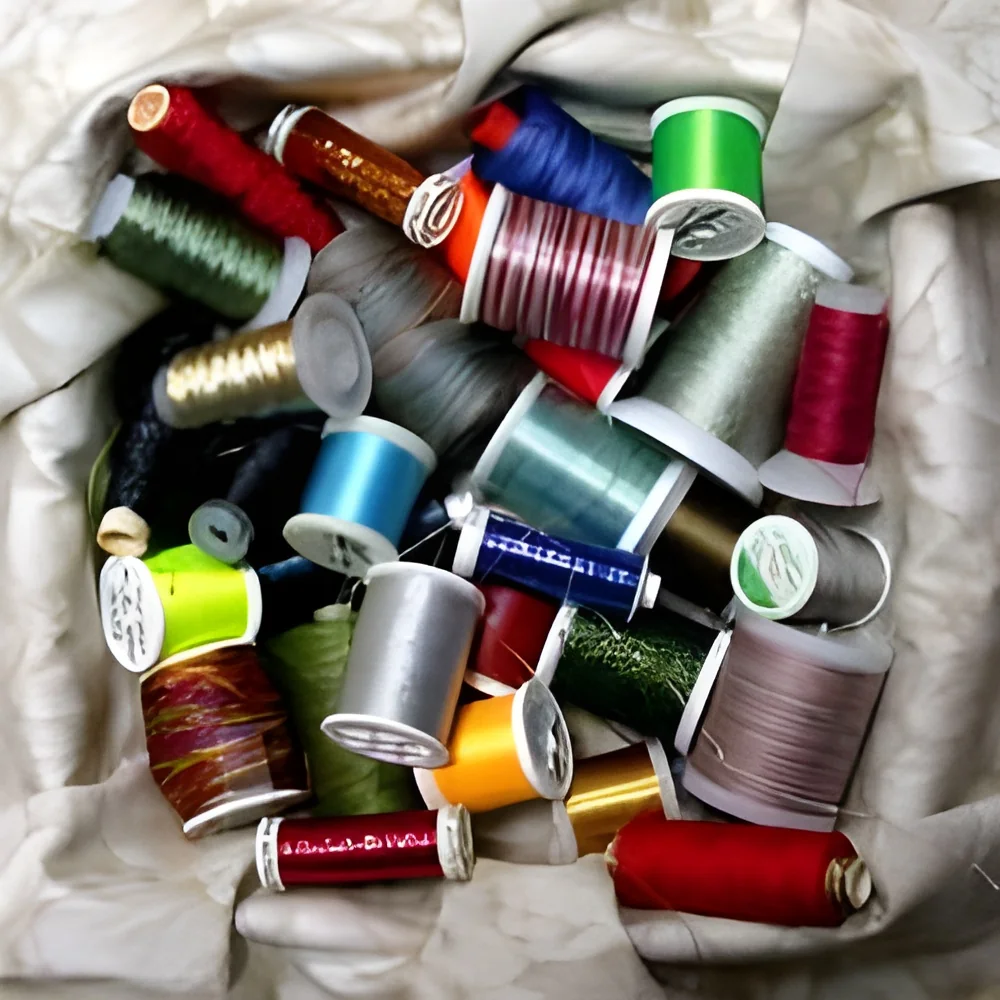
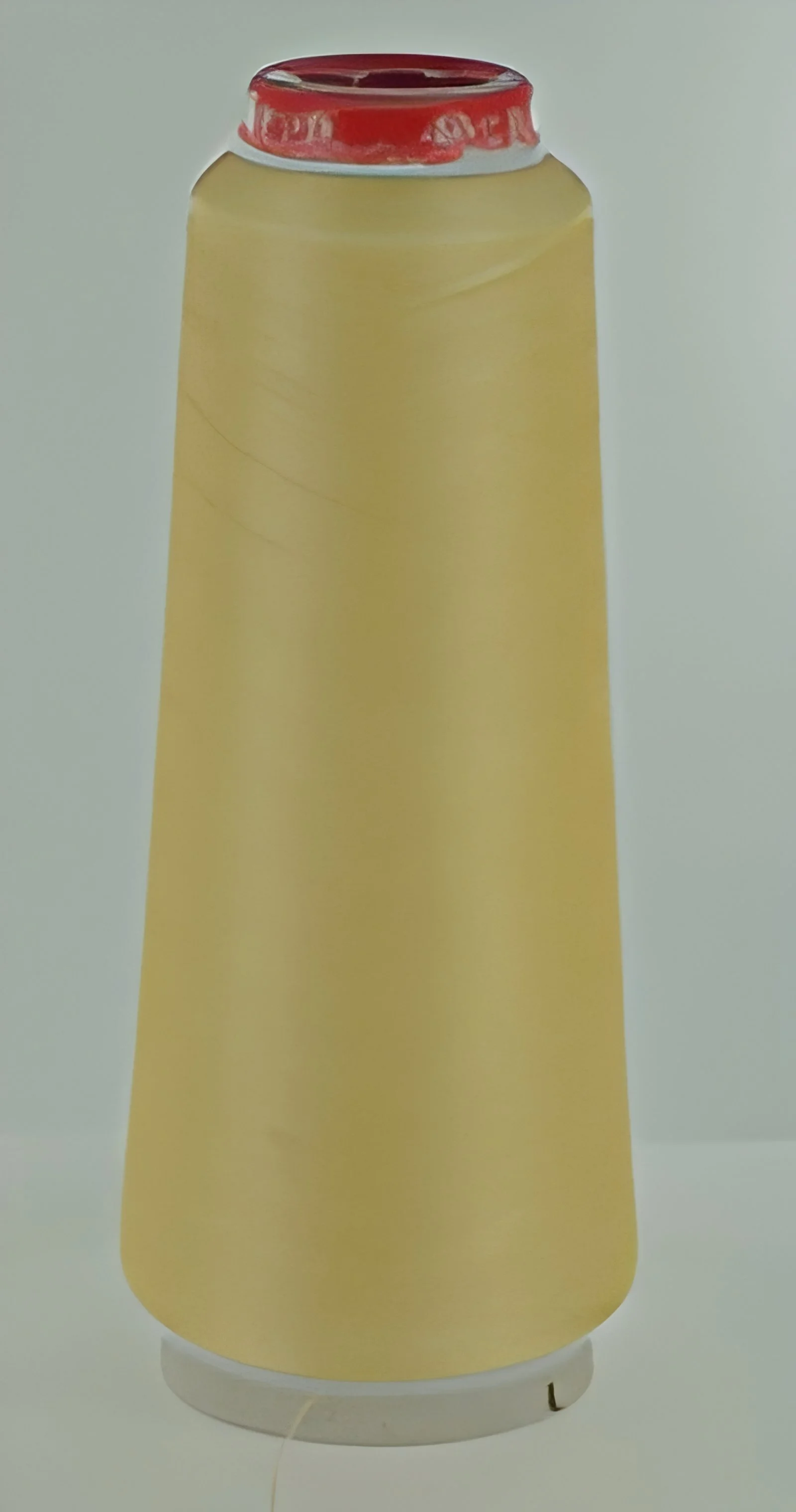
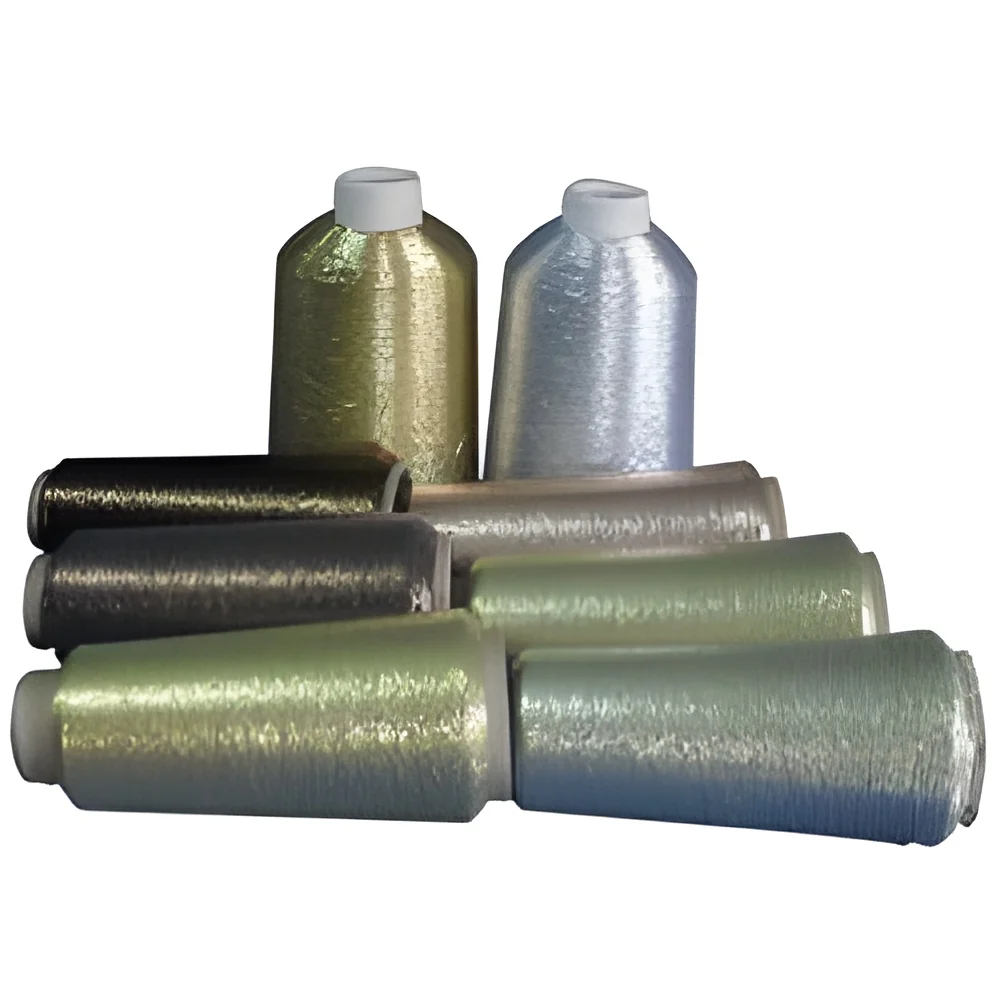
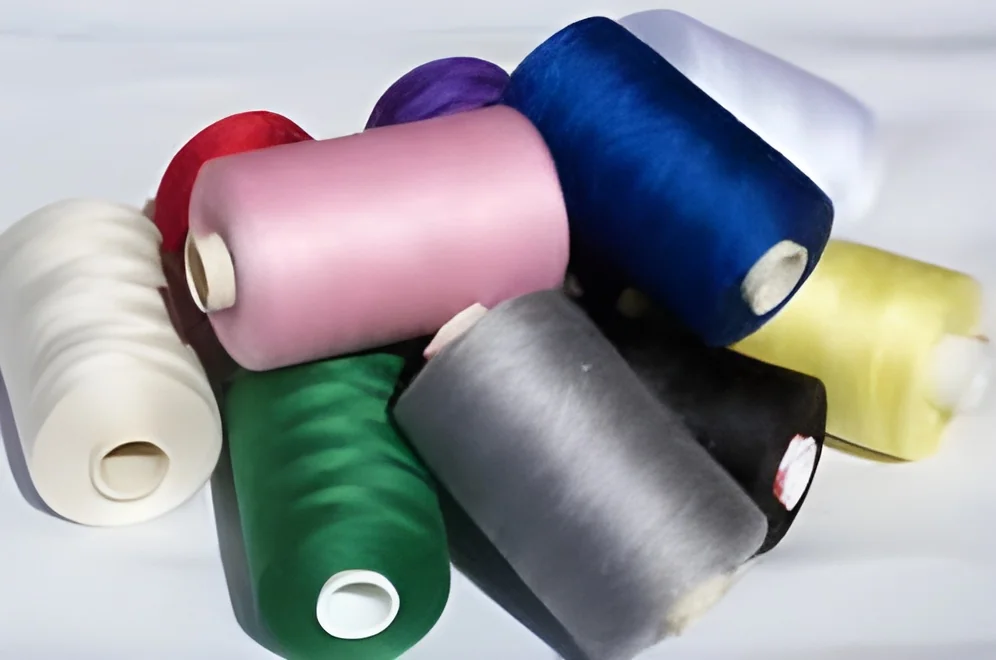
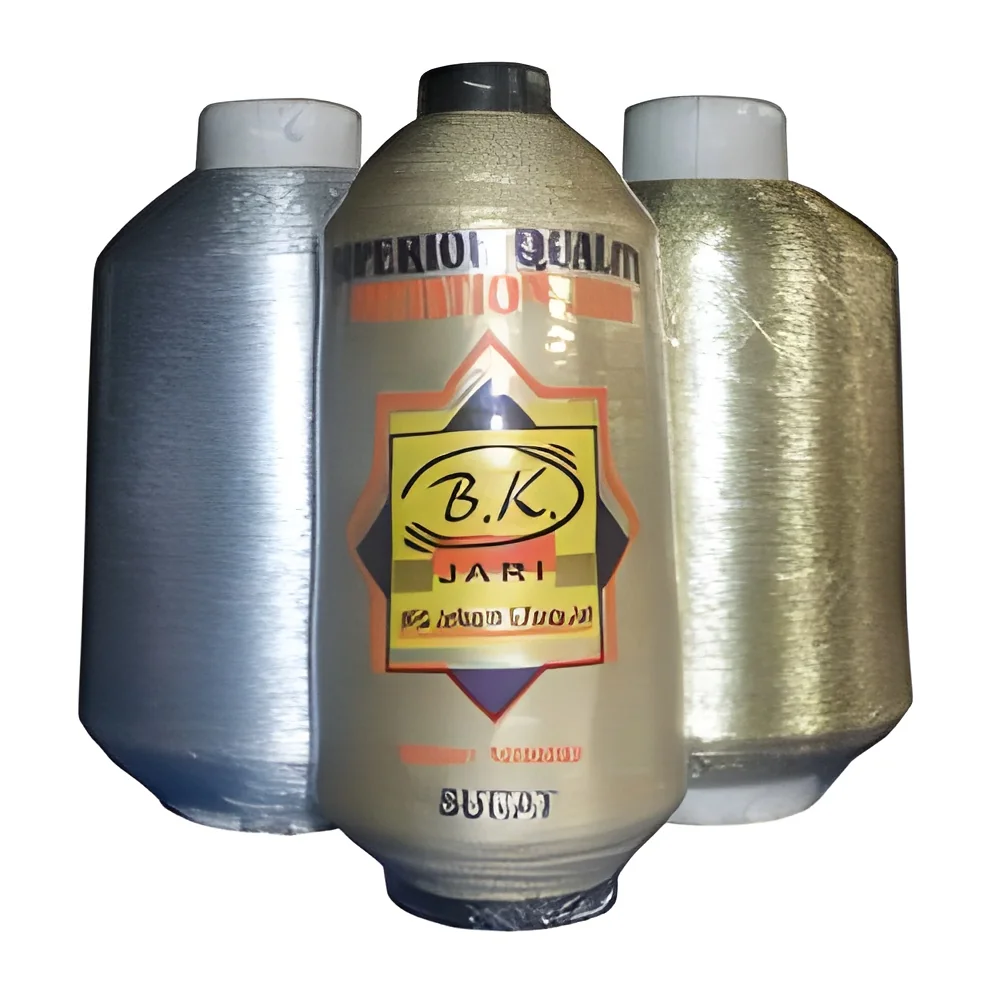
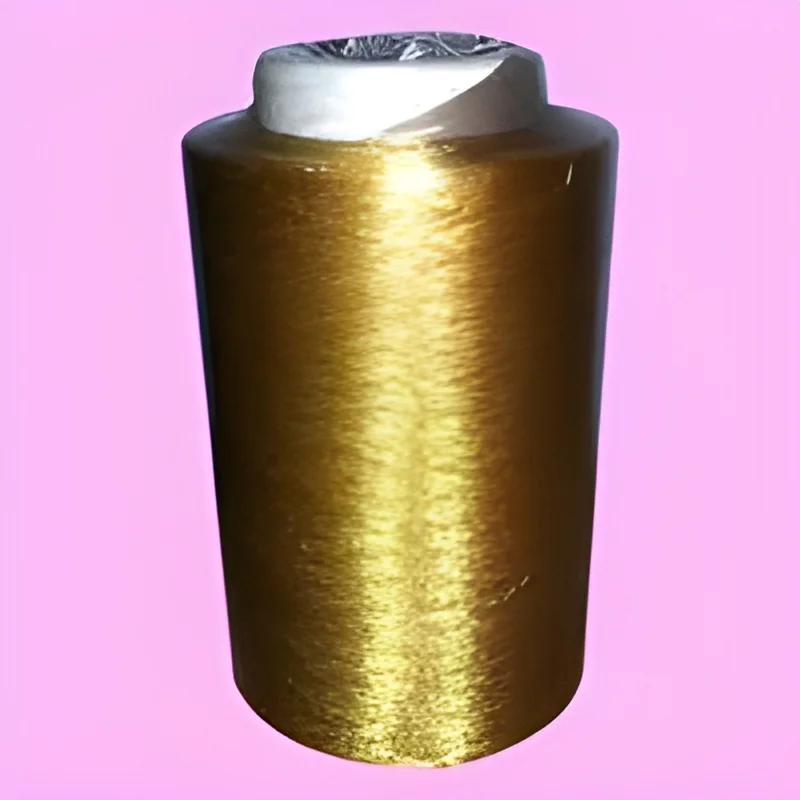
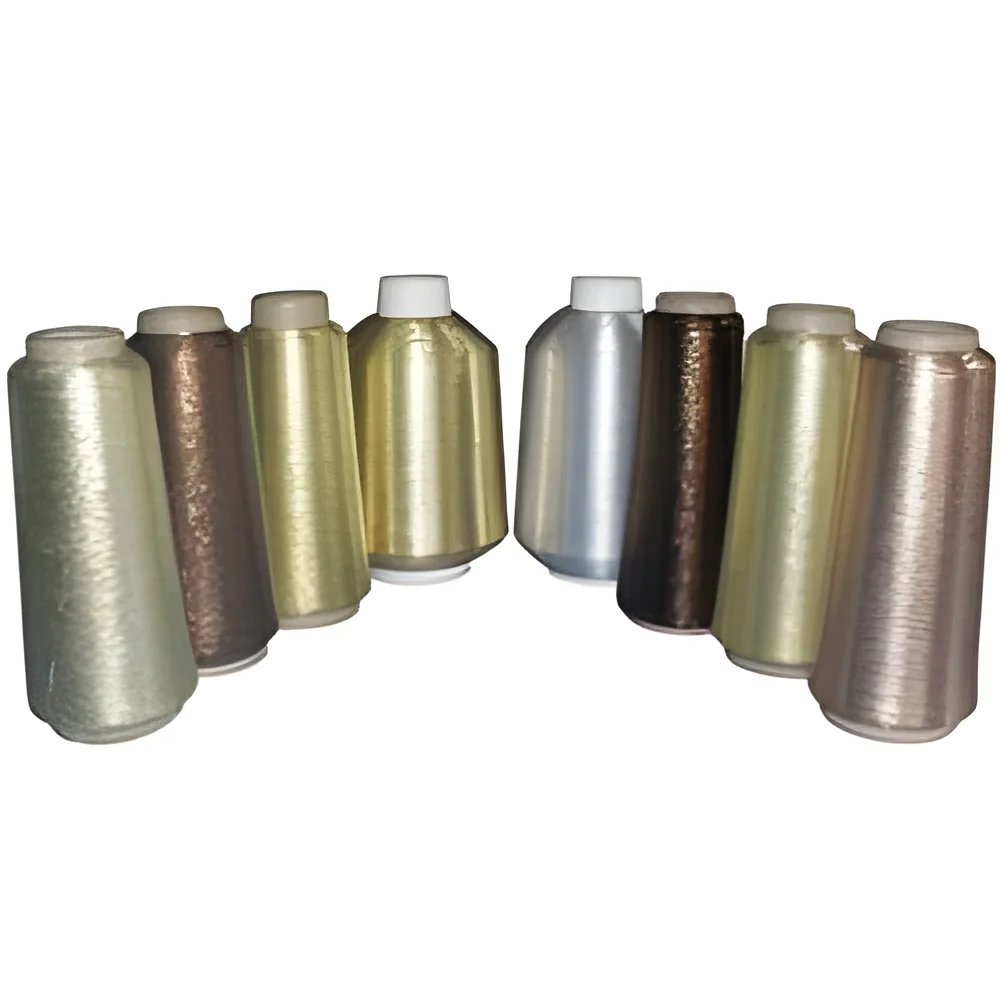
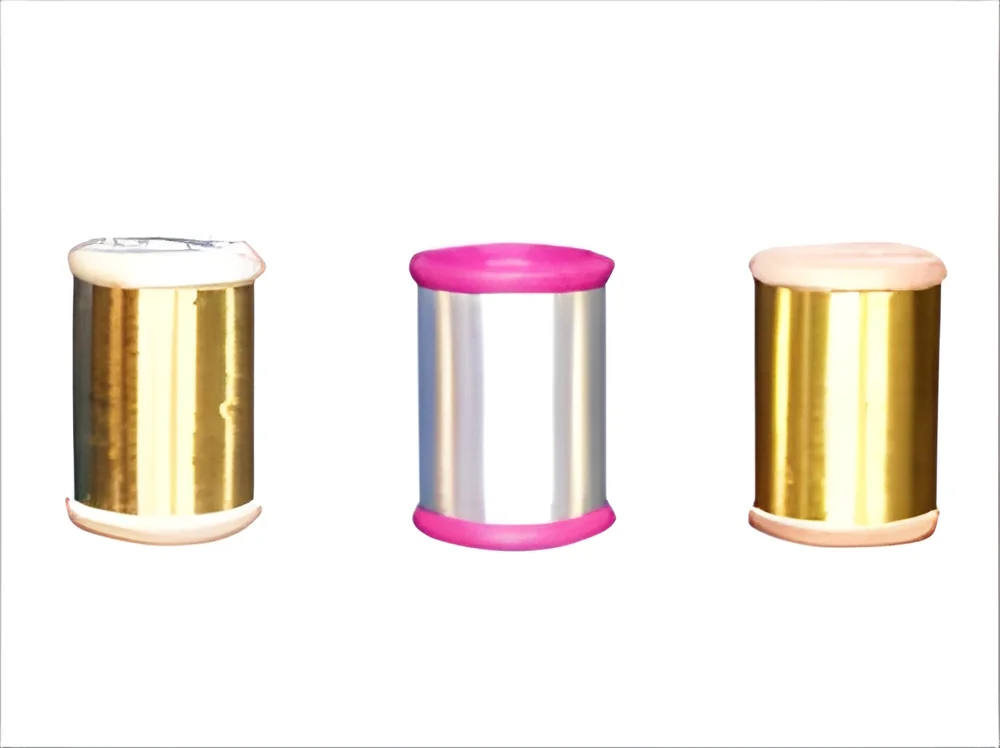
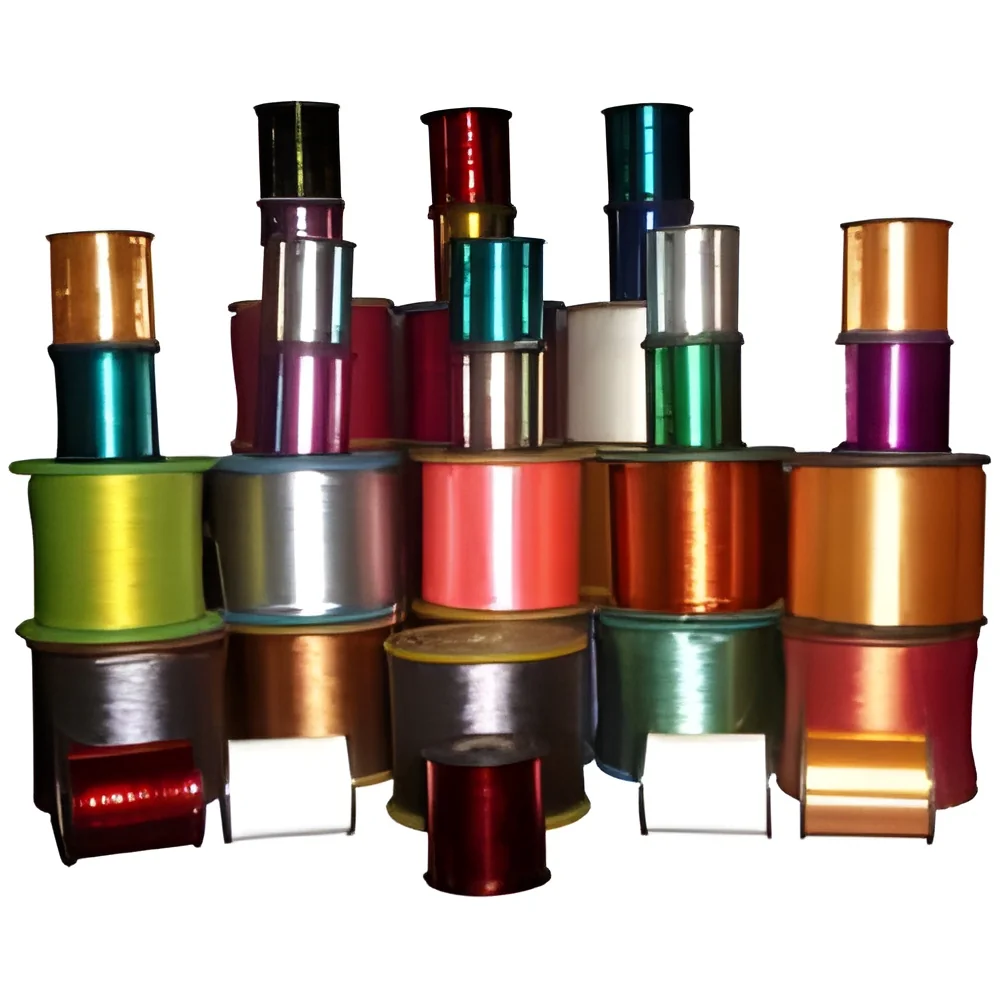
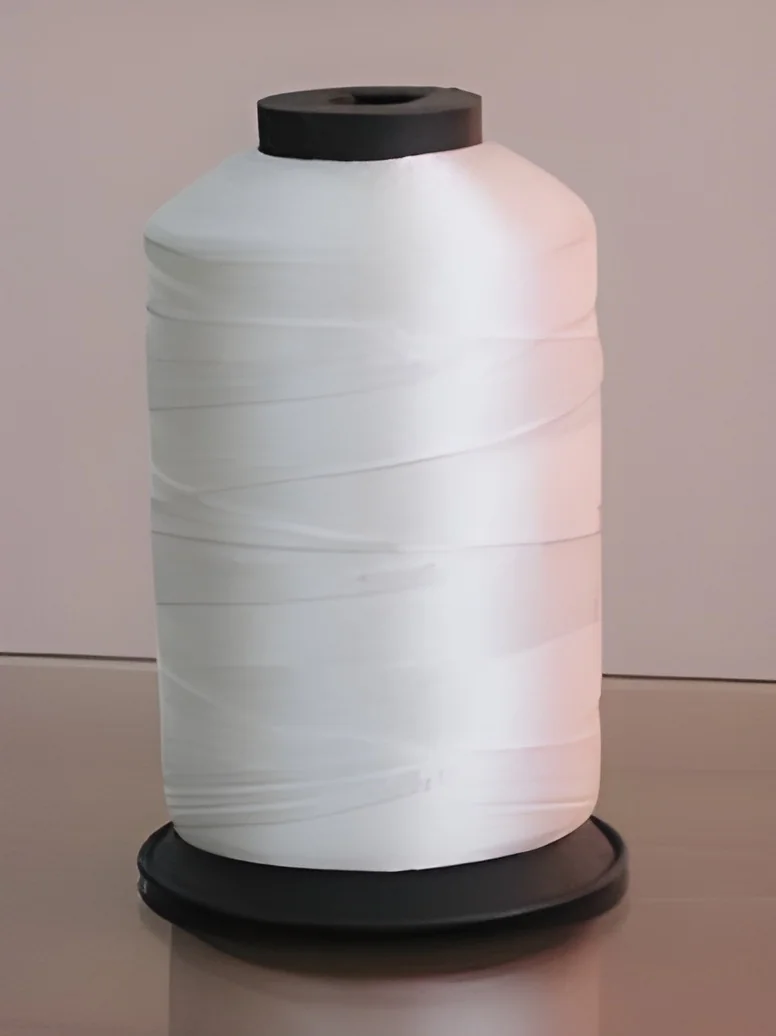
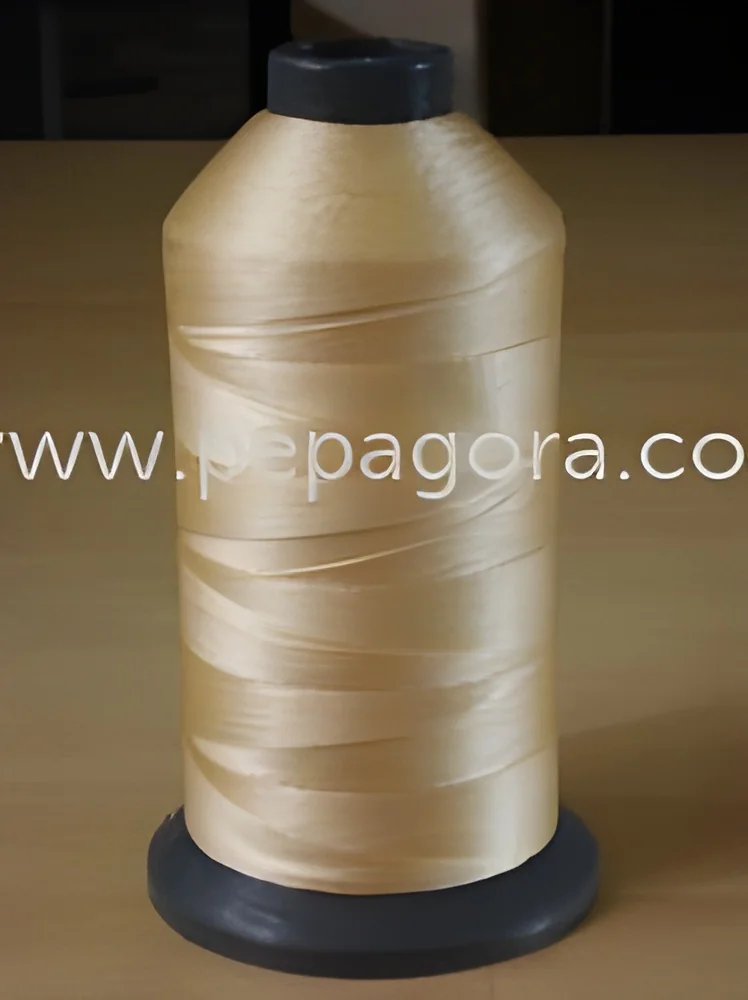
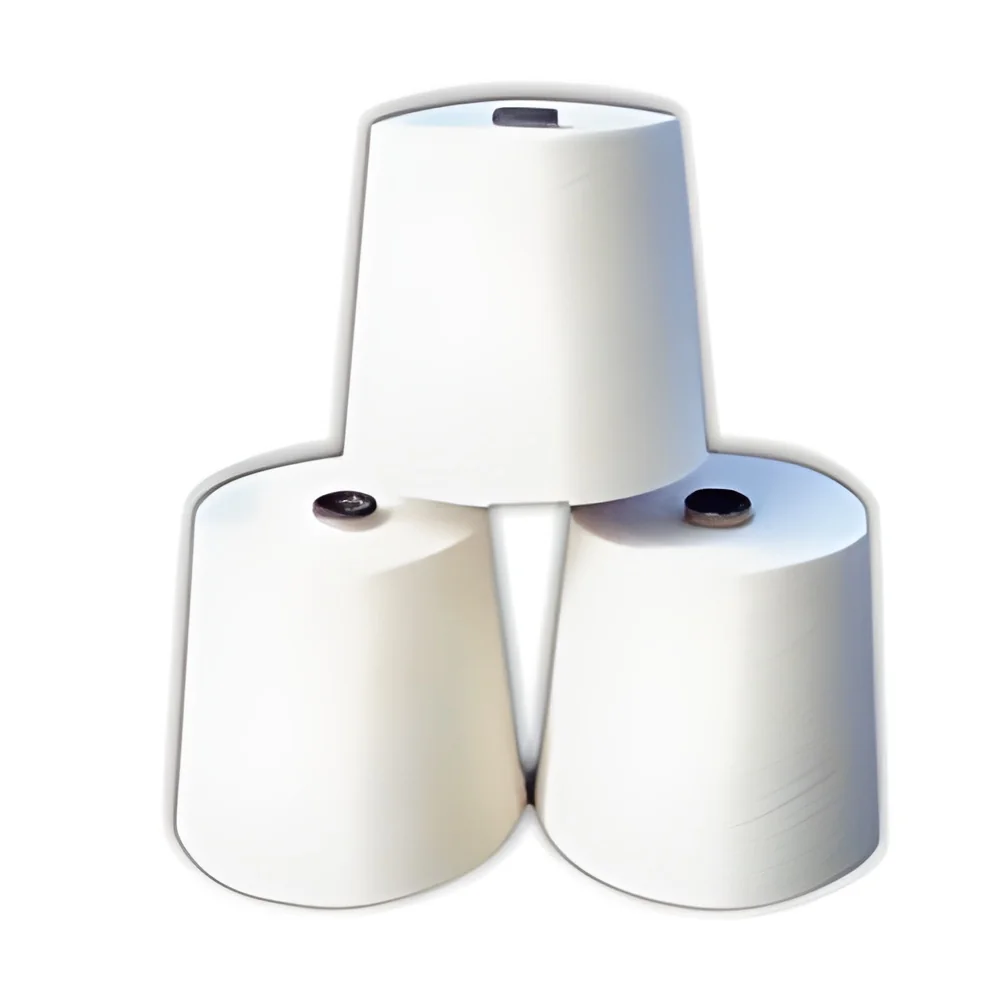
What are Sewing Threads?
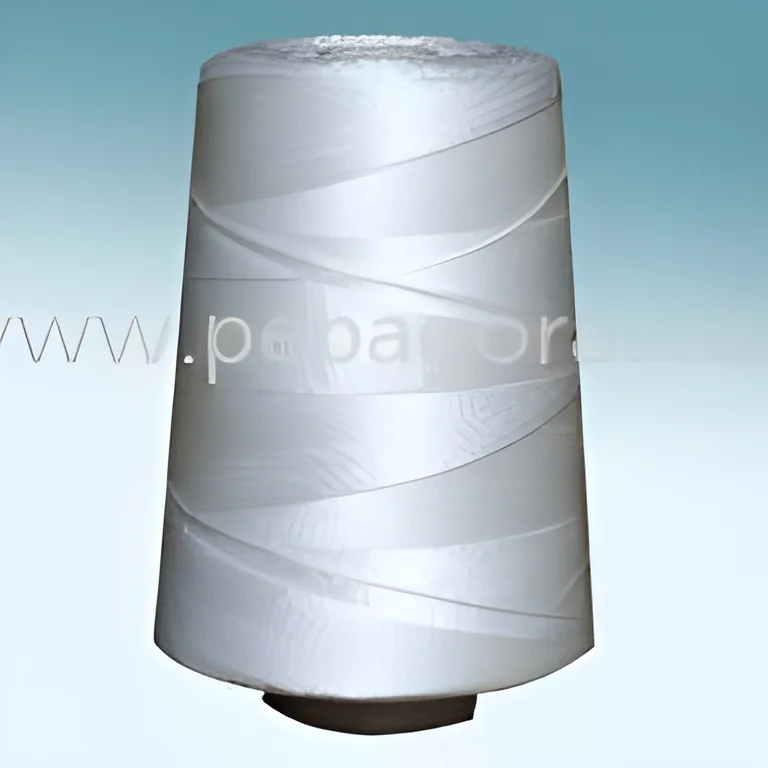
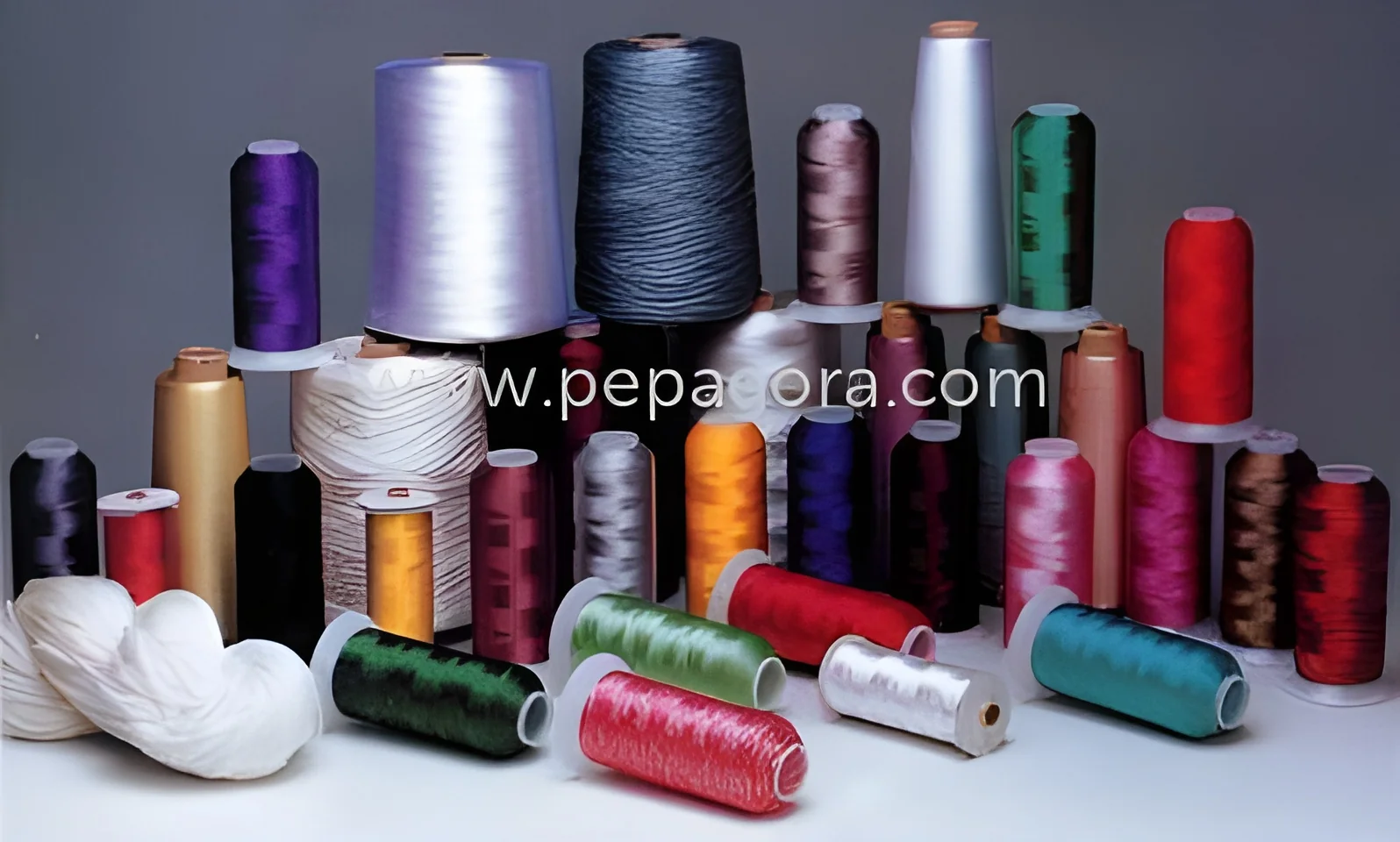
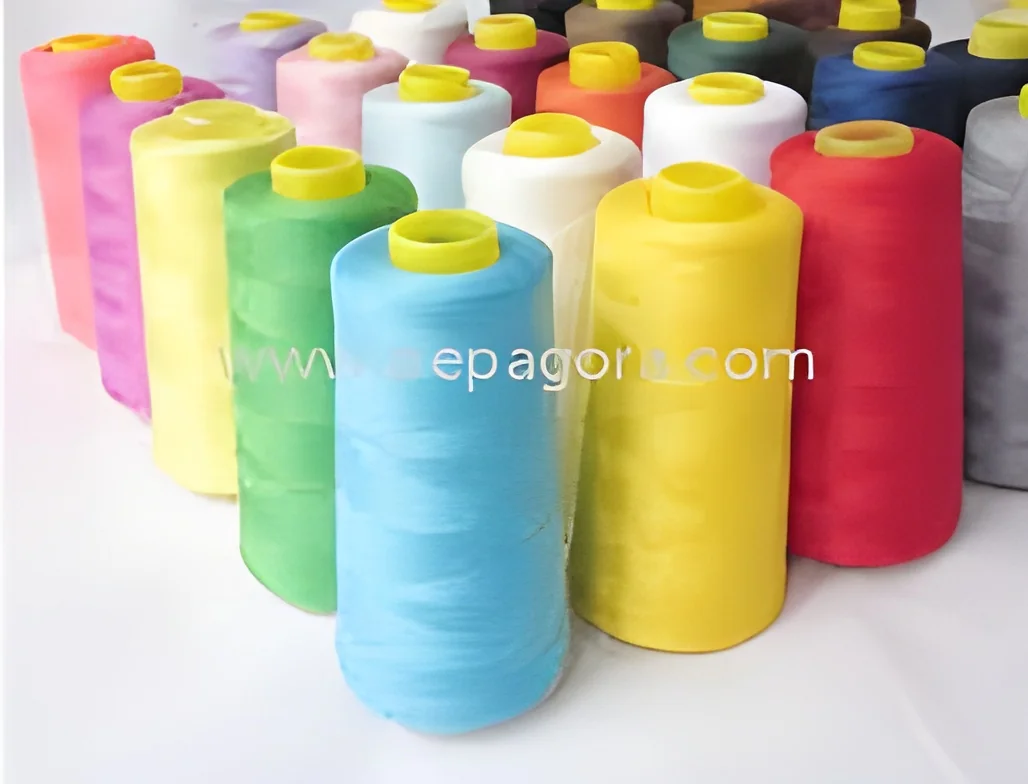
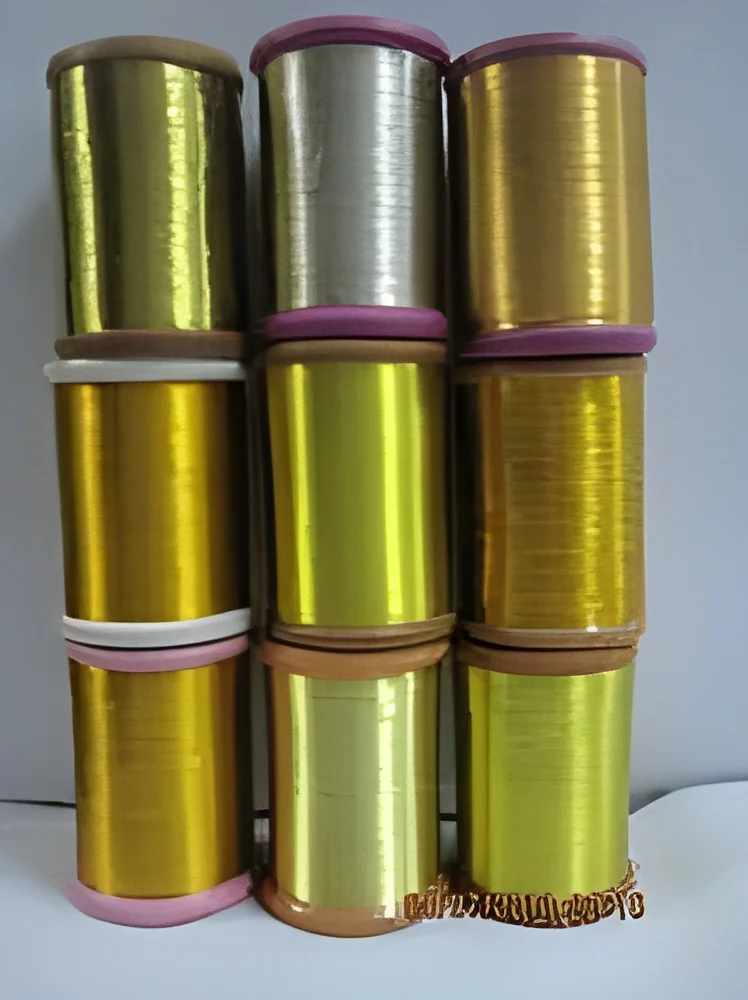
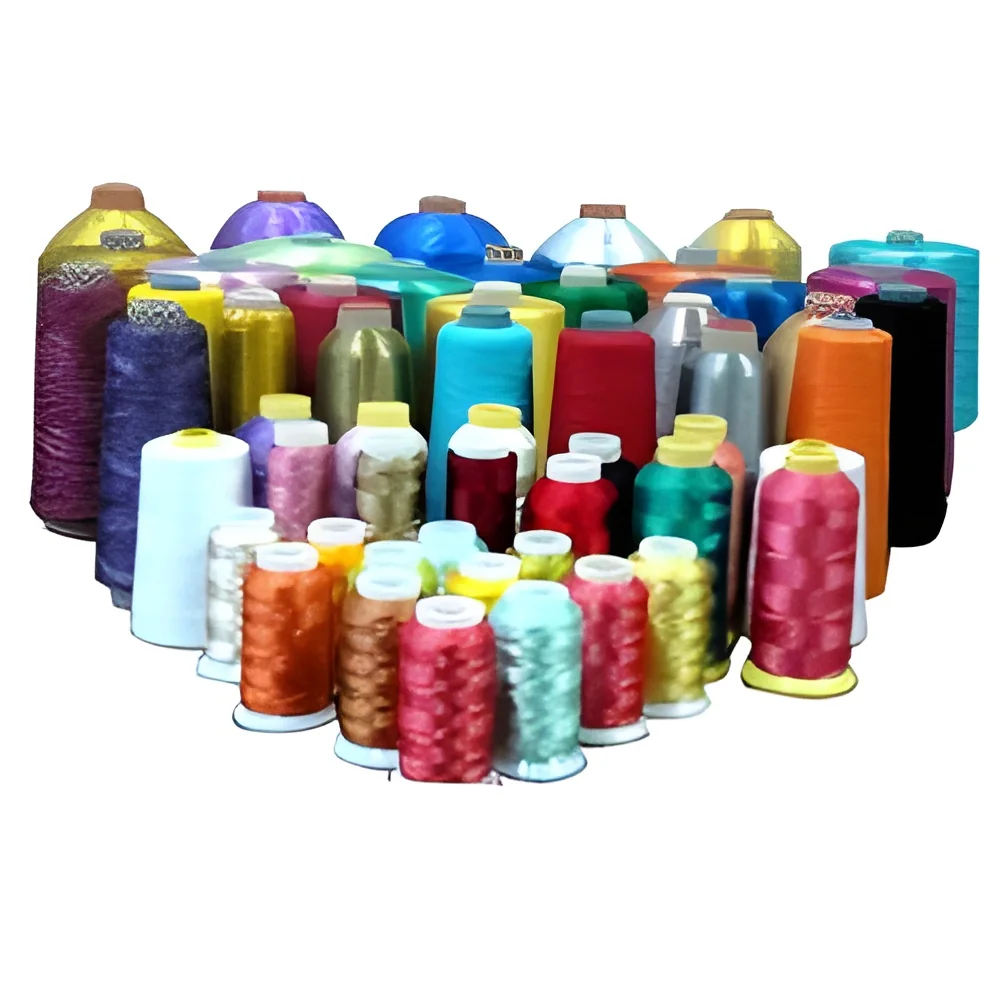
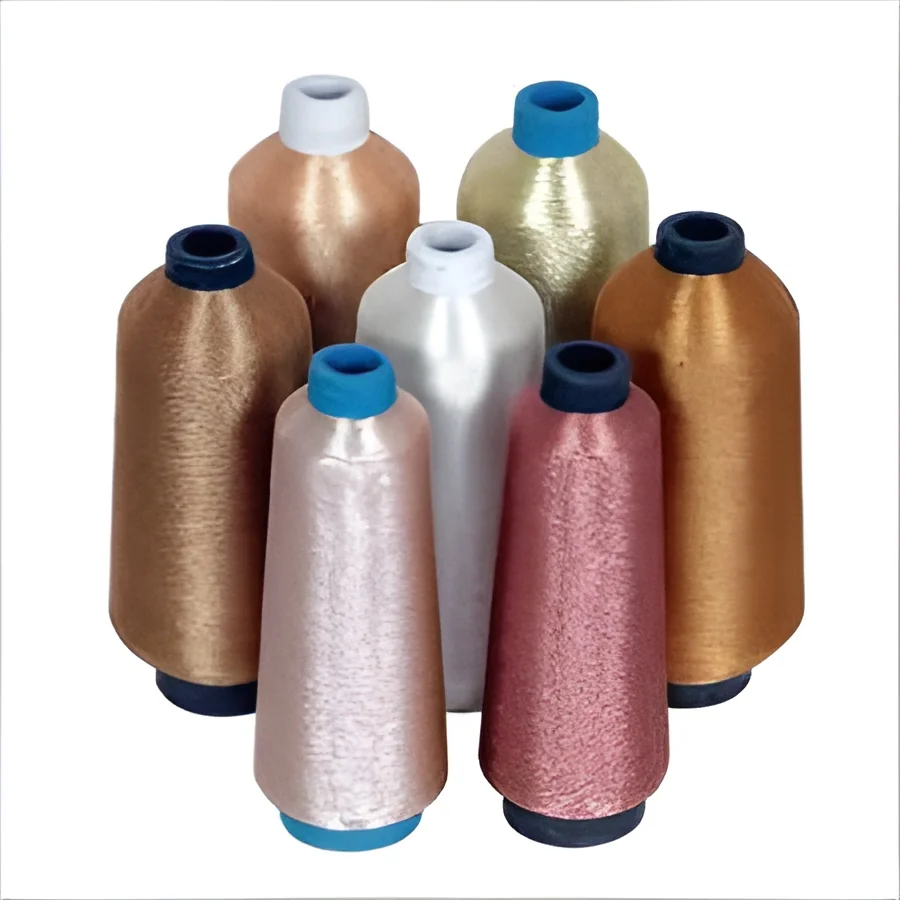
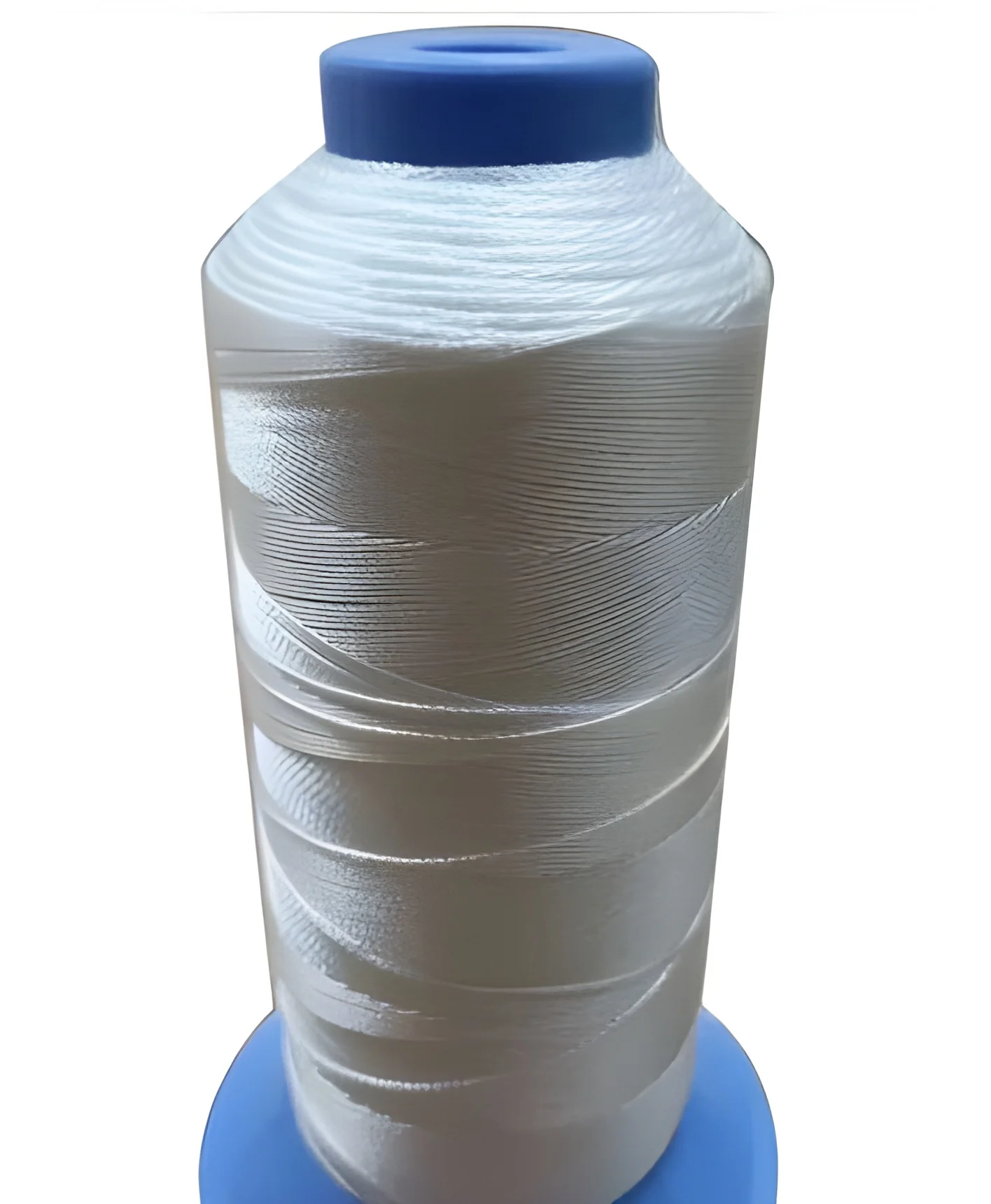
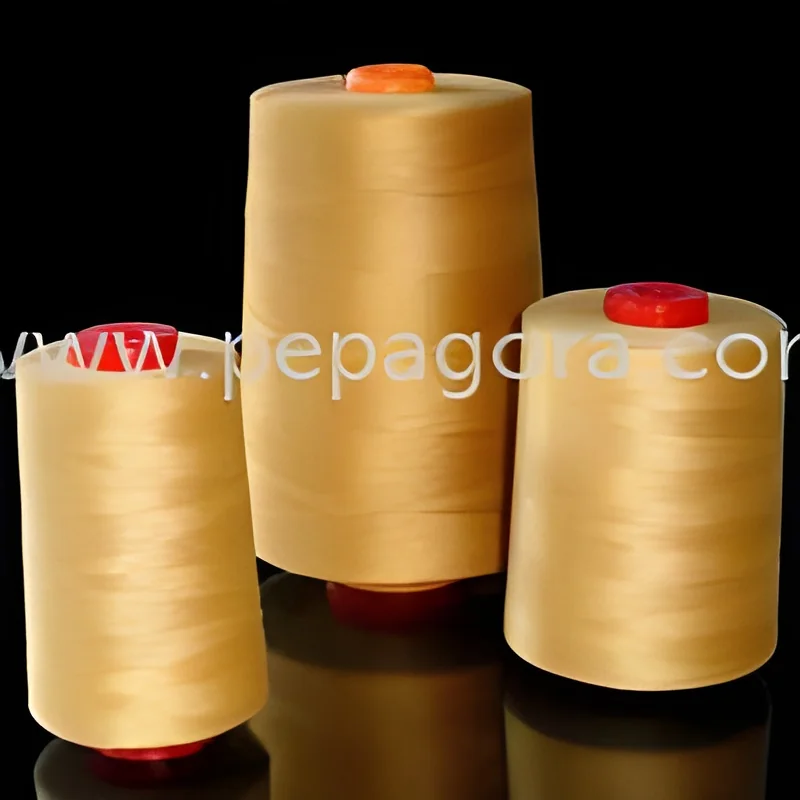
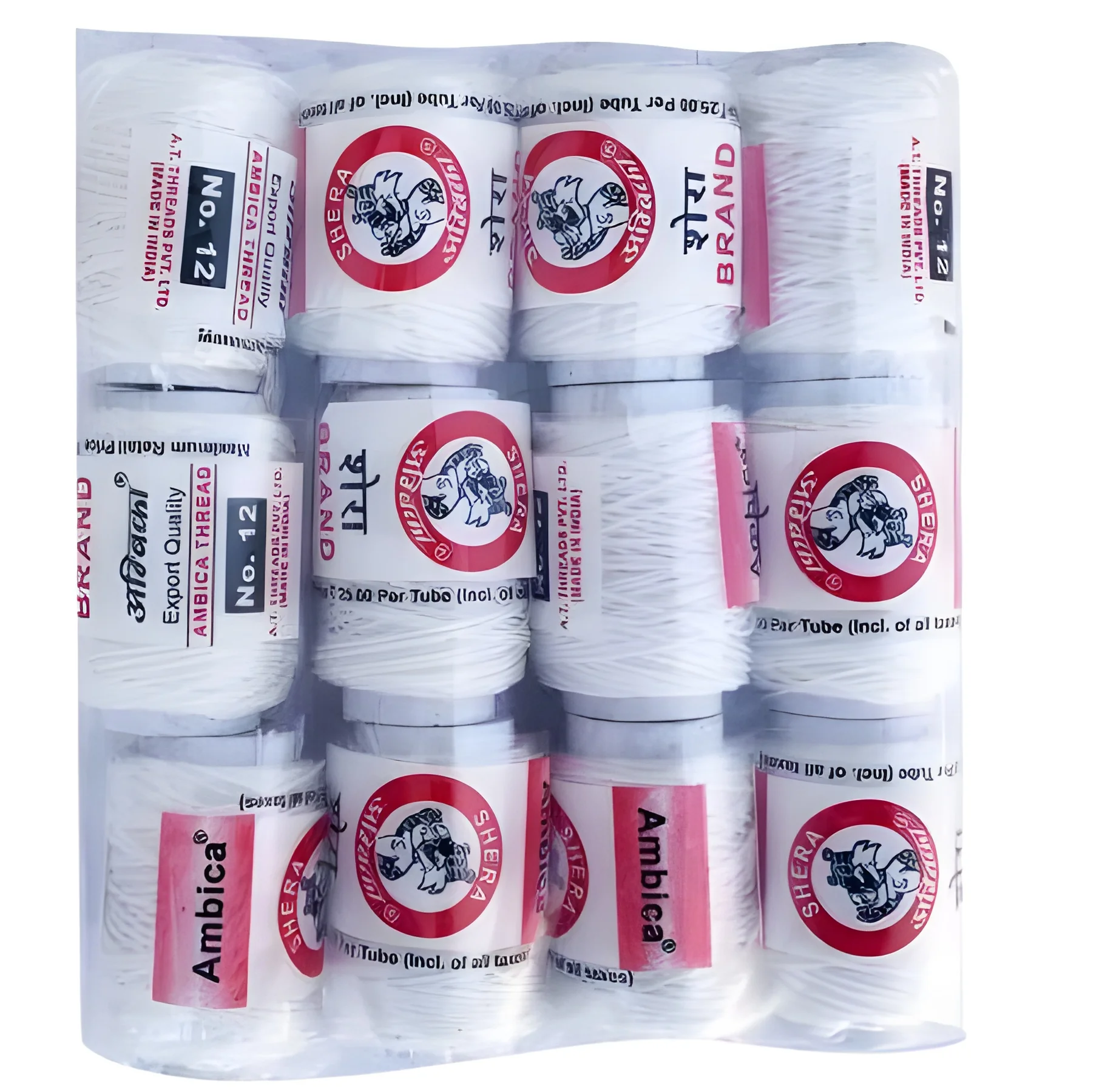
Sewing threads are specialized fibers used for stitching fabrics together in various textile applications. They come in a range of materials, including cotton, polyester, nylon, and silk, each chosen for specific properties such as strength, elasticity, and durability. The choice of thread can significantly affect the quality and appearance of the final product, making it a critical component in garment manufacturing and textile production.
These threads are primarily used in industries such as apparel, upholstery, automotive, and leather goods. In the apparel industry, sewing threads connect fabric pieces, ensuring garments are functional and aesthetically pleasing. In upholstery, they provide strength to hold together heavy fabrics. Additionally, threads are crucial in the automotive industry for stitching car interiors and in leather goods for reinforcing seams. The demand for high-quality sewing threads is driven by the growing textile market and the need for durable, long-lasting products.
Key Features and Specifications
Sewing threads are characterized by several key features that define their performance and suitability for specific applications. Understanding these specifications is essential for selecting the right thread for any project.
Key specifications include:
1. Material Type
- Common materials include cotton, polyester, nylon, and silk.
- Each material offers unique properties such as strength, stretch, and finish.
2. Thread Weight
- Thread weight is measured in denier or tex.
- Options range from fine threads used for delicate fabrics to thicker threads for heavy-duty applications.
3. Tensile Strength
- Indicates the maximum stress a thread can withstand before breaking.
- Typically measured in pounds or kilograms.
4. Elasticity
- Refers to the thread's ability to stretch without breaking.
- Important for applications requiring flexibility, such as activewear.
5. Colorfastness
- Measures the thread's resistance to fading or discoloration under exposure to light and washing.
- Critical for maintaining the appearance of finished products.
6. Finish Type
- Threads may have finishes such as waxed or bonded to enhance performance.
- These finishes can improve sewing ease and reduce fraying.
7. Certification
- Many threads comply with industry standards such as CE.
- Ensures quality and safety in applications.
8. Application Suitability
- Specific threads are designed for various sewing techniques such as embroidery or overlocking.
- Choosing the right thread enhances the durability and aesthetic of the final product.
In summary, the characteristics of sewing threads play a pivotal role in their performance and suitability for various applications, making it crucial for buyers to consider these specifications when sourcing.
Common Applications and Use Cases
Sewing threads are versatile tools that find applications across numerous industries. Understanding these applications can help businesses identify the right thread for their needs.
1. Apparel Industry: Sewing threads are essential for constructing garments, from casual wear to formal attire. The choice of thread influences both the durability and the visual appeal of clothing.
2. Upholstery: In furniture and home decor, strong threads are used to stitch together heavy fabrics, ensuring durability and comfort in sofas, chairs, and curtains.
3. Automotive: Sewing threads play a critical role in stitching car interiors, including seats and door panels, where both strength and aesthetics are essential.
4. Leather Goods: In the production of handbags, wallets, and belts, specialized threads provide the necessary strength to hold leather pieces securely while offering a polished finish.
5. Textile Manufacturing: Threads are used in a variety of textile products, including bed linens and towels, where durability and comfort are key considerations.
6. Sportswear: In activewear, threads that offer elastic properties are crucial for garments subjected to movement and stretching.
7. Home Textiles: Sewing threads are widely used in the production of quilts, tablecloths, and other home textiles, where both function and design are important.
Product Variants and Subcategories
Sewing threads come in a variety of forms, each designed for specific functions and applications. This diversity allows businesses to select the best thread for their unique needs.
Cotton Threads: These threads are favored for their natural feel and breathability, making them ideal for lightweight garments and home textiles. Cotton threads provide excellent color retention and are easy to dye.
Polyester Threads: Known for their strength and durability, polyester threads are widely used in apparel and upholstery. They resist shrinking and fading, making them suitable for both indoor and outdoor applications.
Nylon Threads: With high tensile strength and elasticity, nylon threads are often used in products requiring durability, such as outdoor gear and sportswear. They are resistant to abrasion and have excellent stretch properties.
Silk Threads: Silk threads offer a luxurious finish and are often used in high-end garments and delicate fabrics. They provide smooth stitching and a refined appearance.
Benefits and Advantages
Sourcing quality sewing threads offers several advantages that can enhance production quality and efficiency.
Key benefits include:
1. Enhanced Durability: Quality threads increase the lifespan of sewn products by providing strong, resilient seams.
2. Improved Aesthetics: The right thread can enhance the overall appearance of a product, contributing to its market appeal.
3. Versatility: Sewing threads are available in various materials and weights, making them suitable for a wide range of applications.
4. Cost-Effectiveness: Investing in high-quality threads can reduce the need for repairs and replacements, leading to long-term savings.
5. Compliance Assurance: Sourcing threads that meet industry standards ensures products are safe and reliable, boosting customer confidence.
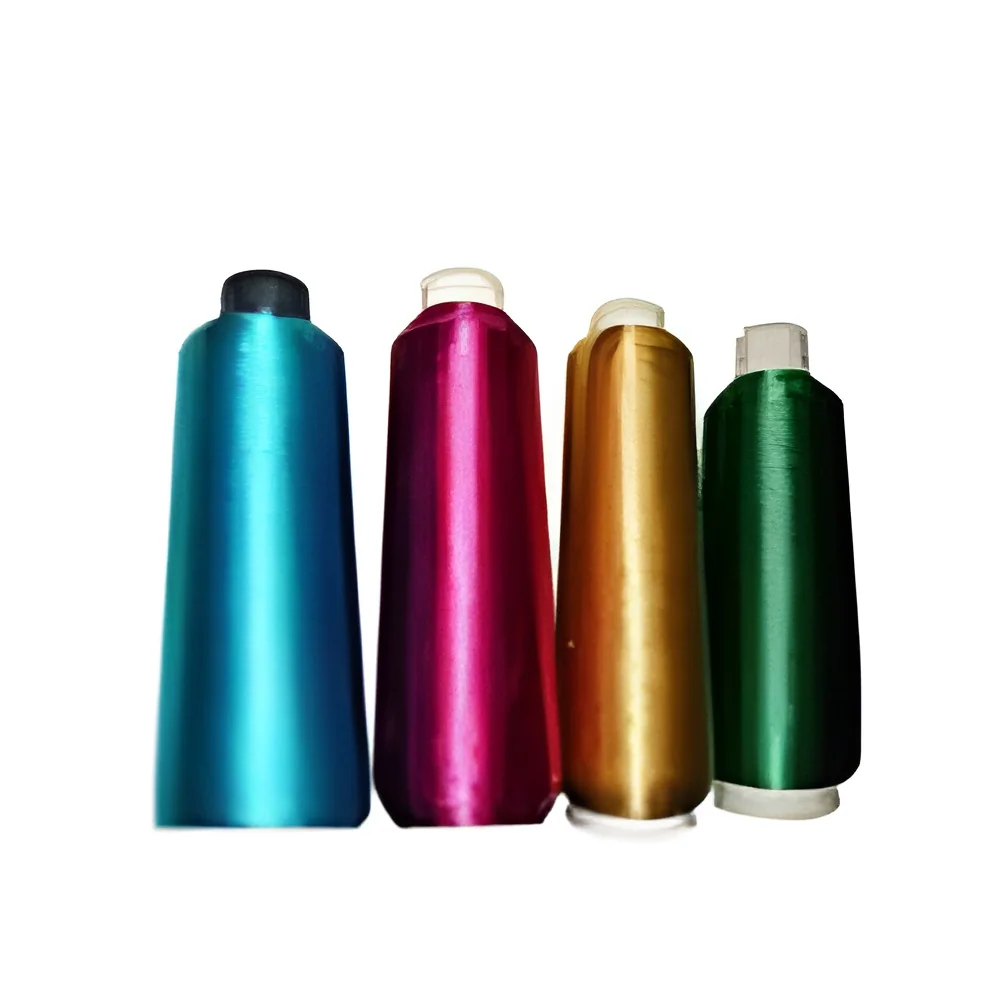
6. Customization Options: Many suppliers offer threads that can be customized in terms of color and specifications to meet specific project needs.
Buying Guide for B2B Buyers
When sourcing sewing threads, B2B buyers should consider several critical factors to ensure they make informed purchasing decisions.
1. Quality Assessment: Evaluate the quality of the threads by checking for certifications and reviews from other customers. High-quality threads should exhibit strength, durability, and consistency.
2. Supplier Verification: Conduct thorough research to verify suppliers' credibility. Look for established companies with a good reputation in the industry and positive customer feedback.
3. Pricing and MOQ: Understand the pricing structures and minimum order quantities (MOQ) offered by suppliers. Compare prices to ensure you are getting competitive rates without compromising quality.
4. Delivery and Lead Times: Inquire about delivery options and lead times to ensure that the threads can be delivered according to your production schedule.
5. Compliance Requirements: Be aware of any regulatory or compliance standards that apply to your industry. Ensure that the threads meet these requirements to avoid potential issues.
Compliance and Certifications
Sewing threads must adhere to various quality and safety standards to ensure their suitability for industrial applications. Relevant certifications include ISO 9001, which ensures consistent quality management processes, and CE marking, indicating conformity with European health, safety, and environmental protection standards.
Compliance with safety and testing requirements is crucial for minimizing risks associated with thread performance. Manufacturers should conduct regular testing to verify thread durability and performance under various conditions. Additionally, regional compliance considerations, such as specific regulations in different countries, should be taken into account when sourcing sewing threads to ensure legal compliance and market acceptance.
Why Source Sewing Threads from Pepagora?
Pepagora provides a trusted platform for sourcing sewing threads, offering several key advantages that benefit B2B buyers.
Verified Supplier Network: Pepagora ensures that all suppliers in its network are thoroughly vetted, providing buyers with confidence in the quality and reliability of the products they purchase.
Streamlined RFQ Process: The request for quotation (RFQ) system simplifies the procurement process, allowing buyers to receive competitive quotes from multiple suppliers quickly and efficiently.
Trade Assurance and Support: Pepagora offers trade assurance programs that protect buyers' investments, ensuring that they receive the products as promised and providing support in case of disputes.
Regional Coverage: With a strong presence in India, the GCC, and Southeast Asia, Pepagora provides buyers with access to a wide range of suppliers, enhancing their sourcing options and facilitating international trade.

 IN
IN