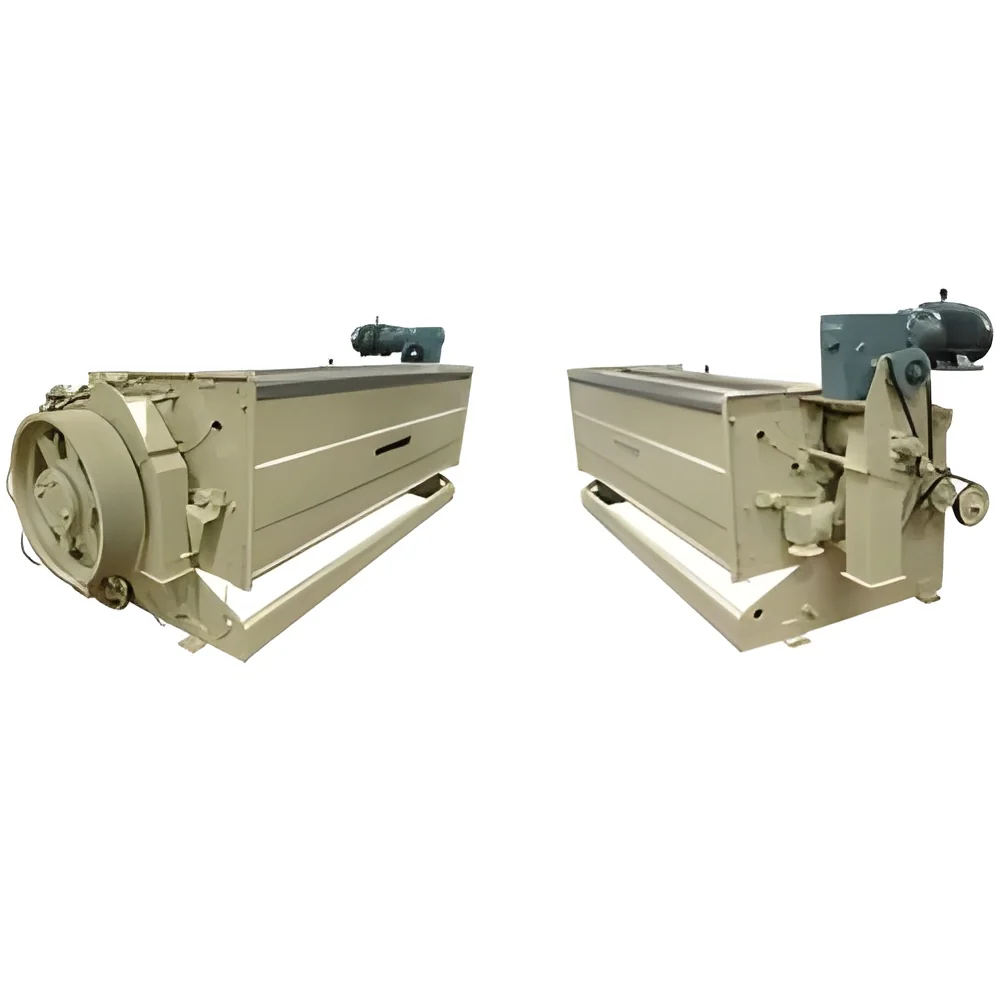
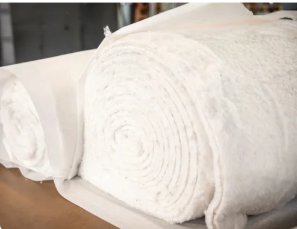
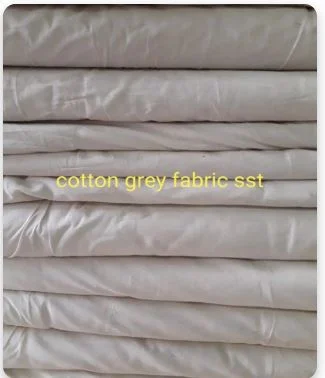
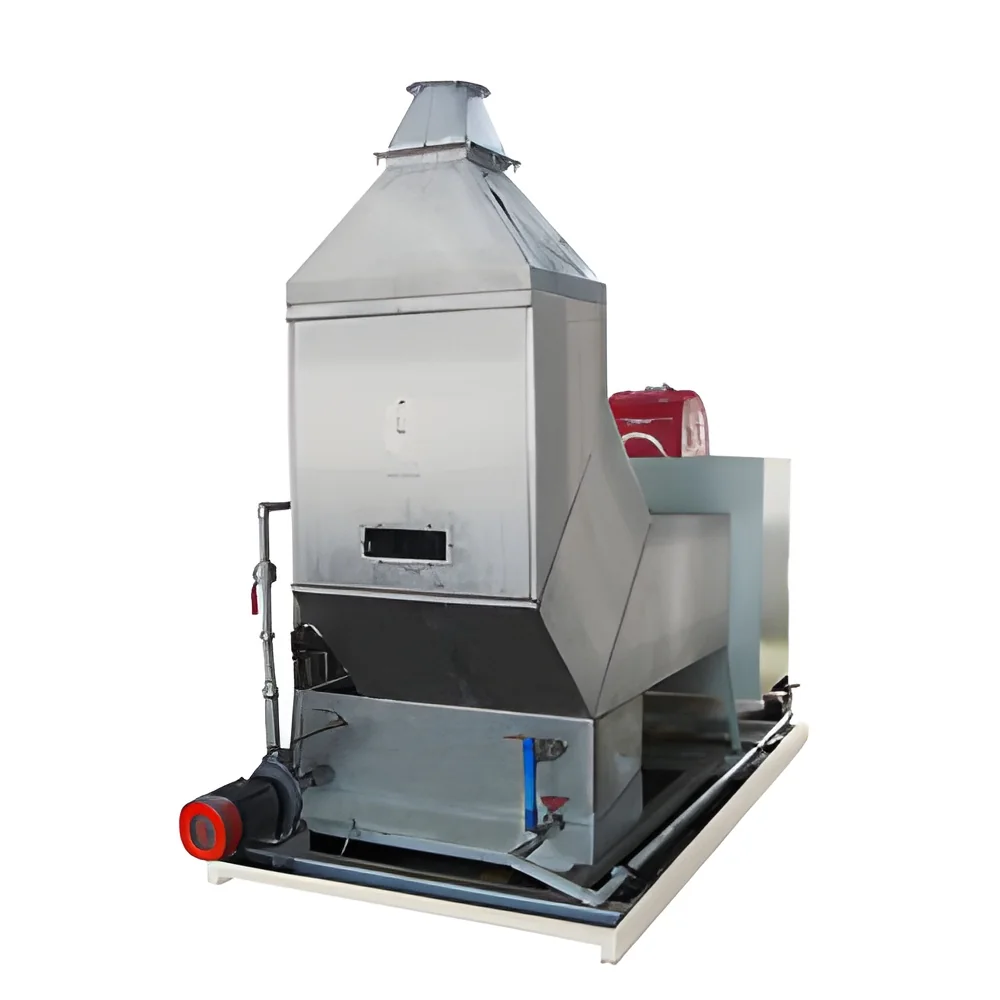
What are Cotton Fibers?
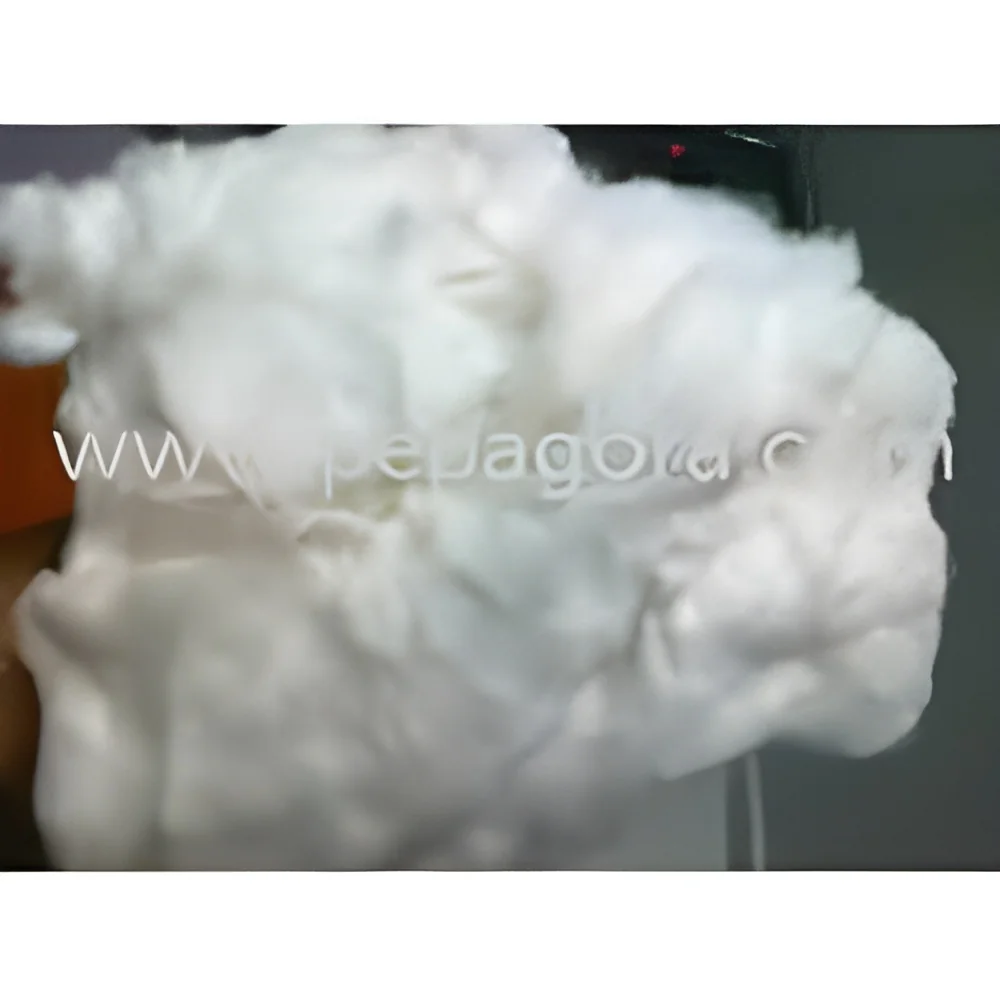
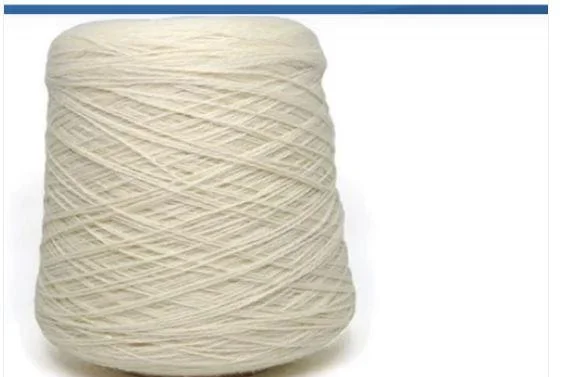
Cotton fibers are natural fibers obtained from the cotton plant. They are composed primarily of cellulose, making them soft, breathable, and comfortable. These fibers are harvested from the plant's seed bolls and then processed for various applications. Cotton fibers are known for their strength, versatility, and ability to absorb moisture, which contributes to their widespread use in textiles.
In the business sector, cotton fibers have numerous applications, primarily in the production of fabrics for clothing, home textiles, and industrial products. They are essential in the apparel industry, used in everything from casual wear to formal attire. Additionally, cotton fibers are utilized in medical supplies, insulation materials, and other industrial applications due to their excellent properties. The cotton industry plays a critical role in the global economy, with significant production in countries such as India, the United States, and China.
As demand for sustainable and eco-friendly products grows, cotton fibers maintain their relevance in the market. They are favored for their biodegradability and low environmental impact compared to synthetic fibers. This market context highlights the importance of cotton fibers in meeting both consumer needs and industry standards.
Key Features and Specifications
Cotton fibers possess several key features that make them suitable for various applications. These characteristics include their natural origin, softness, and durability. Understanding the specifications of cotton fibers is crucial for businesses looking to integrate them into their products.
Key specifications include:
1. Fiber Length
- The average fiber length affects the quality and softness of the resulting fabric.
- Typical lengths range from 0.5 to 2 inches.
2. Fiber Strength
- Strength is essential for durability in textiles.
- Cotton fibers generally have a tensile strength of 20-30 grams per denier.
3. Moisture Absorption
- Cotton fibers can absorb up to 25 times their weight in water.
- This property enhances comfort in clothing and textile applications.
4. Color
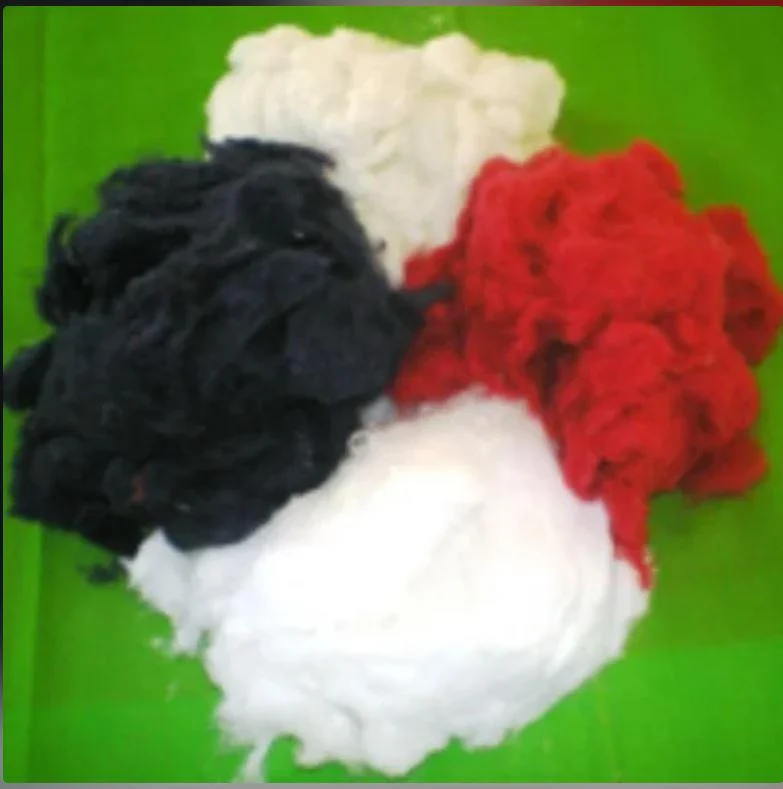
- Cotton fibers can be produced in various colors, including white, brown, and green.
- Color affects the dyeing process and end-use applications.
5. Fiber Diameter
- The diameter influences the texture and softness of the fabric.
- Average diameters range from 12 to 20 micrometers.
6. Elasticity
- Cotton fibers have low elasticity, making them less prone to stretching.
- This is beneficial for creating stable and structured fabrics.
7. Chemical Resistance
- Cotton fibers have moderate resistance to chemicals.
- This property is important for industrial applications where exposure to chemicals may occur.
8. Environmental Impact
- Cotton fibers are biodegradable and less harmful to the environment compared to synthetic alternatives.
- Their cultivation can also contribute to sustainable agricultural practices.
In summary, cotton fibers offer a range of specifications that cater to diverse industrial and commercial requirements. Understanding these features is essential for businesses aiming to use cotton fibers effectively.
Common Applications and Use Cases
Cotton fibers serve various industries due to their versatile properties and functionality. Their applications range from textiles to industrial uses, making them a staple in many sectors.
1. Apparel Industry: Cotton fibers are primarily used in clothing production, from casual wear to formal attire. Their softness and breathability make them ideal for garments.
2. Home Textiles: These fibers are commonly found in bed linens, towels, and curtains. Cotton's absorbency and comfort enhance the quality of home textile products.
3. Medical Supplies: Cotton fibers are used in the production of bandages, gauze, and other medical textiles. Their hypoallergenic properties make them suitable for sensitive applications.
4. Industrial Fabrics: Cotton is employed in making durable industrial fabrics for applications such as tarpaulins, tents, and uniforms due to its strength and reliability.
5. Composites: Cotton fibers can be blended with other materials to create composite products, benefiting from their natural properties while enhancing performance.
6. Agricultural Products: Cotton fibers are utilized in agricultural applications, including mulch mats and seed covers, promoting sustainable farming practices.
7. Insulation Materials: The natural insulating properties of cotton make it suitable for use in insulation products, contributing to energy efficiency in buildings.
In conclusion, the diverse applications of cotton fibers highlight their significance across numerous industries, underscoring their versatility and importance as a raw material.
Product Variants and Subcategories
Cotton fibers come in various forms, allowing businesses to choose the most suitable type for their specific applications. This diversity enhances the adaptability of cotton fibers in different markets.
Raw Cotton
Raw cotton is the unprocessed form of cotton fibers, typically harvested directly from the cotton plants. It is often used for spinning and weaving into various fabrics.
Carded Cotton
Carded cotton is processed to remove impurities and align fibers, making it suitable for spinning. This variant is commonly used in textile manufacturing.
Combed Cotton
Combed cotton undergoes an additional processing step that removes shorter fibers, resulting in a smoother and stronger end product. It is favored for high-quality textiles.
Organic Cotton
Organic cotton is grown without synthetic pesticides and fertilizers, making it an eco-friendly option. This variant is increasingly popular among environmentally conscious consumers.
Pima Cotton
Pima cotton is known for its extra-long staple fibers, which contribute to its softness and luster. It is often used in luxury textiles and high-end apparel.
Benefits and Advantages
Cotton fibers offer several benefits that make them an attractive choice for various applications. Understanding these advantages can help businesses make informed decisions.
Key benefits include:
1. Comfort: Cotton fibers are soft and breathable, providing comfort for clothing and home textiles.
2. Durability: Cotton has good tensile strength, making it suitable for long-lasting products.
3. Versatility: These fibers can be used in a wide range of applications, from apparel to industrial fabrics.
4. Moisture Management: Cotton's ability to absorb moisture enhances comfort in clothing, especially in warm climates.
5. Biodegradability: Cotton fibers are environmentally friendly, as they are biodegradable and contribute to sustainable practices.
6. Hypoallergenic Properties: Cotton is gentle on the skin, making it suitable for sensitive individuals and medical applications.
In summary, the benefits of cotton fibers make them an essential material across various industries, supporting both functionality and consumer preferences.
Buying Guide for B2B Buyers
When sourcing cotton fibers, it is essential for businesses to consider several key factors to ensure they select the right product for their needs.
1. Quality Assessment: Evaluate the quality of cotton fibers based on length, strength, and moisture absorption. Quality fibers will enhance the performance of the final product.
2. Supplier Verification: Choose suppliers with a proven track record of reliability and quality. Investigate their production processes and certifications to ensure they meet industry standards.
3. Pricing and MOQ: Understand the pricing structure and minimum order quantities (MOQ) set by suppliers. This will help in budgeting and planning inventory.
4. Delivery and Lead Times: Inquire about delivery schedules and lead times to ensure that the fibers arrive when needed for production.
5. Compliance Requirements: Be aware of any regulatory requirements and industry standards that apply to cotton fibers in your region. Compliance ensures product safety and quality.
Compliance and Certifications
Cotton fibers are subject to various quality standards and certifications that ensure their safety and efficacy in applications.
Relevant quality standards include ISO 9001, which focuses on quality management systems. This standard ensures that manufacturing processes are consistent and meet customer requirements.
Industry certifications such as CE indicate compliance with European health, safety, and environmental protection standards. These certifications are crucial for businesses looking to market their products in international markets.
Safety and testing requirements are also essential, particularly for medical and consumer applications. Rigorous testing ensures that cotton fibers are free from harmful substances and safe for use.
Regional compliance considerations may vary, with different countries having specific regulations governing the use of agricultural products. It is important for businesses to stay informed about these regulations to ensure compliance.
Why Source Cotton Fibers from Pepagora?
Pepagora provides a trusted platform for sourcing cotton fibers, offering several key advantages that benefit B2B buyers.
Verified Supplier Network: Pepagora connects buyers with a network of verified suppliers who meet stringent quality and reliability standards. This ensures that businesses can source high-quality cotton fibers with confidence.
Streamlined RFQ Process: The platform facilitates a streamlined Request for Quotation (RFQ) process, allowing buyers to receive competitive pricing and terms from multiple suppliers quickly.
Trade Assurance and Support: Pepagora offers trade assurance and support, providing buyers with protection throughout the sourcing process. This includes assistance with negotiations and logistics.
Regional Coverage: Pepagora's geographic reach extends across India, the GCC, and Southeast Asia, providing access to a diverse range of suppliers and products. This makes it easier for businesses to find the right cotton fibers for their specific needs.
In conclusion, choosing Pepagora as a sourcing platform enhances the procurement process for cotton fibers, ensuring quality, support, and a broad supplier base.

 IN
IN