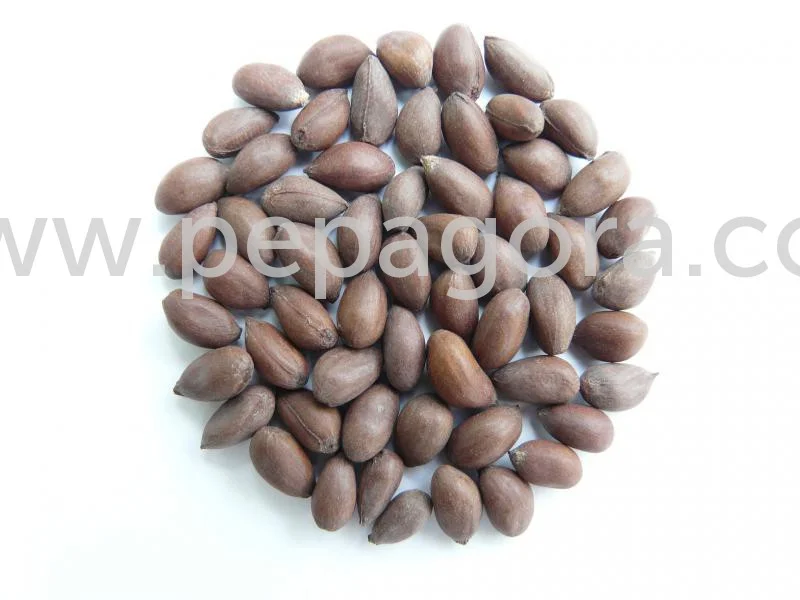
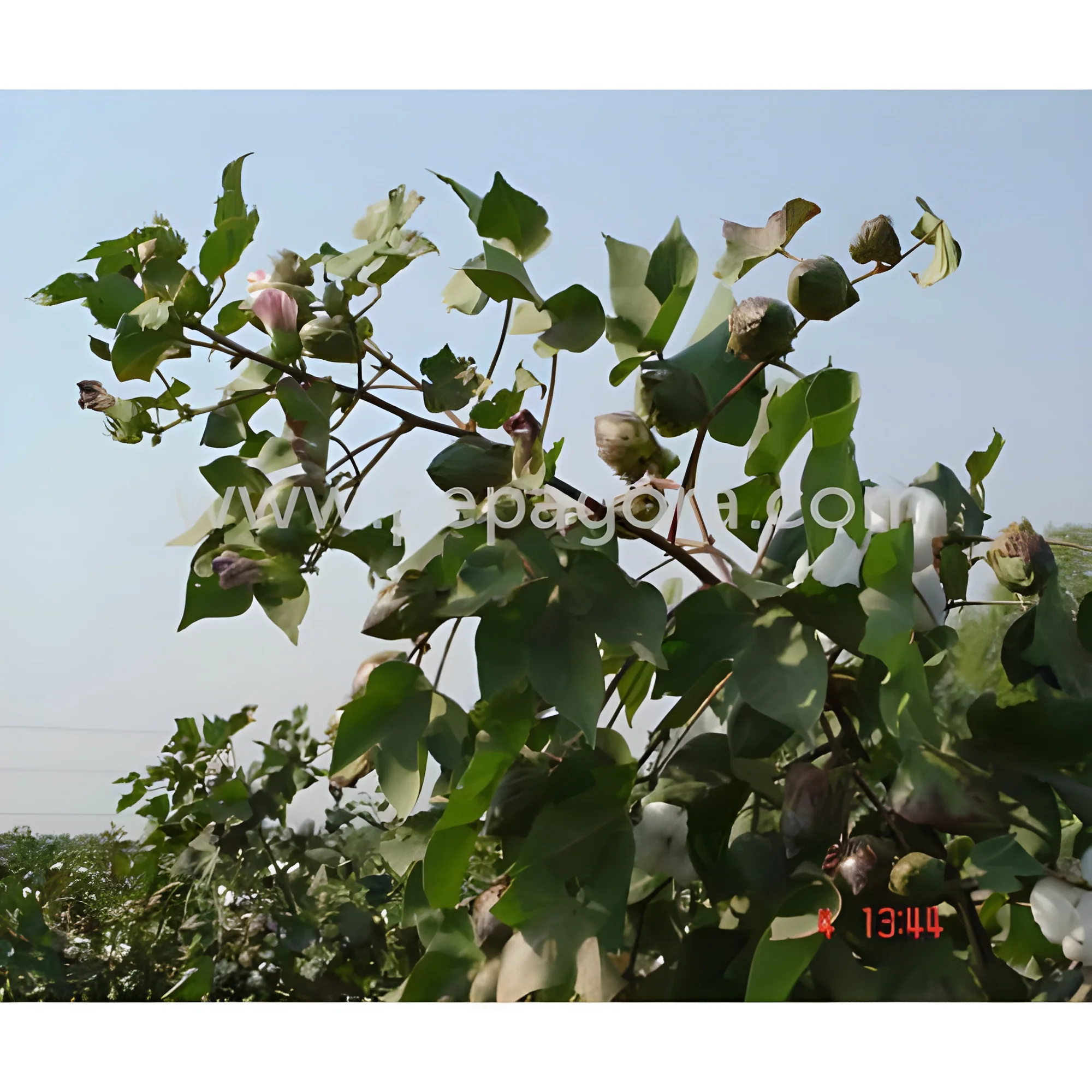
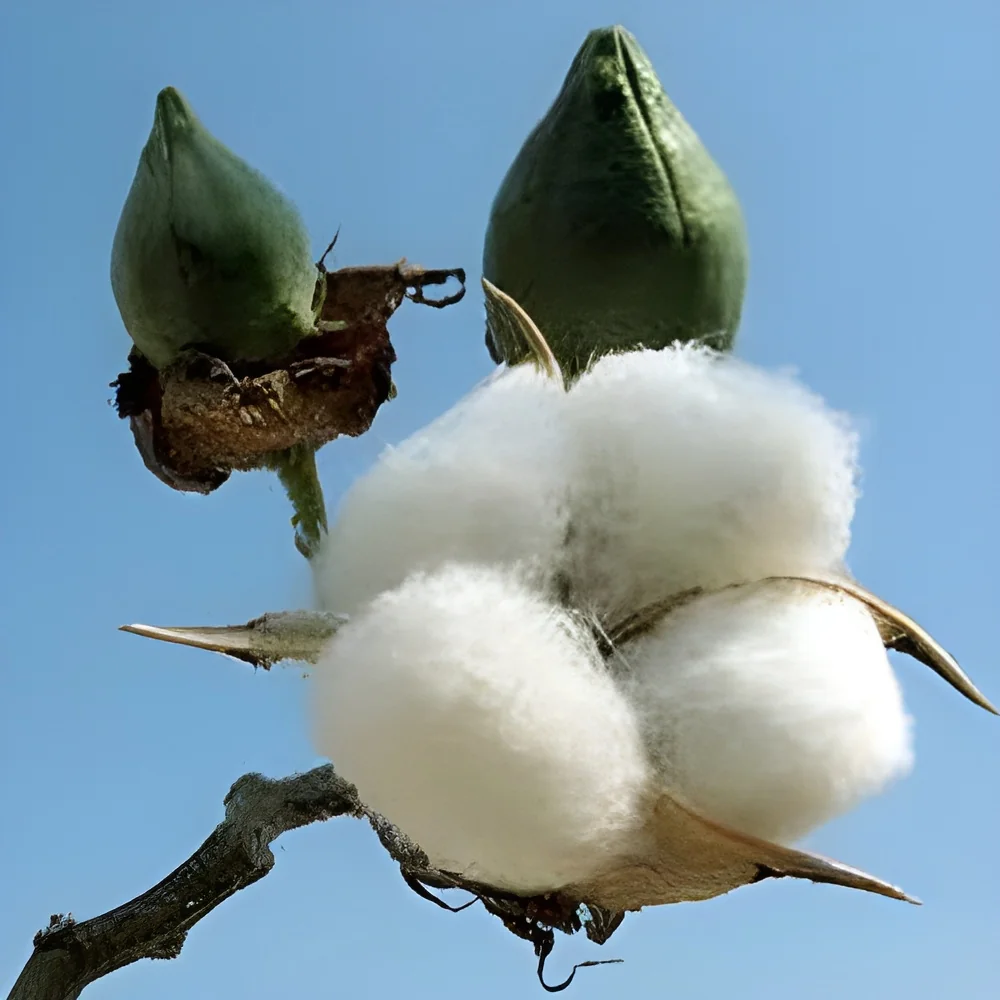
What are Organic Cotton?
Organic cotton is a type of cotton that is grown without the use of synthetic fertilizers, pesticides, or genetically modified organisms (GMOs). This cultivation method focuses on sustainability, promoting biodiversity and soil health. It is produced under strict standards that emphasize environmentally friendly practices. The growing demand for organic products has led to a significant increase in the popularity of organic cotton among consumers and businesses alike.
Organic cotton has diverse applications in various industries. It is primarily used in the textile sector for producing clothing, home textiles, and industrial fabrics. Beyond textiles, organic cotton can also find applications in medical supplies and personal care products. As industries shift towards sustainable practices, organic cotton plays a crucial role in meeting the rising consumer demand for eco-friendly products. The market for organic cotton continues to grow, driven by an increasing awareness of environmental issues and sustainable sourcing.
Key Features and Specifications
Organic cotton is characterized by its eco-friendly cultivation and high-quality fiber. It is produced under stringent guidelines that ensure minimal environmental impact. The specifications of organic cotton cater to various industry needs, providing a versatile and sustainable raw material.
Key specifications include:
1. Fiber Length
- Typically ranges from 28 to 36 millimeters.
- Long fiber length contributes to stronger and softer fabrics.
2. Fiber Strength
- Measured in grams per denier.
- Strength varies according to growing conditions and processing methods.
3. Color
- Naturally available in colors such as white and off-white.
- Color variations can be achieved through natural dyeing processes.
4. Moisture Absorption
- High moisture-wicking properties.
- Ideal for comfortable clothing and textiles.
5. Environmental Impact
- Grown without harmful chemicals.
- Contributes to soil health and biodiversity.
6. Certification Standards
- Must meet organic certification requirements.
- Ensures transparency and traceability in sourcing.
7. Production Volume
- Varies based on seasonal availability and demand.
- Requires planning for supply chain management.
8. Cost Variability
- Prices can fluctuate based on market demand and harvesting conditions.
- Typically higher than conventional cotton due to sustainable practices.
In summary, organic cotton presents a sustainable option with various specifications suited for different applications, promoting environmental stewardship while meeting industry standards.
Common Applications and Use Cases
Organic cotton serves a wide range of industries, making it an essential raw material for various applications.
1. Fashion Industry: Organic cotton is widely used in clothing, offering soft, breathable, and hypoallergenic fabric options. Brands incorporate it into their sustainable lines to appeal to eco-conscious consumers.
2. Home Textiles: This material is popular in the production of bed linens, towels, and upholstery. Its natural properties provide comfort and durability for household items.
3. Medical Supplies: Organic cotton is utilized in bandages, gauze, and other medical textiles, ensuring safety and comfort for patients with sensitive skin.
4. Personal Care Products: Products like organic cotton pads and swabs are increasingly favored for their hypoallergenic and chemical-free qualities.
5. Baby Products: The softness and safety of organic cotton make it ideal for baby clothing, blankets, and diapers, catering to health-conscious parents.
6. Industrial Applications: Organic cotton is also used in the production of workwear and other industrial textiles that require durability and comfort.
7. Eco-Friendly Packaging: Some businesses are exploring organic cotton for packaging materials, aligning with sustainable branding efforts.
Product Variants and Subcategories
Organic cotton is a versatile material with various options available for different applications, catering to diverse market needs.
Organic Cotton Fabric
This variant is widely used in the textile industry, available in multiple weights and weaves. It is suitable for clothing, accessories, and home textiles.
Organic Cotton Yarn
Utilized in knitting and weaving, organic cotton yarn is essential for producing garments and textiles, providing strength and softness.
Organic Cotton Bedding
This specialized variant focuses on bedding products such as sheets, pillowcases, and duvet covers. It offers comfort and breathability, making it popular among eco-conscious consumers.
Organic Cotton T-Shirts
Designed for casual wear, organic cotton t-shirts are known for their comfort and sustainability, appealing to environmentally aware fashion brands.
Benefits and Advantages
Choosing organic cotton offers numerous advantages for businesses and consumers alike.
Key benefits include:
1. Environmental Sustainability: Organic cotton farming practices minimize ecological impact, promoting biodiversity and soil health.
2. Health Benefits: Free from harmful chemicals, organic cotton is safer for consumers, especially those with sensitive skin.
3. Durability: The natural strength of organic cotton fibers leads to longer-lasting products, reducing the need for frequent replacements.
4. Enhanced Comfort: Soft and breathable, organic cotton textiles provide superior comfort for wearers.
5. Market Differentiation: Businesses that utilize organic cotton can appeal to the growing segment of eco-conscious consumers, enhancing brand loyalty.
6. Compliance with Regulations: Sourcing organic cotton can help companies meet sustainability regulations and certifications, improving their market position.
Buying Guide for B2B Buyers
When sourcing organic cotton, several key factors should be considered to ensure a successful procurement process.
1. Quality Assessment: Evaluate the quality of organic cotton based on fiber length, strength, and certification. Request samples to verify the material’s suitability for your applications.
2. Supplier Verification: Vet potential suppliers to ensure they adhere to organic standards and practices. Assess their production capabilities and reliability.
3. Pricing and MOQ: Understand the pricing structure and minimum order quantities (MOQ) required by suppliers. Compare quotes to find the best value without compromising quality.
4. Delivery and Lead Times: Discuss logistics and lead times with suppliers to ensure timely delivery of products. Factor in shipping and handling when planning your supply chain.
5. Compliance Requirements: Be aware of any regulatory requirements relevant to organic cotton in your region. Ensure that suppliers provide necessary certifications for compliance.
Compliance and Certifications
Organic cotton must adhere to various quality standards and certifications to ensure its authenticity and safety. Important standards include ISO 9001, which focuses on quality management systems, and CE marking, indicating conformity with health and safety regulations.
Industry certifications such as Global Organic Textile Standard (GOTS) ensure that organic cotton is processed and manufactured according to strict ecological and social criteria. Additionally, compliance with safety and testing requirements is crucial, especially for products intended for medical and personal care use.
Regional compliance considerations may vary, so it is essential for businesses to stay informed about local regulations regarding organic textiles. This ensures that products meet market demands while adhering to ethical and sustainable practices.
Why Source Organic Cotton from Pepagora?
Pepagora provides a trusted platform for sourcing organic cotton, offering numerous advantages to businesses looking for reliable suppliers.
The verified supplier network ensures that buyers have access to reputable producers who follow organic standards. This eliminates the risk of sourcing from unreliable sources, promoting trust and transparency in the supply chain.
The streamlined Request for Quotation (RFQ) process allows buyers to easily compare offers from multiple suppliers. This efficiency helps in making informed decisions quickly without compromising on quality.
Pepagora also offers trade assurance and support, providing buyer protection throughout the procurement process. This feature enhances confidence when sourcing organic cotton, as buyers can be assured of product quality and compliance.
With regional coverage spanning India, the GCC, and Southeast Asia, Pepagora connects buyers with suppliers across diverse markets. This geographic reach enables businesses to find the best organic cotton options for their specific needs, fostering sustainable practices in various industries.

 IN
IN