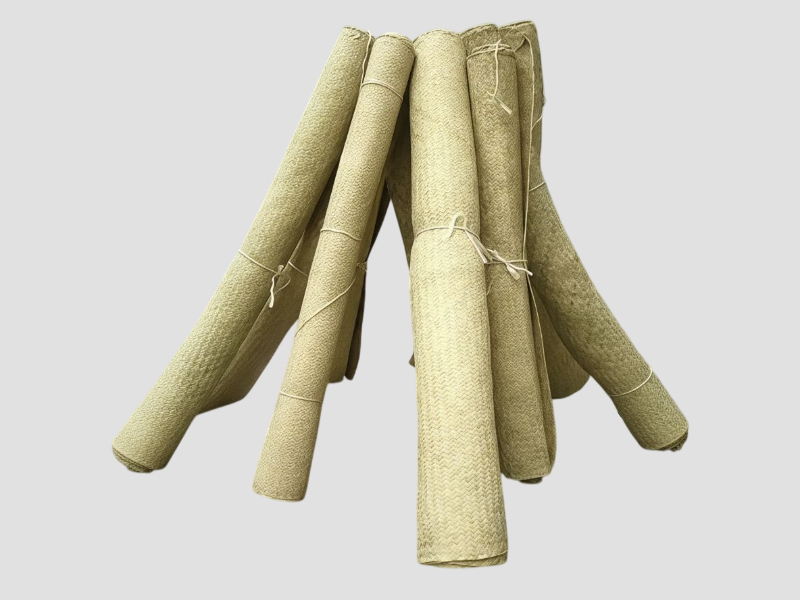
What are Bamboo Fibers?
Bamboo fibers are natural fibers derived from the pulp of the bamboo plant. They are known for their unique properties, including softness, strength, and biodegradability. Bamboo fibers are obtained through mechanical or chemical processes, which break down the bamboo stalks into usable fiber strands. These fibers can be spun into yarn and woven or knitted into various textiles.
In terms of business applications, bamboo fibers are increasingly utilized in the textile industry for producing clothing, home textiles, and eco-friendly products. They are also gaining traction in the manufacturing of non-woven fabrics, insulation materials, and biodegradable packaging solutions. The growing emphasis on sustainable materials has led to a surge in demand for bamboo fibers across different sectors.
The relevance of bamboo fibers within industrial markets is underscored by a broader shift towards eco-friendly and sustainable practices. As consumers become more environmentally conscious, industries are adapting their materials and processes. This transition positions bamboo fibers as a strategic choice for companies looking to align with sustainability goals while maintaining product quality.
Key Features and Specifications
Bamboo fibers offer a variety of features that make them a valuable choice for manufacturers and businesses. They are known for their moisture-wicking properties, making them suitable for activewear. Additionally, bamboo fibers possess natural antibacterial qualities, which enhance their appeal in textiles.
Key specifications include:
1. Fiber Length
- Bamboo fibers typically range from 1 to 6 inches in length.
- The length can influence the texture and strength of the final product.
2. Fiber Diameter
- The average diameter of bamboo fibers is around 20 to 30 micrometers.
- This fine diameter contributes to the softness and comfort of textiles.
3. Tensile Strength
- Bamboo fibers demonstrate high tensile strength, comparable to cotton and synthetic fibers.
- This strength ensures durability in fabric applications.
4. Absorbency
- Bamboo fibers can absorb moisture up to three times more than cotton.
- This feature makes them ideal for clothing and home textiles.
5. Biodegradability
- Bamboo fibers are fully biodegradable, returning to the environment without harming it.
- This property aligns with eco-friendly product initiatives.
6. Natural Antibacterial Properties
- Bamboo fibers are naturally resistant to bacteria and odors.
- This feature enhances hygiene in clothing and bedding applications.
7. Dye Affinity
- Bamboo fibers readily absorb dyes, providing vibrant color options.
- This quality allows for a wide range of design possibilities.
8. Thermal Regulation
- Bamboo fibers help regulate temperature, keeping users cool in summer and warm in winter.
- This characteristic enhances comfort in varied climates.
In summary, bamboo fibers combine a range of beneficial properties, making them suitable for various applications in textiles and beyond.
Common Applications and Use Cases
Bamboo fibers have diverse applications across multiple industries, driven by their eco-friendly characteristics and performance benefits.
1. Textile Industry: Bamboo fibers are widely used in clothing and home textiles. Their softness and moisture-wicking properties make them ideal for activewear, bedding, and towels.
2. Non-Woven Fabrics: Bamboo fibers are utilized in the production of non-woven fabrics, which are used for disposable items like diapers and sanitary products.
3. Insulation Materials: Given their thermal regulation properties, bamboo fibers are used in insulation materials for homes and buildings, helping to reduce energy consumption.
4. Biodegradable Packaging: Bamboo fibers are increasingly being explored for biodegradable packaging solutions, addressing the environmental impact of traditional plastics.
5. Personal Care Products: Bamboo fibers are also found in personal care items such as toothbrushes and facial pads, emphasizing their sustainability.
6. Automotive Industry: In the automotive sector, bamboo fibers are used as composite materials for interior components, offering lightweight and eco-friendly alternatives.
7. Eco-Friendly Footwear: Brands are developing footwear made from bamboo fibers, capitalizing on their breathability and comfort.
Product Variants and Subcategories
Bamboo fibers come in various forms, allowing for diverse applications across industries.
Bamboo Viscose
This type of bamboo fiber is produced through a chemical process that transforms bamboo into a soft, silky fabric. It is commonly used in clothing and bedding due to its luxurious feel and breathability.
Bamboo Linen
Bamboo linen is obtained through a mechanical process, preserving more of the natural characteristics of the bamboo plant. It is known for its durability and is often used in home textiles and upholstery.
Bamboo Charcoal Fiber
This variant incorporates bamboo charcoal, enhancing its antibacterial properties and moisture management. It is used in applications such as activewear and specialized undergarments.
Benefits and Advantages
Bamboo fibers offer numerous advantages that make them appealing to businesses and consumers alike.
1. Sustainability: Bamboo is a fast-growing plant that requires less water and pesticides compared to traditional crops. This makes bamboo fibers a sustainable choice for environmentally conscious businesses.
2. Comfort: The softness and breathable nature of bamboo fibers enhance wearer comfort, making them suitable for clothing and home textiles.
3. Durability: Bamboo fibers exhibit high tensile strength, ensuring long-lasting products and reducing the need for frequent replacements.
4. Antibacterial Properties: The natural antibacterial qualities of bamboo fibers help reduce odors and maintain hygiene in textiles.
5. Moisture Management: Bamboo fibers excel in moisture-wicking, keeping users dry and comfortable, particularly in activewear applications.
6. Biodegradability: Bamboo fibers are fully biodegradable, providing an eco-friendly alternative to synthetic fibers that contribute to plastic pollution.
Buying Guide for B2B Buyers
When sourcing bamboo fibers, several important factors should be considered to ensure quality and reliability.
1. Quality Assessment: Evaluate the quality of bamboo fibers based on factors such as fiber length, diameter, and tensile strength. Request samples to assess texture and performance.
2. Supplier Verification: Conduct thorough research on potential suppliers. Check for industry certifications and customer reviews to ensure reliability.
3. Pricing and MOQ: Understand the pricing structure and minimum order quantities (MOQ) from suppliers to align with your budget and production needs.
4. Delivery and Lead Times: Inquire about delivery schedules and lead times to ensure timely production and distribution of your products.
5. Compliance Requirements: Ensure that the bamboo fibers meet relevant regulatory and safety standards applicable to your industry.
Compliance and Certifications
Bamboo fibers must adhere to specific quality standards and certifications to ensure safety and reliability in various applications.
ISO 9001 is a widely recognized standard for quality management systems, ensuring consistent product quality. Compliance with this standard indicates that suppliers maintain high manufacturing and operational practices.
HACCP (Hazard Analysis and Critical Control Points) is essential for food-related applications, ensuring that bamboo fibers used in personal care products meet safety requirements.
The CE marking is crucial for products sold within the European Union. It signifies compliance with health, safety, and environmental protection standards.
Safety and testing requirements further ensure that bamboo fibers are free from harmful substances. Regular testing by certified laboratories can validate the safety of the final products.
Regional compliance considerations may vary based on local regulations. Suppliers should be knowledgeable about and compliant with regional standards to avoid potential legal issues.
Why Source Bamboo Fibers from Pepagora?
Pepagora provides a trusted platform for sourcing bamboo fibers, offering several key advantages to B2B buyers.
Verified Supplier Network: Pepagora has established a network of verified suppliers, ensuring that buyers can access quality bamboo fibers from reputable sources. This verification process helps mitigate risks associated with procurement.
Streamlined RFQ Process: The platform features a streamlined Request for Quotation (RFQ) process, allowing buyers to easily compare offers from multiple suppliers. This efficiency saves time and facilitates better decision-making.
Trade Assurance and Support: Pepagora offers trade assurance features that protect buyers throughout the purchasing process. This includes support for resolving disputes and ensuring product quality.
Regional Coverage: With a presence in India, the GCC, and Southeast Asia, Pepagora reaches a diverse market. This geographic coverage allows buyers to access bamboo fibers tailored to various regional demands.

 IN
IN