What are Non-Woven Fibers?
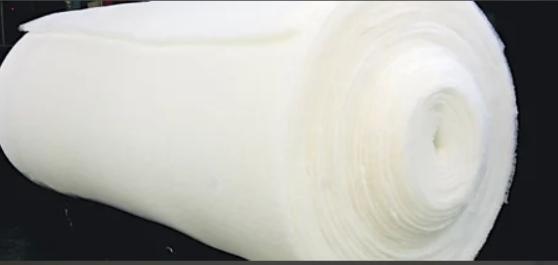
Non-woven fibers are versatile materials made from interlocking fibers that are bonded together through mechanical, thermal, or chemical processes. Unlike traditional woven fabrics, non-woven fibers do not require weaving or knitting, making them a cost-effective and efficient option for various applications. These materials can be produced in different weights, thicknesses, and compositions, allowing for customization based on specific requirements.
Non-woven fibers are used across a broad spectrum of industries, including healthcare, automotive, construction, and textiles. In the healthcare sector, they are popular for products like surgical gowns and masks due to their barrier properties and breathability. In automotive manufacturing, non-woven materials serve as soundproofing and insulation. The construction industry utilizes non-woven fibers for geotextiles and insulation, highlighting their adaptability and utility.
As the demand for sustainable and eco-friendly materials increases, the market for non-woven fibers continues to grow. They are often viewed as a more environmentally friendly option compared to traditional textiles, as they can be made from recycled materials and often have a lower carbon footprint during production.
Key Features and Specifications
Non-woven fibers come with a variety of features that enhance their performance and applicability in multiple sectors. Understanding these specifications is crucial for businesses looking to source the right products.
Key specifications include:
1. Fiber Composition
- Made from materials such as polypropylene, polyester, or biodegradable fibers
- Offers options for durability and environmental sustainability
2. Weight
- Available in various weights typically ranging from 30 to 120 grams per square meter (gsm)
- Heavier options provide increased durability, while lighter weights are suitable for disposable applications
3. Thickness
- Thickness can vary, usually between 0.5 and 2.0 millimeters
- Different thicknesses cater to specific application needs
4. Breathability
- Non-woven fibers exhibit varying degrees of breathability
- Important for applications in apparel and personal protective equipment
5. Barrier Properties
- Capable of providing moisture and microbial barriers
- Essential for medical and hygiene products
6. Color and Customization
- Available in various colors and can be dyed or printed
- Allows for branding and aesthetic requirements
7. Flame Resistance
- Some non-woven fibers are treated for flame resistance
- Critical for applications in automotive and construction sectors
8. Compliance with Standards
- Many non-woven fibers meet specific industry standards
- Ensures product reliability and safety
In summary, understanding these features and specifications allows businesses to make informed decisions when sourcing non-woven fibers for their specific applications.
Common Applications and Use Cases
Non-woven fibers are utilized in a wide array of industries due to their unique properties and versatility.
1. Healthcare: Non-woven fibers are essential in the production of surgical masks, gowns, and drapes, providing barriers against contaminants while allowing breathability.
2. Automotive: In the automotive sector, non-woven materials are used for sound insulation, interior linings, and filters, contributing to overall vehicle comfort and performance.
3. Construction: Non-woven fibers are commonly employed in geotextiles, which help with soil stabilization and erosion control. They are also used in insulation materials for improved energy efficiency.
4. Household Products: Non-woven fabrics are found in cleaning wipes, disposable dusters, and absorbent pads, offering convenience and functionality.
5. Agriculture: These fibers serve as crop covers and mulch mats, helping to regulate soil temperature and moisture.
6. Fashion and Textiles: Non-woven materials are used in fashion items, bags, and other textiles, providing lightweight and durable options.
7. Filtration: Non-woven fibers are employed in air and liquid filtration systems, enhancing the efficiency of filtering processes.
Product Variants and Subcategories
Non-woven fibers offer a range of variants to suit different industrial needs.
Polypropylene Non-Woven Fibers
These fibers are lightweight and moisture-resistant, making them ideal for disposable medical products and hygiene items. They provide an excellent balance of strength and softness.
Polyester Non-Woven Fibers
Known for their durability and resistance to wear, polyester non-woven fibers are commonly used in automotive applications and durable goods, providing both functionality and aesthetic appeal.
Biodegradable Non-Woven Fibers
These eco-friendly options are made from natural materials that decompose over time, making them suitable for applications in agriculture and environmentally conscious products.
Meltblown Non-Woven Fibers
This variant is known for its fine filtration properties, making it ideal for use in medical masks and air filters, where high levels of filtration efficiency are required.
Spunbond Non-Woven Fibers
Spunbond fibers are robust and versatile, commonly used in durable applications like landscaping and construction, offering strength and longevity.
Benefits and Advantages
Sourcing non-woven fibers offers several significant advantages for businesses.
1. Cost-Effectiveness: Non-woven fibers often have lower production costs compared to woven fabrics, allowing for competitive pricing in the market.
2. Versatility: They can be customized in terms of weight, thickness, and composition, making them suitable for a wide range of applications across various industries.
3. Eco-Friendly Options: Many non-woven fibers are made from recycled materials or are biodegradable, appealing to businesses focused on sustainability.
4. Lightweight: Non-woven materials are generally lighter than woven fabrics, which can reduce shipping costs and improve handling efficiency.
5. Breathability: The inherent breathability of non-woven fibers makes them ideal for products requiring air circulation, such as medical and personal protective equipment.
6. Quick Production: The manufacturing process for non-woven fibers allows for faster production times, enabling businesses to respond quickly to market demands.
Buying Guide for B2B Buyers
When sourcing non-woven fibers, businesses should consider several critical factors to ensure they choose the right products for their needs.
1. Quality Assessment: Evaluate the quality of non-woven fibers based on their composition, weight, and intended use. Quality certifications can help verify the reliability of the materials.
2. Supplier Verification: Vet potential suppliers by checking their reputation, customer reviews, and compliance with industry standards. This helps ensure a reliable and consistent supply.
3. Pricing and MOQ: Understand the pricing structure and minimum order quantities (MOQ) that suppliers offer. This will aid in budget planning and inventory management.
4. Delivery and Lead Times: Discuss delivery schedules and lead times with suppliers to ensure that products arrive when needed, avoiding disruptions in production.
5. Compliance Requirements: Familiarize yourself with any regulatory compliance requirements specific to your industry, ensuring that the non-woven fibers meet necessary standards.
Compliance and Certifications
Non-woven fibers often adhere to several quality standards that assure their safety and functionality in various applications. ISO 9001 is a widely recognized standard that focuses on quality management systems, ensuring that manufacturers maintain high-quality production processes.
Additionally, compliance with industry certifications such as CE demonstrates that products meet European safety, health, and environmental protection requirements. This is particularly important for products used in medical and personal protective equipment.
Safety and testing requirements are also crucial, as non-woven fibers must pass specific tests to ensure they perform effectively in their intended applications. Regional compliance considerations may vary, so manufacturers must be aware of local regulations to ensure their products meet market demands.
Why Source Non-Woven Fibers from Pepagora?
Pepagora provides a trusted platform for sourcing non-woven fibers, offering several key advantages that set it apart from competitors.
Verified Supplier Network: Pepagora has established a network of verified suppliers, ensuring that buyers can access high-quality non-woven fibers from reputable manufacturers. This reduces the risk associated with sourcing materials.
Streamlined RFQ Process: The request for quotation (RFQ) process on Pepagora is designed for efficiency, allowing buyers to quickly obtain quotes from multiple suppliers. This helps businesses compare options and make informed purchasing decisions.
Trade Assurance and Support: With trade assurance programs, buyers are protected against potential issues during transactions. Pepagora offers support to facilitate smooth communication between buyers and suppliers.
Regional Coverage: Pepagora's geographic reach extends across India, the GCC, and Southeast Asia, providing access to a diverse range of suppliers and products. This broad coverage helps businesses find the right non-woven fibers for their specific needs.

 IN
IN