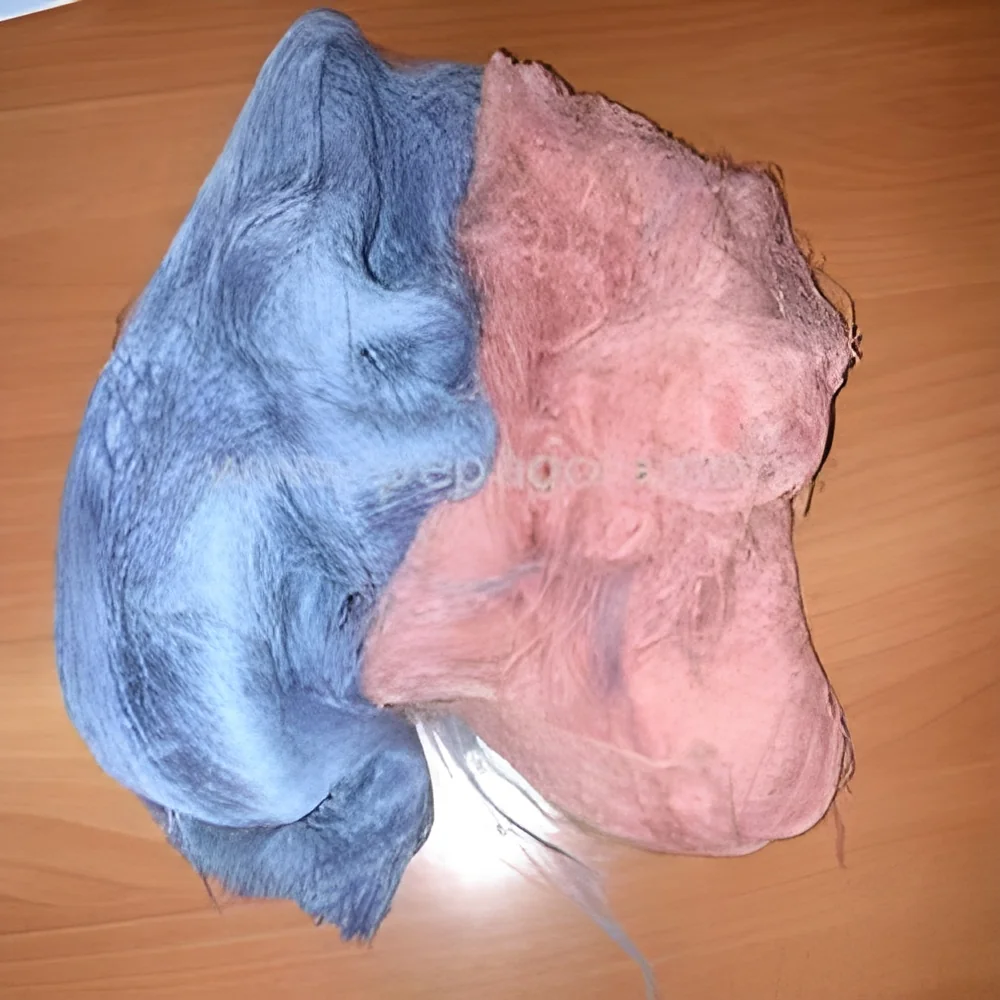
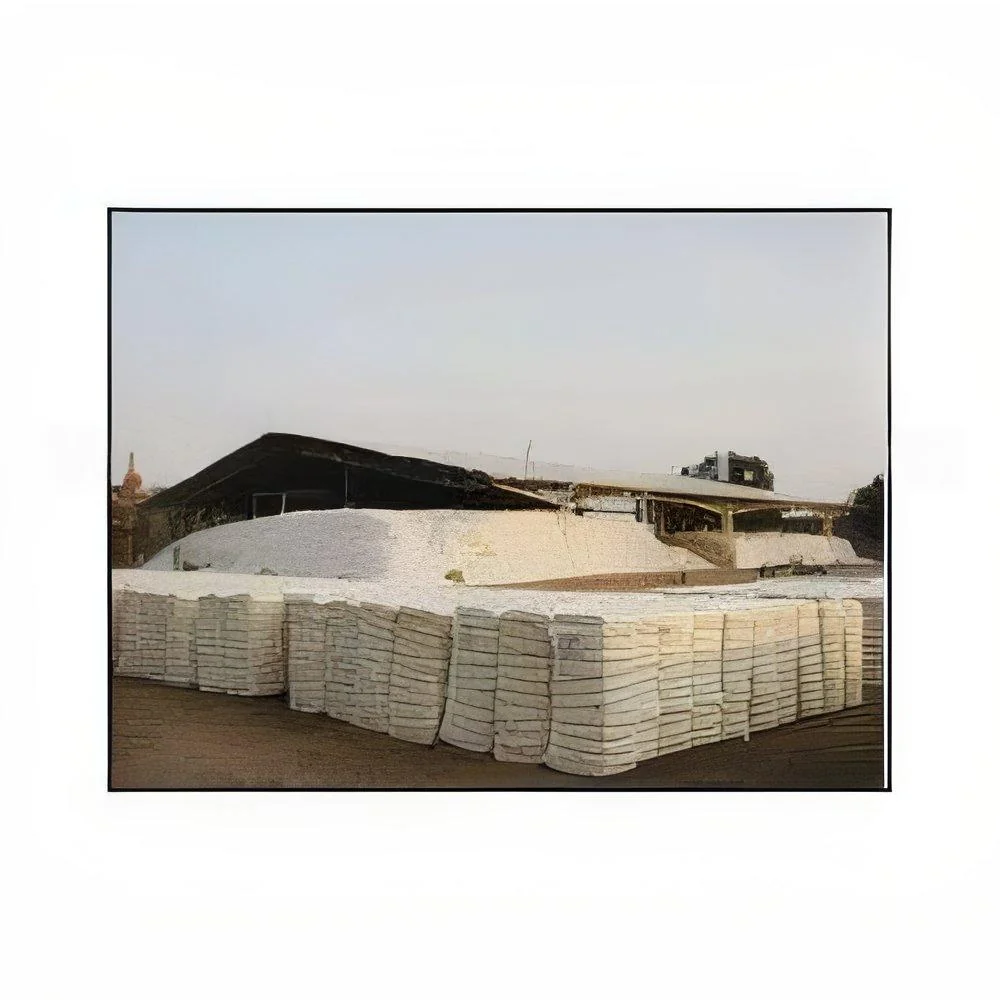
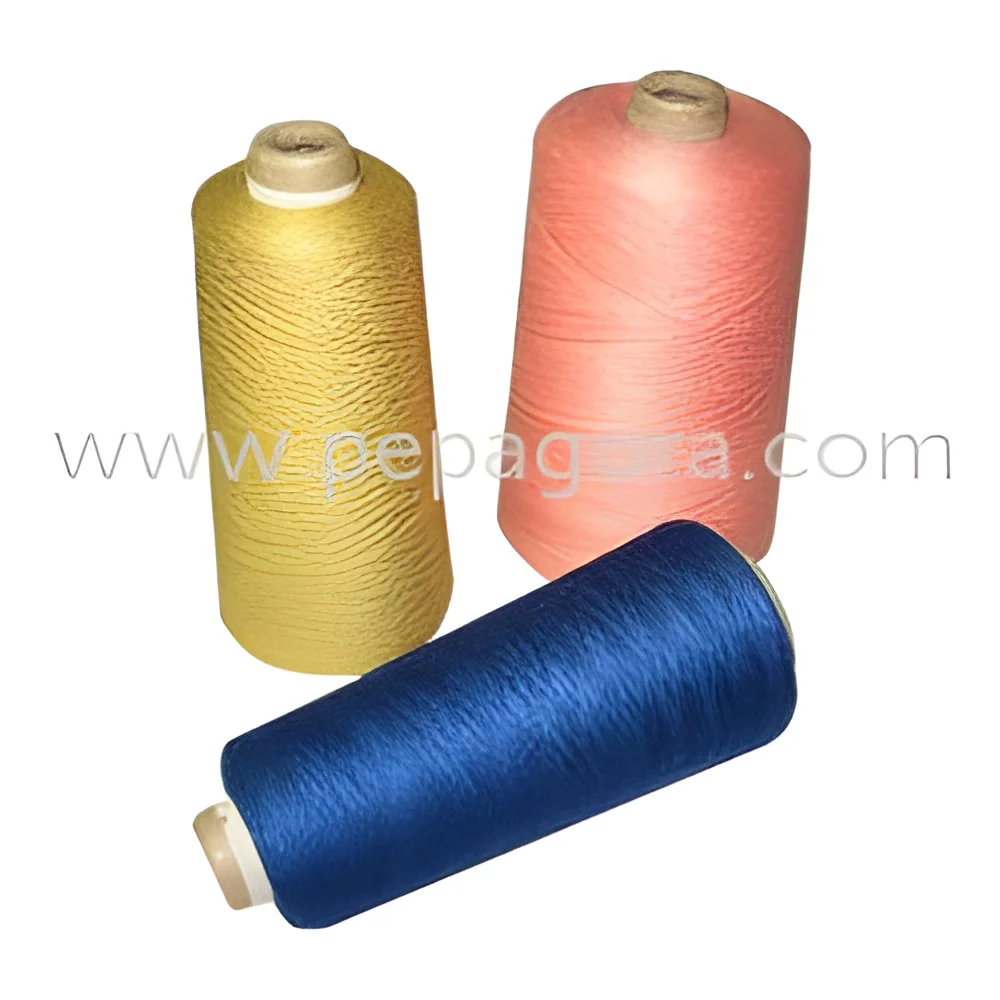
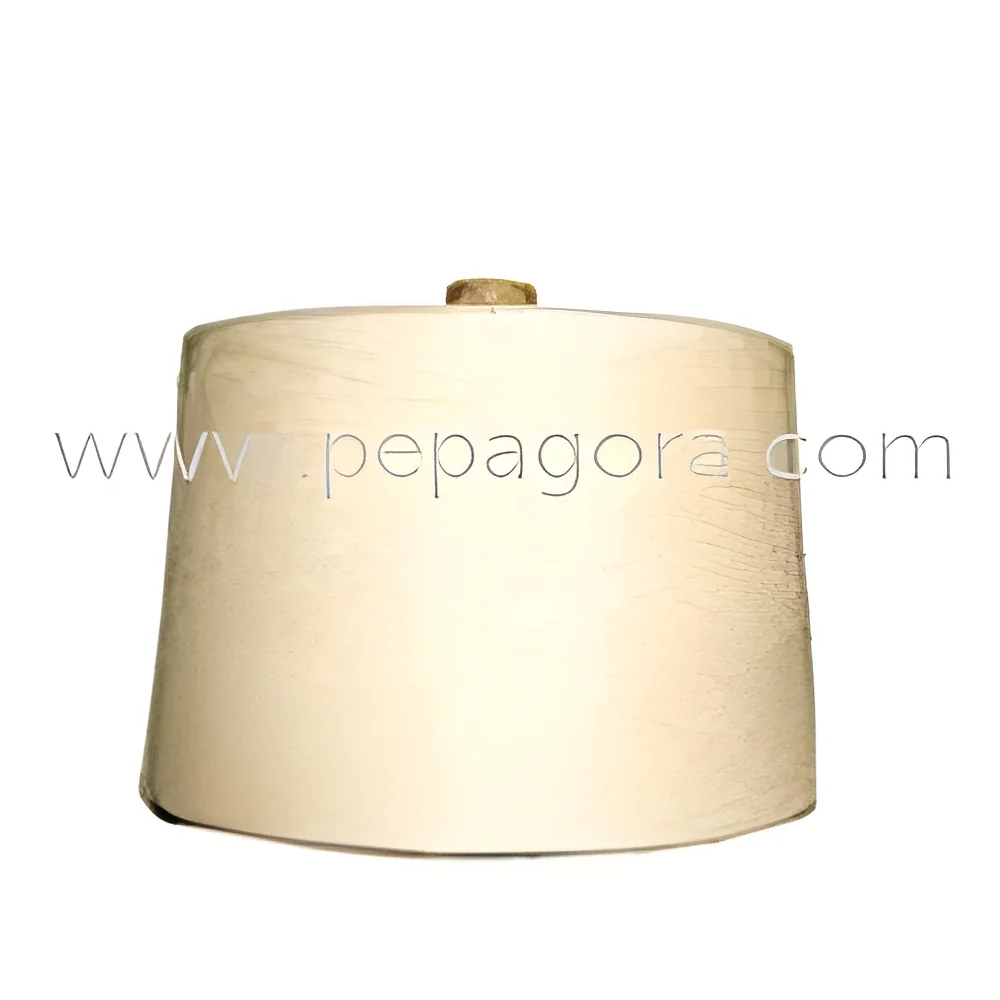
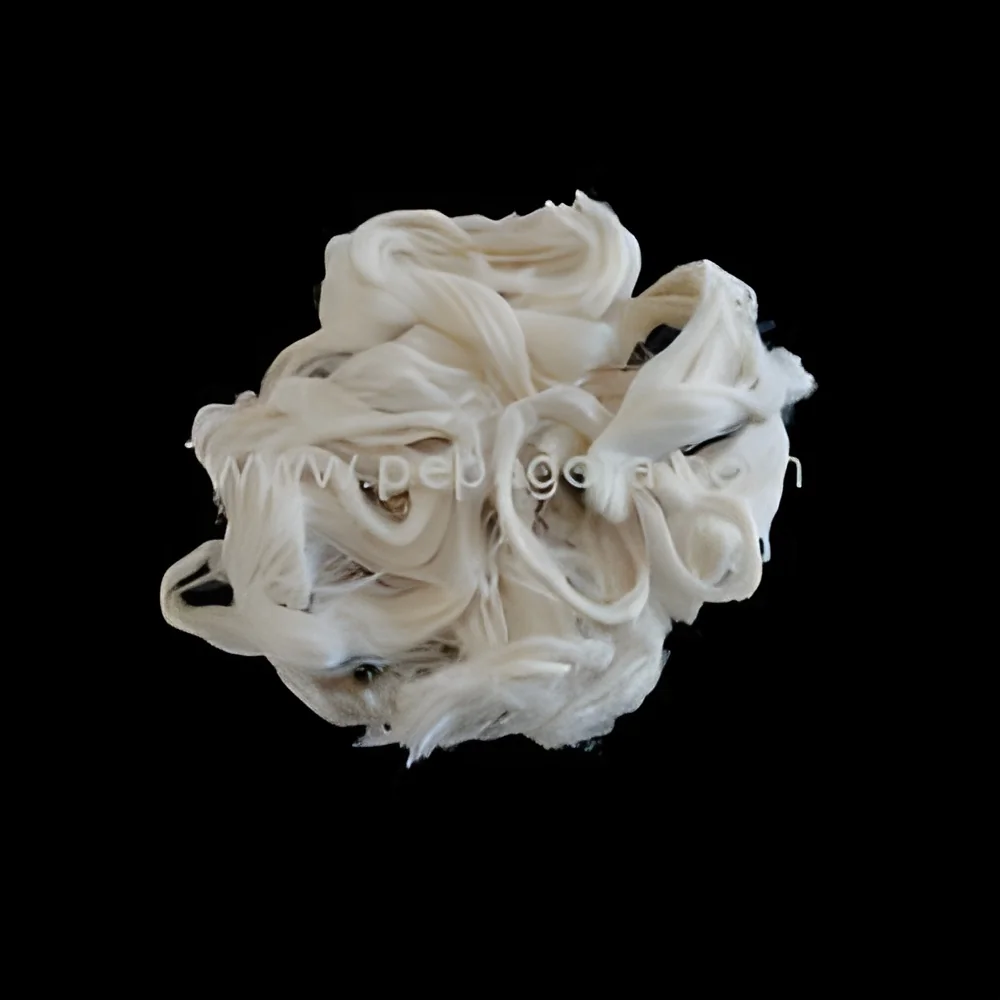
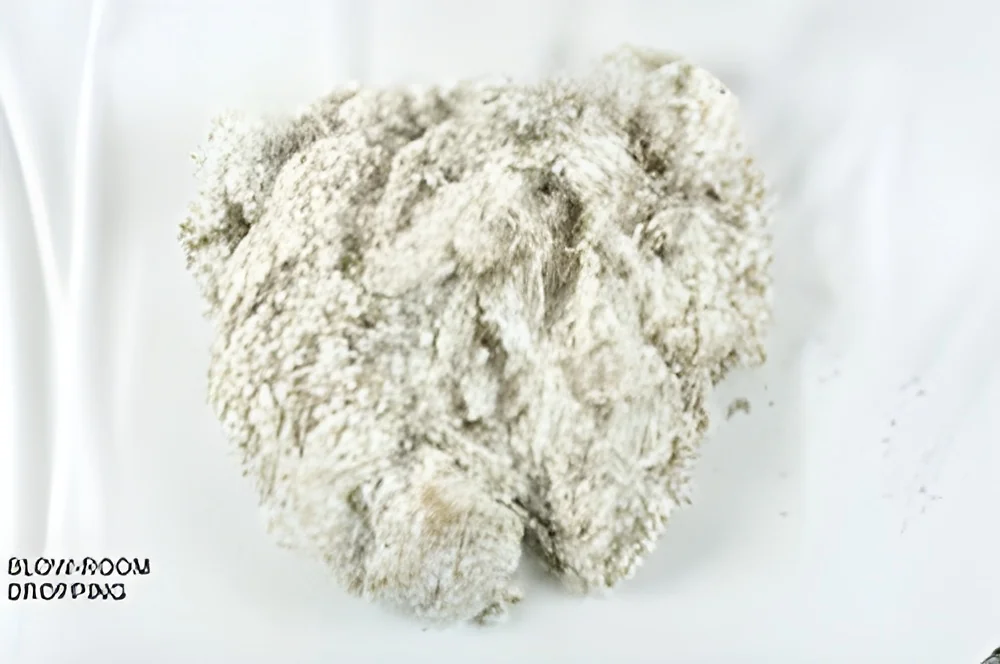
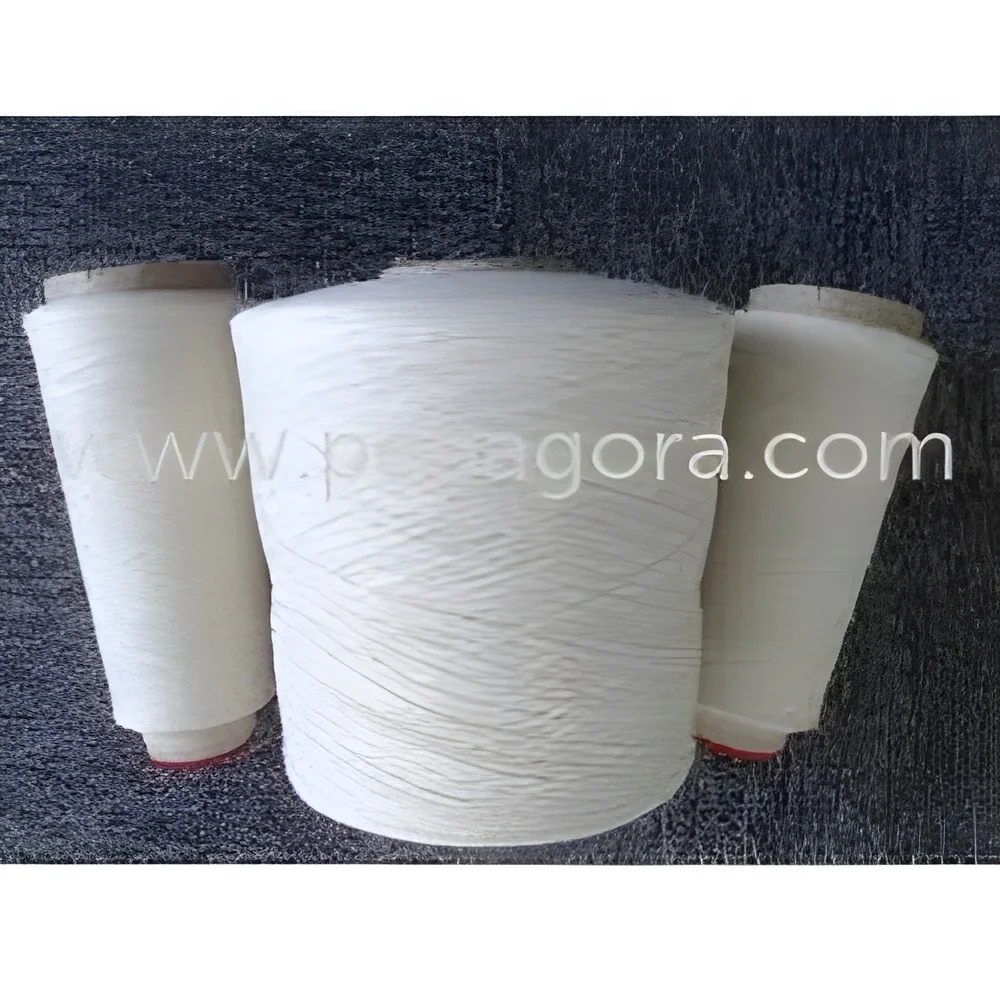
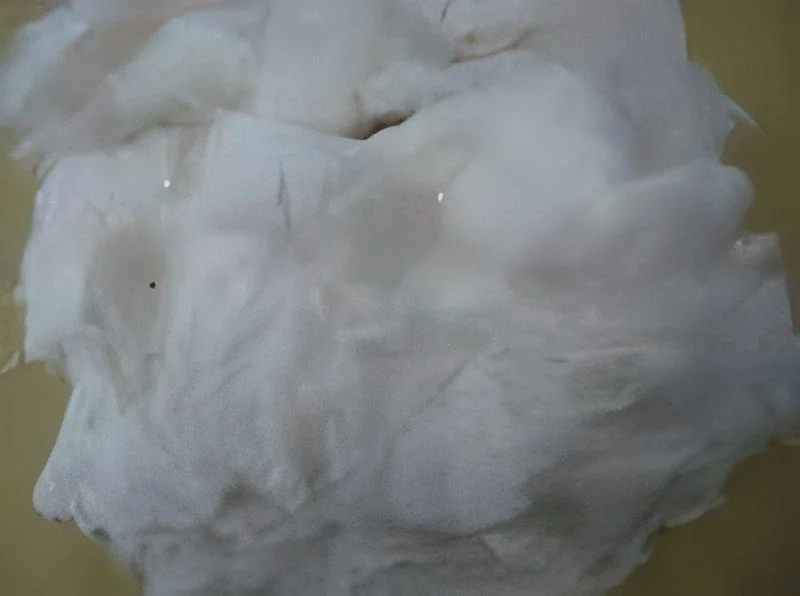
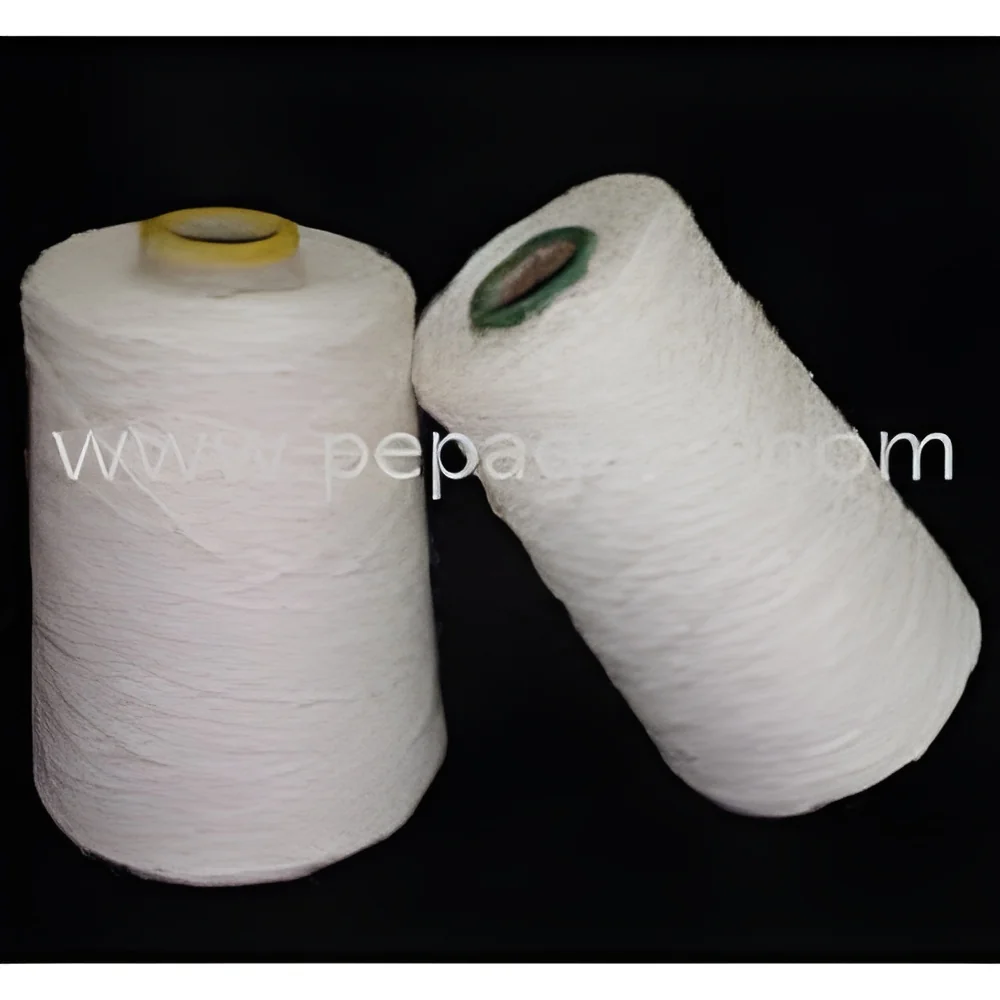
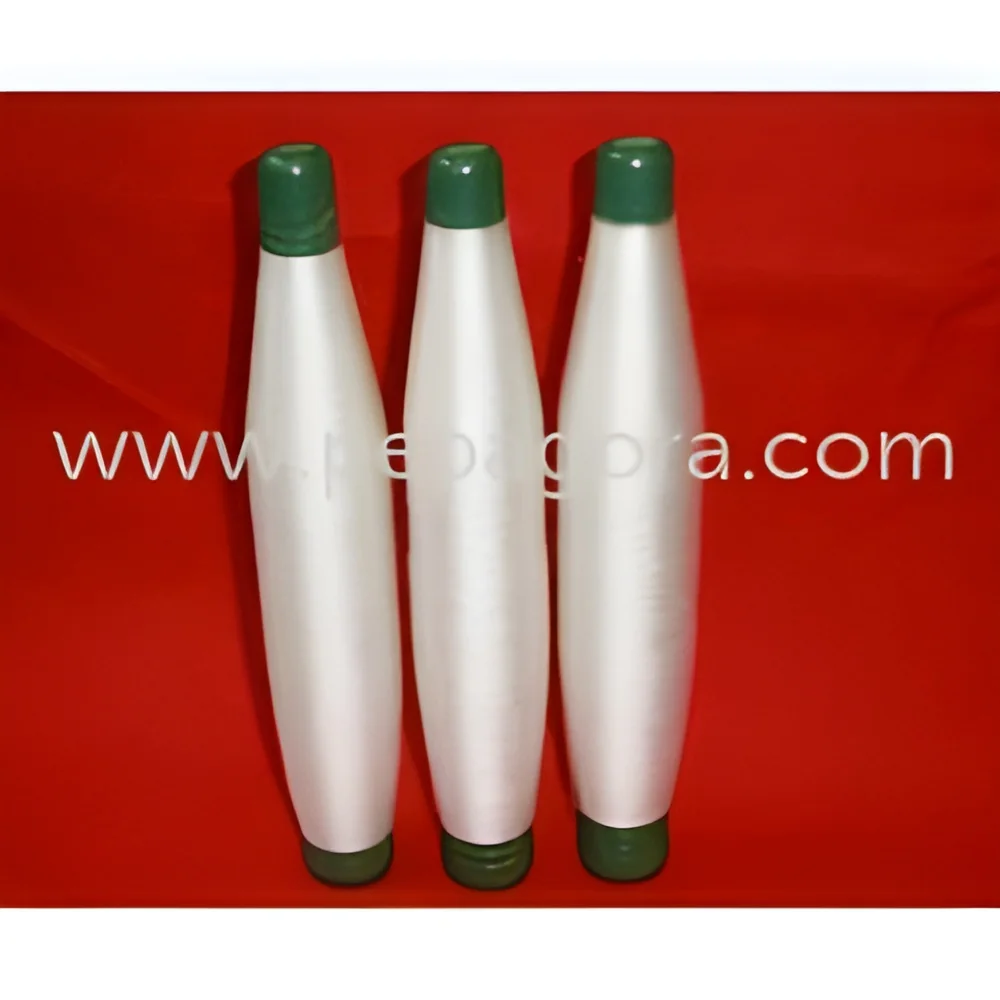
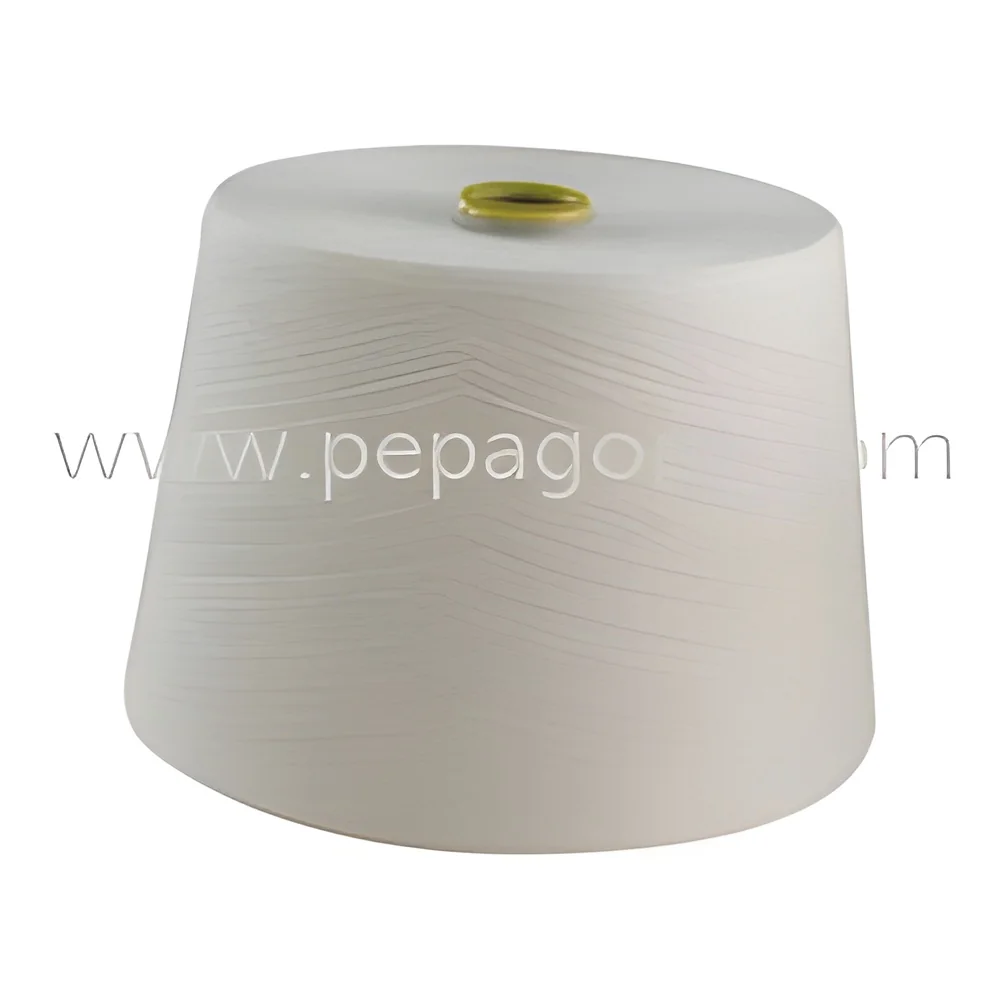
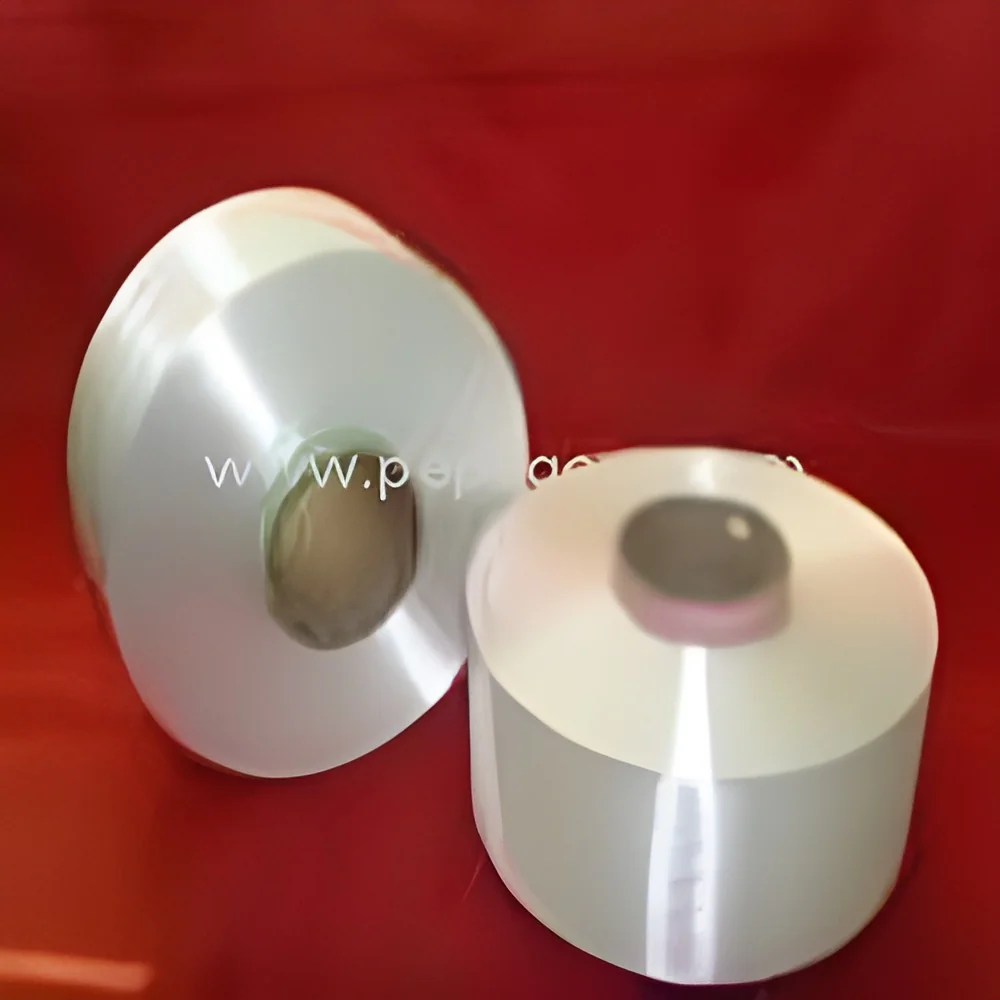
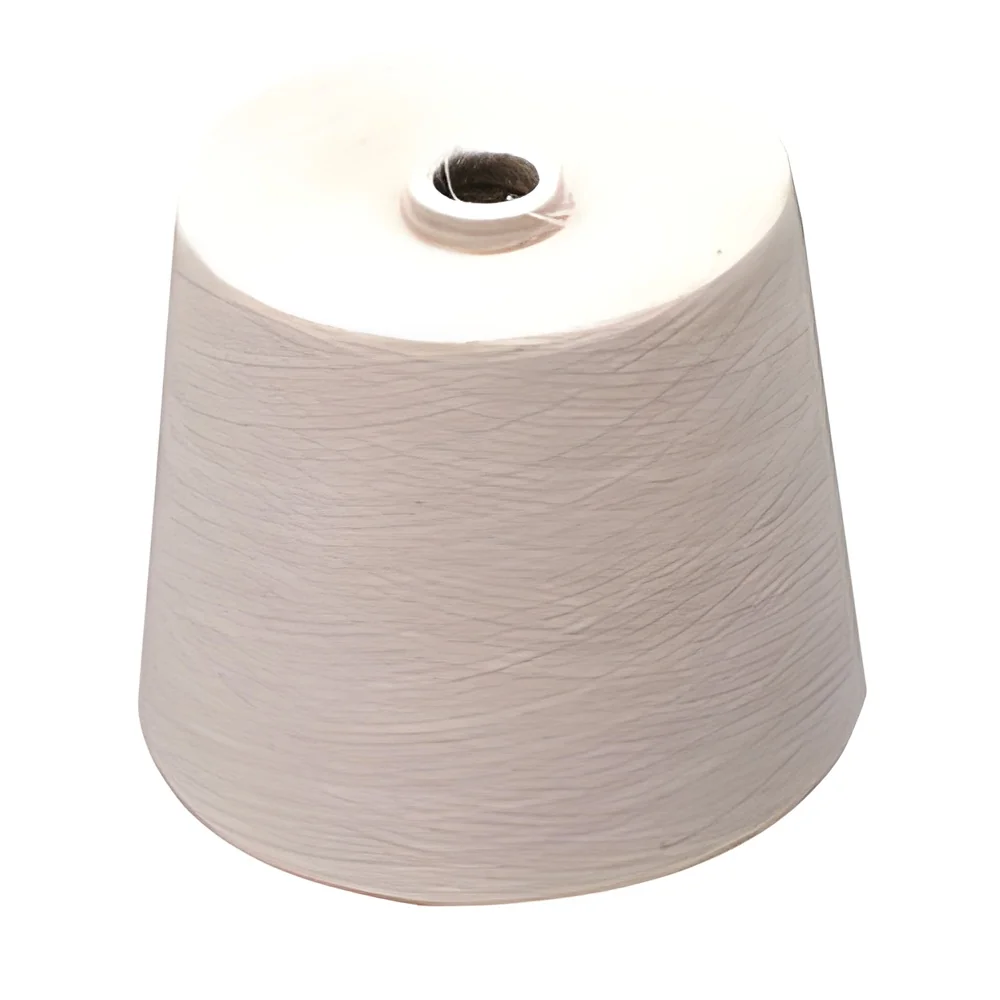
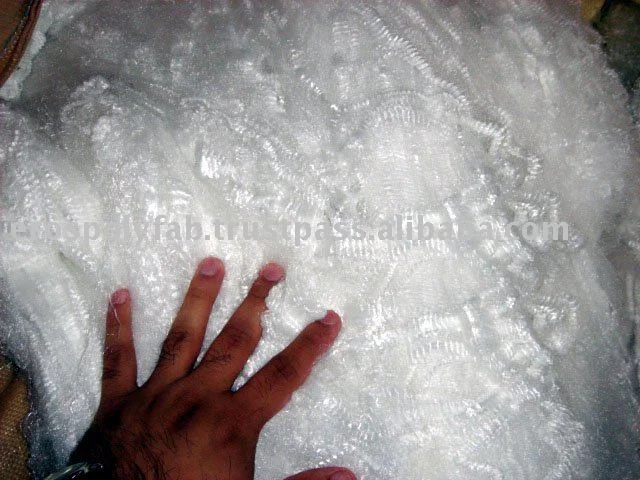
Key Features and Specifications
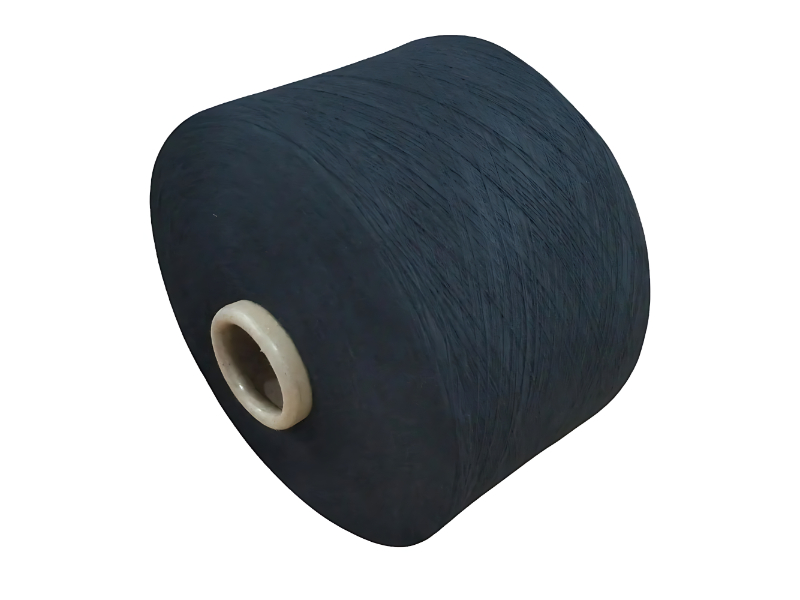
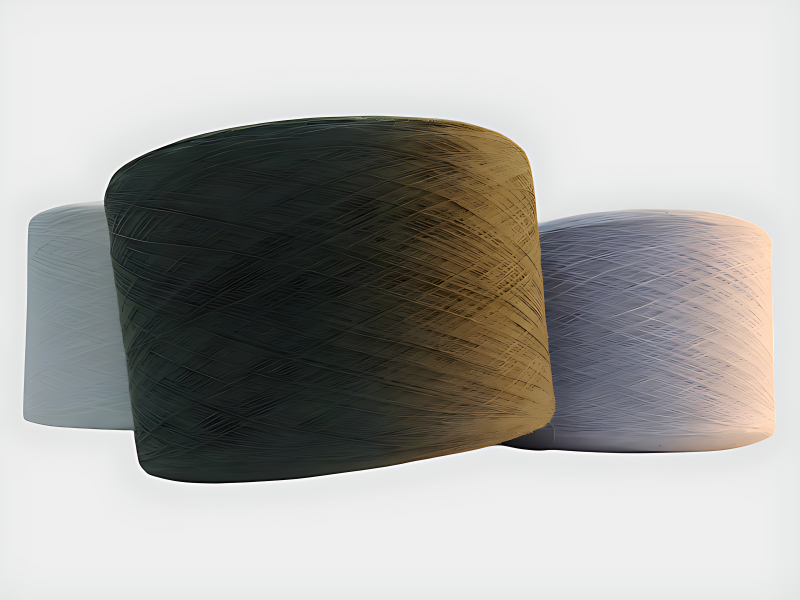
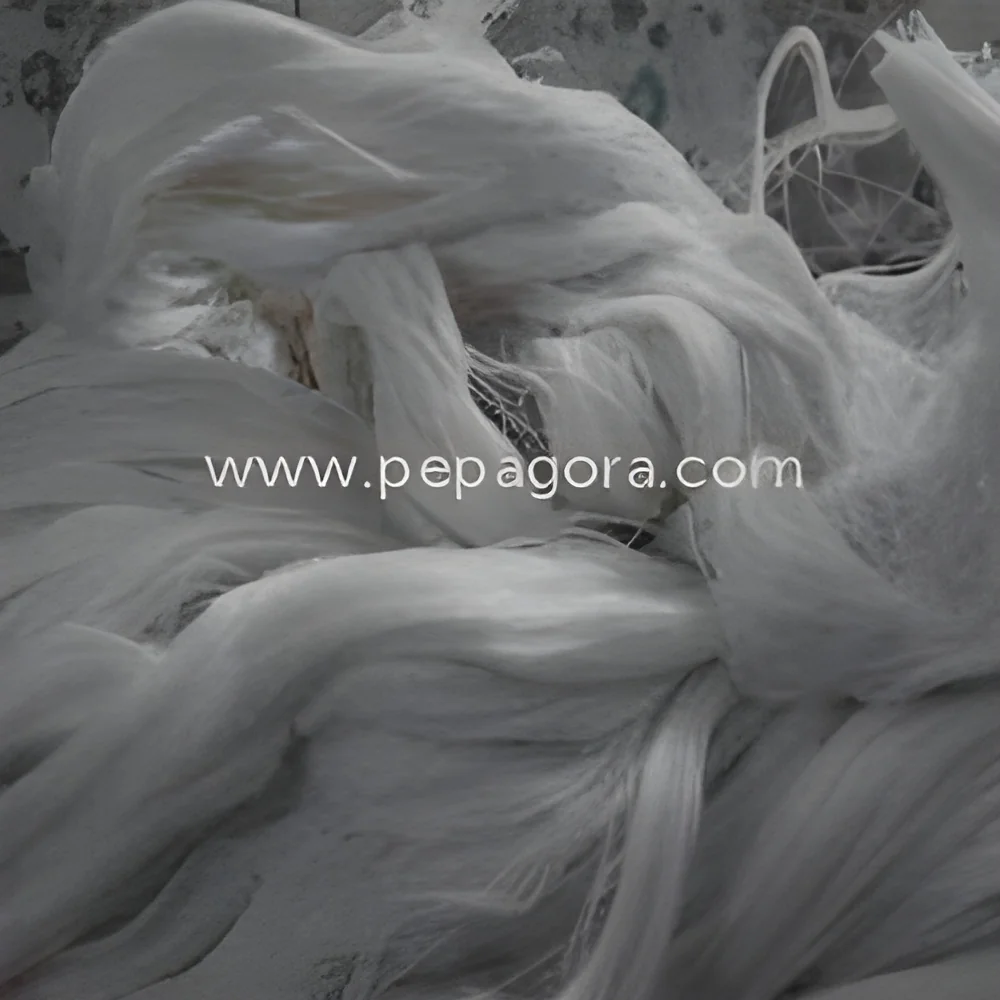
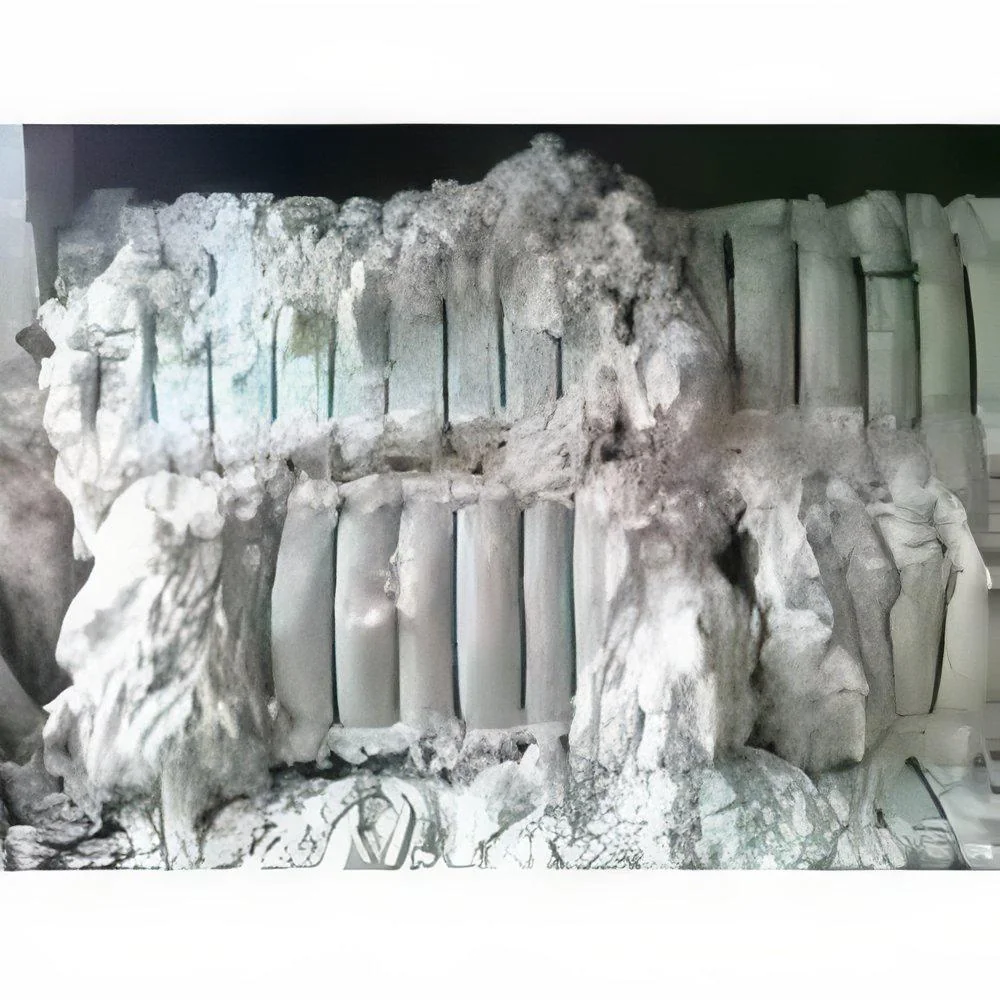
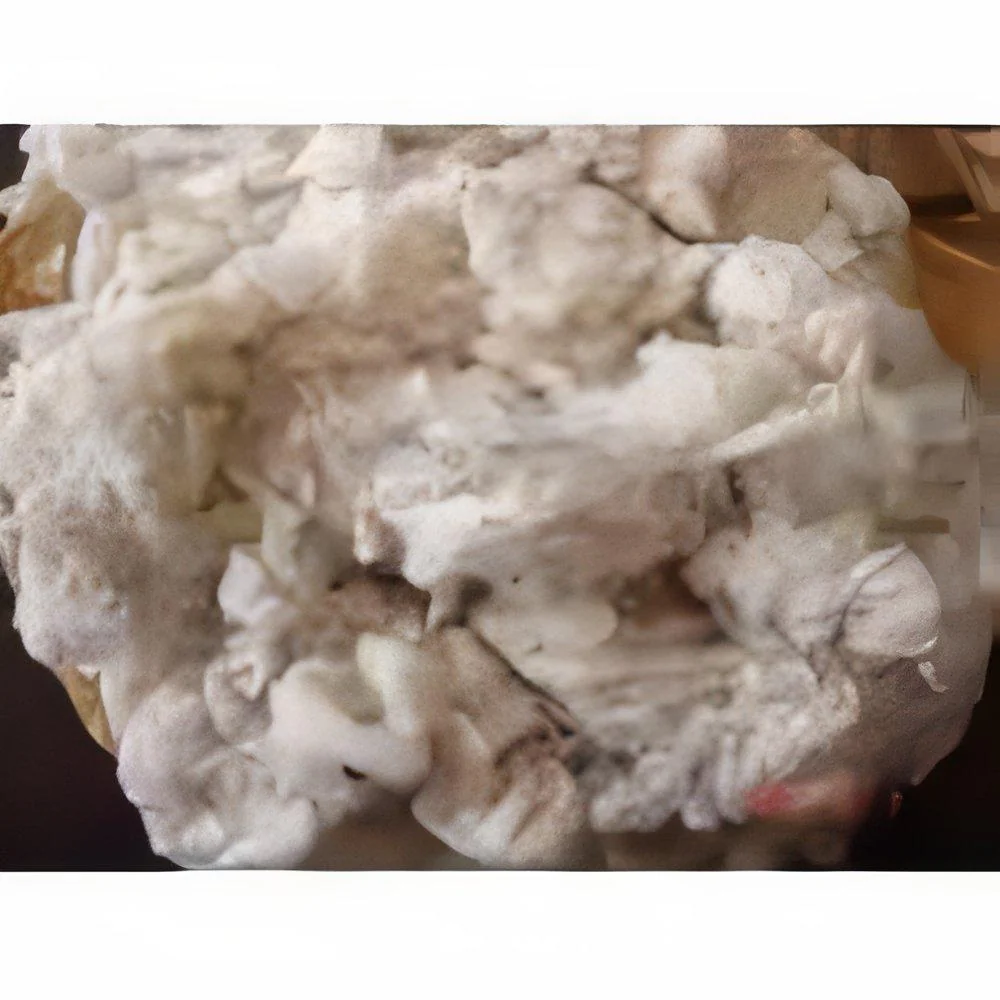
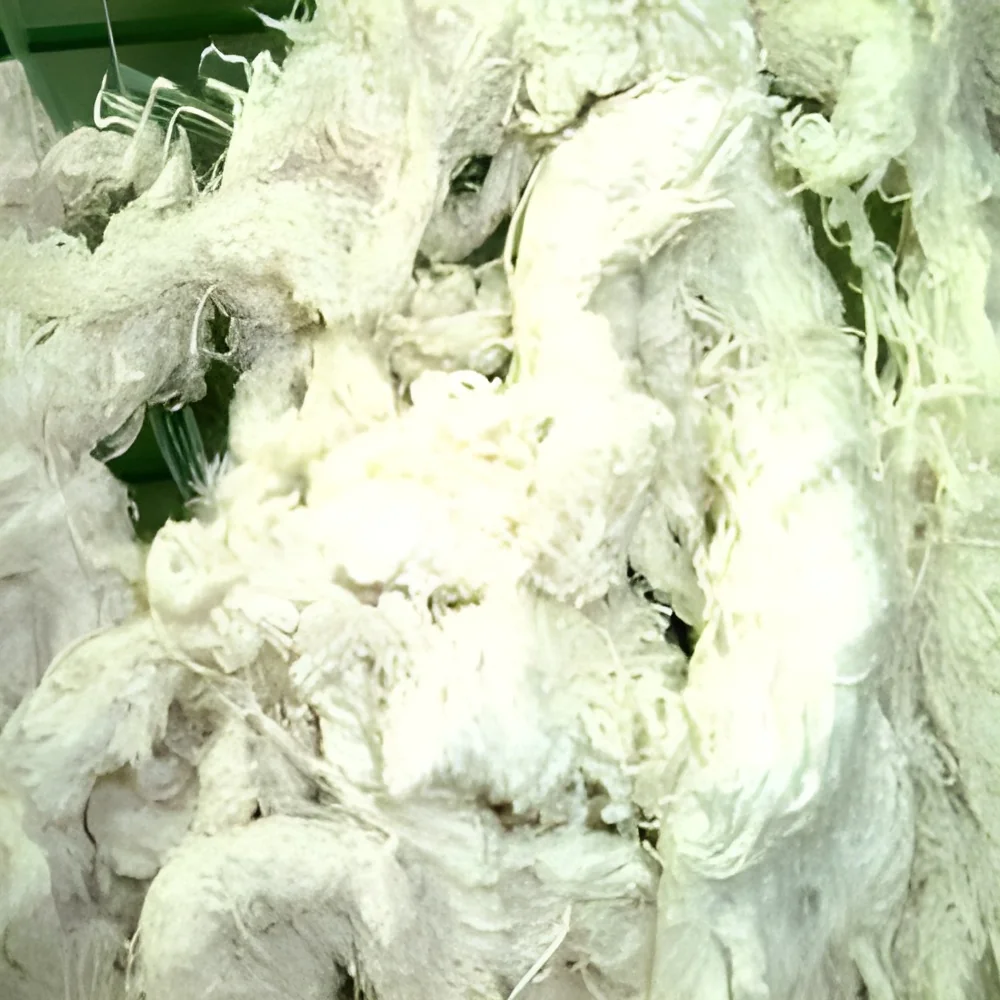
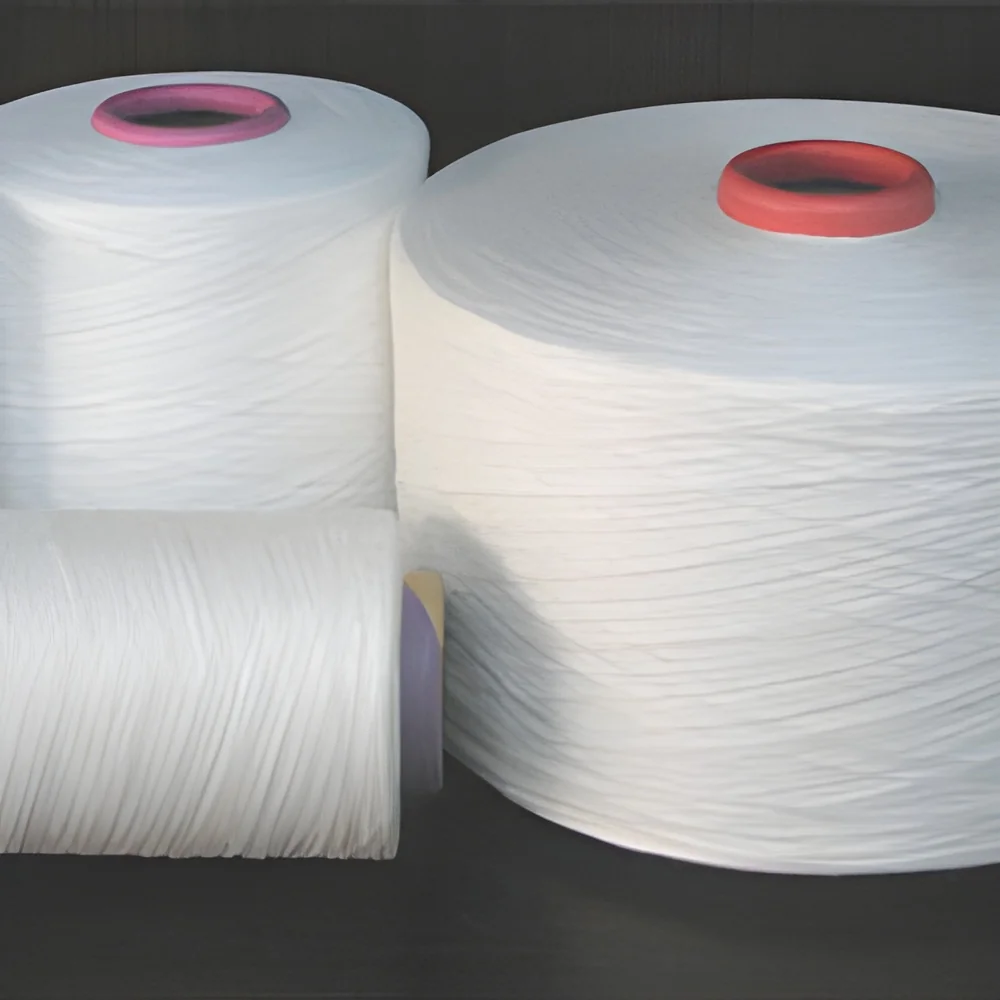
When evaluating raw yarn, it is crucial to consider various key features and specifications that define its quality and suitability for specific applications. These features influence the performance, durability, and overall effectiveness of the yarn in production.
Key specifications include:
1. Fiber Composition
- This specification refers to the type of fibers used in the yarn.
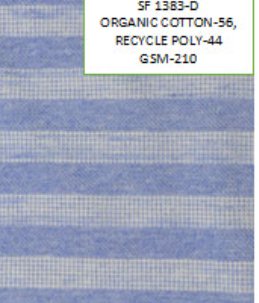
- Common compositions include 100% cotton, 100% polyester, and blended fibers.
2. Yarn Count
- Yarn count indicates the thickness of the yarn.
- It is typically measured in denier or tex, which helps determine the yarn's strength and fabric suitability.
3. Twist Level
- Twist level measures how tightly the fibers are twisted together.
- It affects the yarn's durability and elasticity, influencing the final fabric's texture.
4. Color Fastness
- This specification assesses how well the yarn retains its color when exposed to various conditions.
- High color fastness is essential for ensuring that the final product maintains its appearance after washing and wearing.
5. Tensile Strength
- Tensile strength indicates the maximum load the yarn can withstand before breaking.
- This quality is crucial for applications requiring high durability, such as industrial textiles.
6. Moisture Absorption
- This specification measures the yarn's ability to absorb moisture.
- Fabrics made from yarn with high moisture absorption are often more comfortable to wear.
7. Compliance with Industry Standards
- Raw yarn should meet specific quality standards, such as CE certification.
- Compliance ensures that the yarn is safe and suitable for various applications.
In summary, understanding these key features and specifications allows businesses to make informed decisions when selecting raw yarn for their production needs.
Common Applications and Use Cases
Raw yarn serves a variety of industries, each with specific applications that leverage its unique properties.
1. Apparel Industry: Raw yarn is extensively used in clothing production, where it forms the base for fabrics used in shirts, dresses, and activewear. The choice of fiber composition affects the garment's comfort and performance.
2. Home Textiles: In the home textiles sector, raw yarn is used to make curtains, upholstery, and bed linens. The selection of yarn type can impact the durability and aesthetic appeal of these products.
3. Industrial Textiles: Raw yarn is utilized in the production of technical textiles, which are designed for industrial applications such as automotive interiors, filtration, and personal protective equipment.
4. Knitting and Weaving: Fabrics produced for knitting and weaving processes rely on raw yarn to create textures and patterns. The flexibility and twist of the yarn determine the final fabric's characteristics.
5. Crafting and DIY Projects: Raw yarn is popular among crafters and hobbyists for knitting, crocheting, and other DIY projects. Its versatility allows for creativity in producing unique handmade items.
6. Sports and Outdoor Textiles: In the sports industry, raw yarn is used to create high-performance fabrics engineered for moisture management and breathability.
7. Medical Textiles: Raw yarn is used in the medical field for producing bandages, sutures, and other textile-based healthcare products, where sterility and strength are critical.
Product Variants and Subcategories
Raw yarn is available in diverse variants, each tailored to meet specific customer needs and industry requirements.
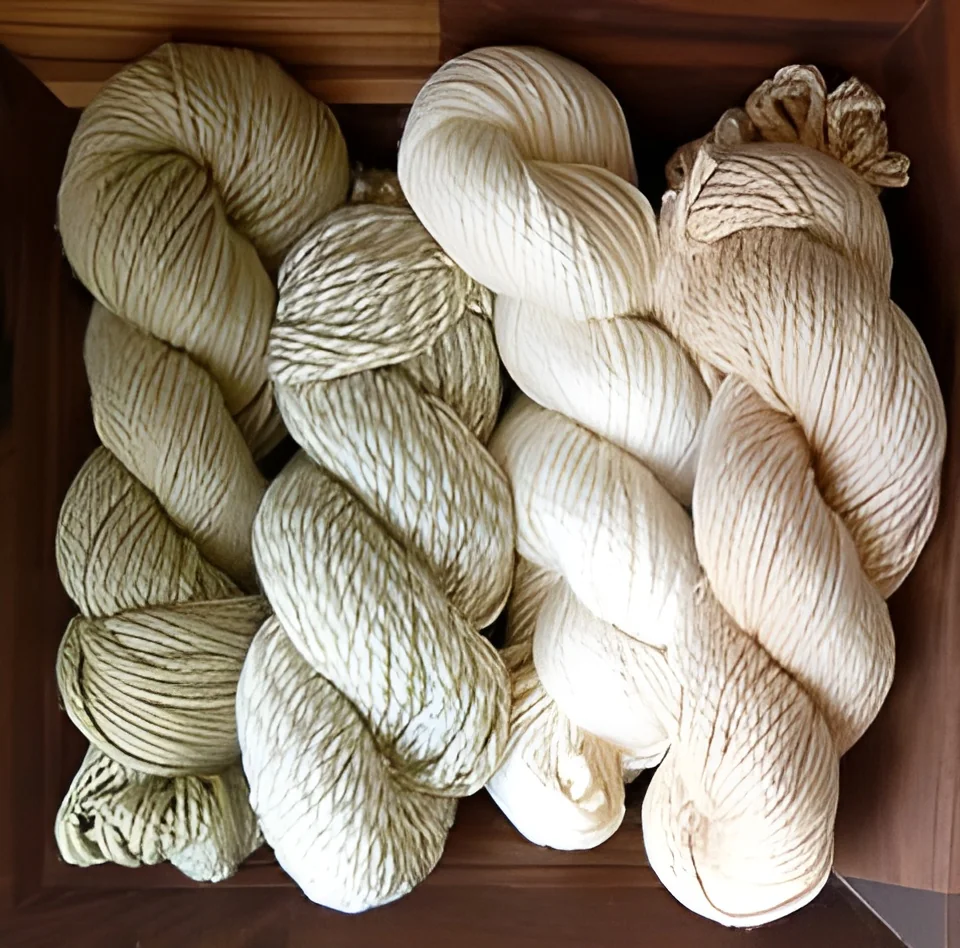
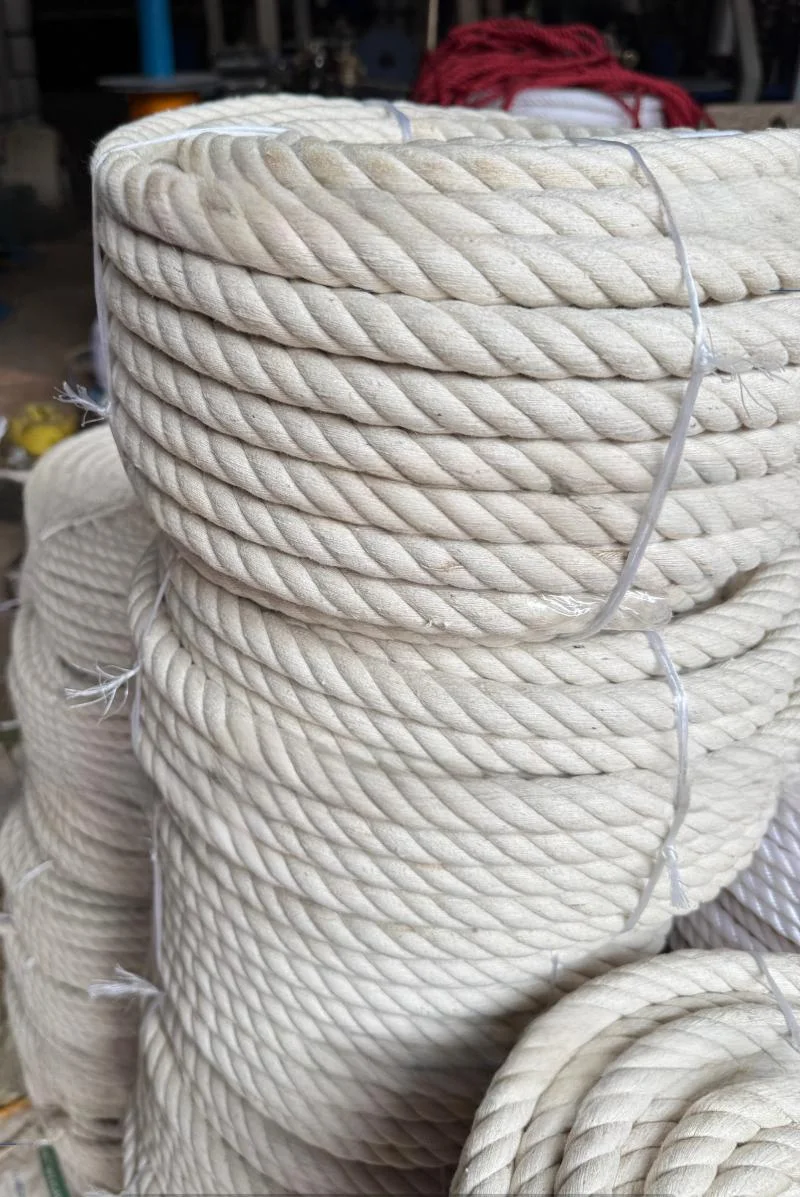
Cotton Yarn
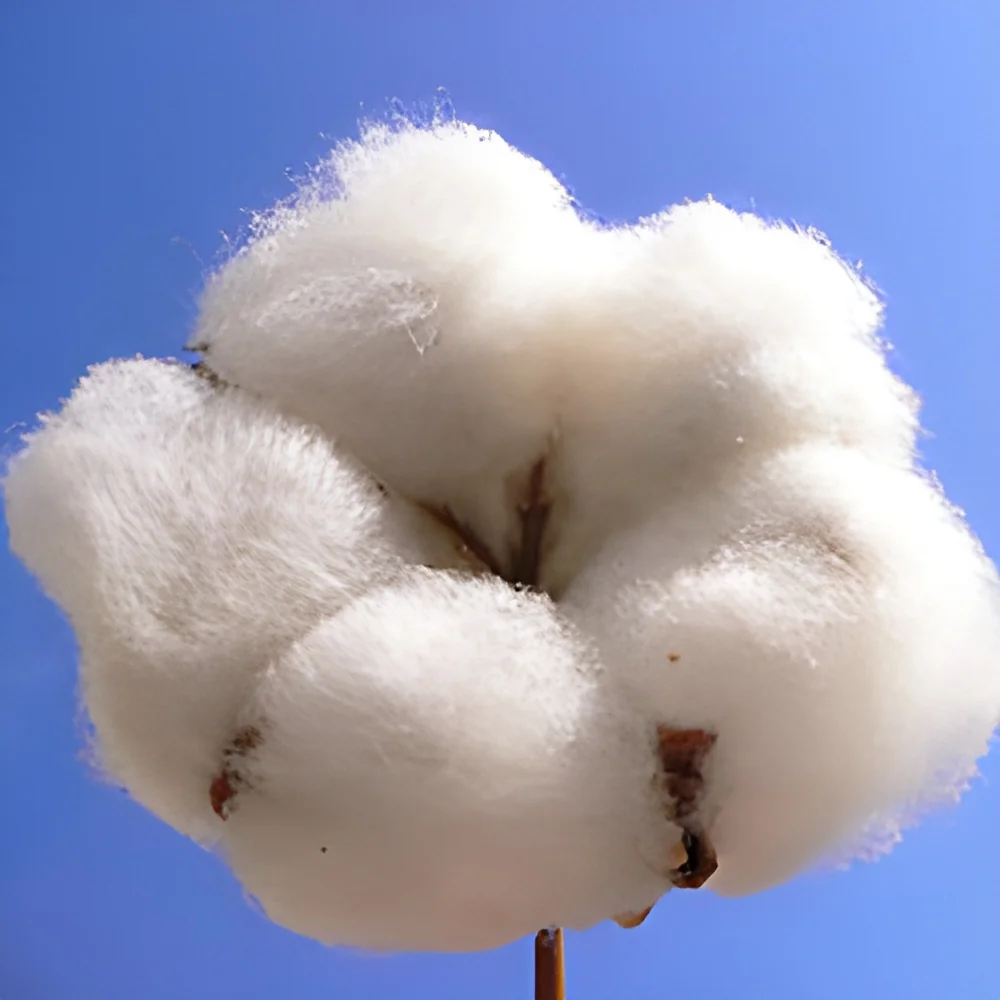
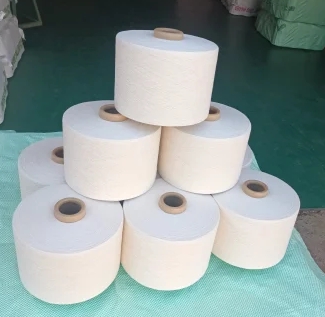
This variant is made from natural cotton fibers, known for its softness and breathability. It is widely used in apparel and home textiles, providing comfort and durability.
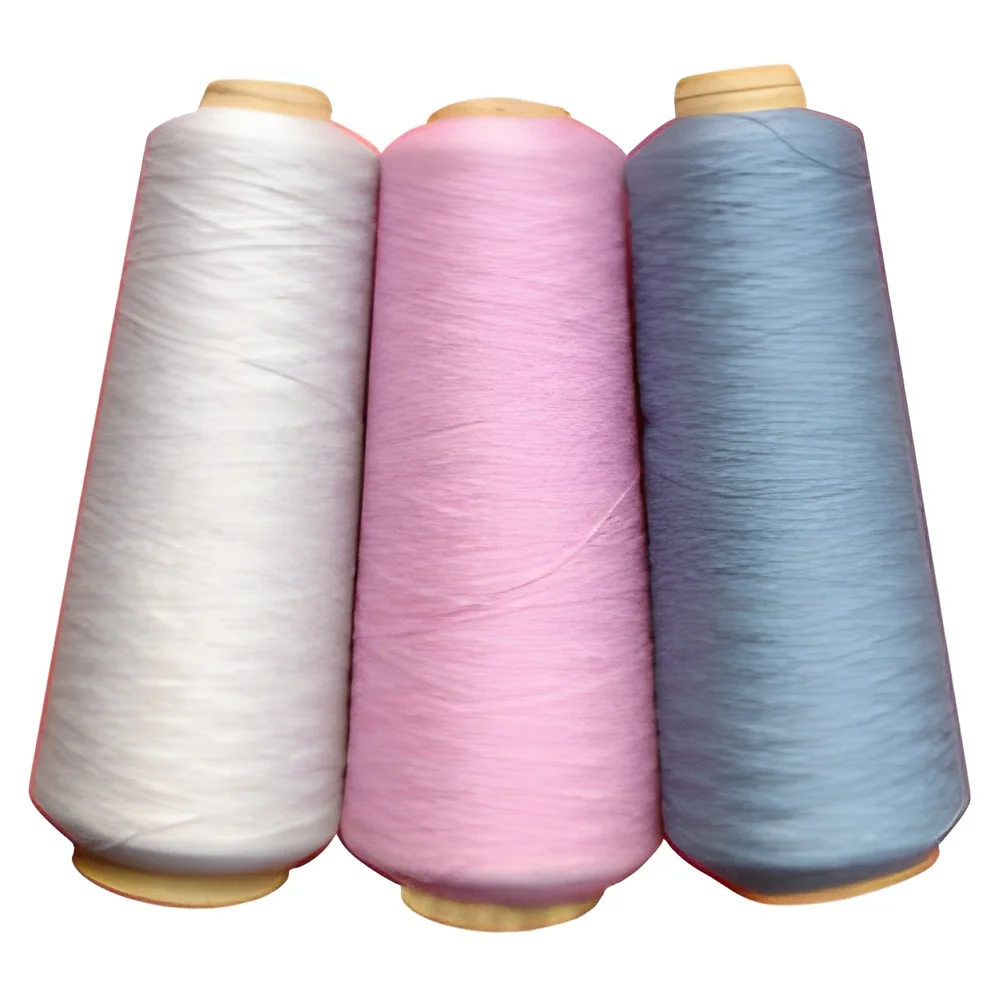
Polyester Yarn
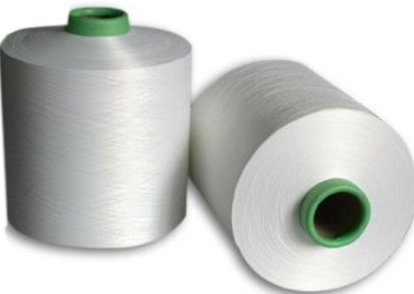
Produced from synthetic fibers, polyester yarn is recognized for its strength and resistance to shrinking and stretching. This type is commonly used in sportswear and industrial applications.
Blended Yarn
Blended yarn combines different fibers, such as cotton and polyester, to achieve desired properties. This variant offers the advantages of both materials, enhancing performance and versatility.
Specialty Yarn
Specialty yarn includes fibers with unique properties, such as moisture-wicking or antimicrobial characteristics. This type is often used in niche markets, like performance apparel and medical textiles.
Textured Yarn
Textured yarn is designed to create a specific fabric texture and appearance. This variant is popular in fashion textiles, where aesthetics play a vital role.
Benefits and Advantages
Sourcing raw yarn provides numerous benefits that can enhance product quality and production efficiency.
1. Versatility: Raw yarn can be utilized across various applications and industries, making it a flexible choice for manufacturers.
2. Customization: Many suppliers offer options for customized yarn blends, allowing businesses to meet specific performance and aesthetic requirements.
3. Cost-Effectiveness: Raw yarn can contribute to lower production costs, especially when sourced in bulk or from reliable suppliers.
4. Sustainability: With the rise of eco-friendly fibers and production processes, businesses can choose raw yarn options that align with sustainable practices.
5. Quality Assurance: Partnering with reputable suppliers ensures that the raw yarn meets industry standards, providing confidence in product quality.
6. Technical Support: Many suppliers offer technical assistance and advice, helping businesses optimize their yarn selection for specific applications.
Buying Guide for B2B Buyers
When sourcing raw yarn, it is essential for B2B buyers to consider several key factors to ensure they make informed purchasing decisions.
1. Quality Assessment: Evaluate the quality of raw yarn by checking for certifications, fiber composition, and performance specifications. Consider testing samples before placing large orders.
2. Supplier Verification: Vet potential suppliers by reviewing their reputation, customer reviews, and compliance with industry standards. Establishing a relationship with reliable suppliers is critical for long-term success.
3. Pricing and MOQ: Understand pricing structures and minimum order quantities (MOQ) to effectively manage budgets and inventory. Negotiating favorable terms can lead to cost savings.
4. Delivery and Lead Times: Confirm the supplier's lead times for delivery and ensure they can meet your production schedule. Timely deliveries are essential for maintaining workflow efficiency.
5. Compliance Requirements: Ensure that the raw yarn complies with relevant regulations and industry standards. This includes certifications like CE, which can impact product acceptance in various markets.
Compliance and Certifications
Compliance and certifications play a vital role in the quality assurance of raw yarn. Key standards include ISO 9001, which ensures consistent quality management processes, and CE certification, indicating that the product meets European safety requirements.
Safety and testing requirements are also crucial for raw yarn, particularly for applications involving consumer goods or technical textiles. Yarn should undergo rigorous testing for performance, durability, and safety to ensure it meets the necessary standards.
Regional compliance considerations can vary, affecting how raw yarn is sourced and utilized in different markets. Buyers should be aware of local regulations governing textile products to ensure that their sourcing practices align with legal requirements.
Why Source Raw Yarn (Cotton, Polyester, etc.) from Pepagora?
Pepagora provides a trusted platform for sourcing raw yarn, offering several key advantages for businesses looking to procure high-quality materials.
Verified Supplier Network: With a comprehensive network of verified suppliers, Pepagora ensures that buyers have access to reputable sources of raw yarn. This verification process enhances buyer confidence and reduces risks in sourcing.
Streamlined RFQ Process: The Request for Quotation (RFQ) system allows buyers to easily request prices and samples from multiple suppliers. This streamlined approach enables businesses to compare options and make informed decisions quickly.
Trade Assurance and Support: Pepagora offers trade assurance features that protect buyers from potential disputes. This support mechanism fosters a secure environment for transactions, promoting trust between buyers and suppliers.
Regional Coverage: With a strong presence in markets like India, the GCC, and Southeast Asia, Pepagora provides extensive geographic coverage. This reach allows businesses to source raw yarn efficiently, catering to diverse production needs and preferences.
In conclusion, Pepagora stands out as a reliable platform for sourcing raw yarn, ensuring quality, efficiency, and security for B2B buyers.

 IN
IN