What are Recycled Yarn & Fibers?
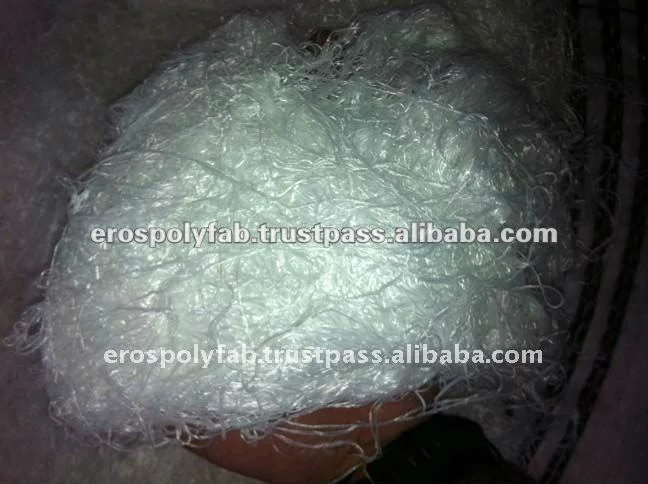
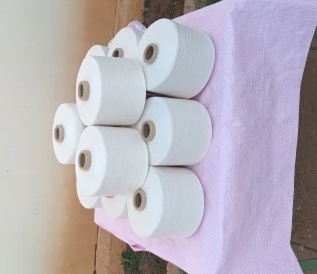
Recycled yarn and fibers are materials created from post-consumer or post-industrial textile waste. This process involves collecting discarded textiles, breaking them down, and reprocessing them into new yarns or fibers. The aim of using recycled materials is to reduce environmental impact while maintaining quality and performance standards. Recycled yarn and fibers can be manufactured from a variety of sources, including cotton, polyester, and nylon.
These materials find primary applications in various sectors, including fashion, home textiles, and industrial products. Businesses leverage recycled yarn and fibers to create sustainable products that appeal to environmentally conscious consumers. Additionally, the textile industry sees growing demand for recycled materials as brands seek to minimize their carbon footprint and adhere to sustainability initiatives. The increasing focus on sustainable practices has made recycled yarn and fibers an essential part of the modern textile supply chain.
Key Features and Specifications
Recycled yarn and fibers come with a range of features that enhance their appeal in the marketplace. They are designed to meet specific performance and environmental criteria, making them suitable for diverse applications.
Key specifications include:
1. Composition
- Made from various materials such as cotton, polyester, and nylon.
- Typically consists of a mix of recycled and virgin fibers for enhanced quality.
2. Yarn Count
- Available in various yarn counts to meet different textile needs.
- Common ranges include fine, medium, and coarse yarns.
3. Colorfastness
- High resistance to fading and discoloration.
- Tested against standard colorfastness ratings.
4. Strength and Durability
- Designed to withstand significant wear and tear.
- Meets industry standards for tensile strength.
5. Environmental Impact
- Lower carbon footprint compared to virgin fibers.
- Contributes to waste reduction and sustainability goals.
6. Compliance with Safety Standards
- Adheres to relevant safety and testing standards.
- Certified to meet CE regulations.
7. Availability
- Offered in various forms, such as spun yarn, filament yarn, and staple fibers.
- Can be customized based on specific customer needs.
In summary, the specifications of recycled yarn and fibers highlight their versatility and sustainability, making them a valuable resource for textile manufacturers.
Common Applications and Use Cases
Recycled yarn and fibers serve various industries, promoting sustainable practices.
1. Apparel Industry: Used to create clothing items such as t-shirts, jeans, and jackets. Brands utilize recycled materials to enhance their sustainability profiles.
2. Home Textiles: Commonly found in products like bed linens, curtains, and upholstery fabrics. These materials provide an eco-friendly option for consumers looking to furnish their homes sustainably.
3. Automotive Textiles: Used in the production of seat covers, carpets, and other interior components. Recycled fibers help reduce waste in the automotive industry.
4. Outdoor Gear: Integrated into products like backpacks and jackets designed for outdoor activities. They offer durability alongside environmental benefits.
5. Industrial Textiles: Employed in various industrial applications, including filtration and insulation. The strength and resilience of recycled fibers make them suitable for demanding environments.
6. Non-Woven Fabrics: Used in the production of disposable products such as wipes and bags. These applications take advantage of the cost-effectiveness and sustainability of recycled materials.
Product Variants and Subcategories
The diversity of recycled yarn and fibers allows businesses to choose the right variant for their specific needs.
Recycled Cotton Yarn: This variant is made from post-consumer cotton waste. It offers softness and breathability, making it ideal for clothing and home textiles.
Recycled Polyester Yarn: Derived from recycled plastic bottles, this yarn is known for its durability and moisture-wicking properties. It is widely used in activewear and outdoor gear.
Recycled Nylon Fibers: Sourced from discarded fishing nets and other nylon waste, this variant is strong and resistant to abrasion. It is commonly used in high-performance applications.
Benefits and Advantages
Sourcing recycled yarn and fibers offers numerous advantages for businesses committed to sustainability.
Key benefits include:
1. Environmental Sustainability: By using recycled materials, companies significantly reduce their carbon footprint and contribute to a circular economy.
2. Cost Efficiency: Recycled yarns can be more affordable than virgin materials, helping businesses manage costs while promoting eco-friendly practices.
3. Quality Assurance: Many recycled fibers maintain high quality, providing comparable performance to virgin counterparts.
4. Brand Differentiation: Companies can enhance their brand image by showcasing their commitment to sustainability, appealing to eco-conscious consumers.
5. Regulatory Compliance: Utilizing recycled materials can help brands meet various environmental regulations and standards.
6. Market Demand: There is a growing market for sustainable products, making recycled yarn and fibers a strategic choice for businesses looking to expand their offerings.
Buying Guide for B2B Buyers
When sourcing recycled yarn and fibers, it is essential for buyers to consider several factors that can impact their purchasing decisions.
1. Quality Assessment: Evaluate the quality of the recycled materials based on strength, colorfastness, and compliance with safety standards. Seek samples and certifications to ensure they meet your specifications.
2. Supplier Verification: Conduct thorough background checks on suppliers to ensure they are reputable and capable of delivering consistent quality. Look for certifications and customer reviews.
3. Pricing and MOQ: Understand the pricing structure and minimum order quantities. This can vary significantly based on the supplier and the specific type of yarn or fiber.
4. Delivery and Lead Times: Confirm the logistics involved in the delivery process. Understand lead times to ensure they align with your production schedules.
5. Compliance Requirements: Be aware of relevant regulations and standards that apply to recycled materials. Ensure that your chosen suppliers adhere to these compliance requirements.
Compliance and Certifications
Recycled yarn and fibers must meet various quality and safety standards to ensure their reliability in the market. Key industry standards include ISO 9001, which sets requirements for quality management systems, and HACCP, which focuses on food safety in the textile industry.
Additionally, compliance with CE regulations is essential for products sold in European markets. This certification indicates that the products meet EU safety, health, and environmental requirements.
Safety and testing requirements also play a critical role in the production of recycled yarn and fibers. Manufacturers must perform rigorous testing to ensure the materials are safe for their intended uses.
Regional compliance considerations may vary based on local regulations. It is important for suppliers to be knowledgeable about the specific compliance requirements in the regions where their products will be sold.
Why Source Recycled Yarn & Fibers from Pepagora?
Pepagora provides a trusted platform for sourcing recycled yarn and fibers, offering several key advantages for B2B buyers.
Verified Supplier Network: Pepagora connects buyers with a network of verified suppliers. Each supplier undergoes a rigorous vetting process to ensure they meet quality and reliability standards.
Streamlined RFQ Process: The platform features an efficient request for quotation (RFQ) system that allows buyers to easily compare prices and specifications from multiple suppliers. This process simplifies sourcing and enhances decision-making.
Trade Assurance and Support: Pepagora prioritizes buyer protection through trade assurance measures. This includes support for resolving disputes and ensuring quality delivery.
Regional Coverage: With a geographic reach that includes India, the GCC region, and Southeast Asia, Pepagora provides access to a diverse array of suppliers and products. This broad coverage enables buyers to find the best materials to meet their needs.

 IN
IN