What are Warping & Weaving Preparatory Materials?
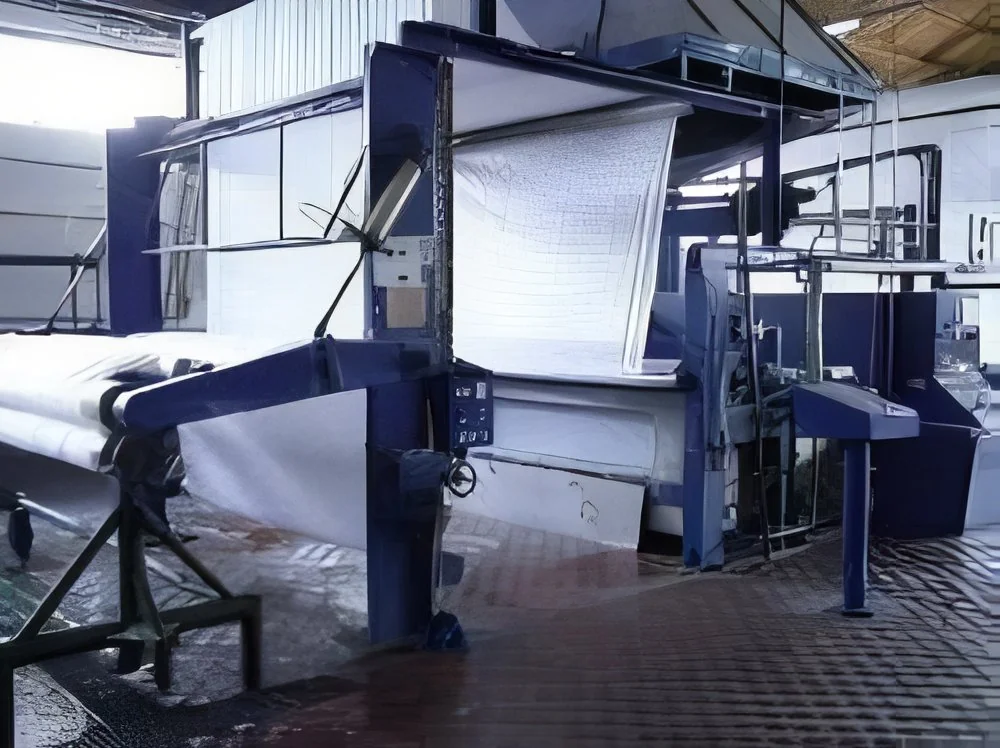
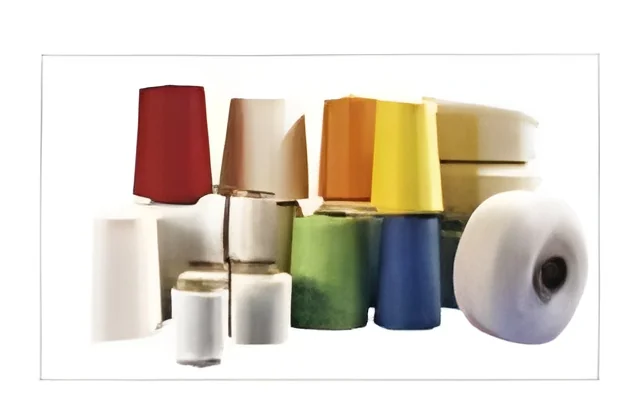
Warping and weaving preparatory materials are essential components in the textile manufacturing process. These materials are used to prepare yarns for weaving, ensuring that they are properly aligned and tensioned before they are transformed into fabric. The warping process involves arranging multiple yarns in parallel, while weaving is the subsequent phase where these yarns are interlaced to create various textile patterns.
These materials have a wide range of applications in the textile industry. They are primarily utilized in the production of fabrics for clothing, upholstery, and industrial textiles. Businesses in sectors such as fashion, interior design, and automotive manufacturing rely on high-quality warping and weaving preparatory materials to ensure that their final products meet the desired specifications and quality standards. With the textile industry continually evolving, the demand for efficient and reliable preparatory materials has become increasingly significant.
In the current market context, the relevance of warping and weaving preparatory materials is underscored by the growth of the textile sector globally. Innovations in material technology and manufacturing processes have led to advancements that enhance product performance. As manufacturers seek to improve efficiency and reduce waste, the importance of these preparatory materials in maintaining production consistency and quality cannot be overstated.
Key Features and Specifications
Warping and weaving preparatory materials are characterized by specific features and specifications that are crucial for their performance in textile production. These specifications ensure that the materials can withstand the rigors of the manufacturing process and deliver consistent results.
Key specifications include:
1. Yarn Count
- Refers to the thickness of the yarn used in the preparation.
- Available in various ranges depending on the fabric requirements.
2. Tensile Strength
- Indicates the maximum stress that the material can withstand before failure.
- Measured in Newtons per unit width.
3. Elongation Percentage
- Represents how much the material can stretch before breaking.
- Typically ranges from 5% to 30%, depending on the yarn type.
4. Consistency
- Refers to the uniformity in thickness and tension of the yarns.
- Essential for smooth weaving operations.
5. Surface Texture
- Describes the finish of the yarns, which can affect friction during weaving.
- Available in various textures to suit different weaving techniques.
6. Color Fastness
- Indicates the resistance of the yarn to fading or running of colors.
- Tested against various environmental conditions.
7. Moisture Control
- Important for maintaining yarn integrity during the warping process.
- Different materials may have varying moisture control capacities.
8. Compatibility with Weaving Machines
- Ensures that the preparatory materials align with specific machine requirements.
- Critical for operational efficiency.
These specifications play a pivotal role in determining the suitability of warping and weaving preparatory materials for specific applications, ensuring that manufacturers can achieve their desired outcomes.
Common Applications and Use Cases
Warping and weaving preparatory materials find extensive use across various industries, each leveraging these materials for specific textile applications.
1. Apparel Industry: In the fashion sector, these materials are crucial for producing garments that require precise fit and quality. They help maintain the integrity of the fabric during mass production.
2. Home Textiles: Manufacturers of curtains, upholstery, and bed linens rely on warping and weaving preparatory materials to create durable and aesthetically pleasing products.
3. Automotive Textiles: The automotive industry uses these materials for seat covers and interior linings, where strength and durability are paramount.
4. Industrial Fabrics: Companies producing industrial textiles, such as conveyor belts and tarpaulins, require robust preparatory materials to ensure performance under demanding conditions.
5. Technical Textiles: In sectors like healthcare and safety, specialized textiles are created using these preparatory materials to meet stringent performance standards.
6. Sportswear: The sports industry benefits from advanced textiles that enhance performance, thanks to the effective use of warping and weaving preparatory materials.
7. Geotextiles: Used in civil engineering and construction, these materials are essential for producing fabrics that provide soil stabilization and drainage.
These applications underscore the versatility and importance of warping and weaving preparatory materials across diverse sectors.
Product Variants and Subcategories
Warping and weaving preparatory materials come in various types, each tailored to meet specific production needs. The diversity in these products allows manufacturers to choose the right materials for their particular applications.
Variant 1 Name: High-Tensile Yarn
This variant is designed for applications requiring exceptional strength and durability. High-tensile yarn is commonly used in industrial textiles and automotive applications, ensuring reliability under high-stress conditions.
Variant 2 Name: Low-Elasticity Yarn
Low-elasticity yarn is ideal for applications where minimal stretch is required. This type is often used in home textiles and apparel, providing a stable base for woven fabrics.
Variant 3 Name: Specialty Coated Yarn
Specialty coated yarns are treated to enhance performance in specific environments, such as moisture resistance or UV protection. These are used in outdoor textiles and technical applications.
Variant 4 Name: Multi-Filament Yarn
Multi-filament yarns consist of several strands twisted together, providing superior flexibility and strength. They are commonly used in sportswear and high-performance textiles.
Benefits and Advantages
The use of warping and weaving preparatory materials offers several advantages that enhance manufacturing efficiency and product quality.
1. Improved Fabric Quality: High-quality preparatory materials lead to better finished products, ensuring durability and aesthetic appeal.
2. Enhanced Production Efficiency: Properly prepared yarns reduce downtime during the weaving process, allowing for smoother operations.
3. Cost-Effectiveness: Investing in quality preparatory materials can minimize waste and defects, ultimately reducing production costs.
4. Versatility: These materials can be tailored to suit various applications, making them suitable for a wide range of industries.
5. Consistent Results: Reliable preparatory materials ensure uniformity in fabric production, maintaining quality across batches.
6. Innovation Support: Access to advanced materials allows manufacturers to explore new textile technologies and applications.
These benefits make warping and weaving preparatory materials essential for businesses aiming to optimize their production processes.
Buying Guide for B2B Buyers
When sourcing warping and weaving preparatory materials, B2B buyers should consider several critical factors to ensure they make informed purchasing decisions.
1. Quality Assessment: It is vital to evaluate the quality of materials by reviewing technical specifications and samples. Look for certifications that indicate compliance with industry standards.
2. Supplier Verification: Vet potential suppliers by checking references, reviewing their track record, and assessing their production capabilities. A reliable supplier is essential for consistent material quality.
3. Pricing and MOQ: Understand the pricing structure, including any minimum order quantities (MOQ). This will help in budgeting and ensure that your procurement aligns with production needs.
4. Delivery and Lead Times: Consider the logistics of sourcing materials, including delivery schedules. Timely delivery is crucial to maintaining production timelines.
5. Compliance Requirements: Ensure that materials meet relevant regulatory and compliance standards, which can vary by region and application.
By keeping these factors in mind, buyers can confidently source the right warping and weaving preparatory materials for their operations.
Compliance and Certifications
Warping and weaving preparatory materials are subject to various compliance standards that ensure their safety and effectiveness in textile production. Key quality standards include ISO 9001, which establishes a framework for quality management systems, ensuring that manufacturers consistently provide products that meet customer and regulatory requirements.
Industry certifications, such as CE marking, indicate that products conform to health, safety, and environmental protection standards within the European Economic Area. Compliance with these standards is essential for manufacturers aiming to sell their products in global markets.
Safety and testing requirements are also critical in the textile sector. Materials must undergo rigorous testing to assess their performance characteristics, including tensile strength and durability, to ensure they meet the demands of their intended applications.
Regional compliance considerations can vary widely. Buyers should be aware of local regulations that may affect the sourcing and use of warping and weaving preparatory materials. Understanding these requirements helps ensure that products are compliant and safe for use.
Why Source Warping & Weaving Preparatory Materials from Pepagora?
Pepagora provides a trusted platform for sourcing warping and weaving preparatory materials, offering numerous key advantages to B2B buyers.
One of the primary benefits is the verified supplier network. Pepagora ensures that all suppliers in its network are thoroughly vetted, providing buyers with confidence in the quality and reliability of the materials they source.
The platform also features a streamlined RFQ (Request for Quotation) process that simplifies the procurement experience. Buyers can easily request quotes from multiple suppliers, allowing them to compare offers and make informed purchasing decisions.
Additionally, Pepagora offers trade assurance and support, providing buyers with protection throughout the procurement process. This assurance helps mitigate risks associated with sourcing materials, ensuring a smooth transaction.
Finally, Pepagora boasts regional coverage across India, the GCC, and Southeast Asia. This extensive reach enables buyers to access a diverse range of suppliers and products, catering to their specific manufacturing needs. By choosing Pepagora, businesses can enhance their sourcing strategies and ensure they receive high-quality warping and weaving preparatory materials.

 IN
IN