What are Textile Raw Material Suppliers?
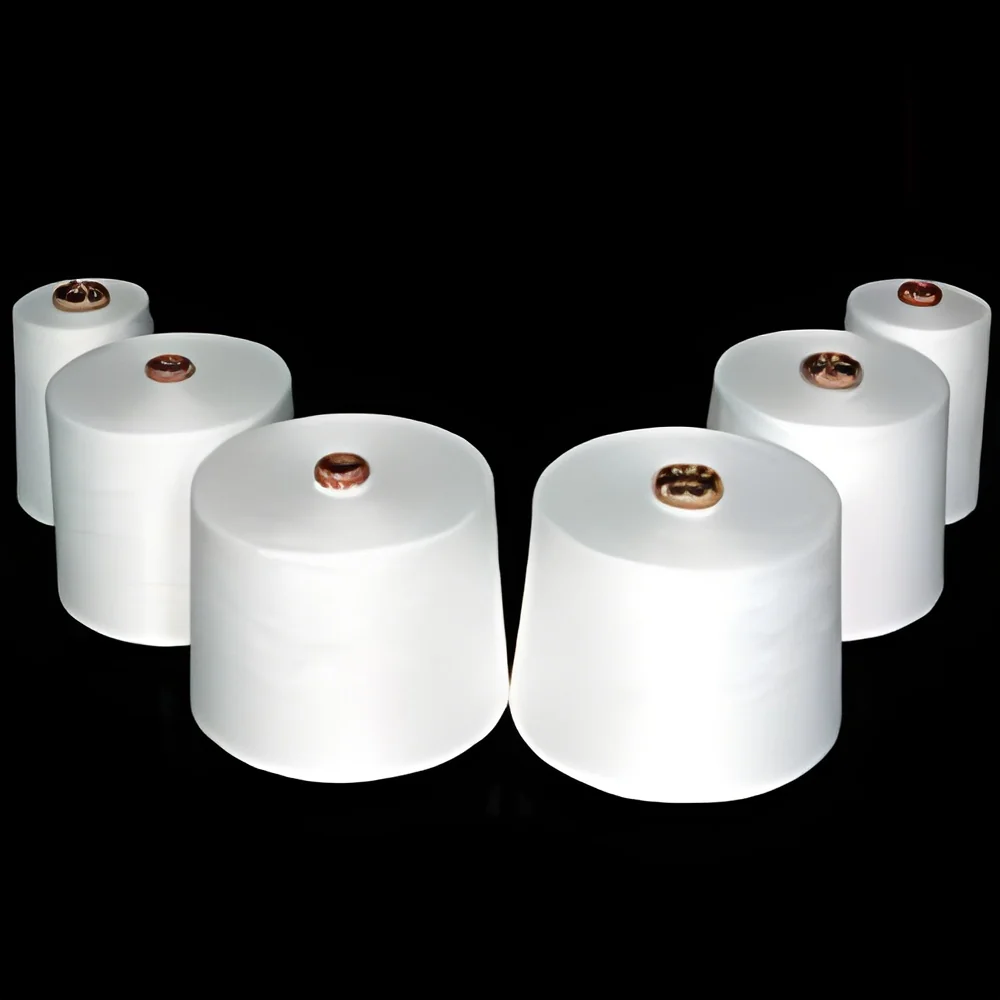
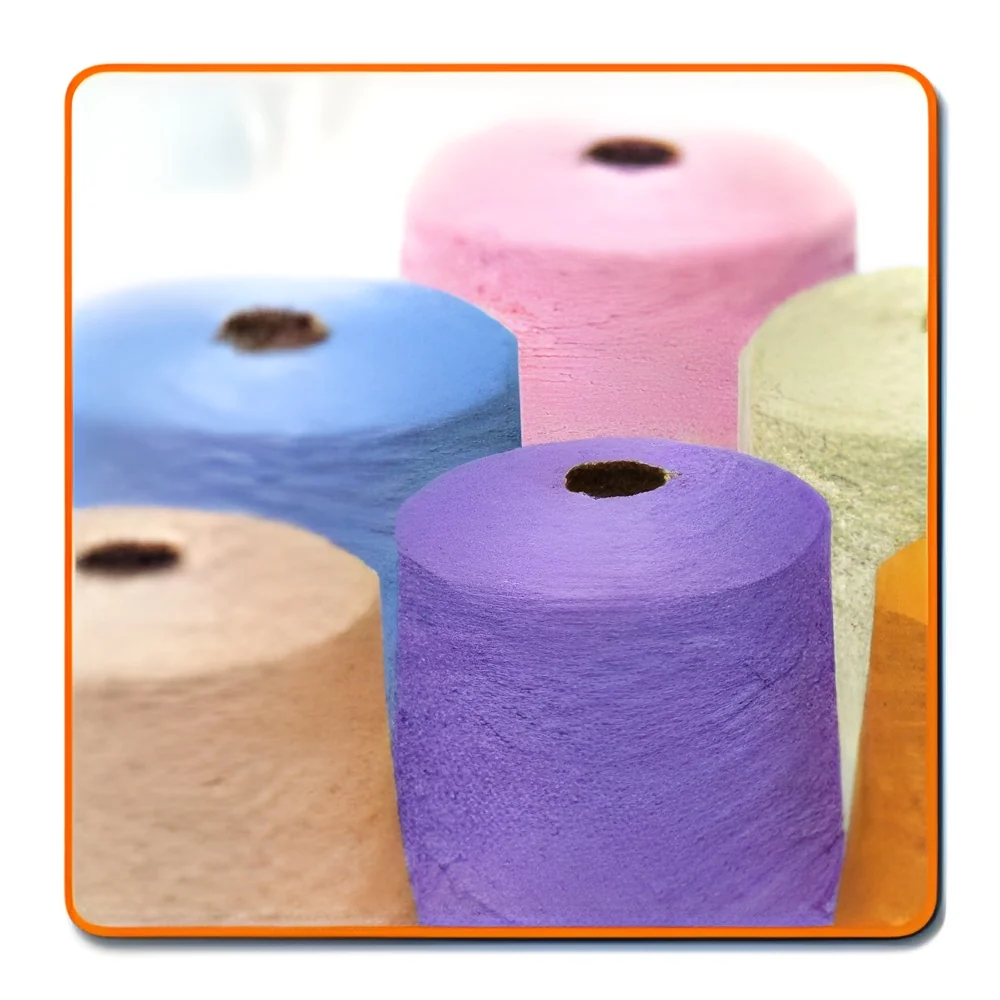
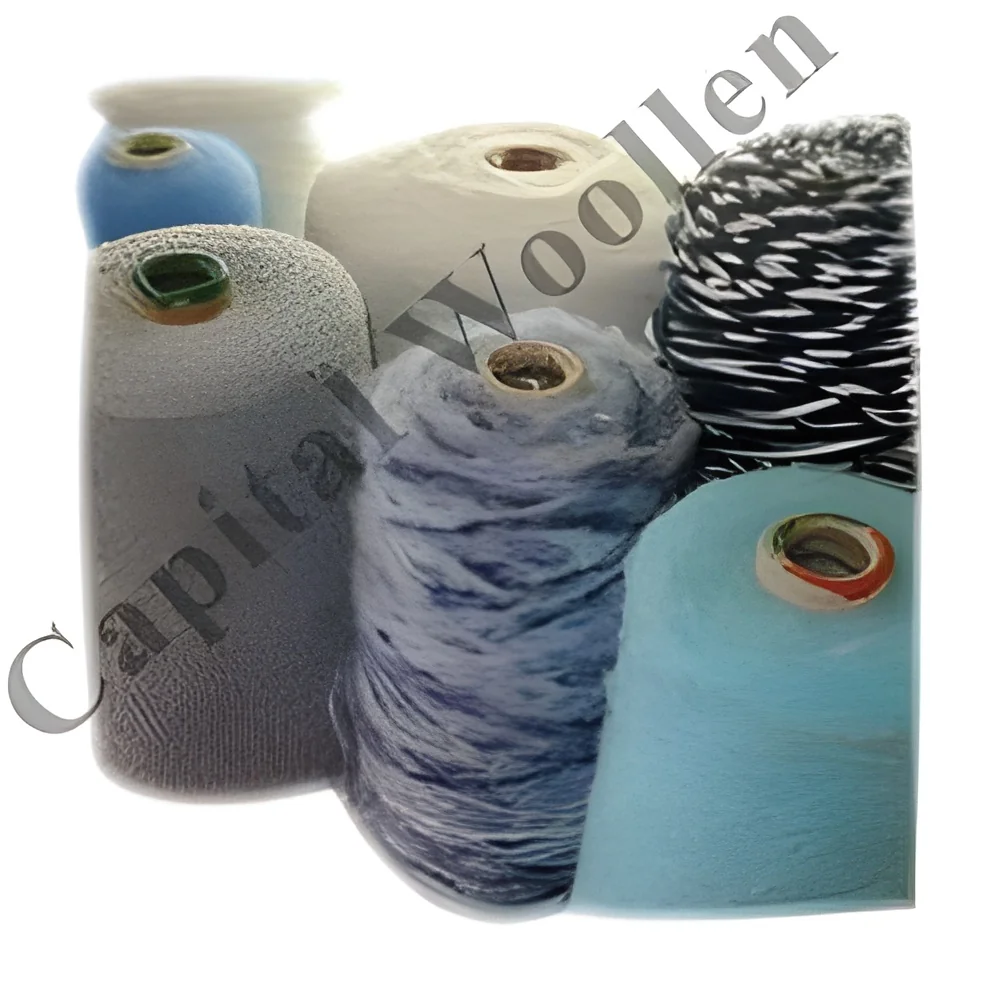
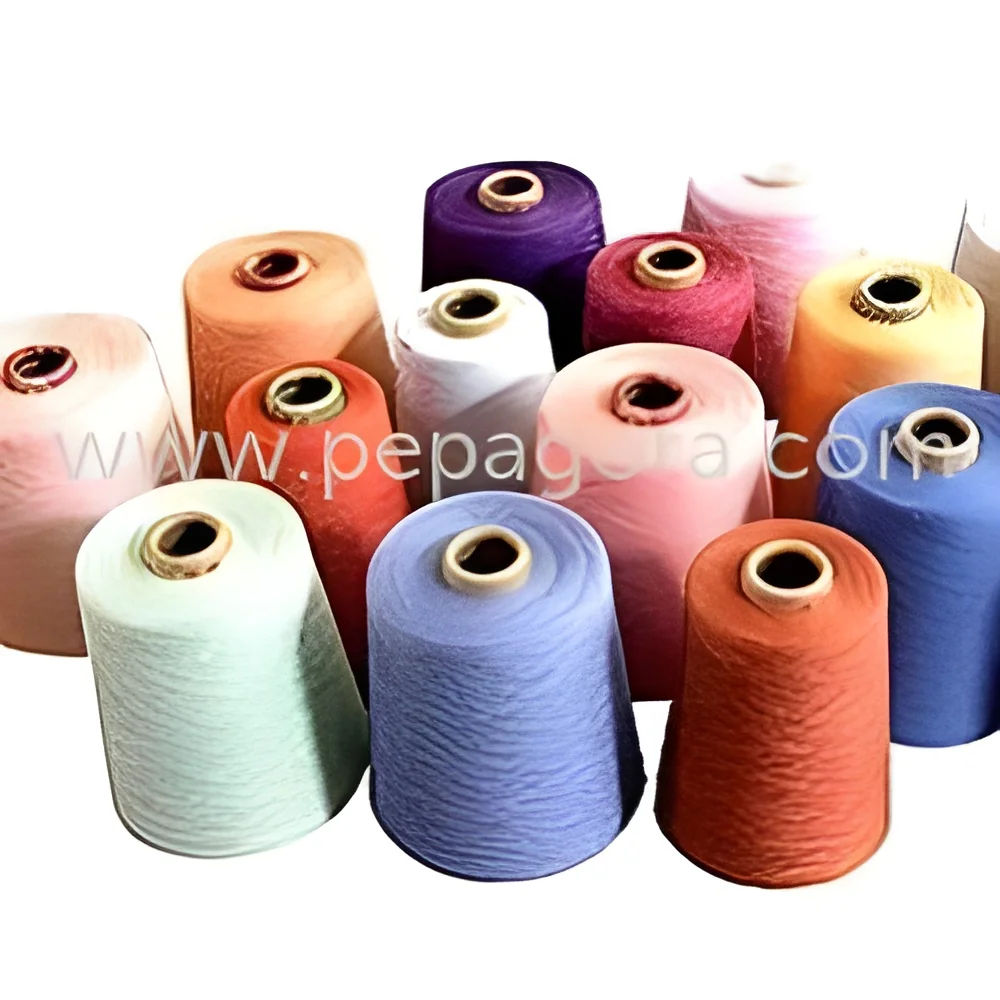
Textile raw material suppliers are companies that provide the essential materials needed in the textile manufacturing process. These materials include fibers, yarns, and fabrics that are foundational to various textile products. Suppliers may offer both natural fibers, such as cotton and wool, and synthetic options, like polyester and nylon. The industry relies on these suppliers to ensure the availability of high-quality materials that meet specific standards and requirements for different applications.
The primary uses of textile raw materials span a wide range of industries, including apparel, home textiles, and industrial applications. Manufacturers depend on these materials for producing clothing, upholstery, and various technical textiles. The quality and performance of raw materials directly impact the final products, making it crucial for businesses to choose reliable suppliers. In the current market context, textile raw material suppliers play a vital role in supporting sustainability initiatives, as many companies seek eco-friendly and ethically sourced materials.
As the textile industry continues to evolve, suppliers must adapt to changing consumer preferences and technological advancements. This includes providing innovative materials that enhance performance, durability, and environmental friendliness. Understanding the significance of textile raw material suppliers is essential for businesses aiming to thrive in this competitive landscape.
Key Features and Specifications
Textile raw material suppliers offer a variety of key features and specifications that cater to manufacturers' diverse needs. These specifications help businesses make informed decisions about sourcing materials that align with their production requirements.
Key specifications include:
1. Fiber Types
- Includes natural fibers like cotton, wool, and silk, as well as synthetic fibers like polyester and nylon.
- Each fiber type has unique characteristics affecting durability, comfort, and aesthetics.
2. Yarn Count
- Refers to the thickness of the yarn, which can influence fabric texture and strength.
- Measured in denier or tex, with a variety of counts available for different applications.
3. Fabric Weight
- Indicates the density of the fabric, which determines its suitability for various uses.
- Measured in grams per square meter (GSM), with options ranging from lightweight to heavyweight fabrics.
4. Weave Patterns
- Includes different weaving techniques like plain, twill, and satin, affecting the fabric's appearance and functionality.
- Each pattern serves specific purposes, from breathability to durability.
5. Color Fastness
- Refers to the resistance of fabric colors to fading or running during washing and exposure to light.
- Important for maintaining the aesthetic quality of finished products.
6. Certifications
- Many suppliers comply with safety and quality standards, such as CE certification.
- Ensures that materials meet industry regulations and safety protocols.
7. Environmental Impact
- Increasingly, suppliers are focusing on sustainable practices, including eco-friendly materials and production methods.
- This includes certifications for organic or recycled materials.
8. Minimum Order Quantities (MOQ)
- Each supplier may have varying MOQs, impacting buyers' purchasing decisions.
- Important for businesses to consider based on production scale and needs.
In summary, understanding the features and specifications of textile raw materials is crucial for manufacturers to select the right materials for their products, ensuring quality and compliance with industry standards.
Common Applications and Use Cases
Textile raw materials serve a multitude of industries, each with specific applications that highlight the versatility of these materials.
1. Apparel Industry: Textile materials are essential for producing clothing items ranging from everyday wear to specialized attire. The choice of fabric affects comfort, durability, and fashion appeal.
2. Home Textiles: In this sector, textile raw materials are used for curtains, upholstery, bed linens, and towels. Quality fabrics enhance the aesthetics and functionality of home furnishings.
3. Industrial Textiles: This includes materials used in manufacturing items such as safety gear, tarpaulins, and filtration systems. The performance characteristics of these textiles are crucial for safety and efficiency.
4. Automotive Textiles: Raw materials are key in producing car interiors, seat covers, and insulation. Durability and resistance to wear are critical factors in this application.
5. Medical Textiles: Textile materials are increasingly used in healthcare for products such as bandages, surgical gowns, and implants. Compliance with safety standards is paramount in this field.
6. Technical Textiles: These are engineered for specific functions, such as geotextiles used in civil engineering or composite materials in aerospace. Performance attributes are tailored to meet strict requirements.
7. Sports and Leisure: Fabrics designed for activewear and sports equipment must provide breathability, moisture-wicking, and stretchability, catering to athletes' needs.
In conclusion, the diverse applications of textile raw materials across various industries underscore their importance and the necessity for suppliers to meet specific demands.
Product Variants and Subcategories
Textile raw materials are available in various forms, offering manufacturers options to suit their specific needs. The diversity of products allows for customization and versatility in applications.
Natural Fibers
Natural fibers, such as cotton, wool, and hemp, are favored for their breathability, comfort, and biodegradable properties. They are commonly used in clothing and home textiles, appealing to environmentally conscious consumers.
Synthetic Fibers
These include materials like polyester, nylon, and spandex, known for their durability and elasticity. They are widely used in activewear and technical textiles due to their performance characteristics.
Blended Fabrics
Blended fabrics combine natural and synthetic fibers to harness the advantages of both. This results in materials that offer improved durability and comfort, making them suitable for a wide range of applications.
Specialty Fabrics
These fabrics are designed for specific functions, such as flame-resistant or waterproof materials. They are essential in industries where safety and performance are critical.
In summary, the variety of textile raw material variants allows manufacturers to select materials that best fit their product requirements and market trends.
Benefits and Advantages
Sourcing textile raw materials from reputable suppliers offers numerous advantages for manufacturers.
Key benefits include:
1. Quality Assurance: Reliable suppliers provide high-quality materials that meet industry standards, ensuring consistent product performance.
2. Cost Efficiency: Sourcing from established suppliers can lead to bulk purchasing discounts and competitive pricing, helping businesses manage their budgets effectively.
3. Innovation Access: Suppliers often invest in research and development, providing access to the latest materials and technologies that can enhance product offerings.
4. Timely Delivery: Established suppliers typically have efficient logistics in place, ensuring timely delivery of materials to keep production schedules on track.
5. Customization Options: Many suppliers offer customization services, allowing businesses to tailor materials to their specific needs, enhancing product differentiation.
6. Sustainability Support: Partnering with suppliers focused on sustainable practices can enhance a company's reputation and align with consumer demand for eco-friendly products.
In conclusion, the benefits of sourcing textile raw materials from reputable suppliers contribute significantly to manufacturers' success and competitiveness in the marketplace.
Buying Guide for B2B Buyers
When sourcing textile raw material suppliers, it is crucial for B2B buyers to consider several key factors that can impact their purchasing decisions.
1. Quality Assessment: Buyers should evaluate the quality of materials through sampling and testing. Establishing clear quality criteria helps ensure that the final products meet performance standards.
2. Supplier Verification: It is essential to vet suppliers to confirm their credibility and reliability. This can include checking references, certifications, and previous client feedback.
3. Pricing and MOQ: Understanding the pricing structure and minimum order quantities is important for budget planning. Buyers should compare quotes from multiple suppliers to find the best value.
4. Delivery and Lead Times: Timeliness is critical in production. Buyers should inquire about lead times and delivery schedules to ensure that materials arrive when needed.
5. Compliance Requirements: Familiarizing themselves with relevant regulations and compliance standards is essential for avoiding legal issues and ensuring product safety.
In summary, a thorough buying process can lead to better supplier relationships and improved operational efficiency for businesses in the textile industry.
Compliance and Certifications
Compliance with industry standards and certifications is crucial for textile raw material suppliers to ensure quality and safety. Key standards include ISO 9001, which focuses on quality management systems, ensuring that suppliers maintain consistent product quality.
Another important certification is CE, which indicates compliance with European safety and health requirements. This certification is essential for suppliers looking to market their products in the European Union.
Safety and testing requirements vary depending on the type of material and its intended use. Many suppliers engage in rigorous testing to meet industry benchmarks and consumer safety standards.
Additionally, regional compliance considerations may come into play, as different countries have specific regulations governing textile products. Suppliers must be aware of these regulations to avoid potential penalties and ensure their products are market-ready.
In conclusion, adherence to compliance and certification standards is vital for suppliers, fostering trust and safety in the textile industry.
Why Source Textile Raw Material Suppliers from Pepagora?
Pepagora provides a trusted platform for sourcing textile raw material suppliers, offering several key advantages to buyers.
Verified Supplier Network: Pepagora has established a network of verified suppliers, ensuring that buyers can source materials from credible and reliable sources. This verification process reduces risks associated with supplier reliability.
Streamlined RFQ Process: The platform features a streamlined Request for Quotation (RFQ) process, allowing buyers to request quotes from multiple suppliers easily. This efficiency helps buyers compare offerings and make informed decisions quickly.
Trade Assurance and Support: Pepagora offers trade assurance, providing protection for buyers against potential disputes with suppliers. This support adds an extra layer of security to transactions, fostering confidence in the sourcing process.
Regional Coverage: With a focus on regions like India, the GCC, and Southeast Asia, Pepagora connects buyers with local suppliers. This regional coverage allows for easier communication and logistics, enhancing the overall sourcing experience.
In summary, sourcing textile raw materials through Pepagora offers a reliable and efficient way for businesses to find quality suppliers while ensuring protection and support throughout the procurement process.

 IN
IN