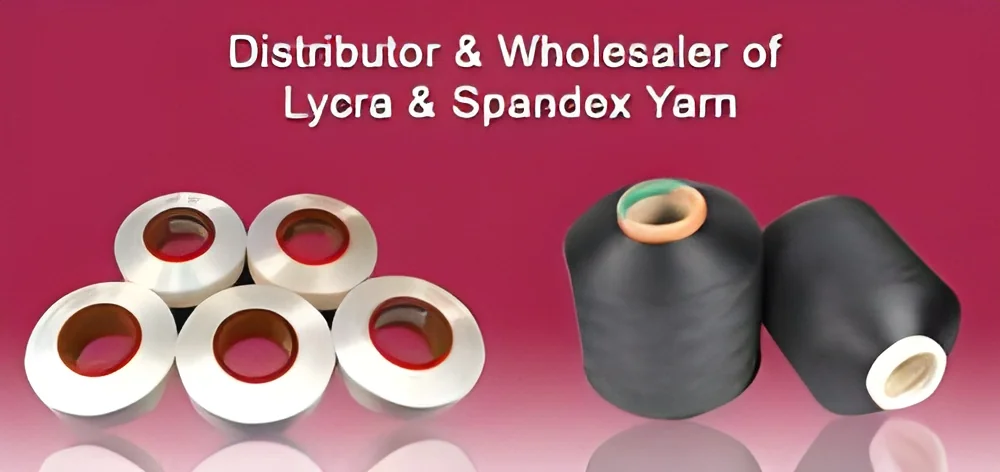
What are Spandex & Elastane Fibers?
Spandex and elastane fibers are synthetic materials known for their exceptional elasticity and stretchability. These fibers are made from a polymer called polyurethane, which allows them to expand up to five times their original length and return to their original shape without losing integrity. This unique property makes spandex and elastane essential components in a variety of textiles, enhancing comfort and fit in garments.
These fibers are widely used in the fashion and textile industry, particularly in activewear, swimwear, undergarments, and fitted clothing. Businesses leverage spandex and elastane to create products that require a snug fit and flexibility, enabling ease of movement for consumers. The increasing demand for high-performance apparel and athleisure wear has boosted the market for these fibers, making them a vital part of the supply chain for manufacturers.
As the global textile industry continues to evolve, the relevance of spandex and elastane fibers is growing. Their ability to provide a comfortable fit while maintaining durability aligns with modern consumer preferences for versatile and functional clothing. This trend is expected to drive further innovations and applications in various sectors, reinforcing the importance of these fibers in the market.
Key Features and Specifications
Spandex and elastane fibers bring several key features that make them highly sought after in various applications. Understanding these specifications is crucial for businesses looking to incorporate these fibers into their products.
Key specifications include:
1. Elasticity
- Spandex fibers can stretch up to 500% of their original length.
- They return to their original size without deformation.
2. Durability
- Resistant to wear and tear, ensuring longevity in products.
- Maintains structural integrity even after multiple washes.
3. Moisture Management
- Excellent moisture-wicking properties keep the wearer dry.
- Suitable for high-performance and active garments.
4. Comfort
- Soft texture provides a comfortable wearing experience.
- Allows for unrestricted movement in fitted clothing.
5. Fabric Blending
- Can be blended with other fibers like cotton, polyester, and nylon.
- Enhances overall fabric performance and feel.
6. Color Retention
- Excellent dye retention, ensuring vibrant colors.
- Resistant to fading even after prolonged exposure to sunlight.
7. Chemical Resistance
- Resistant to many chemicals, making them suitable for various industrial applications.
- Maintains performance in diverse environments.
8. Lightweight
- Adds minimal weight to garments, enhancing comfort.
- Ideal for layering in various clothing styles.
In summary, spandex and elastane fibers provide a combination of elasticity, durability, and comfort, making them indispensable in the textile industry.
Common Applications and Use Cases
Spandex and elastane fibers serve a wide array of industries, offering flexibility and comfort in their applications.
1. Fashion and Apparel: Spandex is commonly used in fitted clothing such as jeans, dresses, and activewear. Its stretchability allows for a flattering fit and ease of movement.
2. Sports and Athleisure: Activewear brands utilize elastane in leggings, sports bras, and performance shirts to enhance comfort and support during physical activities.
3. Underwear and Loungewear: Elastane fibers are integral in the production of undergarments, providing stretch and comfort for everyday wear.
4. Medical Textiles: Spandex is used in compression garments and medical bandages, offering support and promoting circulation.
5. Swimwear: The water-resistant properties of spandex make it ideal for swimwear, allowing for a snug fit that withstands chlorine and saltwater.
6. Home Textiles: Elastane fibers are sometimes blended into upholstery fabrics for added durability and comfort.
7. Automotive Textiles: Spandex is utilized in car upholstery and seat covers, enhancing comfort and durability in vehicle interiors.
Product Variants and Subcategories
Spandex and elastane fibers come in various forms, catering to different needs and applications.
Standard Spandex
This is the most common form of spandex, used widely in clothing. It offers high elasticity and is often blended with other fibers to enhance fabric performance.
Textured Spandex
Textured spandex has a unique surface finish, providing additional grip and texture. It is often used in activewear and swimwear for better performance.
Heat-Resistant Elastane
This variant is designed to withstand higher temperatures, making it suitable for specialized applications in industrial textiles.
Benefits and Advantages
Choosing spandex and elastane fibers can provide numerous advantages for manufacturers and consumers alike.
Key benefits include:
1. Enhanced Comfort: The elasticity of these fibers allows for a comfortable fit that conforms to the body shape.
2. Versatile Applications: Spandex can be used across various industries, from fashion to medical, making it a versatile choice.
3. Improved Durability: The resilience of elastane fibers ensures that products maintain their shape and performance over time.
4. Increased Consumer Satisfaction: The comfort and fit provided by spandex lead to higher customer satisfaction and repeat purchases.
5. Competitive Edge: Utilizing spandex and elastane can help brands stand out in the market by offering high-quality, functional products.
6. Sustainability Potential: Advances in the manufacturing of spandex fibers are leading to more eco-friendly options, appealing to environmentally conscious consumers.
Buying Guide for B2B Buyers
When sourcing spandex and elastane fibers, businesses should consider several important factors to ensure they select the right product for their needs.
1. Quality Assessment: Evaluate the quality of the fibers through sample testing and certifications. Look for fibers that meet industry standards for elasticity and durability.
2. Supplier Verification: Vet suppliers thoroughly to ensure they have a proven track record and can provide reliable products. Check references and industry reputation.
3. Pricing and MOQ: Understand the pricing structure and minimum order quantities (MOQ) to align with your budget and production needs.
4. Delivery and Lead Times: Inquire about logistics, including lead times for orders, to ensure timely delivery for production schedules.
5. Compliance Requirements: Ensure that the fibers meet all relevant regulatory and compliance standards, including safety and environmental regulations.
Compliance and Certifications
Spandex and elastane fibers must adhere to several compliance standards to ensure quality and safety in their applications.
Relevant quality standards include ISO 9001, which outlines requirements for a quality management system, ensuring consistent quality in production processes. Additionally, HACCP and GDP standards may apply in specific contexts, particularly in medical or food-related applications.
Industry certifications such as CE indicate that the products meet European safety, health, and environmental protection standards. It is essential for manufacturers to ensure that their spandex and elastane fibers comply with these certifications to access various markets.
Safety and testing requirements involve rigorous assessments to ensure that the fibers are free from harmful substances and perform as intended under various conditions.
Regional compliance considerations may vary, and businesses should be aware of specific regulations in the markets they operate in to avoid compliance issues.
Why Source Spandex & Elastane Fibers from Pepagora?
Pepagora serves as a trusted platform for sourcing spandex and elastane fibers, offering various advantages to B2B buyers.
Verified Supplier Network: Pepagora provides access to a network of verified suppliers, ensuring that buyers can find high-quality materials from reliable sources. This verification process helps mitigate risks associated with sourcing.
Streamlined RFQ Process: The platform's request for quotation (RFQ) system simplifies the procurement process. Buyers can easily submit their requirements and receive competitive quotes from multiple suppliers, saving time and effort.
Trade Assurance and Support: Pepagora offers trade assurance features that protect buyers during transactions. This support ensures that buyers receive the products they ordered and helps resolve any disputes that may arise.
Regional Coverage: With a strong presence in India, the GCC, and Southeast Asia, Pepagora provides extensive geographic reach. This regional coverage enables buyers to connect with suppliers that meet their specific needs while benefiting from local market expertise.

 IN
IN