
 IN
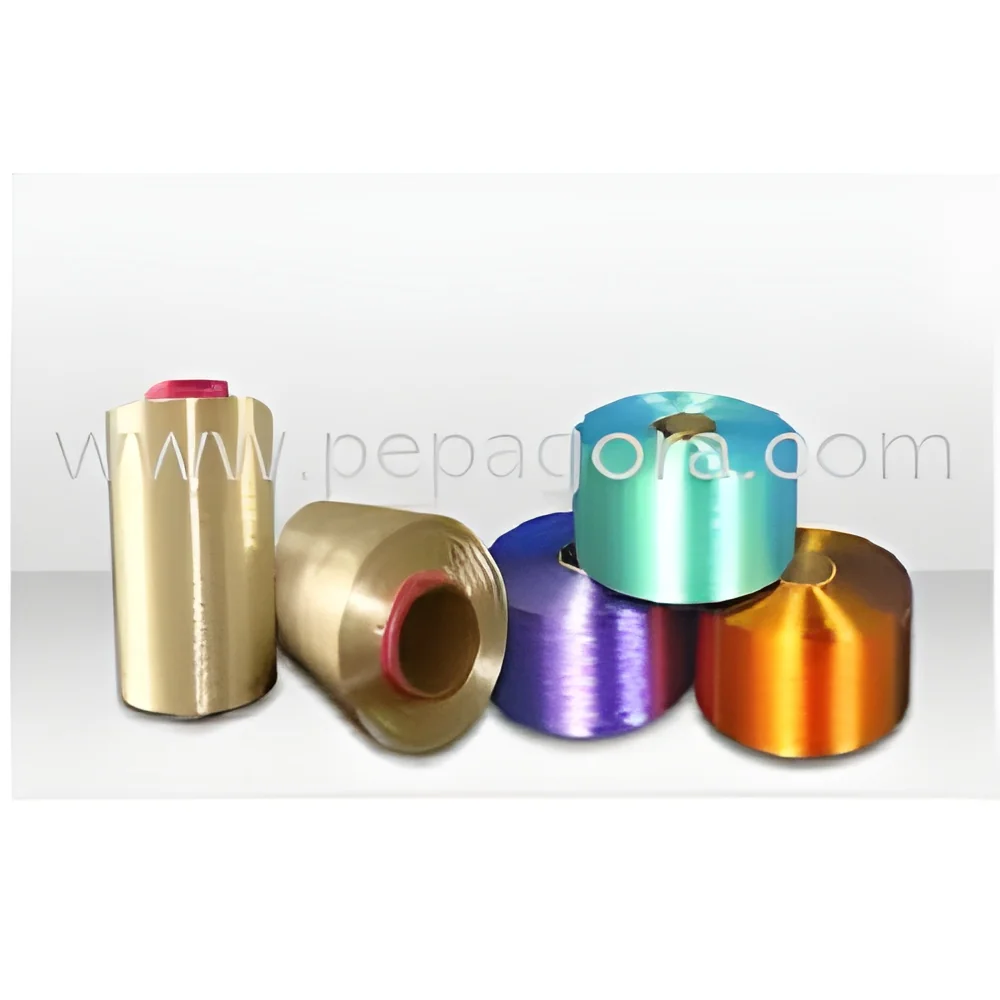
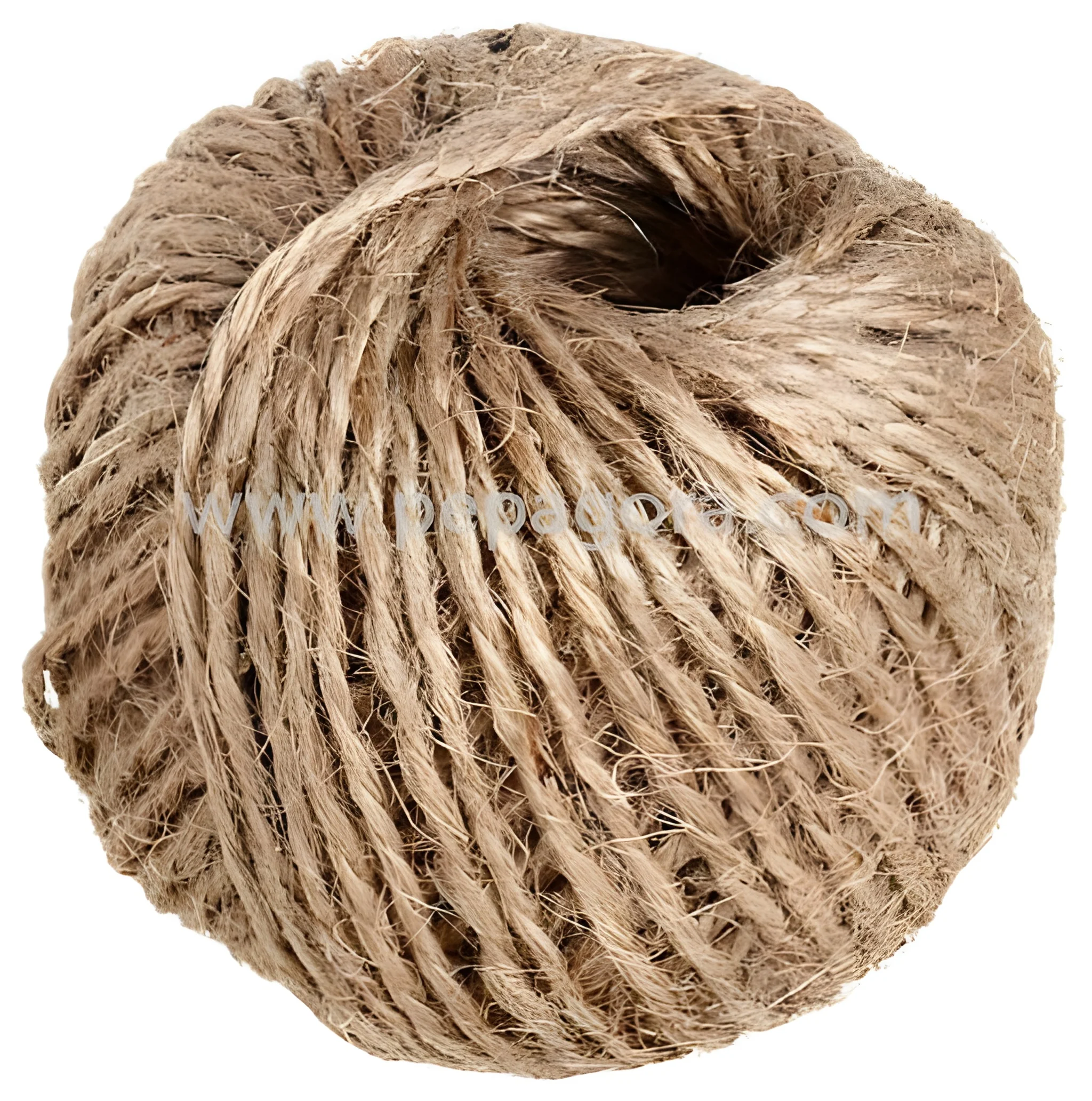
INTextile Raw Materials
483 products available
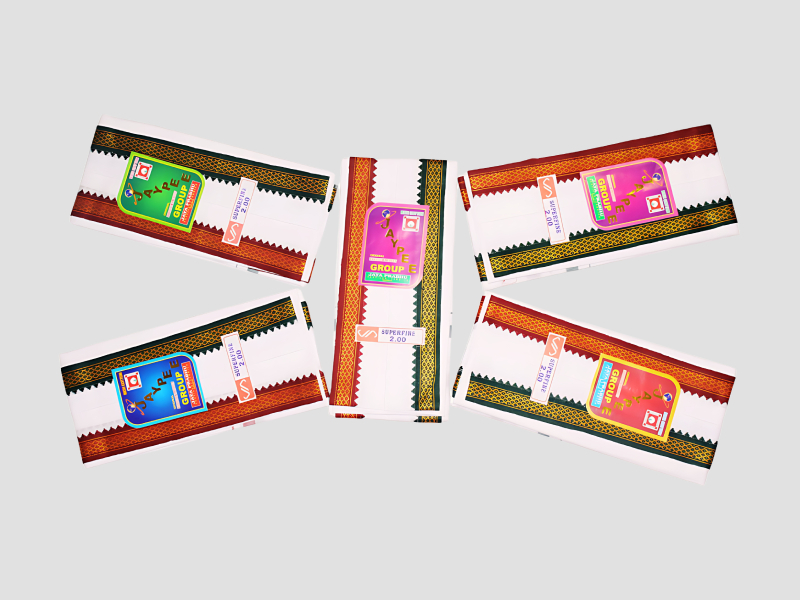
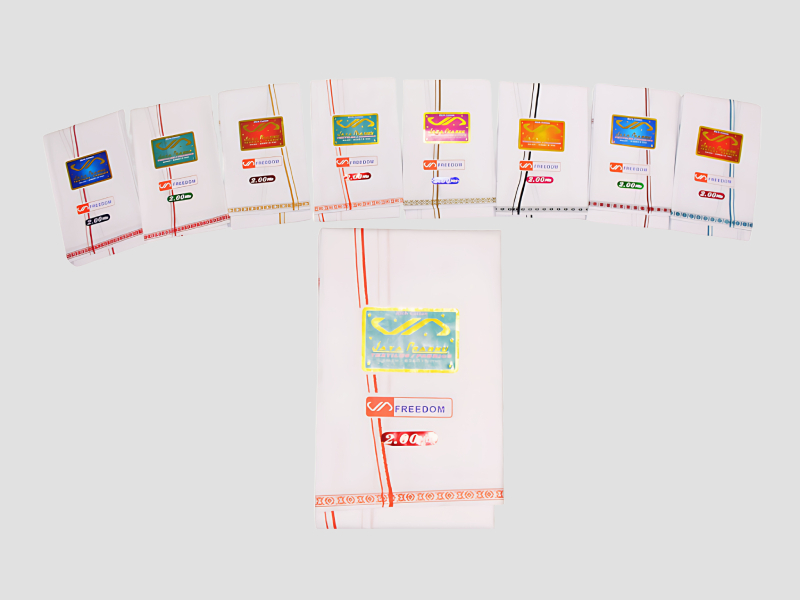
𝗪𝗵𝗮𝘁 𝗮𝗿𝗲 𝗧𝗲𝘅𝘁𝗶𝗹𝗲 𝗥𝗮𝘄 𝗠𝗮𝘁𝗲𝗿𝗶𝗮𝗹𝘀?
𝗞𝗲𝘆 𝗙𝗲𝗮𝘁𝘂𝗿𝗲𝘀 𝗮𝗻𝗱 𝗦𝗽𝗲𝗰𝗶𝗳𝗶𝗰𝗮𝘁𝗶𝗼𝗻𝘀
𝗖𝗼𝗺𝗺𝗼𝗻 𝗔𝗽𝗽𝗹𝗶𝗰𝗮𝘁𝗶𝗼𝗻𝘀 𝗮𝗻𝗱 𝗨𝘀𝗲 𝗖𝗮𝘀𝗲𝘀
𝗣𝗿𝗼𝗱𝘂𝗰𝘁 𝗩𝗮𝗿𝗶𝗮𝗻𝘁𝘀 𝗮𝗻𝗱 𝗦𝘂𝗯𝗰𝗮𝘁𝗲𝗴𝗼𝗿𝗶𝗲𝘀
𝗕𝗲𝗻𝗲𝗳𝗶𝘁𝘀 𝗮𝗻𝗱 𝗔𝗱𝘃𝗮𝗻𝘁𝗮𝗴𝗲𝘀
𝗕𝘂𝘆𝗶𝗻𝗴 𝗚𝘂𝗶𝗱𝗲 𝗳𝗼𝗿 𝗕𝟮𝗕 𝗕𝘂𝘆𝗲𝗿𝘀
𝗖𝗼𝗺𝗽𝗹𝗶𝗮𝗻𝗰𝗲 𝗮𝗻𝗱 𝗖𝗲𝗿𝘁𝗶𝗳𝗶𝗰𝗮𝘁𝗶𝗼𝗻𝘀
𝗪𝗵𝘆 𝗦𝗼𝘂𝗿𝗰𝗲 𝗧𝗲𝘅𝘁𝗶𝗹𝗲 𝗥𝗮𝘄 𝗠𝗮𝘁𝗲𝗿𝗶𝗮𝗹𝘀 𝗳𝗿𝗼𝗺 𝗣𝗲𝗽𝗮𝗴𝗼𝗿𝗮?













Frequently Asked Questions
What are Textile Raw Materials?
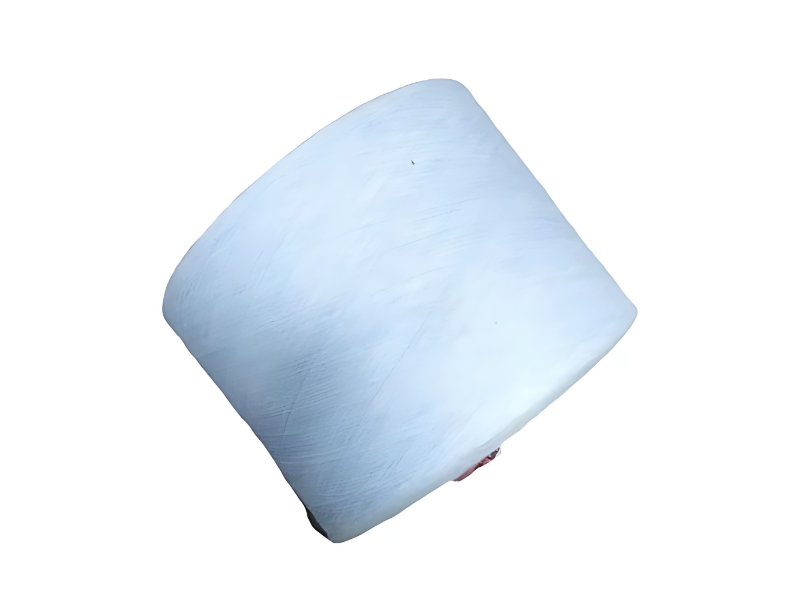
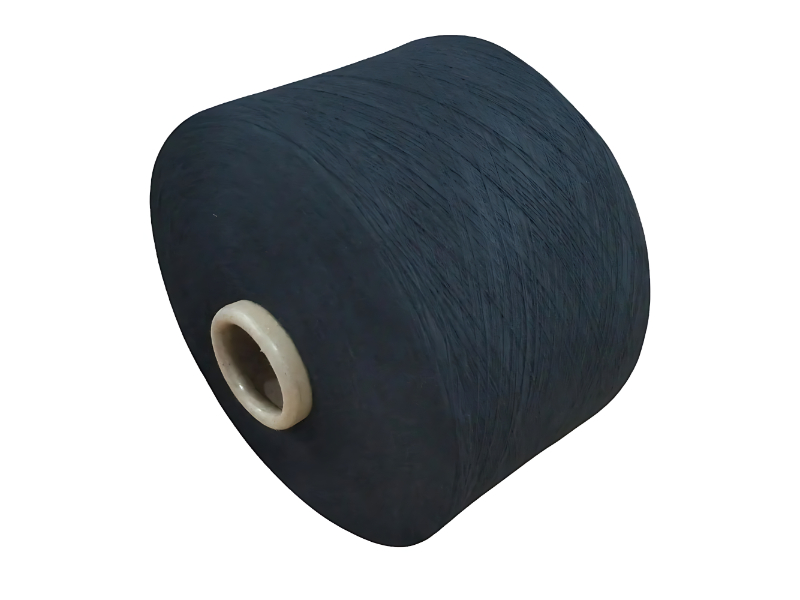
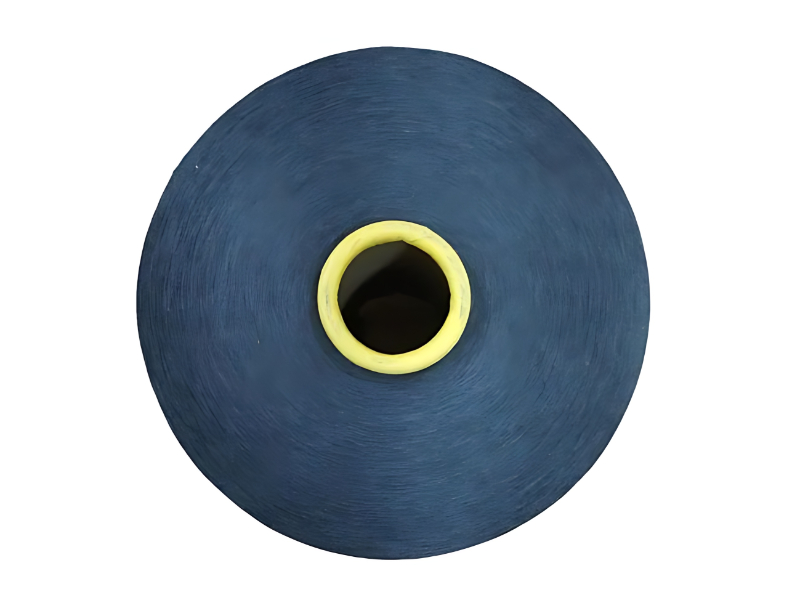
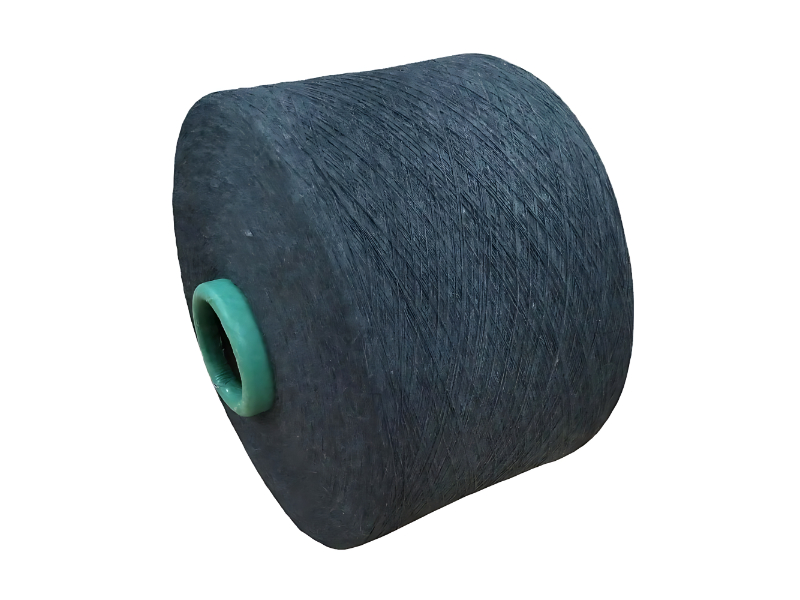
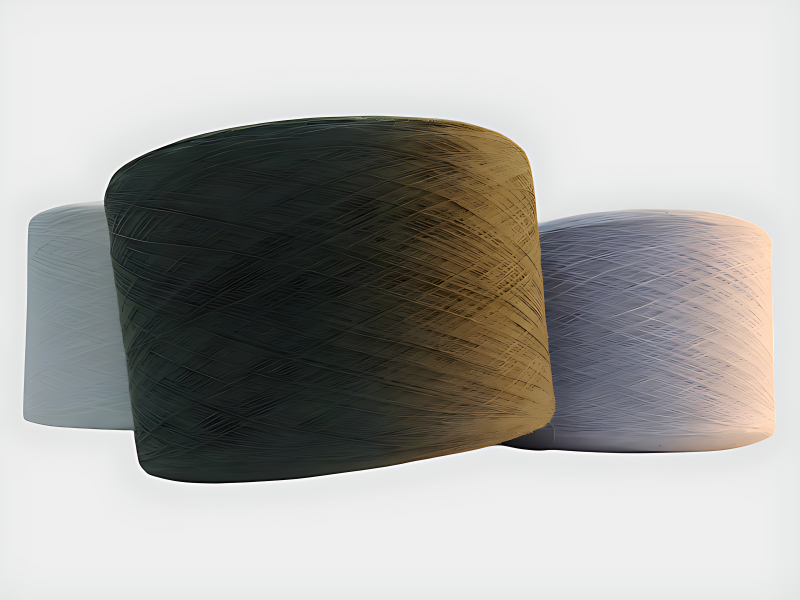
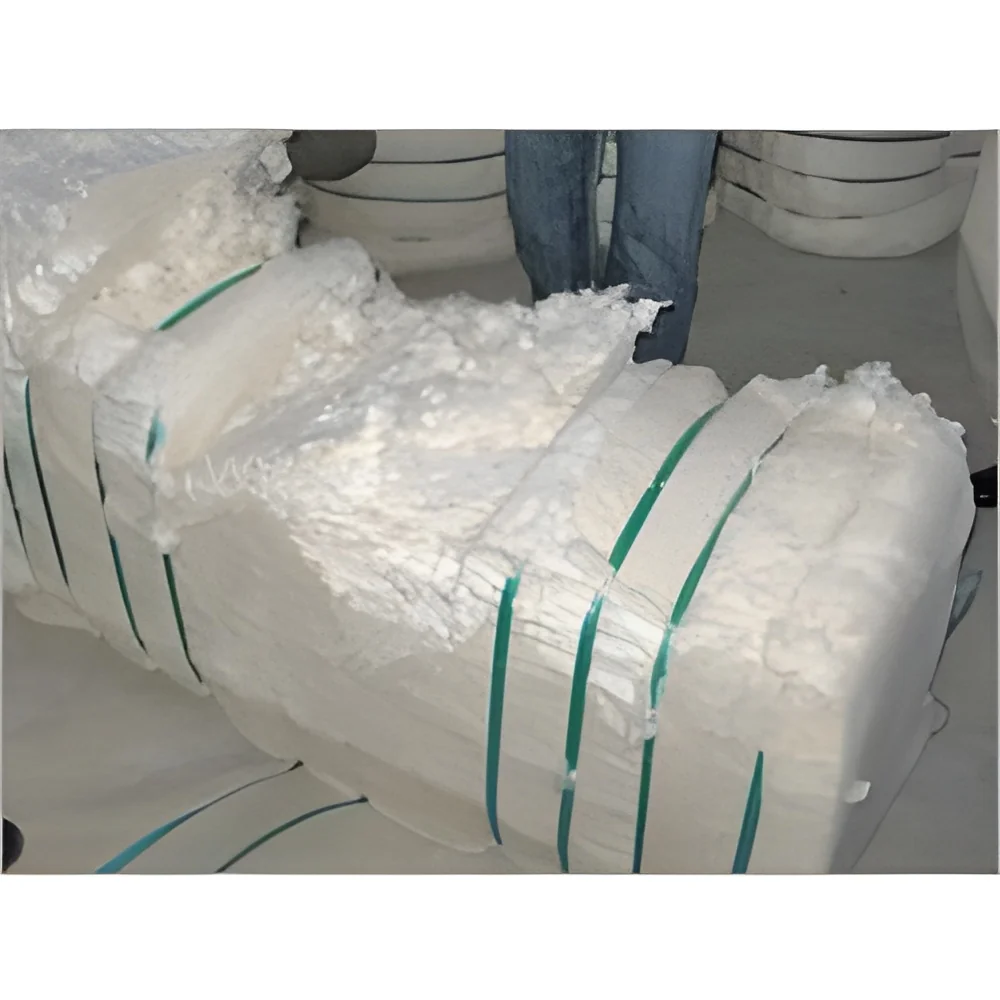
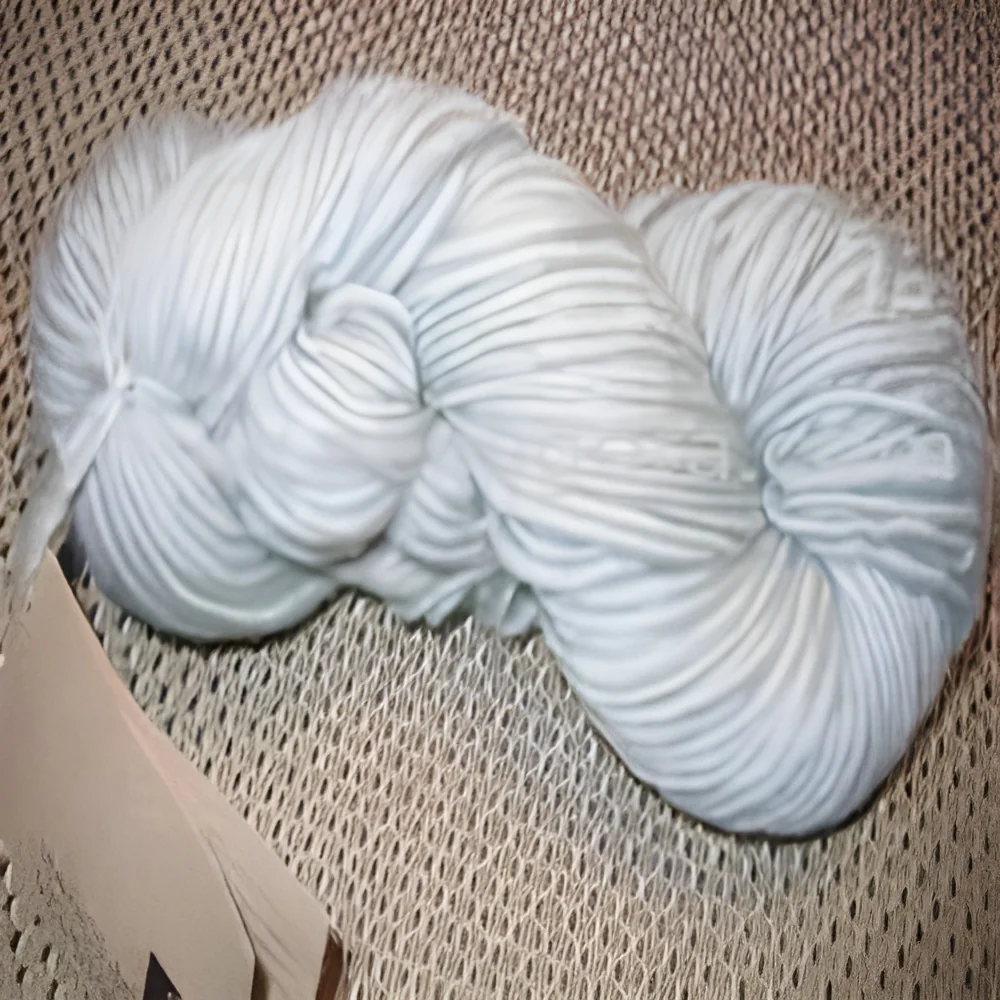
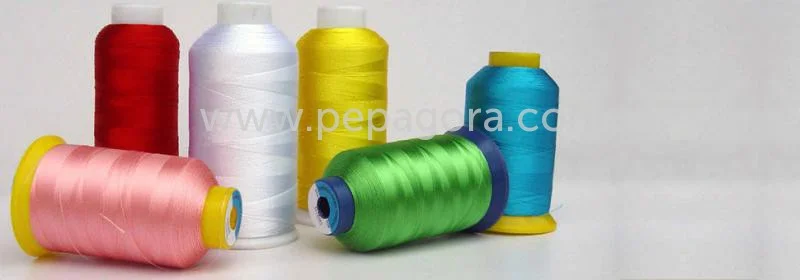
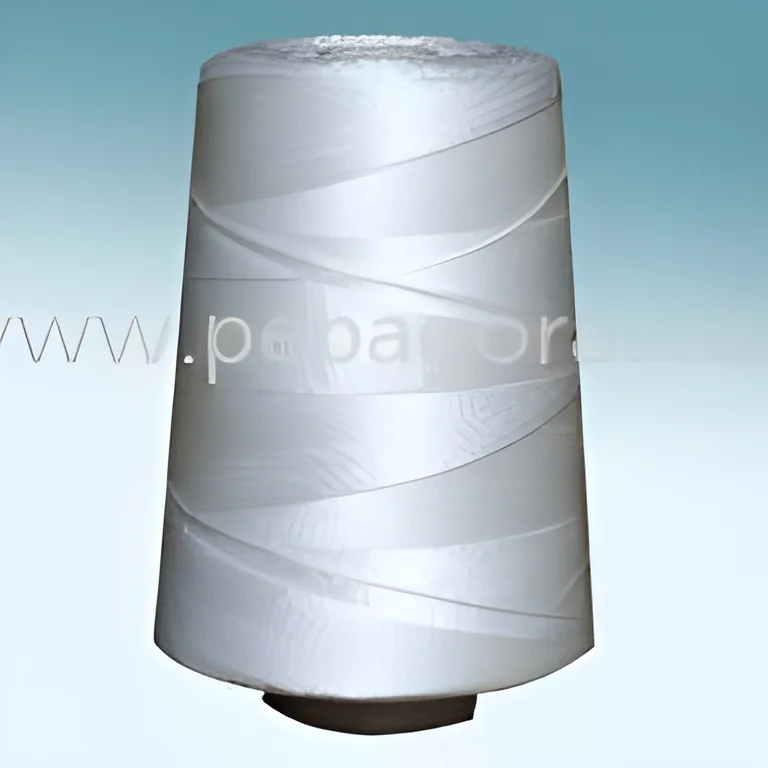
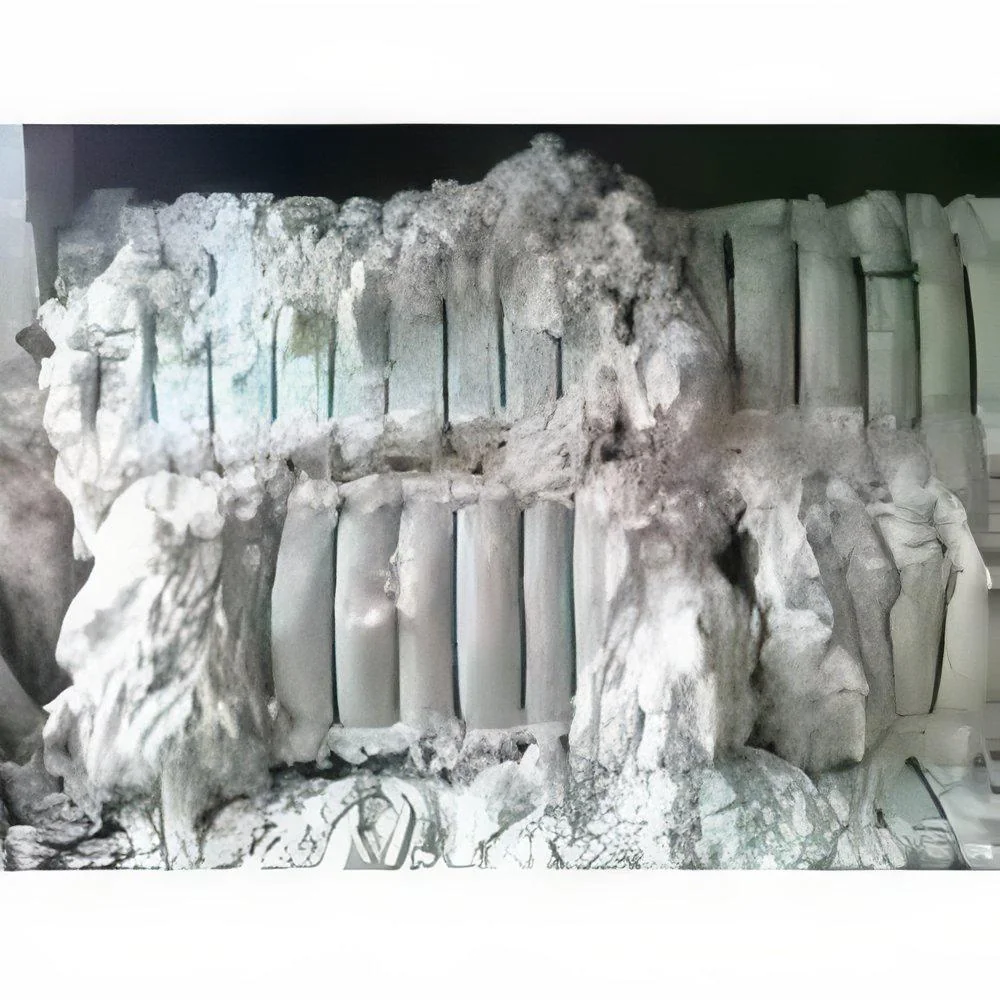
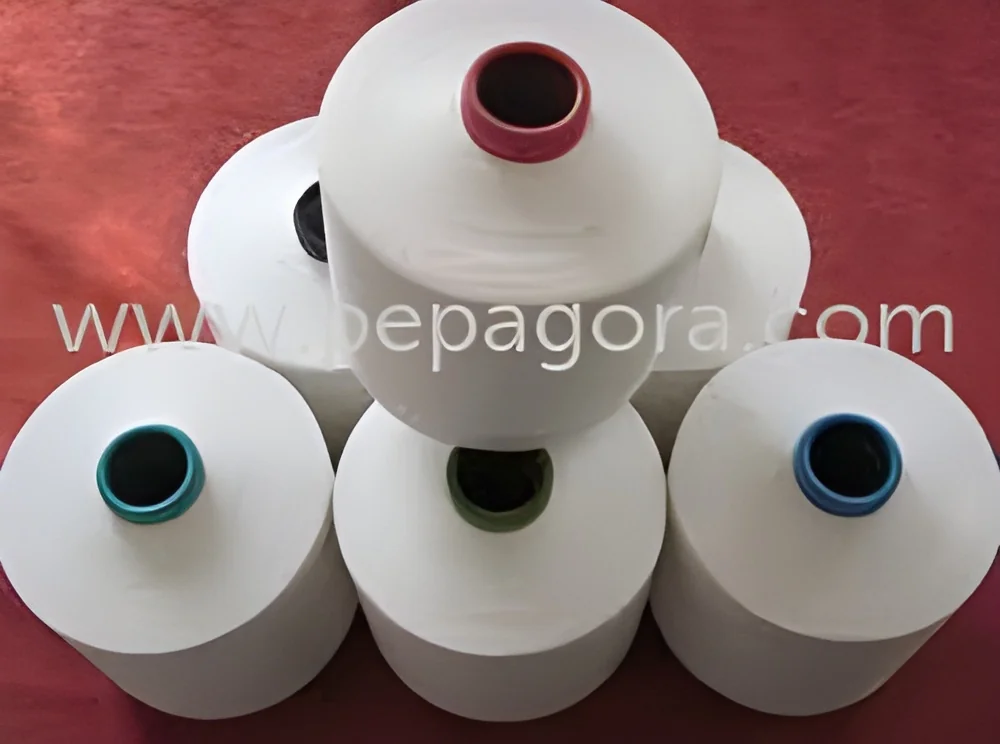
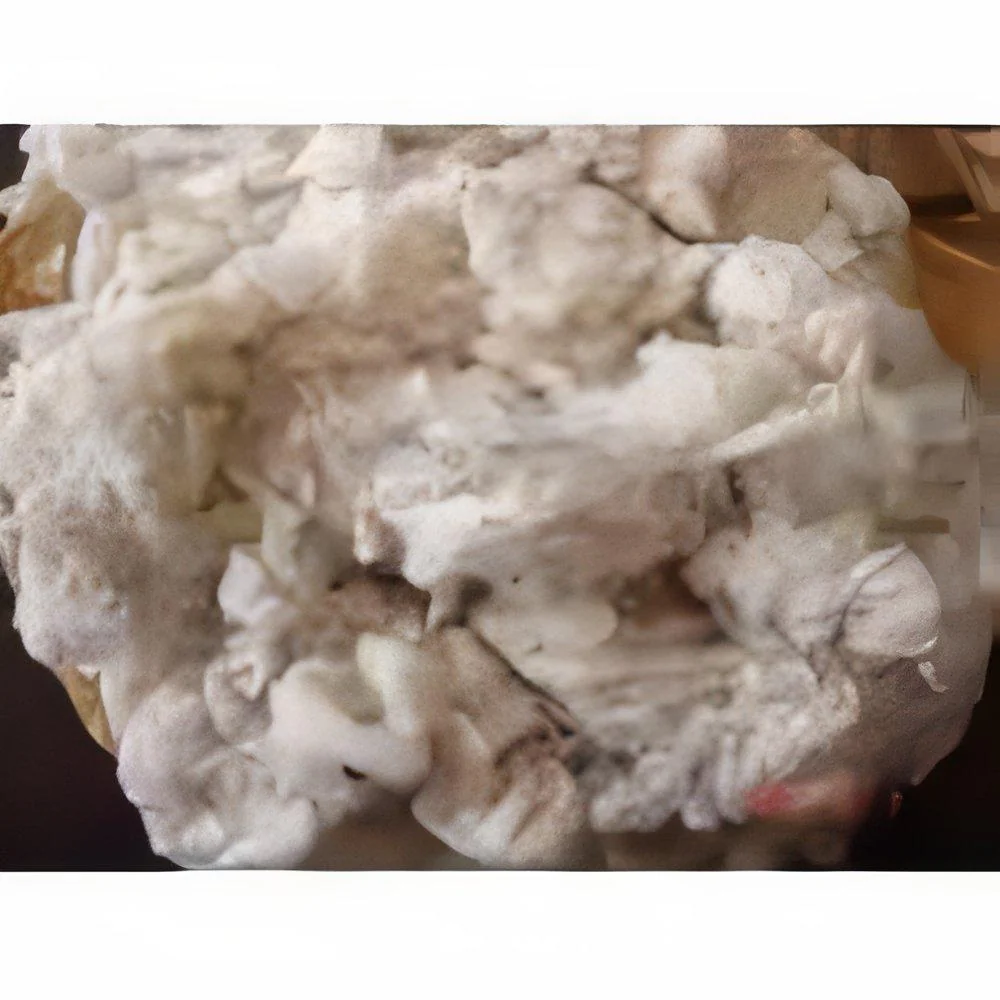
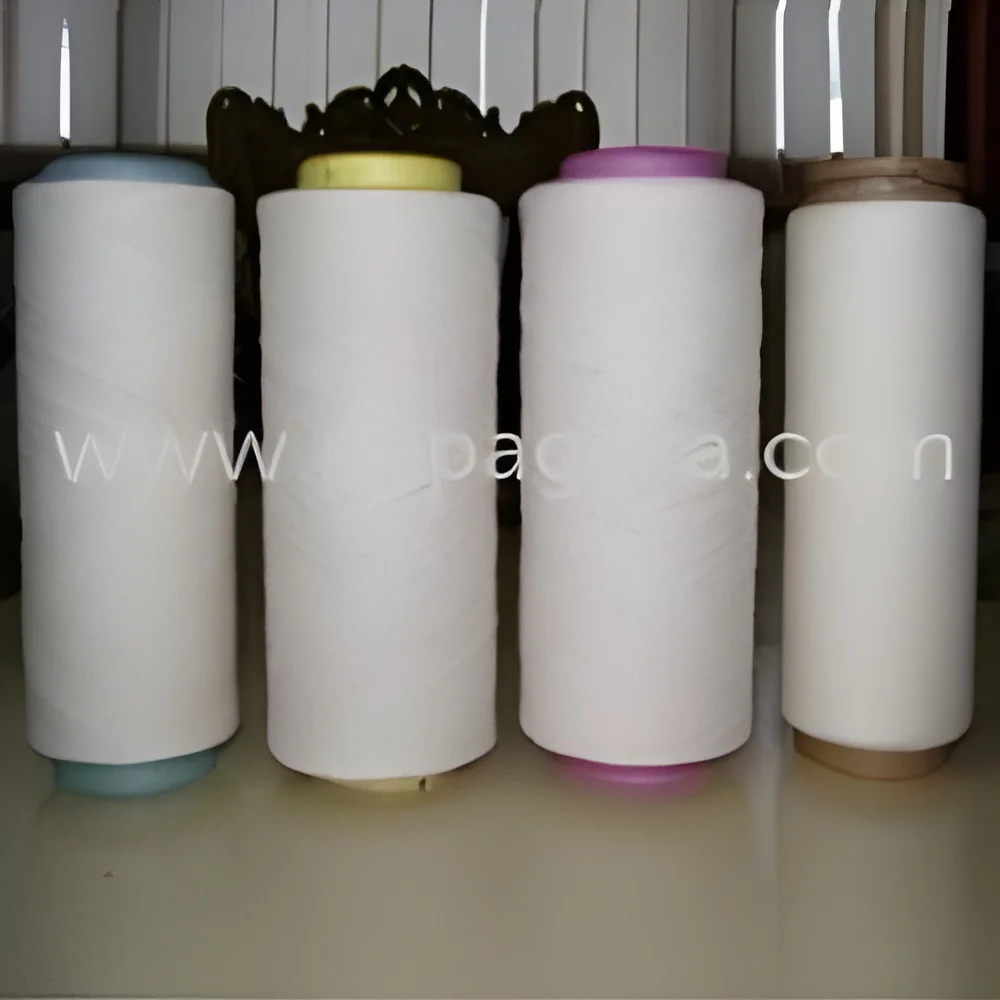
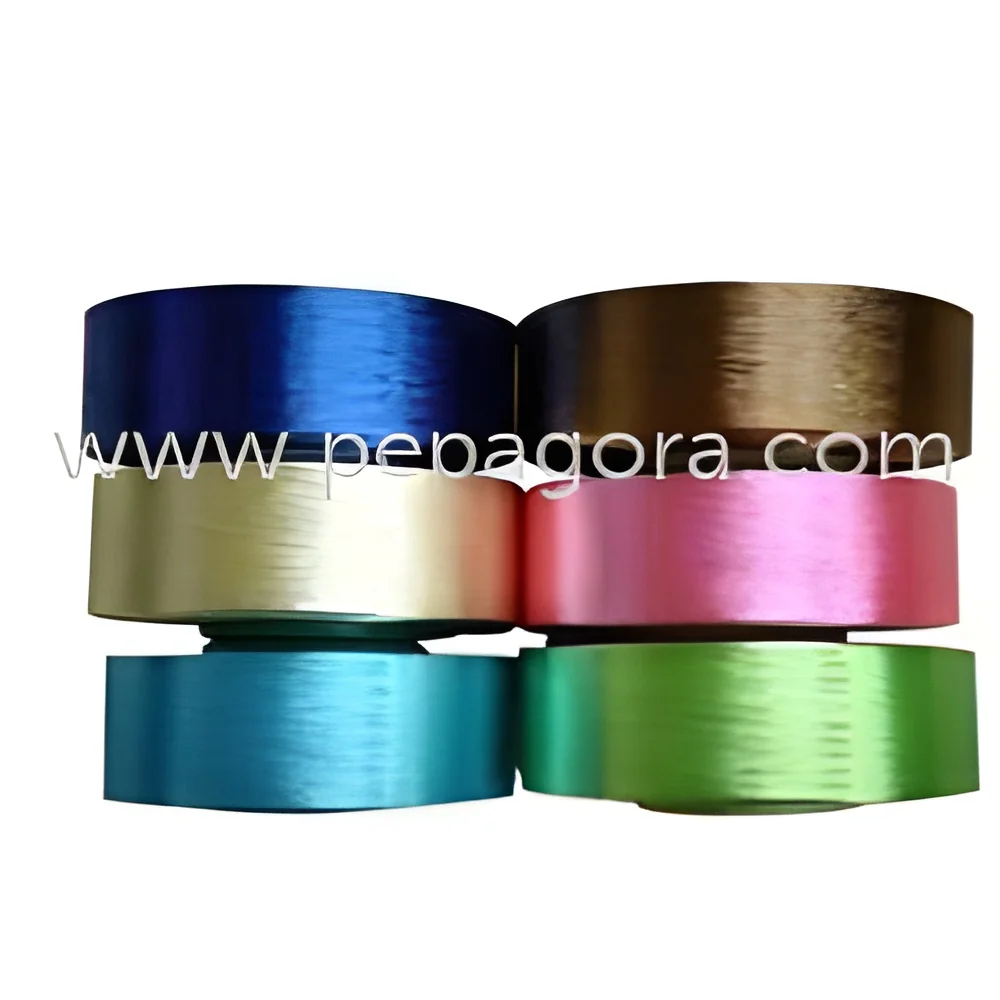
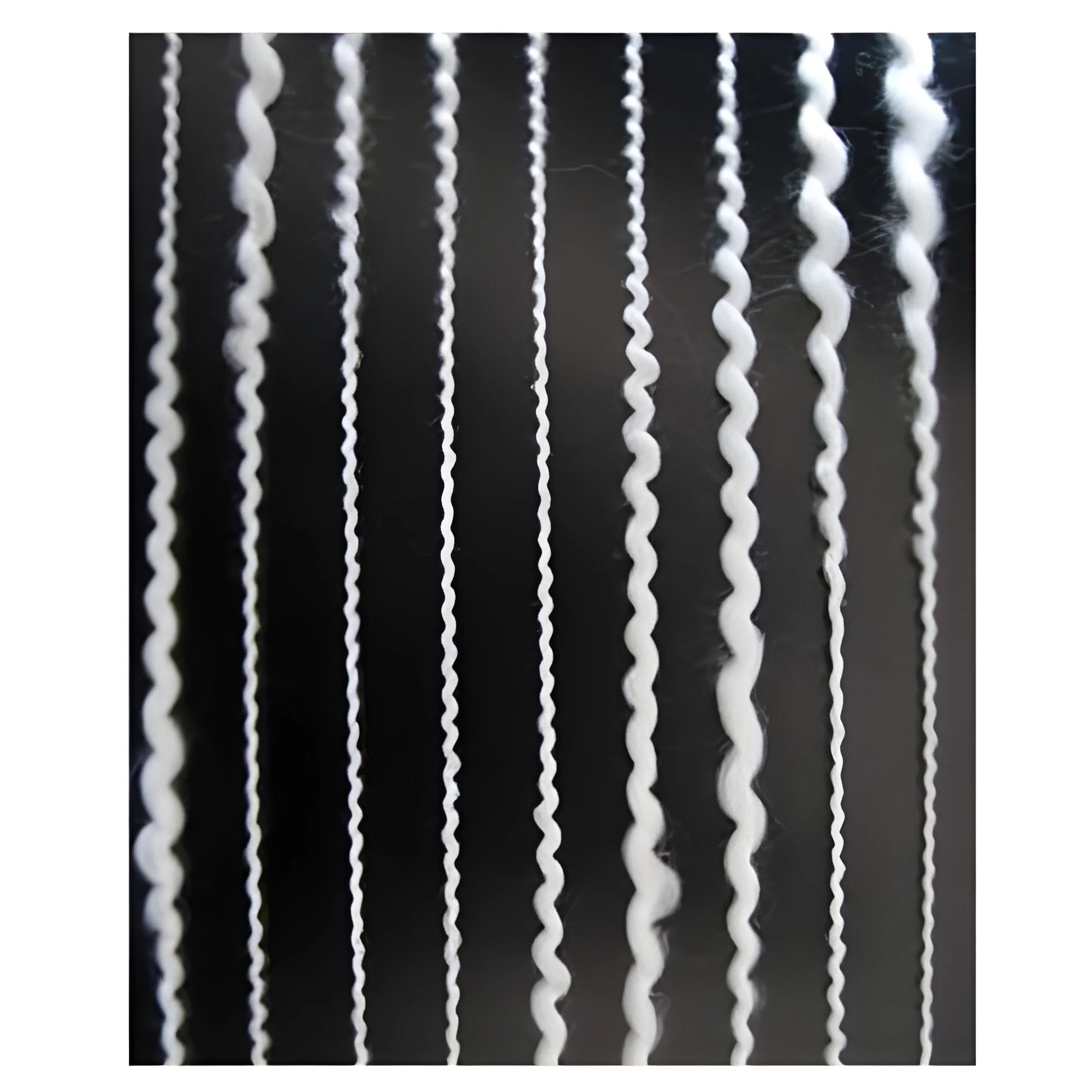
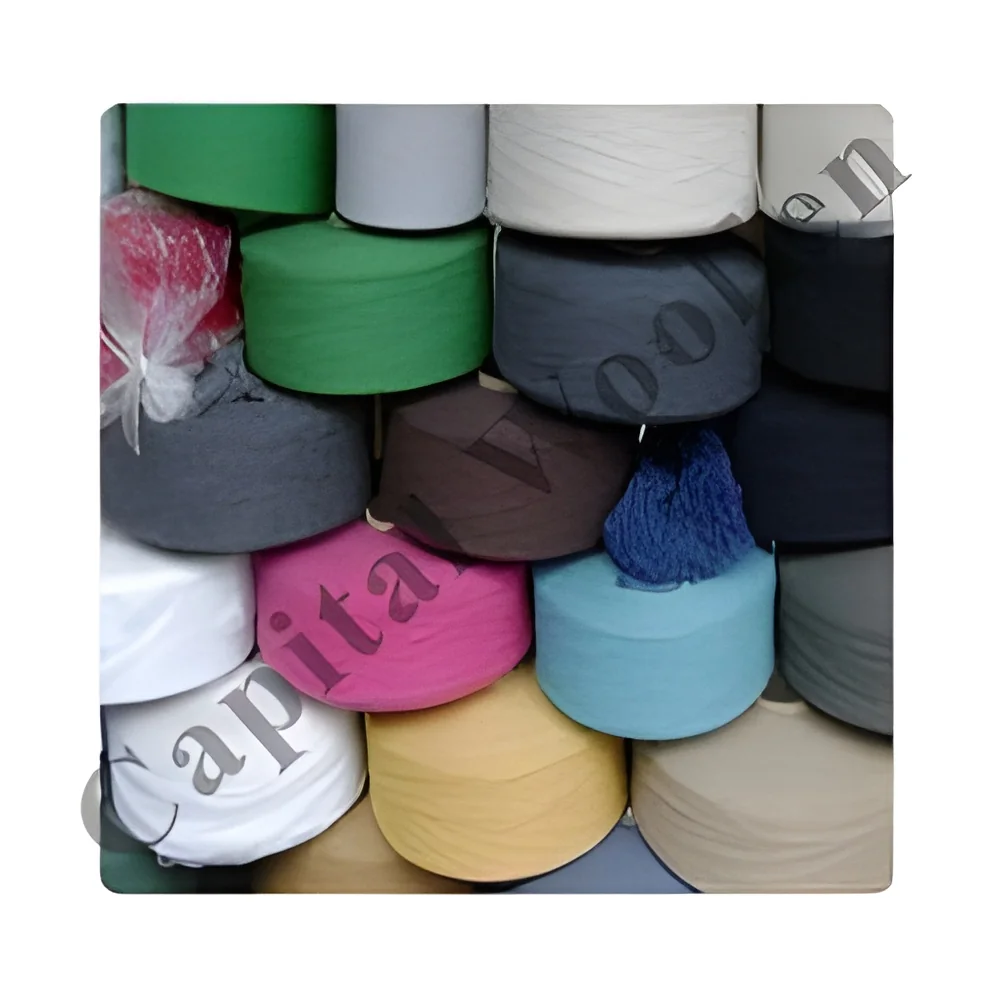
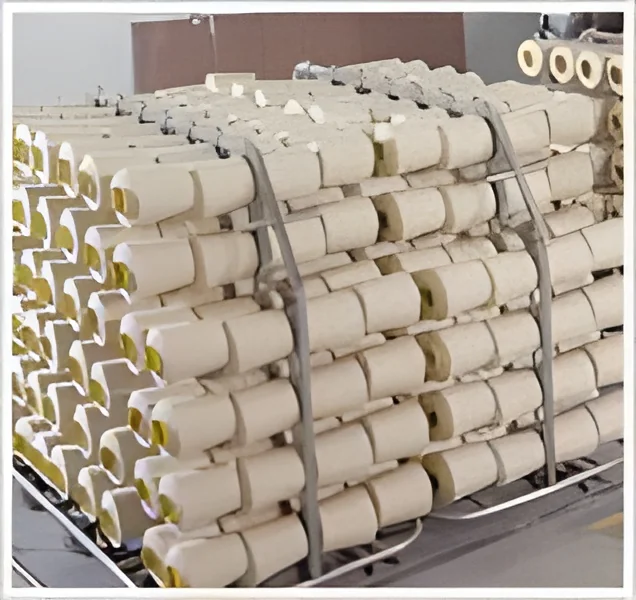
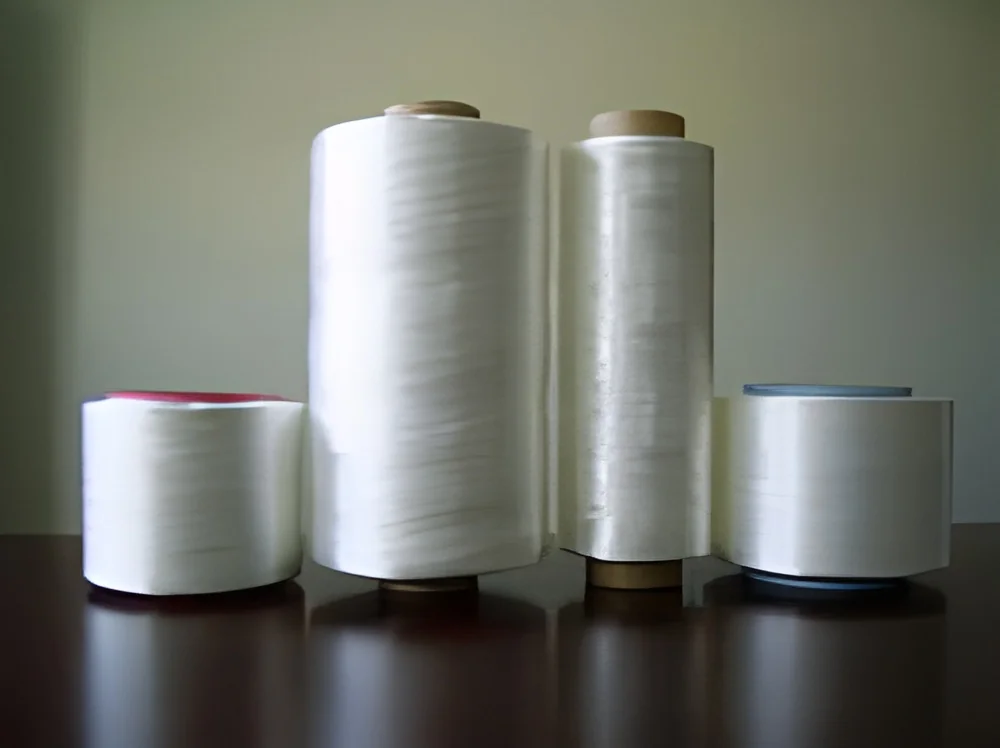
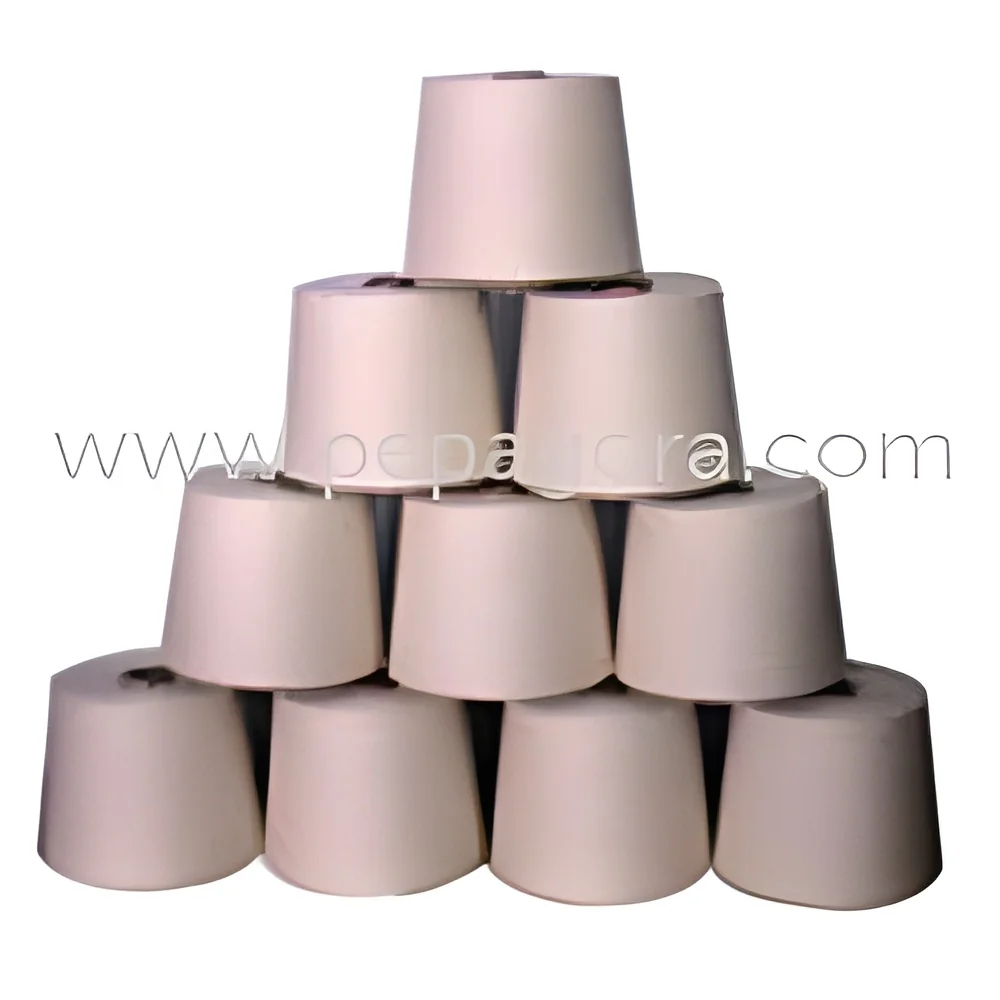
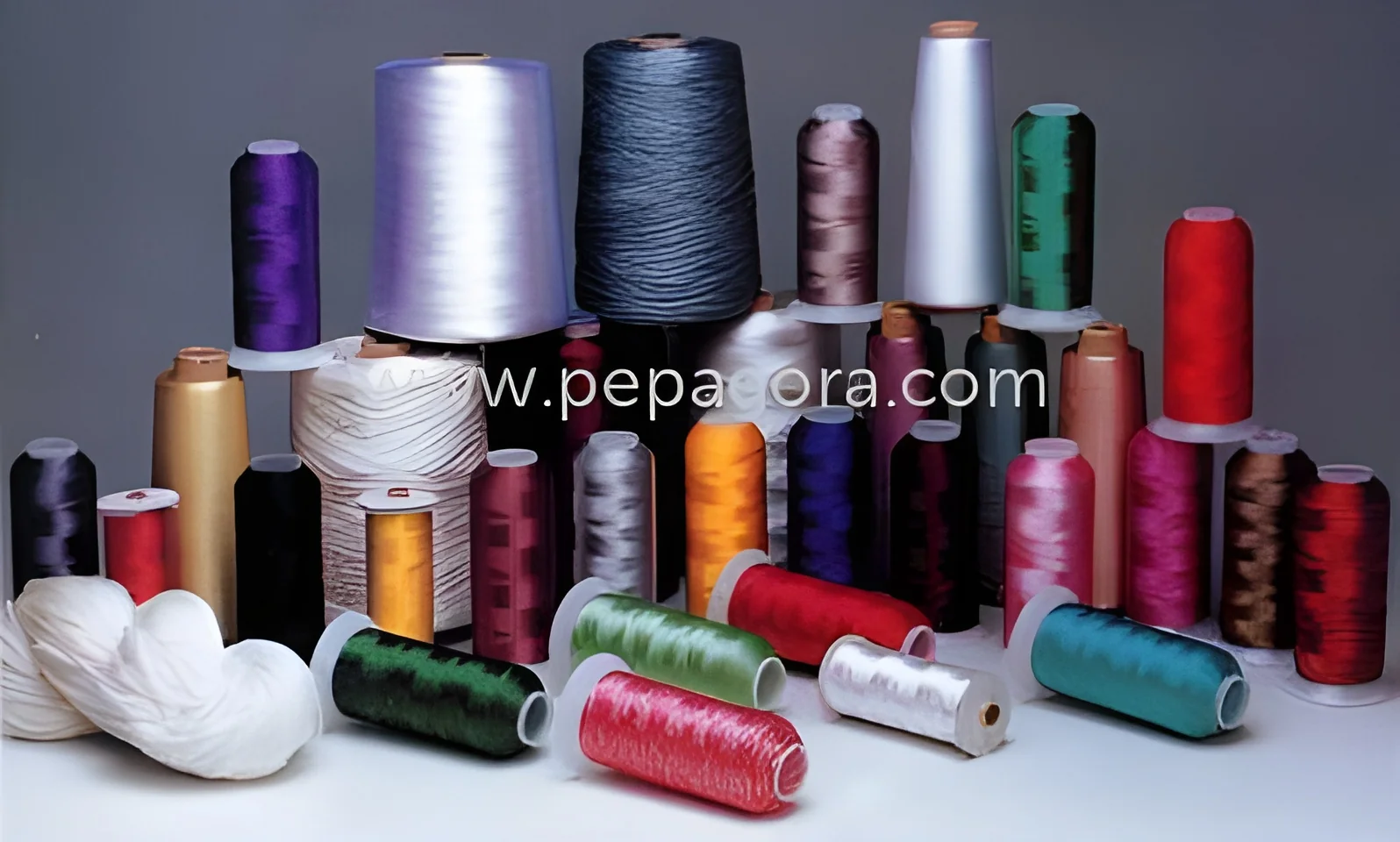
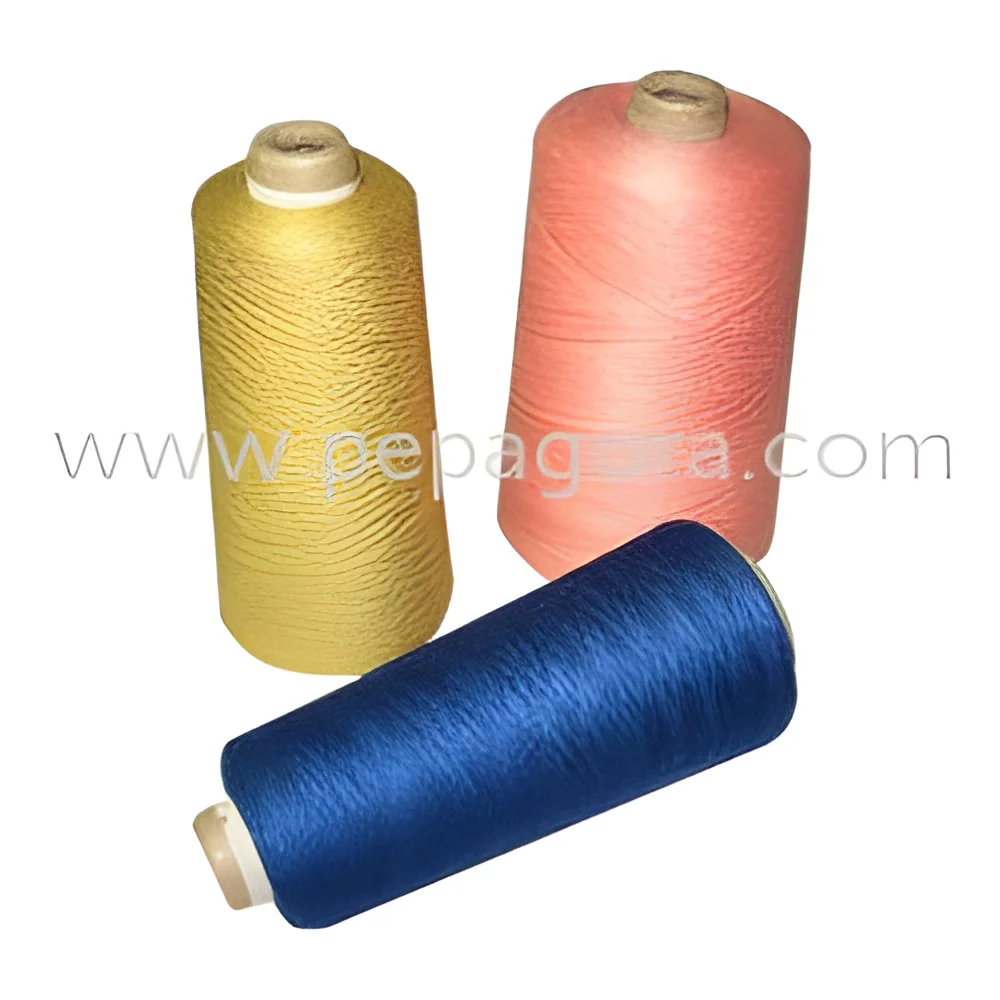
Textile raw materials are the basic materials used in the production of textiles and fabrics. They include natural fibers such as cotton, wool, and silk, as well as synthetic fibers like polyester and nylon. These materials serve as the foundation for a wide range of textile products.
What are the different types of Textile Raw Materials?
The different types of textile raw materials can be categorized into natural fibers, synthetic fibers, and blends. Natural fibers include cotton, linen, wool, and silk, while synthetic fibers encompass polyester, nylon, and acrylic. Blended materials combine both natural and synthetic fibers to enhance certain properties.
How do I choose the right Textile Raw Materials?
Choosing the right textile raw materials involves considering factors such as the intended use of the fabric, desired properties (e.g., durability, softness), and budget. It is also important to assess the quality and sustainability of the materials. Consulting with suppliers and manufacturers can provide valuable insights.
What are the standard specifications for Textile Raw Materials?
Standard specifications for textile raw materials typically include fiber content, weight, width, and colorfastness. Additionally, specifications may cover the material's tensile strength, shrinkage, and durability. Compliance with industry standards ensures consistent quality and performance.
What is the price range for Textile Raw Materials?
The price range for textile raw materials can vary widely based on the type of fiber, quality, and market demand. Generally, natural fibers tend to be more expensive than synthetic fibers. On average, prices can range from a few dollars to several hundred dollars per kilogram.
What quality standards apply to Textile Raw Materials?
Quality standards for textile raw materials are governed by various organizations, including the International Organization for Standardization (ISO) and the American Society for Testing and Materials (ASTM). These standards ensure that materials meet specific performance criteria, including strength, durability, and safety.
Where can I find Textile Raw Materials suppliers in India?
You can find textile raw materials suppliers in India through online B2B marketplaces, industry trade shows, and textile exhibitions. Websites like Pepagora offer a platform to connect with various manufacturers and suppliers. It's advisable to verify supplier credentials and read reviews before making a purchase.
Can Textile Raw Materials be customized?
Yes, many suppliers offer customization options for textile raw materials. Customization can include changes in fiber blend, color, and specific properties tailored to the buyer's requirements. Discussing your needs with suppliers can help in achieving the desired specifications.
What is the typical minimum order quantity for Textile Raw Materials?
The typical minimum order quantity (MOQ) for textile raw materials can vary depending on the supplier and the type of material. Generally, MOQs can range from a small batch of a few kilograms to larger quantities such as several hundred kilograms. It's best to check with individual suppliers for their specific policies.
What is the typical lead time for Textile Raw Materials?
The typical lead time for textile raw materials varies based on factors such as the supplier's location, order size, and availability of materials. Generally, lead times can range from a few days to several weeks. It is advisable to confirm lead times with suppliers when placing an order.
Why Businesses Trust Pepagora
Thousands of companies trust Pepagora to source smarter and sell faster
Expand Your Sales Globally

Source Smarter,Grow Faster
