What are Textile Auxiliary Chemicals?
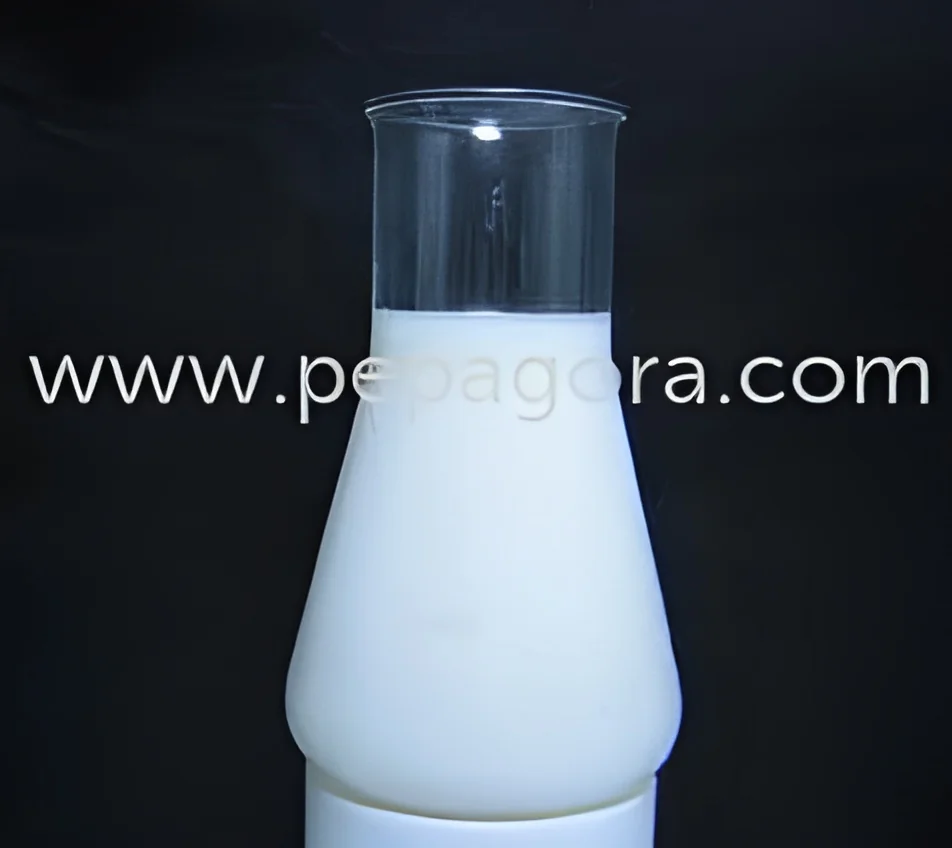
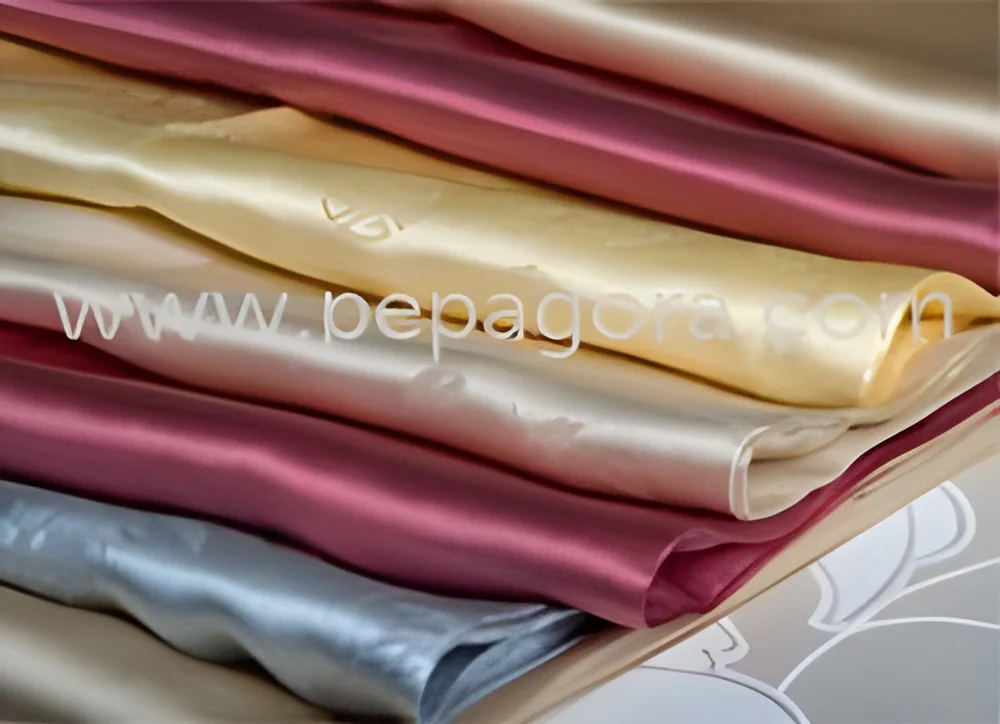
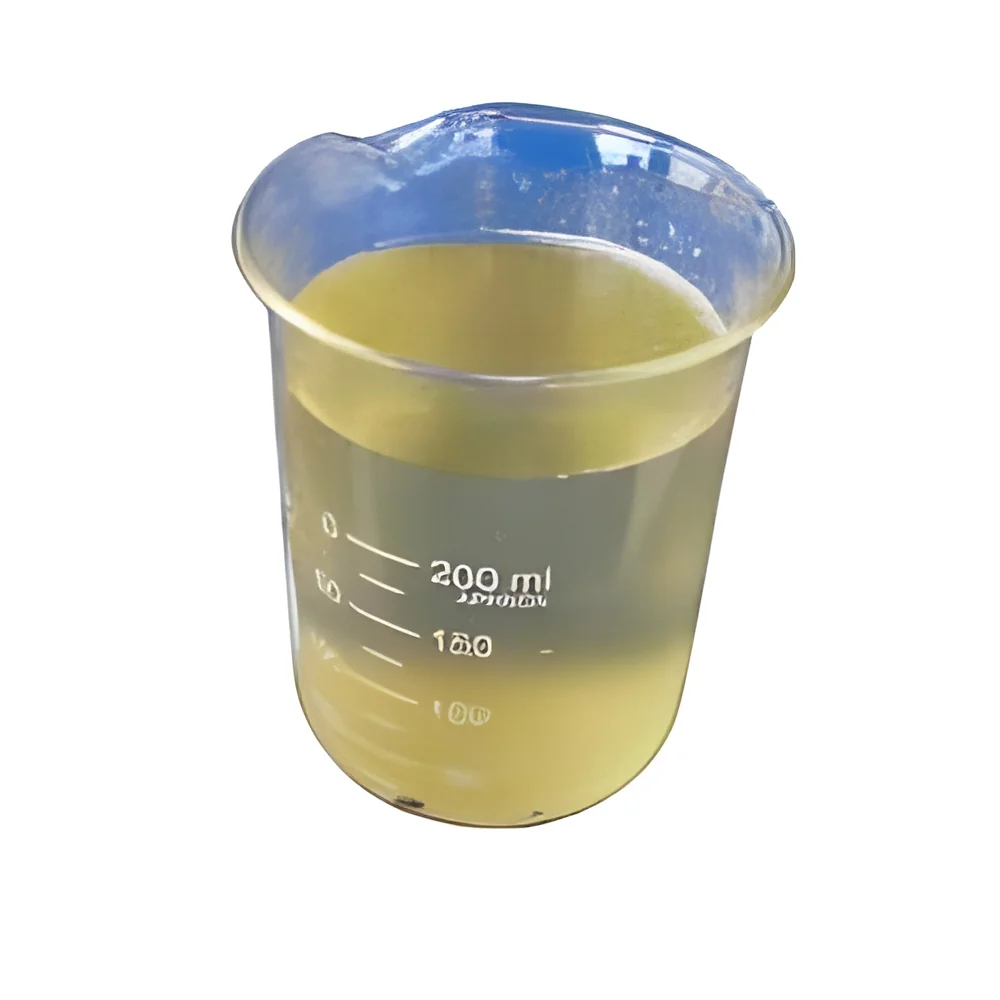
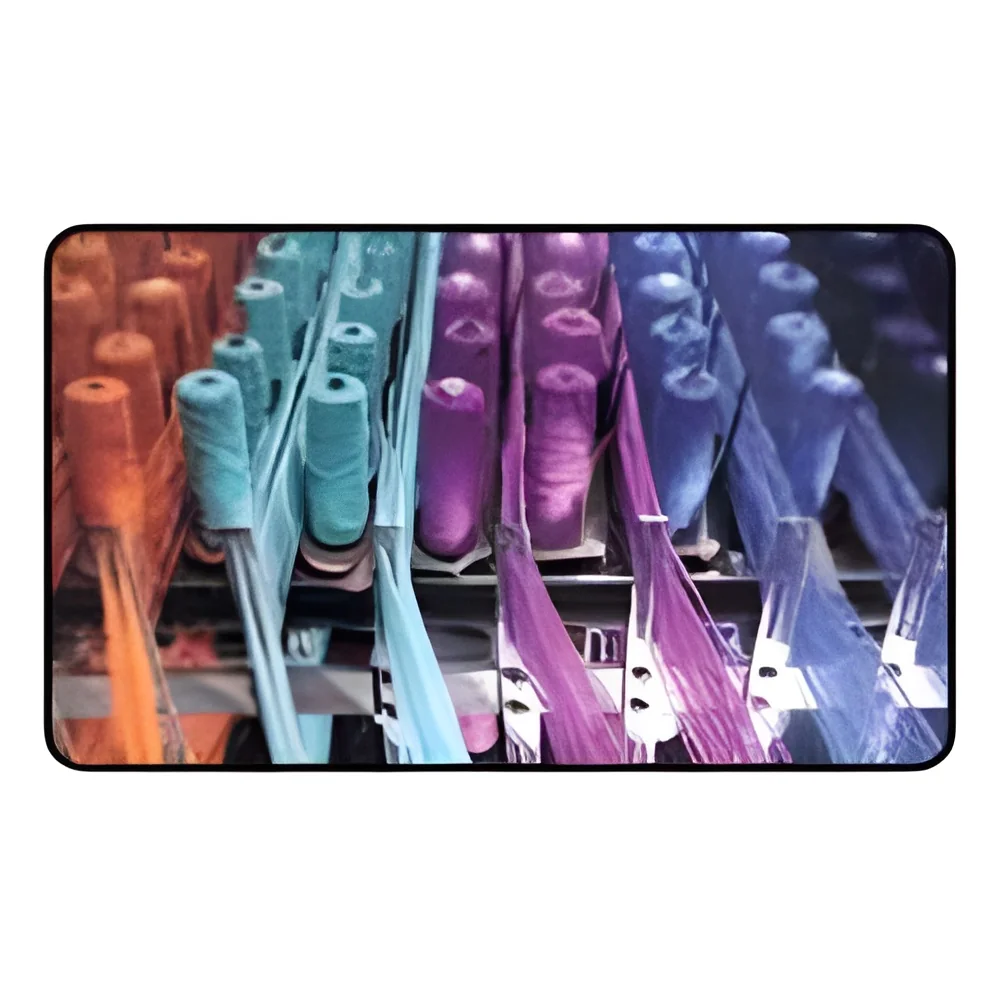
Textile auxiliary chemicals are substances used in the textile manufacturing process to enhance the properties and performance of fabrics. These chemicals play a crucial role in various stages of textile production, including preparation, dyeing, finishing, and printing. They help to improve the quality, appearance, and functionality of textiles, making them suitable for a wide range of applications.
The primary uses of textile auxiliary chemicals span across several industries, including apparel, home textiles, and technical textiles. They are employed for functions such as wetting, leveling, softening, and fixing dyes on fabrics. Businesses utilize these chemicals to achieve desired characteristics such as water repellency, flame resistance, and stain resistance. The relevance of textile auxiliary chemicals in the industry is underscored by their contribution to meeting performance standards and consumer preferences in an increasingly competitive market.
Key Features and Specifications
Textile auxiliary chemicals are characterized by a range of features that cater to specific applications within the textile industry. Understanding these specifications can help businesses make informed decisions when selecting the right products.
Key specifications include:
1. Solubility:
- Indicates how well the chemical dissolves in water or solvents.
- Parameters vary based on application requirements.
2. pH Level:
- Determines the acidity or alkalinity of the chemical.
- Ranges from acidic to neutral to alkaline, depending on the intended use.
3. Viscosity:
- Refers to the thickness of the chemical solution.
- Important for application methods such as spraying or dipping.
4. Temperature Stability:
- Indicates the range of temperatures at which the chemical maintains its effectiveness.
- Critical for processes that involve heat.
5. Biodegradability:
- Refers to the ability of the chemical to break down naturally.
- Increasingly important for sustainability considerations.
6. Compatibility:
- Indicates how well the chemical interacts with various textile fibers and other chemicals.
- Essential for achieving desired effects without adverse reactions.
7. Concentration:
- Refers to the amount of active ingredient in the chemical.
- Higher concentrations may offer more potent effects.
8. Storage Conditions:
- Specifies the ideal temperature and humidity for storing the chemicals.
- Essential for maintaining product stability and effectiveness.
In summary, understanding the key features and specifications of textile auxiliary chemicals allows manufacturers to select the right products for their specific needs, enhancing overall textile quality and performance.
Common Applications and Use Cases
Textile auxiliary chemicals are versatile and find applications across numerous industries.
1. Apparel Industry: These chemicals are used in dyeing and finishing processes to enhance color fastness and fabric feel, ensuring a high-quality end product.
2. Home Textiles: Used in products like curtains and upholstery, they improve properties such as stain resistance and durability, contributing to longer-lasting textiles.
3. Technical Textiles: In industries such as automotive and medical, textile auxiliary chemicals provide specialized functionalities like flame retardancy and moisture management.
4. Footwear Industry: Chemicals enhance the performance characteristics of shoe materials, ensuring comfort and durability.
5. Industrial Fabrics: Used in manufacturing geotextiles and filtration fabrics, these chemicals improve strength and performance under various environmental conditions.
6. Nonwoven Fabrics: Auxiliary chemicals are vital in the production of nonwoven materials, enhancing their texture and usability in various applications.
7. Sportswear: These chemicals improve moisture-wicking properties and breathability, crucial for athletic performance.
Product Variants and Subcategories
The diversity of textile auxiliary chemicals allows for tailored solutions to meet specific industry needs.
Wetting Agents: These are designed to enhance the penetration of water into fabrics, improving dye uptake and overall processing efficiency.
Softening Agents: Used to improve the hand feel of textiles, these agents make fabrics softer and more comfortable against the skin, which is essential for apparel applications.
Antimicrobial Agents: These chemicals inhibit the growth of bacteria and fungi on textiles, making them ideal for use in medical and hygiene products.
Flame Retardants: Used in protective clothing and furnishings, these agents reduce the flammability of fabrics, ensuring safety in various environments.
Benefits and Advantages
Textile auxiliary chemicals provide numerous benefits that enhance textile production processes.
1. Improved Quality: These chemicals enhance the overall quality of textiles, ensuring durability and performance.
2. Cost Efficiency: By optimizing production processes, they can lead to reduced waste and lower operational costs.
3. Customization: Many auxiliary chemicals can be tailored to meet specific needs, allowing manufacturers to achieve desired fabric characteristics.
4. Sustainability: The development of eco-friendly chemicals supports sustainability goals, appealing to environmentally conscious consumers.
5. Enhanced Functionality: These chemicals enable fabrics to possess unique properties, such as water resistance or UV protection, broadening their application range.
6. Compliance with Standards: Use of high-quality textile auxiliary chemicals helps manufacturers meet industry regulations and standards, ensuring market acceptance.
Buying Guide for B2B Buyers
When sourcing textile auxiliary chemicals, businesses should consider several critical factors to ensure they select the right products.
1. Quality Assessment: It is essential to evaluate the quality of the chemicals based on testing results and certifications to ensure they meet industry standards.
2. Supplier Verification: Vetting suppliers for reliability and reputation is crucial. This includes checking for references and previous customer experiences.
3. Pricing and MOQ: Understanding the pricing structure and minimum order quantities is important for budgeting and inventory management.
4. Delivery and Lead Times: Buyers should inquire about the logistics involved, ensuring that suppliers can meet their production timelines.
5. Compliance Requirements: Familiarity with regulatory needs and certifications, such as CE, helps in selecting compliant products that adhere to safety and quality standards.
Compliance and Certifications
Compliance with relevant quality standards is paramount in the textile auxiliary chemicals industry. Key standards include ISO 9001, which ensures quality management systems are in place, and HACCP, which focuses on food safety in related applications. Additionally, manufacturers may seek CE certification to demonstrate compliance with European safety requirements.
Safety and testing requirements are crucial, particularly for chemicals used in consumer-facing products. Companies must ensure that their products are tested for harmful substances and are safe for use.
Regional compliance considerations vary by market, necessitating that manufacturers be aware of specific regulations in different countries, especially when exporting products. Adherence to these standards not only ensures safety but also builds credibility in the market.
Why Source Textile Auxiliary Chemicals from Pepagora?
Pepagora provides a trusted platform for sourcing textile auxiliary chemicals, offering several key advantages to B2B buyers.
Verified Supplier Network: The platform features a network of verified suppliers, ensuring that buyers have access to reliable and quality products. This verification process builds trust and reduces the risk of sourcing subpar materials.
Streamlined RFQ Process: Pepagora's streamlined Request for Quotation (RFQ) system simplifies the procurement process. Buyers can easily compare quotes from multiple suppliers, saving time and ensuring competitive pricing.
Trade Assurance and Support: With trade assurance policies in place, Pepagora protects buyers from potential risks during transactions. This support fosters a secure purchasing environment.
Regional Coverage: Pepagora's geographic reach extends across India, the GCC, and Southeast Asia, enabling buyers to connect with suppliers in various regions, ensuring they find the best products suited to their local markets.

 IN
IN