IN
IN₹
Apparel & Fashion
Description
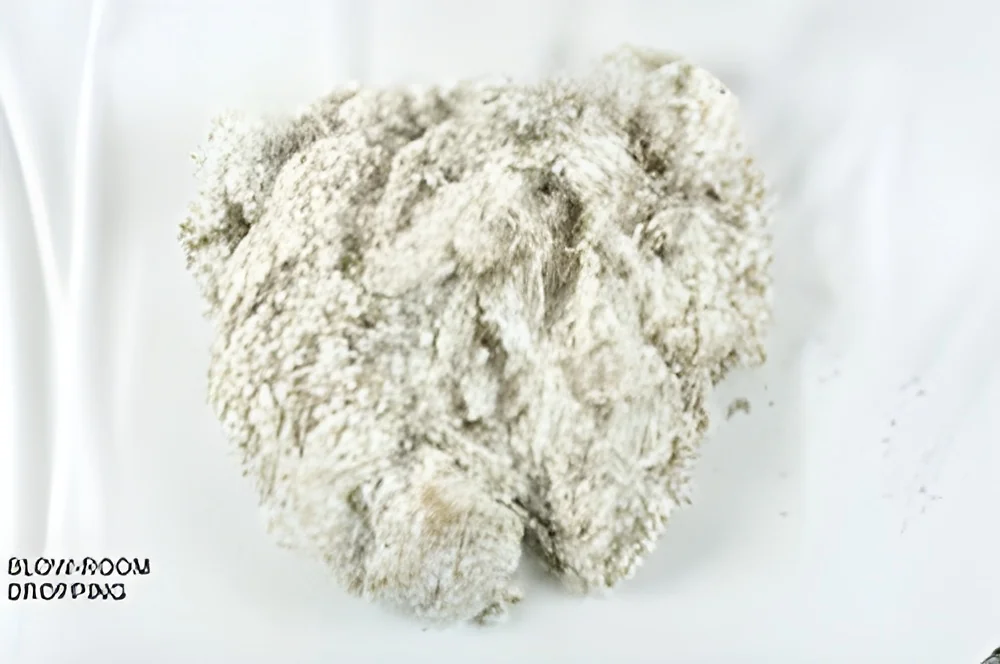
Our Premium Cotton Soft Waste provides textile manufacturers with a reliable recycled cotton material specifically processed for yarn production. This comprehensive range includes comber waste, flat waste, dropping waste, and hard waste, each carefully sorted and prepared to meet industrial standards. Sourced from established textile operations and processed with attention to quality, this cotton waste delivers consistent fiber characteristics, optimal length distribution, and dependable performance in manufacturing settings. The material is prepared to integrate smoothly into production lines for yarn counts from 6s to 14s, offering manufacturers a practical raw material solution that balances cost considerations with production reliability.

The textile spinning industry utilizes Cotton Soft Waste extensively as a primary input for producing various yarn counts, particularly in the 6s to 14s range that serves multiple applications. Spinning mills incorporate this material into their ...
Our Premium Cotton Soft Waste provides textile manufacturers with a reliable recycled cotton material specifically processed for yarn production. This comprehensive range includes comber waste, flat waste, dropping waste, and hard waste, each carefully sorted and prepared to meet industrial standards. Sourced from established textile operations and processed with attention to quality, this cotton waste delivers consistent fiber characteristics, optimal length distribution, and dependable performance in manufacturing settings. The material is prepared to integrate smoothly into production lines for yarn counts from 6s to 14s, offering manufacturers a practical raw material solution that balances cost considerations with production reliability.

The textile spinning industry utilizes Cotton Soft Waste extensively as a primary input for producing various yarn counts, particularly in the 6s to 14s range that serves multiple applications. Spinning mills incorporate this material into their processes to create yarns for diverse end-uses, from basic fabrics to more specialized textiles. Beyond traditional spinning, this material finds significant application in non-woven fabric production where its fiber properties contribute to product integrity. The paper industry incorporates it as a valuable fiber additive, while manufacturers in automotive and home furnishings use it for components ranging from interior textiles to filling materials, demonstrating its versatility across industrial sectors that prioritize both performance and material efficiency.

Cotton Soft Waste delivers tangible value through its cost-effective nature as a recycled raw material that maintains practical performance standards. Its reliability comes from consistent processing that ensures uniform fiber characteristics from batch to batch, reducing production variations and supporting stable manufacturing operations. The material supports efficient resource use by repurposing textile waste into valuable manufacturing inputs, aligning with operational efficiency goals. Its preparation for specific yarn count requirements allows manufacturers to optimize their production parameters, while its proven performance across multiple applications provides businesses with a flexible material option that supports operational planning and cost management.

Key Features:
- Comber waste from precision carding processes with consistent fiber quality
- Flat waste collected from spinning frames with maintained fiber integrity
- Dropping waste gathered from machinery operations with controlled contamination
- Hard waste processed from yarn remnants with optimized fiber length
- Material prepared for specific yarn count requirements from 6s to 14s

Benefits:
- Cost-effective recycled raw material for yarn manufacturing
- Consistent fiber quality and reliable batch-to-batch performance
- Supports stable production with reduced manufacturing variations
- Versatile material suitable for multiple industrial applications
- Practical solution that balances performance with operational efficiency
Specifications
| Additional Information | |
|---|---|
| Country of Origin | India |
Application
Cotton Soft Waste serves as a fundamental raw material in textile spinning mills, enabling the production of cost-effective yarn across multiple counts. Its consistent fiber quality and reliable performance make it suitable for integration into standard manufacturing processes, helping mills manage raw material costs while maintaining output standards. This material supports efficient operations by providing a predictable input that works with existing machinery and production setups.
Beyond basic yarn spinning, this versatile material finds use in creating products for diverse market segments. Manufacturers value it for its adaptability to different production requirements and its role in sustainable manufacturing practices. The material's processed nature ensures it meets specific industrial needs for fiber length and cleanliness, making it a practical choice for operations focused on both quality and operational efficiency. Its applications demonstrate how recycled materials can deliver performance in demanding industrial environments.
- Textile yarn production for apparel and fabric manufacturing across various counts
- Non-woven industry applications including padding materials and insulation products
- Paper manufacturing as sustainable fiber additive for enhanced paper quality
- Automotive sector for upholstery, interior textiles, and filtration systems
- Home furnishing production for mattresses, quilts, and cushion filling materials
Trade Details
| Available Stock | In Stock |
| Sample Availability | No |
Payment Terms
| Payment Terms |
|
Company Profile

Biyani Polymers, Maharashtra
 Maharashtra, India
Maharashtra, IndiaRaw Materials & Chemicals•Manufacturer•Trading Company•Distributor / Wholesaler
Factory Details
Factory SizeBelow 1000 sqm
Annual Production Capacity0
Cotton Soft Waste For Yarn Manufacturing Comber Flat Dropping Hard Waste
Premium Cotton Soft Waste for yarn manufacturing, including comber, flat, dropping, and hard waste. Ideal for producing various yarn counts like 6s, 10s, and 14s with reliable quality and consistent performance for textile mills.
Min. Order Quantity: 1 unit
Shipping
Shipping fee and delivery date to be negotiated. Contact supplier now for more details.
Biyani Polymers
 Maharashtra, India
Maharashtra, IndiaRaw Materials & ChemicalsManufacturer