IN
IN₹
Apparel & Fashion
Description
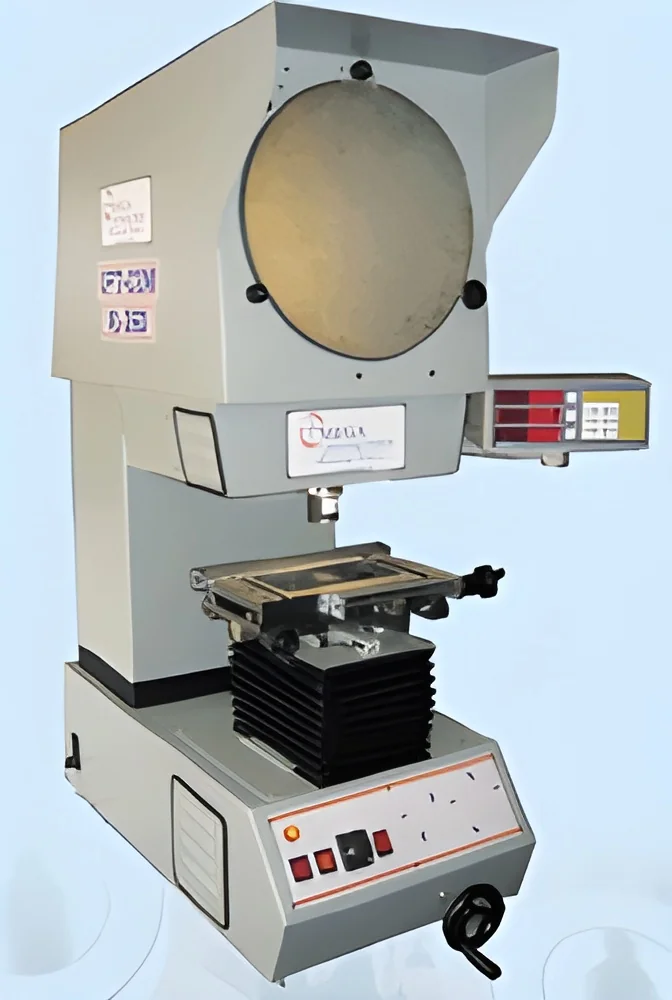
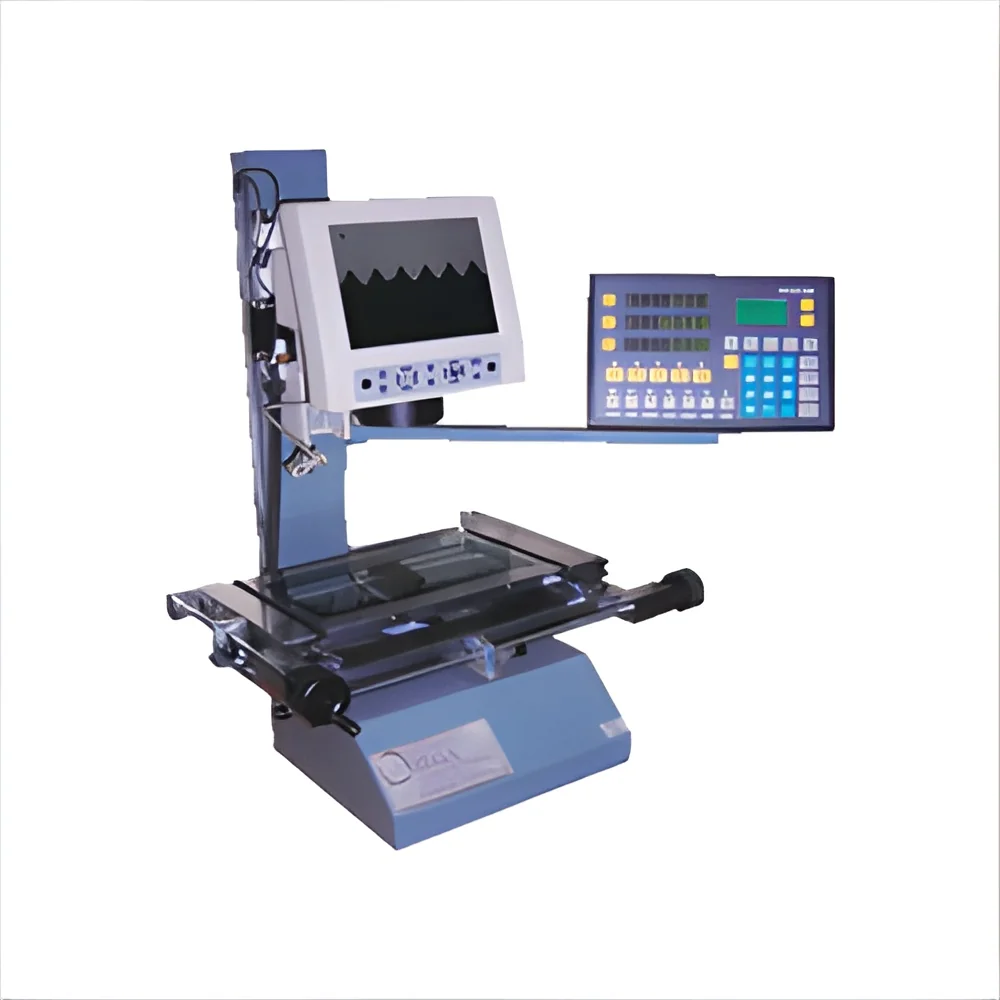
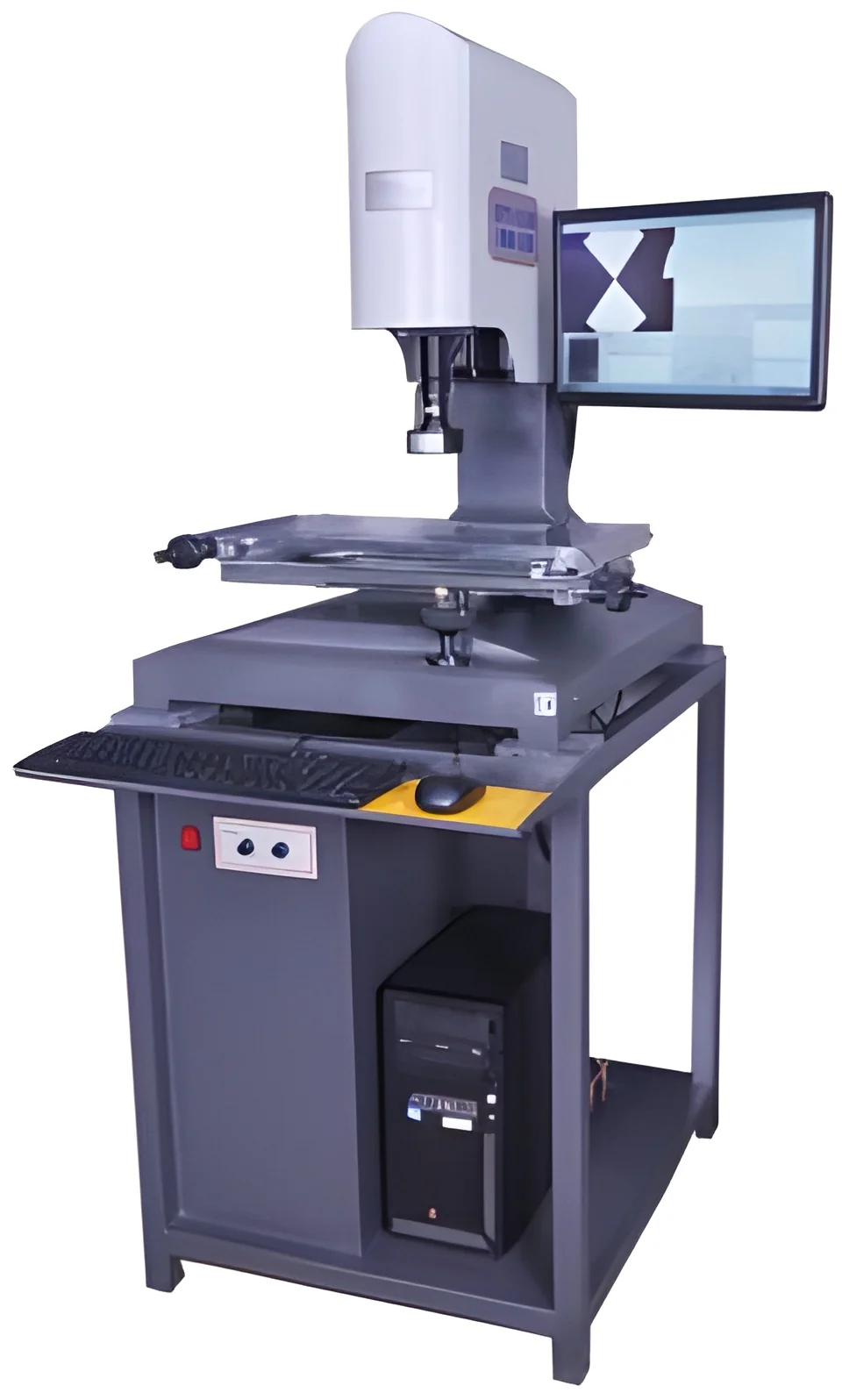
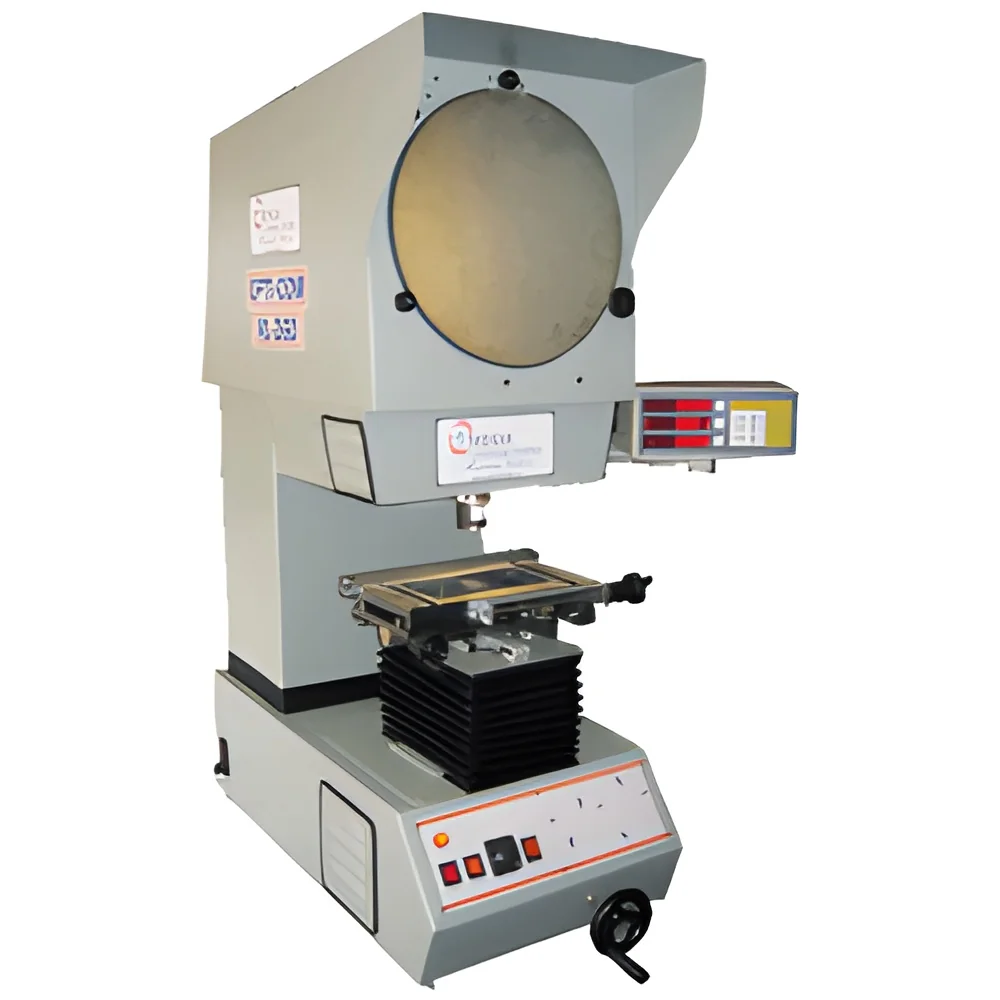
Precision Vertical Profile Projectors establish the benchmark for optical measurement in industrial quality control. These instruments utilize advanced optics to project magnified silhouettes of components onto large viewing screens, enabling operators to perform accurate dimensional measurements, contour comparisons, and defect detection without physical contact. The vertical design ensures stability during inspection while accommodating various component sizes through adjustable worktables and selectable magnification lenses. Engineered for industrial environments, these projectors maintain measurement accuracy through robust construction and reliable illumination systems that deliver sharp, clear images of complex geometries. They transform subjective visual inspection into objective, quantifiable verification processes.

Manufacturing sectors requiring stringent quality verification rely on these optical comparators. Automotive manufacturers use them to inspect engine components, t...
Precision Vertical Profile Projectors establish the benchmark for optical measurement in industrial quality control. These instruments utilize advanced optics to project magnified silhouettes of components onto large viewing screens, enabling operators to perform accurate dimensional measurements, contour comparisons, and defect detection without physical contact. The vertical design ensures stability during inspection while accommodating various component sizes through adjustable worktables and selectable magnification lenses. Engineered for industrial environments, these projectors maintain measurement accuracy through robust construction and reliable illumination systems that deliver sharp, clear images of complex geometries. They transform subjective visual inspection into objective, quantifiable verification processes.

Manufacturing sectors requiring stringent quality verification rely on these optical comparators. Automotive manufacturers use them to inspect engine components, transmission gears, and braking elements. Aerospace applications include verifying turbine blades, structural brackets, and precision fasteners. Electronics producers measure connector arrays, semiconductor packages, and miniature mechanical parts. The toolmaking industry employs them for template verification, mold inspection, and die validation. General manufacturing utilizes profile projectors for quality assurance of machined parts, stamped components, and fabricated assemblies across production lines, ensuring consistency from prototype through mass production.

The business value of vertical profile projectors lies in their ability to enhance quality control while optimizing inspection workflows. These instruments deliver immediate return through reduced scrap rates, minimized rework, and improved production efficiency by catching deviations early. Their reliability translates to minimal downtime and lower maintenance costs, while their precision supports compliance with international standards like ISO and ASME. The systems provide documented measurement data for traceability and continuous improvement initiatives. This combination of accuracy, durability, and process integration makes them indispensable for operations committed to delivering consistent quality and maintaining competitive advantage.

Key Features:
- High-resolution optical system with multiple magnification lens options
- Sturdy vertical column construction with vibration-dampening design
- Advanced surface and contour illumination for clear profile projection
- Precision coordinate measuring with digital readout capabilities
- Adjustable worktables with rotary stages and fixture compatibility

Benefits:
- Enables accurate non-contact measurement preserving component integrity
- Provides visual verification that accelerates inspection and decision-making
- Supports compliance with quality standards through documented measurements
- Reduces scrap and rework costs by identifying deviations early
- Delivers reliable performance in demanding industrial environments
Specifications
| Additional Information | |
|---|---|
| Country of Origin | India |
Application
Vertical profile projectors serve as essential optical comparators for non-contact measurement across precision-driven industries. They project magnified component profiles onto screens, enabling detailed inspection of dimensions, contours, and surface features against design specifications. This capability is critical for maintaining tight tolerances in production environments.
These instruments are deployed in sectors where measurement accuracy directly impacts product performance and safety. They handle diverse components from miniature electronic parts to larger machined elements, providing repeatable results that support consistent quality assurance. The technology bridges the gap between design intent and manufactured reality through visual verification.
- Inspecting gear teeth profiles and thread forms in automotive transmission components
- Verifying dimensional accuracy of turbine blades and aerospace structural fittings
- Measuring connector pins and semiconductor lead frames in electronics manufacturing
- Comparing stamped metal parts against master templates in tool and die production
- Conducting first-article inspection and production sampling in general machining workshops
Trade Details
| Available Stock | In Stock |
| Sample Availability | No |
Payment Terms
| Payment Terms |
|
Company Profile

Omega Metrology Products, Karnataka
 Karnataka, India
Karnataka, IndiaManufacturer•Importer / Exporter
Factory Details
Factory SizeBelow 1000 sqm
No. of Production Lines6
Annual Production Capacity0
Main Markets
North America
Oceania
Northern Europe
South America
Mid East
Southern Europe
Eastern Europe
Eastern Asia
South Asia
Southeast Asia
Western Europe
Africa
Central America
Domestic
Precision Vertical Profile Projectors For Quality Control Inspection
Precision Vertical Profile Projectors deliver accurate dimensional analysis for quality control inspection in manufacturing and engineering. These reliable optical comparators ensure precise measurement with clear projection for component verification.
Min. Order Quantity: 1 unit
Shipping
Shipping fee and delivery date to be negotiated. Contact supplier now for more details.
Omega Metrology Products
 Karnataka, India
Karnataka, IndiaManufacturer