
 IN
Polyester Fibers
16 products available
What are Polyester Fibers?
Polyester fibers are synthetic fibers derived from a polymer known as polyethylene terephthalate (PET). These fibers are known for their strength, durability, and versatility, making them a popular choice in various industrial applications. Polyester is created through a process that involves the polymerization of ethylene glycol and terephthalic acid, resulting in a fiber that can be produced in different forms, including staple fibers and filament yarns.
The primary uses of polyester fibers span across multiple industries, including textiles, automotive, and home furnishings. In the textile industry, polyester is widely used to manufacture clothing, upholstery, and other fabric-based products due to its resistance to shrinking and stretching. Additionally, the automotive sector utilizes polyester in seat covers and interior components. The market for polyester fibers continues to grow, driven by increasing demand for durable and cost-effective materials.
Key Features and Specifications
Polyester fibers offer several key features that enhance their usability across various applications. They are lightweight, resistant to wrinkles, and quick-drying, which contributes to their widespread use in clothing and home textiles. These fibers can also be blended with other materials to improve performance and aesthetics.
Key specifications include:
1. Fiber Type
- Polyester fibers can be produced as staple fibers or continuous filament yarns.
- They vary in denier, which affects the thickness and texture of the fabric.
2. Strength
- Polyester fibers exhibit high tensile strength, making them resistant to breaking under tension.
- Typical tensile strength ranges from 3.5 to 8.0 grams per denier.
3. Elasticity
- Polyester fibers have good elasticity, allowing them to retain their shape after stretching.
- The elongation at break can range from 15% to 30%.
4. Moisture Resistance
- Polyester fibers have low moisture absorption, which helps in quick drying.
- They are effective in moisture-wicking applications.
5. Color Fastness
- Polyester fibers are known for their excellent color retention, resisting fading from washing or exposure to light.
- Color fastness ratings can vary based on dyeing methods.
6. Chemical Resistance
- Polyester is resistant to many chemicals, including acids and alkalis.
- This feature makes it suitable for various industrial applications.
7. UV Resistance
- Polyester fibers offer good resistance to UV light, making them ideal for outdoor applications.
8. Thermal Stability
- Polyester maintains its properties over a wide temperature range, withstanding heat and cold without significant degradation.
In summary, polyester fibers are characterized by their versatility and robust physical properties, making them suitable for a wide range of applications.
Common Applications and Use Cases
Polyester fibers are widely used across various industries due to their unique properties and benefits.
1. Textiles: Polyester is commonly used in clothing, curtains, and upholstery due to its durability and ease of care.
2. Automotive: In the automotive industry, polyester fibers are utilized in seat covers, headliners, and carpeting for their strength and resistance to wear.
3. Home Furnishings: Polyester is often found in cushions, carpets, and bedding, providing comfort and longevity.
4. Industrial Applications: Polyester fibers are employed in the production of industrial textiles, such as conveyor belts and safety harnesses.
5. Packaging: The strength and lightweight nature of polyester make it a preferred material for packaging applications, including bags and films.
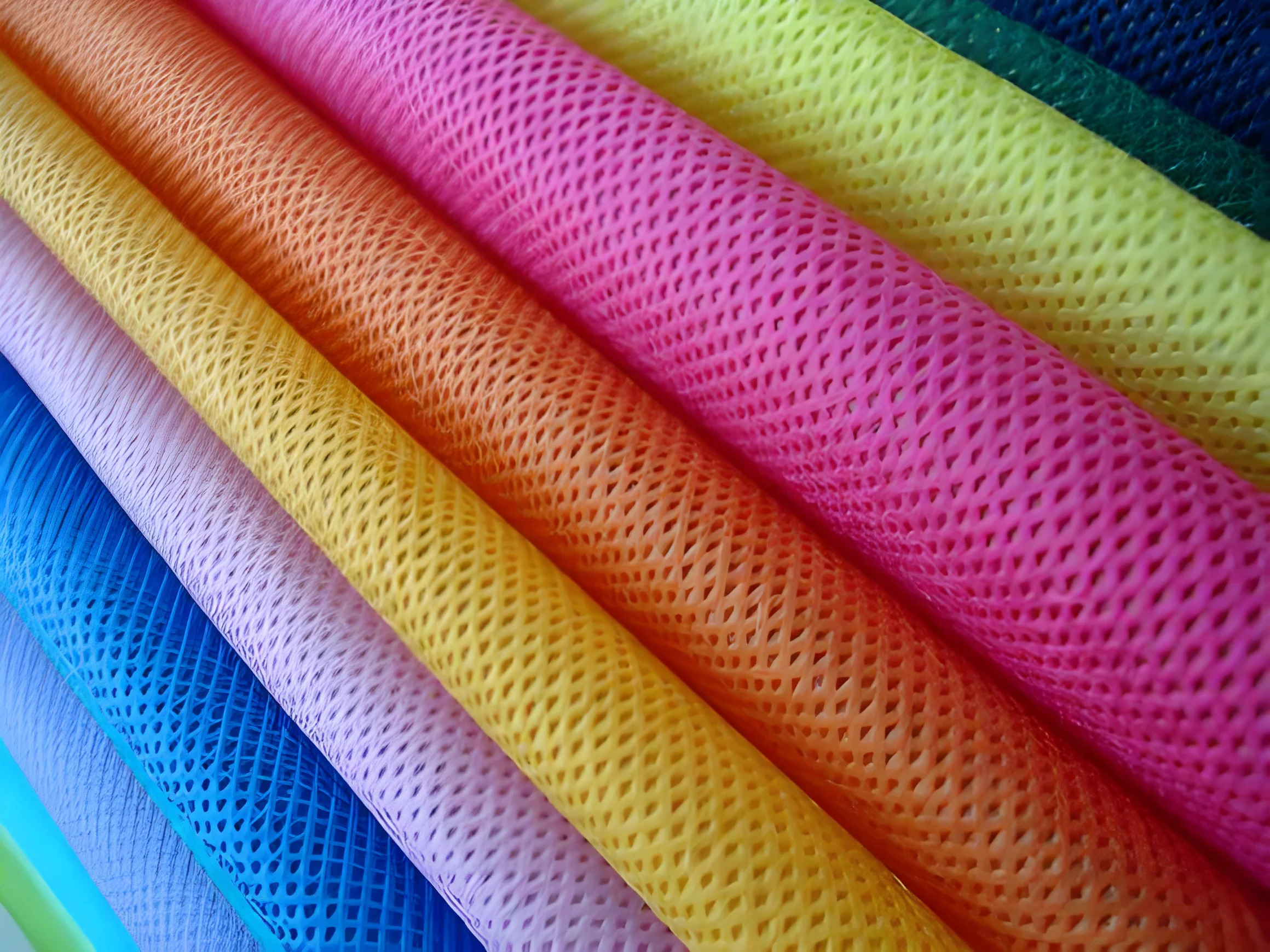
6. Non-Woven Fabrics: Polyester fibers are used in non-woven applications for hygiene products, medical supplies, and filtration materials.
7. Geotextiles: In construction and civil engineering, polyester fibers are used in geotextiles for soil stabilization and erosion control.
Product Variants and Subcategories
Polyester fibers come in various forms to cater to different market needs and applications.
Polyester Staple Fiber
This variant is typically used for spinning yarn and producing non-woven fabrics. It offers versatility in applications ranging from clothing to industrial textiles.
Polyester Filament Yarn
This continuous fiber is used to create smooth, strong fabrics often found in high-performance textiles. Its applications range from fashion garments to heavy-duty industrial uses.
Benefits and Advantages
Polyester fibers provide numerous benefits that make them a preferred choice in many applications.
1. Durability: Polyester fibers are known for their high strength and durability, ensuring longevity in products.
2. Cost-Effectiveness: Polyester materials are typically less expensive than natural fibers, offering a budget-friendly option for manufacturers.
3. Easy Care: Fabrics made from polyester are resistant to wrinkles and shrinking, making them easy to maintain.
4. Quick Drying: Polyester's low moisture absorption means that it dries quickly, making it ideal for activewear and outdoor products.
5. Versatile: The ability to blend polyester with other fibers enhances its usability across various applications.
6. Color Retention: Polyester fabrics maintain their color over time, ensuring products remain attractive after repeated use.
Buying Guide for B2B Buyers
When sourcing polyester fibers for business applications, several factors should be considered to ensure quality and compatibility with your needs.
1. Quality Assessment: Evaluate the quality of polyester fibers based on strength, elasticity, and durability. Look for certifications that can assure you of the product's quality.
2. Supplier Verification: Vet potential suppliers by checking their reputation and past performance. Ensure they have a track record of delivering quality products on time.
3. Pricing and MOQ: Understand the pricing structure and minimum order quantities (MOQ) that suppliers offer to ensure they fit your budget and production needs.
4. Delivery and Lead Times: Discuss logistics with suppliers to ascertain delivery schedules and lead times, which can impact your production timelines.
5. Compliance Requirements: Make sure that the polyester fibers comply with relevant industry standards and regulations to avoid any legal issues.
Compliance and Certifications
Polyester fibers must meet specific quality standards and compliance regulations to ensure safety and effectiveness in various applications.
Relevant quality standards such as ISO 9001 help ensure that manufacturers maintain high-quality management systems. These standards focus on consistent quality in production processes.
Industry certifications like CE indicate that the products meet European safety, health, and environmental protection standards. This certification is important for buyers looking to enter markets with stringent regulatory requirements.
Safety and testing requirements are crucial for ensuring that polyester fibers do not pose any hazards during their use. Manufacturers should adhere to testing protocols that verify the physical and chemical properties of the fibers.
Lastly, regional compliance considerations must be taken into account, as different areas may have specific regulations regarding the use and manufacturing of synthetic fibers.
Why Source Polyester Fibers from Pepagora?
Pepagora provides a trusted platform for sourcing polyester fibers, offering several key advantages that can significantly benefit B2B buyers.
Verified Supplier Network: Pepagora features a network of verified suppliers, ensuring that buyers can trust the quality and reliability of their products. This verification process helps mitigate risks associated with sourcing.
Streamlined RFQ Process: The platform facilitates a streamlined request for quotation (RFQ) process, enabling buyers to easily compare prices and terms from multiple suppliers. This efficiency can save time and resources.
Trade Assurance and Support: Pepagora offers trade assurance and buyer protection, ensuring that transactions are secure. Buyers can have peace of mind knowing they are supported throughout the sourcing process.
Regional Coverage: With a strong presence in regions like India, GCC, and Southeast Asia, Pepagora provides broad geographic coverage, making it easier for buyers to find local suppliers and reduce shipping costs.
By choosing to source polyester fibers through Pepagora, businesses can enhance their procurement processes while ensuring they receive high-quality materials tailored to their specific needs.


 India
 India

 India
 India

 India
 India
 India
 India

Frequently Asked Questions
What are Polyester Fibers?
Polyester fibers are synthetic fibers made from polymerization of ester compounds. They are widely used in textiles and other applications due to their durability, resistance to wrinkling, and quick-drying properties.
What are the different types of Polyester Fibers?
There are several types of polyester fibers, including staple fibers, filament fibers, and recycled polyester fibers. Each type has unique properties and applications, with staple fibers often used in clothing and filament fibers commonly used in industrial applications.
How do I choose the right Polyester Fibers?
When choosing polyester fibers, consider factors such as the intended application, desired texture, and specific performance characteristics. Consulting with suppliers can also provide insights into the best options for your needs.
What are the standard specifications for Polyester Fibers?
Standard specifications for polyester fibers can include denier, tensile strength, elongation percentage, and melting point. These specifications vary based on the intended use of the fibers and should be verified with manufacturers.
What is the price range for Polyester Fibers?
The price of polyester fibers can vary significantly based on quality, type, and sourcing location. Generally, prices range from INR 150 to INR 300 per kilogram in the Indian market, but bulk purchasing may offer cost advantages.
What quality standards apply to Polyester Fibers?
Polyester fibers must meet various quality standards, including ISO 9001 for quality management systems and specific textile standards such as OEKO-TEX certification. These standards ensure safety, sustainability, and performance in textile applications.
Where can I find Polyester Fibers suppliers in India?
You can find polyester fibers suppliers in India through B2B marketplaces like Pepagora, industry trade shows, and local textile associations. Additionally, online directories can provide a list of reputable manufacturers and suppliers.
Can Polyester Fibers be customized?
Yes, polyester fibers can often be customized to meet specific requirements such as color, texture, and performance features. It is advisable to consult with manufacturers regarding available customization options.
What is the typical minimum order quantity for Polyester Fibers?
The typical minimum order quantity (MOQ) for polyester fibers can range from 100 to 500 kilograms, depending on the supplier and specific product. Always check with the supplier for their MOQ policies.
What is the typical lead time for Polyester Fibers?
The typical lead time for polyester fibers varies based on order size and supplier location, but it generally ranges from 2 to 6 weeks. It is important to confirm lead times with suppliers during the ordering process.
Why Businesses Trust Pepagora
Thousands of companies trust Pepagora to source smarter and sell faster
Expand Your Sales Globally

Source Smarter,Grow Faster
