Key Features and Specifications
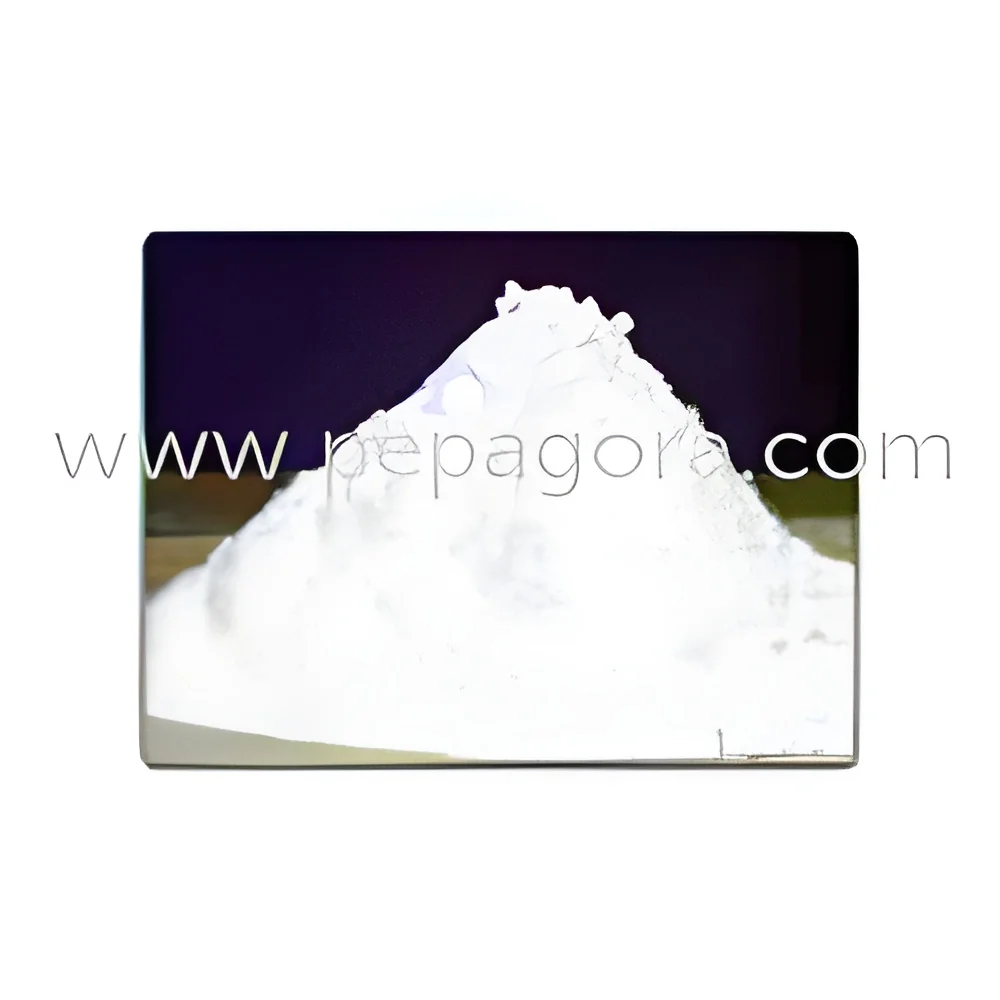
Plaster of Paris (POP) offers several features and specifications that make it a preferred choice across many applications. Its lightweight nature, quick-setting properties, and smooth finish are significant advantages. POP is also highly adaptable, allowing for a variety of finishes depending on the application.
Key specifications include:
1. Composition
- Made from gypsum heated to produce a fine powder
- Rehydrates when mixed with water
2. Setting Time
- Initial setting time ranges from 10 to 15 minutes
- Final setting time can be up to 30 minutes
3. Compressive Strength
- Typically ranges from 3 to 5 MPa
- Suitable for light structural applications
4. Density
- Bulk density usually between 600 to 800 kg/m³
- Lightweight and easy to handle
5. Workability
- Excellent moldability and smooth finish
- Can be carved or painted once set
6. Fire Resistance
- Naturally fire-resistant due to its mineral composition
- Suitable for applications requiring fire safety
7. Sustainability
- Made from natural materials and environmentally friendly
- Recyclable and low in toxic emissions
In summary, Plaster of Paris is a versatile material with specific properties that cater to various business needs, making it a valuable product in many industries.
Common Applications and Use Cases
Plaster of Paris (POP) serves various industries due to its adaptable nature and ease of use.
1. Construction: In the construction industry, POP is commonly used for creating false ceilings, decorative cornices, and wall finishes. Its quick setting time allows for efficient project completion.
2. Art and Sculpture: Artists utilize POP for crafting sculptures and molds. Its ability to take fine details makes it ideal for artistic applications.
3. Interior Design: Designers often use POP for creating intricate wall designs and decorative features in homes and commercial spaces. Its smooth finish enhances aesthetic appeal.
4. Medical Applications: POP is used in orthopedic casts for immobilizing broken bones due to its lightweight and durable nature.
5. Education: In educational settings, POP is often used for craft projects and teaching materials, allowing students to explore their creativity.
6. Theatrical Productions: POP is utilized in creating stage sets and props due to its ease of shaping and painting.
7. Historical Restoration: Restoration experts use POP to replicate historical architectural elements, ensuring authenticity in preservation projects.
Product Variants and Subcategories
Plaster of Paris (POP) comes in various forms to meet different needs across industries.
Standard POP
This is the most commonly used variant, suitable for general applications in construction and art. It is known for its quick setting time and smooth finish, making it ideal for a wide range of projects.
Specialty POP
This variant is formulated for specific applications, such as fire-resistant or moisture-resistant properties. These characteristics make it suitable for use in environments requiring enhanced safety features.
Benefits and Advantages
Plaster of Paris (POP) offers several key benefits that make it a popular choice for businesses.
1. Quick Setting: POP sets rapidly, which reduces downtime in construction and manufacturing processes.
2. Versatility: It can be used in various applications, from construction to artistic endeavors, making it a valuable material.
3. Cost-Effective: The affordability of POP compared to other materials makes it an economical choice for many projects.
4. Lightweight: Its low density makes it easy to handle and transport, which is beneficial in large-scale projects.
5. Smooth Finish: POP provides a fine, smooth surface that enhances the appearance of finished products.
6. Environmentally Friendly: Made from natural materials, POP is a sustainable option that aligns with eco-friendly practices.
Buying Guide for B2B Buyers
When sourcing Plaster of Paris (POP), businesses should consider several essential factors to ensure they make informed purchasing decisions.
1. Quality Assessment: Evaluate the quality of POP based on its setting time, strength, and finish. Ensure it meets industry standards for your specific application.
2. Supplier Verification: Vet suppliers thoroughly by checking references and reviews. This helps in confirming their reliability and the quality of their products.
3. Pricing and MOQ: Understand the pricing structure and minimum order quantities (MOQ) to ensure it aligns with your budget and project requirements.
4. Delivery and Lead Times: Discuss logistics with suppliers to ensure timely delivery. Factor in lead times for large orders to avoid project delays.
5. Compliance Requirements: Ensure that the POP you are sourcing complies with relevant industry standards and regulations, such as safety certifications.
Compliance and Certifications
Plaster of Paris (POP) is subject to various quality standards and certifications that ensure its safety and performance in different applications. Compliance with ISO 9001 is essential, as it guarantees quality management systems are in place for consistent product quality.
Additionally, POP may carry CE certification, indicating that it meets European health, safety, and environmental protection standards. Manufacturers should also adhere to safety and testing requirements to ensure that their products are free from harmful substances.
In different regions, compliance may vary, and businesses should be aware of local regulations that impact the use and sourcing of POP. Understanding these requirements is critical for businesses to ensure they are sourcing compliant and safe products.
Why Source Plaster of Paris (POP) from Pepagora?
Pepagora provides a trusted platform for sourcing Plaster of Paris (POP), offering several key advantages for businesses.
Verified Supplier Network: Pepagora connects buyers with a network of verified suppliers, ensuring that all partners meet high standards of quality and reliability. This reduces the risk associated with sourcing materials and enhances trust in the supply chain.
Streamlined RFQ Process: The request for quotation (RFQ) system on Pepagora simplifies the procurement process. Buyers can easily request quotes from multiple suppliers, allowing for quick comparisons and informed decision-making.
Trade Assurance and Support: Pepagora offers trade assurance and support services that protect buyers throughout the procurement process. This includes assistance with disputes and ensuring that products meet the agreed-upon specifications.
Regional Coverage: Pepagora's extensive reach includes suppliers across India, the GCC, and Southeast Asia, providing access to a diverse range of products and suppliers. This regional coverage facilitates sourcing for businesses operating in various markets.

 IN
IN