What are Petrochemical Waste & Byproducts?
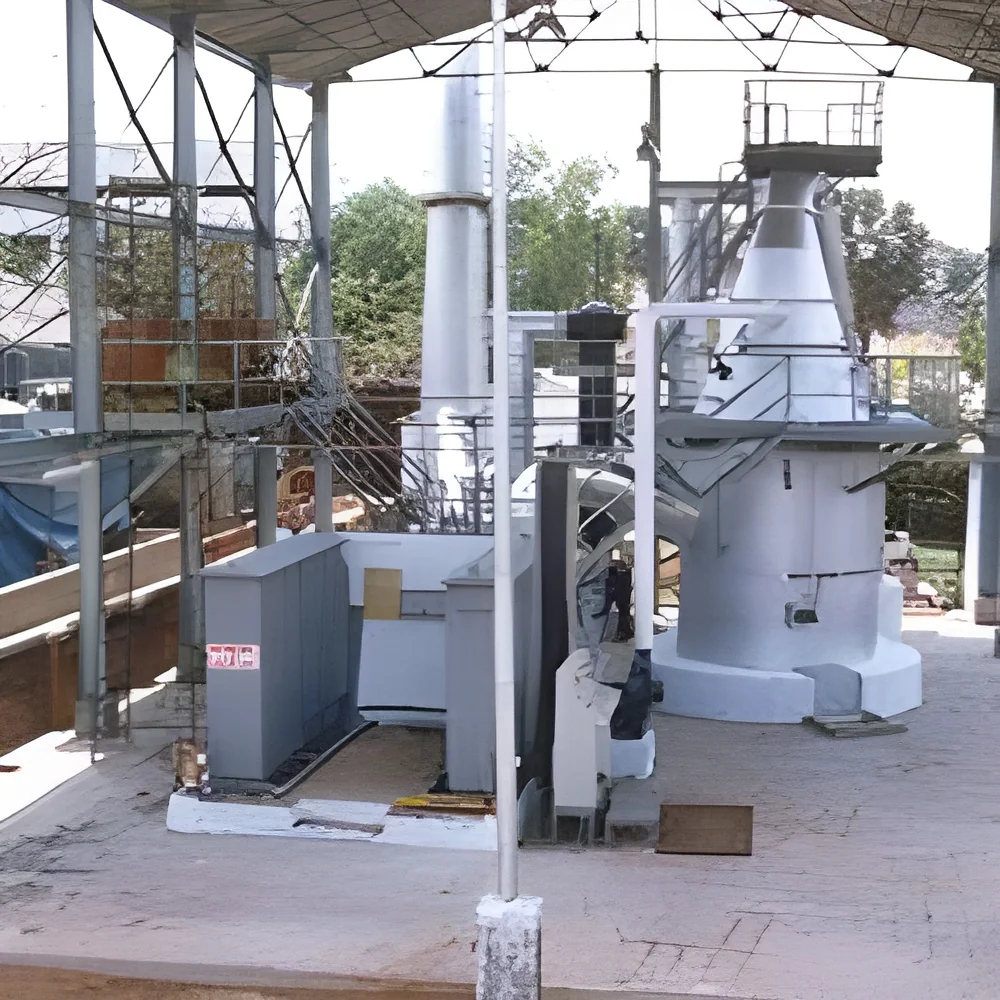
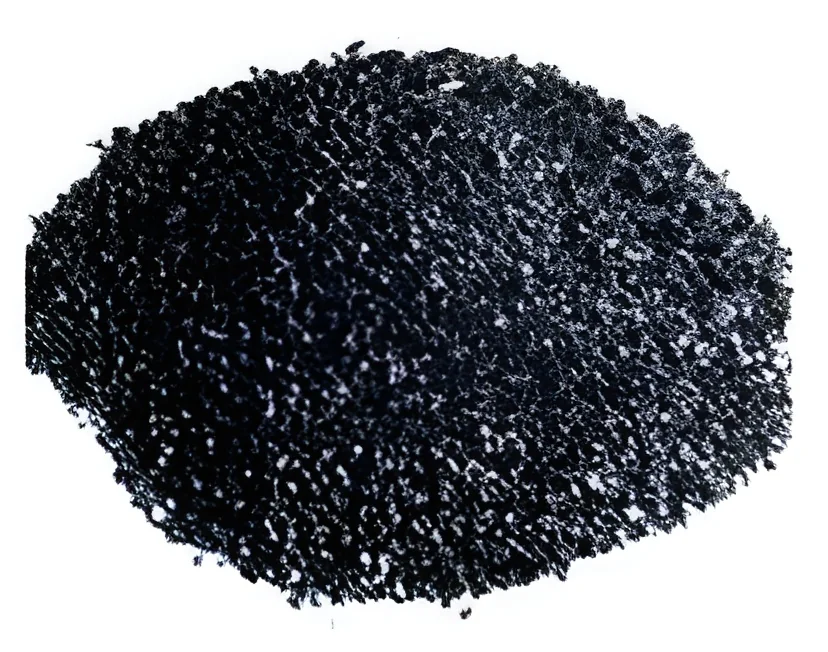
Petrochemical waste and byproducts refer to the residual materials generated during the production and processing of petrochemical products. These materials can include a variety of substances such as spent catalysts, wastewater, sludges, and other chemical residues. Understanding these byproducts is essential for companies in the petrochemical sector, as it helps in managing waste effectively and finding opportunities for recycling or repurposing.
The primary uses of petrochemical waste and byproducts are in energy recovery, recycling, and as raw materials in other industrial processes. Businesses utilize these byproducts to reduce operational costs and minimize environmental impact. For example, certain waste materials can be transformed into energy sources or used in the production of commercial products, thereby contributing to a circular economy.
In the context of the petrochemical industry, managing waste and byproducts is increasingly relevant due to growing environmental regulations and the industry's push towards sustainability. Companies are now focusing on innovative solutions to treat and repurpose these materials, enhancing their overall efficiency and compliance with regulations.
Key Features and Specifications
Petrochemical waste and byproducts have several critical features and specifications that vary depending on the type of waste material and its intended use. Understanding these specifications is vital for businesses looking to incorporate these materials into their operations.
Key specifications include:
1. Chemical Composition
- Varies based on the source of the petrochemical process
- Can include hydrocarbons, heavy metals, and other organic compounds
2. Physical Properties
- Examples include viscosity, density, and phase (solid, liquid, or gas)
- These properties influence handling and processing methods
3. Hazardous Material Classification
- Determines if the waste is classified as hazardous or non-hazardous
- Influences disposal and treatment requirements
4. Recyclability Potential
- Assessment of the ability to recycle or repurpose the waste
- Important for sustainability initiatives
5. Environmental Impact
- Evaluation of the potential ecological consequences of waste disposal
- Relevant for compliance with environmental regulations
6. Treatment Methods
- Various methods available, such as incineration, chemical treatment, or biological processes
- Selection depends on the waste type and regulatory standards
7. Regulatory Compliance Standards
- Adherence to local and international regulations governing waste management
- Essential for avoiding penalties and ensuring safe handling
8. Market Value
- Economic considerations regarding the sale or disposal of byproducts
- Factors in the potential revenue generated from waste materials
Understanding these specifications helps businesses make informed decisions on managing petrochemical waste and byproducts effectively.
Common Applications and Use Cases
Petrochemical waste and byproducts find applications across various industries, serving as valuable resources in many contexts.
1. Energy Sector: Waste materials can be converted into alternative fuels, providing a cost-effective energy source for power generation.
2. Chemical Manufacturing: Certain byproducts can serve as feedstock for producing new chemicals, helping to optimize resource use and reduce costs.
3. Construction Industry: Recycled petrochemical products can be utilized in the construction of roads and other infrastructure, contributing to sustainable building practices.
4. Agriculture: Some treated byproducts may be used as fertilizers or soil amendments, supporting agricultural productivity.
5. Water Treatment: Wastewater generated in petrochemical processes can be treated and reused, reducing the demand for fresh water.
6. Automotive: Byproducts can be refined and used in the manufacturing of synthetic lubricants and other automotive fluids.
7. Plastics Recycling: Certain waste streams can be processed into raw materials for producing recycled plastics, promoting a circular economy.
Product Variants and Subcategories
Petrochemical waste and byproducts exhibit diversity in their forms and applications, catering to various industrial needs.
Variant 1: Spent Catalysts
Spent catalysts are used in petrochemical refining processes. These materials can be recovered and regenerated, providing significant cost savings and reducing environmental impact.
Variant 2: Wastewater
Wastewater produced during petrochemical operations can be treated and reused in various applications. Advanced purification techniques help in recycling this resource for industrial use.
Variant 3: Sludge
Sludge from petrochemical processes can be processed to extract valuable materials or generate energy. This variant is crucial for minimizing landfill use and promoting sustainability.
Variant 4: Chemical Residues
Chemical residues often contain valuable components that can be recovered. These residues can provide feedstock for other industries, enhancing resource efficiency.
Benefits and Advantages
Sourcing petrochemical waste and byproducts offers numerous advantages for businesses looking to enhance their operational efficiency.
1. Cost Reduction: Utilizing waste materials can significantly lower production costs, especially when these byproducts replace traditional raw materials.
2. Environmental Compliance: Proper management of waste helps companies meet regulatory requirements, reducing the risk of penalties and enhancing corporate reputation.
3. Resource Efficiency: Repurposing byproducts contributes to a circular economy, maximizing the use of available resources and minimizing waste.
4. Innovation Opportunities: Exploring the potential of waste materials can lead to the development of new products and technologies, fostering industry innovation.
5. Energy Recovery: By converting waste into energy, companies can reduce reliance on fossil fuels and lower their carbon footprint.
6. Brand Image: Companies that actively manage waste and promote sustainability can improve their brand image and appeal to environmentally conscious consumers.
Buying Guide for B2B Buyers
When sourcing petrochemical waste and byproducts, buyers should consider several key factors to ensure effective procurement.
1. Quality Assessment: Evaluate the quality of waste materials based on chemical composition, physical properties, and treatment methods. High-quality materials are essential for successful applications.
2. Supplier Verification: Conduct thorough vetting of suppliers to ensure reliability and compliance with industry standards. Verify certifications and track records before making commitments.
3. Pricing and MOQ: Understand the pricing structures and minimum order quantities (MOQ) associated with different types of byproducts. Consider total cost implications for your operations.
4. Delivery and Lead Times: Assess the logistics involved in sourcing these materials, including delivery schedules and potential lead times. Timely delivery is crucial for maintaining production efficiency.
5. Compliance Requirements: Ensure that the sourced materials meet local and international regulations. This includes understanding hazardous material classifications and environmental compliance standards.
Compliance and Certifications
Compliance is a crucial aspect of managing petrochemical waste and byproducts. Relevant quality standards, such as ISO 9001, ensure that companies maintain effective quality management systems. These standards help organizations streamline their processes and enhance customer satisfaction.
Industry certifications, including CE marking, indicate compliance with essential safety and performance requirements. Companies must ensure that their waste management practices adhere to these standards to mitigate risks and enhance operational credibility.
Safety and testing requirements are vital for handling petrochemical waste. Rigorous testing protocols are necessary to ensure that byproducts do not pose risks to health or the environment. Companies must also stay informed about regional compliance considerations, as regulations can vary significantly by geographic area.
Why Source Petrochemical Waste & Byproducts from Pepagora?
Pepagora provides a trusted platform for sourcing petrochemical waste and byproducts, offering several key advantages to businesses.
Verified Supplier Network: Pepagora connects buyers with a network of verified suppliers. This network ensures that companies can source high-quality materials from reliable partners, reducing procurement risks.
Streamlined RFQ Process: The platform features a streamlined request for quotation (RFQ) process, allowing buyers to receive competitive bids quickly. This efficiency helps businesses make informed purchasing decisions.
Trade Assurance and Support: Buyers benefit from trade assurance programs that protect their transactions. Pepagora offers support throughout the procurement process, ensuring a smooth experience.
Regional Coverage: With a strong presence in India, the GCC, and Southeast Asia, Pepagora provides extensive regional coverage. This geographic reach enables businesses to access diverse suppliers and materials, enhancing sourcing flexibility.

 IN
IN
 India
India