Key Features and Specifications
Isopropyl Alcohol is characterized by a range of features and specifications that make it suitable for diverse applications. Its versatility stems from its chemical properties, which include a high evaporation rate and compatibility with various materials.
Key specifications include:
1. Purity Level
- Typically available in concentrations ranging from 70% to 99%
- Higher concentrations provide stronger solvent properties
2. Appearance
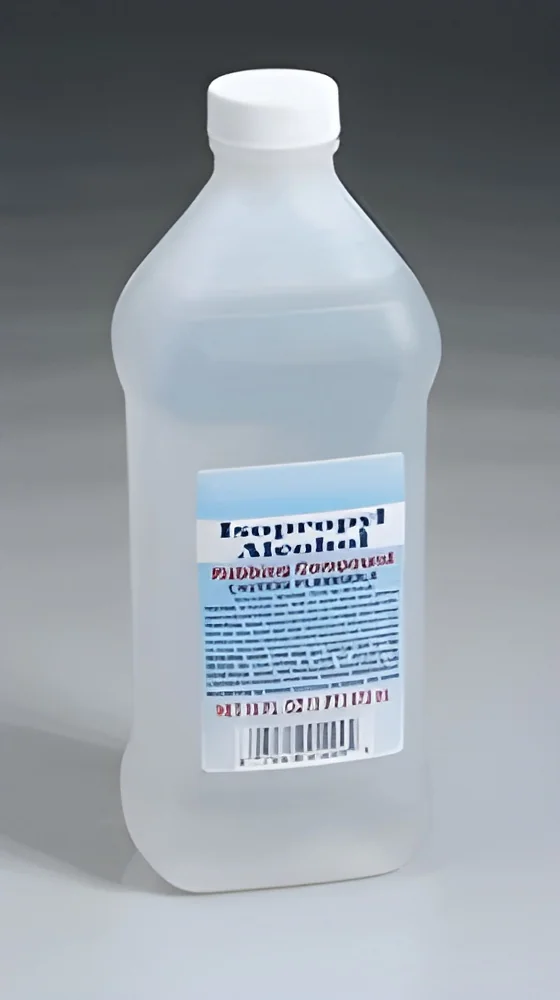
- Clear and colorless liquid
- Characteristic odor indicative of alcohol
3. Boiling Point
- Approximately 82.6 degrees Celsius (180.7 degrees Fahrenheit)
- Essential for applications requiring evaporation
4. Flash Point
- Approximately 11.7 degrees Celsius (53.1 degrees Fahrenheit)
- Important for handling and storage safety
5. Density
- Around 0.785 g/cm³
- Influences formulation and mixing capabilities
6. Solubility
- Completely miscible with water, ethanol, and ether
- Enhances its effectiveness as a cleaning agent
7. Shelf Life
- Typically stable for several years when stored properly
- Requires appropriate storage conditions to maintain effectiveness
8. Chemical Classification
- Classified as a primary alcohol
- Important for regulatory and safety considerations
In summary, Isopropyl Alcohol is a versatile chemical compound with several specifications that cater to various industrial and commercial needs. Its effectiveness as a solvent and disinfectant makes it invaluable in multiple applications.
Common Applications and Use Cases
Isopropyl Alcohol serves various industries, each utilizing its unique properties to meet specific needs.
1. Healthcare: IPA is widely used for disinfecting medical instruments and cleaning surfaces in hospitals and clinics to maintain hygiene standards.
2. Pharmaceuticals: In the pharmaceutical industry, IPA is used as a solvent for drug formulations and as a cleaning agent in production areas.
3. Electronics: IPA is essential for cleaning electronic components and circuit boards, effectively removing dust and contaminants without leaving residues.
4. Automotive: In the automotive sector, it is used for cleaning parts and as a solvent for adhesives and coatings.
5. Personal Care: IPA is commonly found in hand sanitizers, lotions, and skin care products due to its antiseptic properties.
6. Food Industry: It is used in food processing facilities for equipment sanitation and ensuring compliance with hygiene regulations.
7. Laboratory: In laboratories, IPA is utilized for cleaning glassware and as a solvent for various chemical reactions.
Product Variants and Subcategories
Isopropyl Alcohol comes in different concentrations and formulations to suit various applications. Each variant offers unique features tailored to specific industry needs.
70% Isopropyl Alcohol
This variant is commonly used for disinfecting surfaces and skin. The 70% concentration is effective in killing bacteria and viruses while minimizing evaporation, allowing for better contact time.
99% Isopropyl Alcohol
This higher concentration is utilized primarily as a solvent in industrial applications. It is effective for cleaning electronics and tools, providing a quick-drying solution with minimal residue.
Benefits and Advantages
Isopropyl Alcohol offers several benefits that make it a preferred choice across various sectors.
1. Effective Disinfectant: IPA is proven to kill a wide range of bacteria, viruses, and fungi, making it essential for maintaining hygiene.
2. Rapid Evaporation: Its quick-drying properties reduce downtime and enhance the efficiency of cleaning processes.
3. Versatile Solvent: IPA can dissolve many substances, making it suitable for various applications in industries like pharmaceuticals and electronics.
4. Low Toxicity: Compared to other solvents, IPA has low toxicity levels, allowing for safer handling and use in consumer products.
5. Cost-Effective: Its widespread availability and effectiveness make IPA a cost-efficient choice for businesses.
6. Easy to Use: Isopropyl Alcohol can be applied effortlessly in both liquid and aerosol forms, catering to different user preferences.
Buying Guide for B2B Buyers
When sourcing Isopropyl Alcohol (IPA), businesses should consider several key factors to ensure they make informed purchasing decisions.
1. Quality Assessment: Evaluate the purity and concentration levels of IPA. Look for products that meet industry standards to ensure effectiveness.
2. Supplier Verification: Research potential suppliers to confirm their reliability and reputation in the market. Request references and certifications where applicable.
3. Pricing and MOQ: Compare prices among different suppliers and consider minimum order quantities to find a balance between cost and supply needs.
4. Delivery and Lead Times: Discuss logistics and expected lead times with suppliers to ensure timely delivery that aligns with production schedules.
5. Compliance Requirements: Ensure that the product meets relevant regulatory standards and safety guidelines to comply with industry requirements.
Compliance and Certifications
Isopropyl Alcohol must adhere to various quality and safety standards to ensure its effectiveness and safety in applications. Key compliance standards include ISO 9001 for quality management systems, which ensures consistent product quality.
Industry certifications, such as CE marking, indicate compliance with European safety, health, and environmental protection standards.
Safety and testing requirements are crucial for ensuring that the product is safe for use in various applications, particularly in healthcare and food industries.
Regional compliance considerations may vary, so it is essential to understand the specific regulations that apply in different markets, such as the FDA regulations in the United States.
Why Source Isopropyl Alcohol (IPA) from Pepagora?
Pepagora provides a trusted platform for sourcing Isopropyl Alcohol (IPA) with several key advantages.
Verified Supplier Network: Pepagora connects buyers with suppliers who have been thoroughly vetted, ensuring that businesses can source quality products with confidence.
Streamlined RFQ Process: The request for quotation (RFQ) system simplifies the procurement process, allowing buyers to easily compare offers from multiple suppliers.
Trade Assurance and Support: Pepagora offers buyer protection, ensuring that transactions are secure and that businesses receive the support they need throughout the sourcing process.
Regional Coverage: With a focus on regions such as India, the GCC, and Southeast Asia, Pepagora provides extensive geographic reach, connecting buyers with local suppliers to facilitate timely delivery and reduced shipping costs.

 IN
IN