
 IN
Ethylene
3 products available
What are Ethylene?
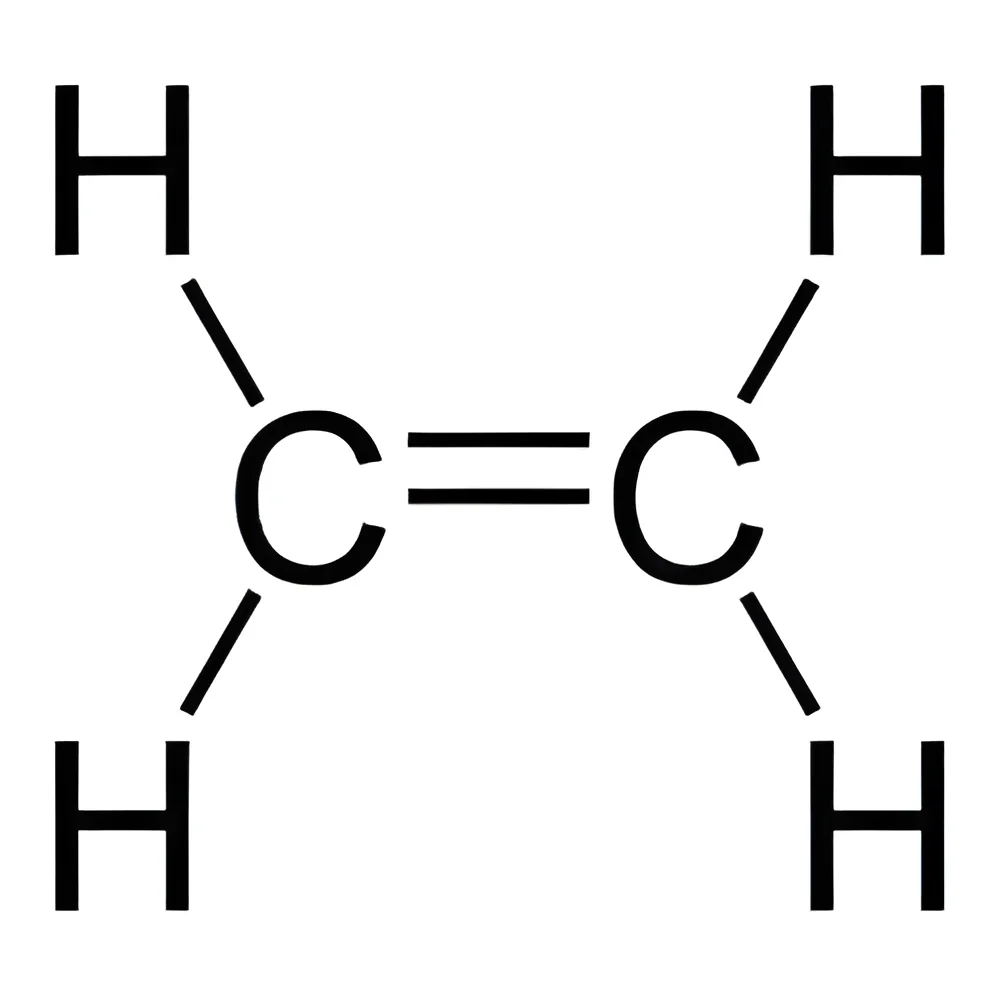
Ethylene is a colorless, flammable gas with a sweet odor, primarily known for its role as a key raw material in the production of various industrial chemicals and plastics. It is classified as an alkene, characterized by its double bond between two carbon atoms. Ethylene is produced through the cracking of hydrocarbons, and it serves as a fundamental building block in organic chemistry.
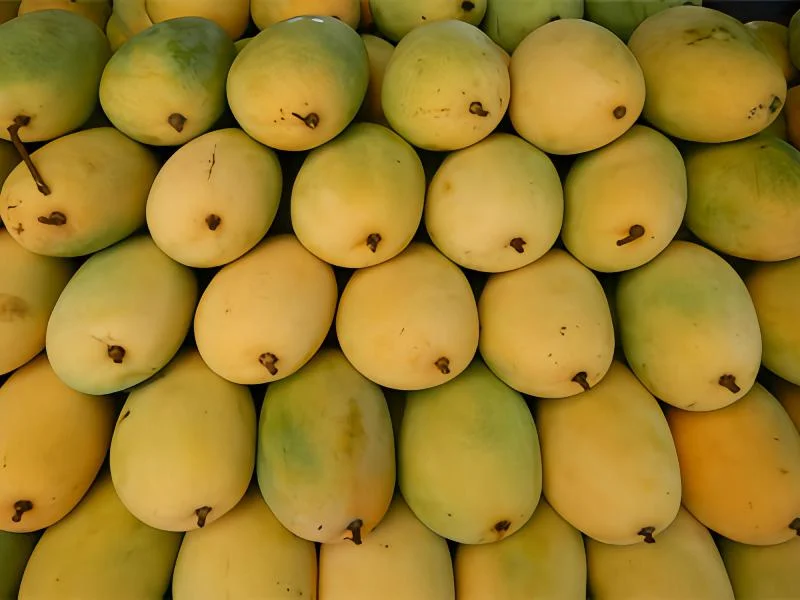
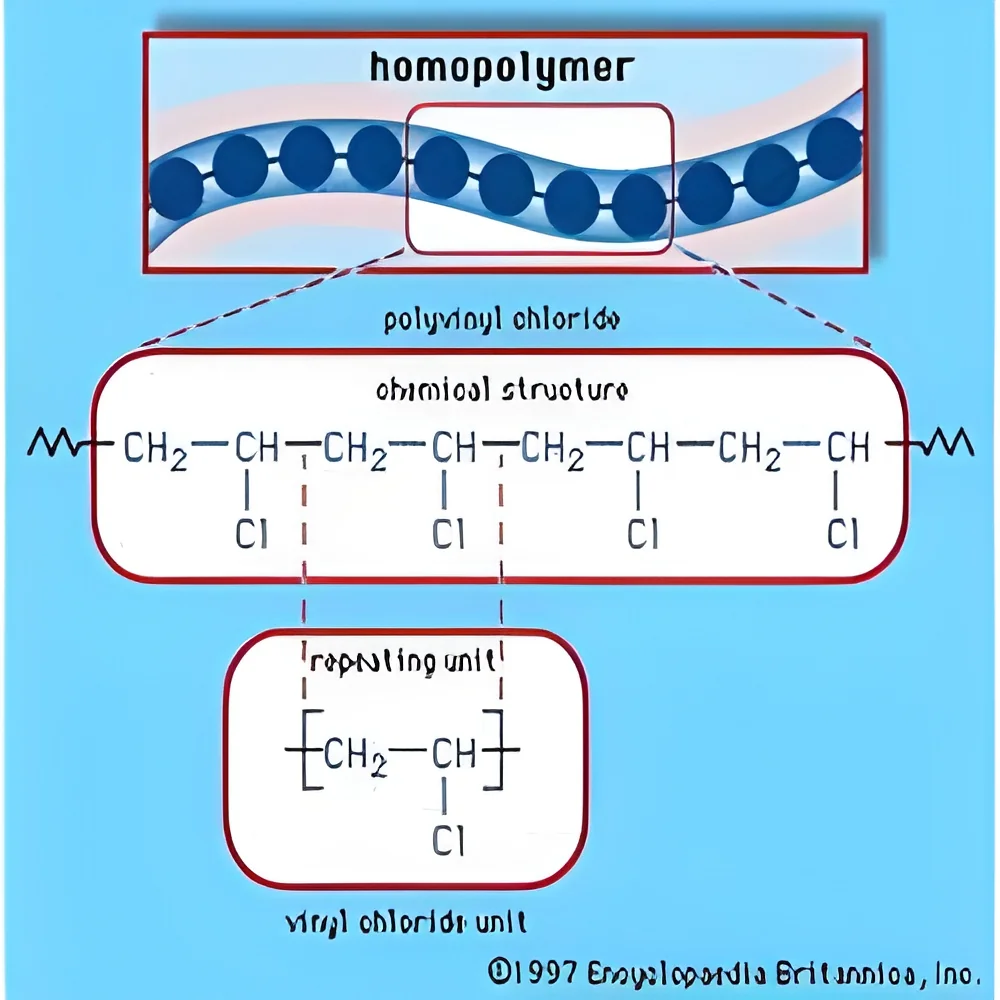
The primary uses of ethylene are found in the manufacturing of polyethylene, one of the world's most widely used plastics. It is also essential in producing other chemicals, such as ethylene glycol and ethylene oxide. Ethylene plays a significant role in the agriculture sector as well, where it is utilized as a plant hormone to promote the ripening of fruits. Its relevance in multiple industries underscores its importance in the global market, with consistent demand driving production and innovation.
Key Features and Specifications
Ethylene is characterized by several key features and specifications that define its applications and suitability for various uses. Understanding these specifications is crucial for businesses looking to incorporate ethylene into their processes.
Key specifications include:
1. Chemical Composition
- Ethylene is comprised of two carbon atoms and four hydrogen atoms (C2H4).
- It is produced through steam cracking of hydrocarbons.
2. Purity Levels
- Industrial grade ethylene typically has a purity level of 99.5% or higher.
- Higher purity levels are available for specialized applications.
3. Physical State
- Ethylene is a gas at room temperature and pressure.
- It can be liquefied under pressure or at low temperatures.
4. Boiling Point
- The boiling point of ethylene is approximately -103.7 degrees Celsius.
- This low boiling point allows for easy storage and transport in liquid form.
5. Flammability
- Ethylene is highly flammable and requires proper handling and storage.
- It has a flash point of -20.8 degrees Celsius.
6. Density
- The density of ethylene gas at standard conditions is about 1.178 kg/m³.
- Liquid ethylene has a density of approximately 600 kg/m³.
7. Solubility
- Ethylene is slightly soluble in water but highly soluble in organic solvents.
- Its solubility characteristics are important for chemical reactions.
8. Reactivity
- Ethylene can undergo various reactions, including polymerization and oxidation.
- Its reactivity is leveraged in the production of many chemical derivatives.
Understanding these key specifications allows businesses to make informed decisions about the use of ethylene in their operations.
Common Applications and Use Cases
Ethylene serves various industries, each leveraging its unique properties for distinct applications.
1. Plastics Industry: Ethylene is primarily used in the production of polyethylene, which is found in countless consumer goods, packaging materials, and construction products.
2. Chemical Manufacturing: It is a precursor for many chemicals, including ethylene glycol, utilized in antifreeze, and ethylene oxide, which is used in producing detergents.
3. Agriculture: Ethylene acts as a plant hormone, facilitating the ripening process of fruits and vegetables, thus enhancing agricultural productivity.
4. Textile Industry: Ethylene is used to create fibers and fabrics, including polyester, which is widely used in clothing and upholstery.
5. Automotive Sector: Ethylene derivatives are used in producing components such as rubber and plastics for vehicles.
6. Food Preservation: Ethylene control is crucial in food storage and transportation to manage ripening and extend shelf life.
7. Pharmaceutical Industry: Ethylene is involved in the synthesis of various pharmaceutical compounds, highlighting its versatility.
Product Variants and Subcategories
Although specific subcategories of ethylene are not available, the diversity of ethylene applications leads to variations in its use across different industries.
Liquid Ethylene
Liquid ethylene is stored under pressure and is used in applications requiring high purity levels. It is essential for processes that involve polymerization and the production of specialty chemicals.
Gas Ethylene
Gas ethylene is primarily used in its gaseous form for applications in agriculture and fruit ripening. It is also utilized in the chemical manufacturing industry for various synthesis processes.
Benefits and Advantages
Ethylene offers several benefits that make it a preferred choice in various applications.
1. Versatility: Ethylene can be converted into a wide range of chemicals and materials, making it highly versatile for different industries.
2. Cost-Effectiveness: The production of ethylene is efficient, contributing to lower costs in manufacturing processes.
3. Environmental Considerations: Ethylene is a cleaner alternative compared to other fossil fuels, with lower emissions when used in combustion processes.
4. High Demand: Its widespread use in various sectors ensures a steady market demand, providing stability for businesses involved in its production or use.
5. Innovation Potential: Continuous research and development in ethylene applications lead to innovative products and processes, enhancing operational efficiency.
Buying Guide for B2B Buyers
When sourcing ethylene, businesses should consider several key factors to ensure they make informed purchasing decisions.
1. Quality Assessment: Evaluate the purity levels and chemical composition of ethylene to ensure it meets the specific requirements for your application.
2. Supplier Verification: Vet suppliers for reliability and reputation in the industry. Look for certifications and past performance to gauge their credibility.
3. Pricing and MOQ: Understand the pricing structure and minimum order quantities (MOQ) to align with budget constraints and operational needs.
4. Delivery and Lead Times: Assess the supplier's logistics capabilities to ensure timely delivery of ethylene, which is critical for maintaining production schedules.
5. Compliance Requirements: Be aware of regulatory standards that apply to ethylene, including safety and environmental regulations that may impact sourcing decisions.
Compliance and Certifications
Ethylene is subject to various compliance and certification standards that ensure safety and quality across industries.
Relevant quality standards include ISO 9001, which focuses on quality management systems, ensuring that suppliers maintain high standards in production and handling.
Industry certifications such as CE indicate compliance with European safety requirements. This certification is crucial for businesses operating within the European market.
Safety and testing requirements are paramount when dealing with flammable gases like ethylene. Regular safety audits and adherence to industry protocols help mitigate risks associated with its use.
Additionally, regional compliance considerations must be taken into account, as different countries may have specific regulations governing the production, transportation, and use of ethylene.
Why Source Ethylene from Pepagora?
Pepagora provides a trusted platform for sourcing ethylene, offering several key advantages that cater to B2B buyers.
Verified Supplier Network: Pepagora connects buyers with a network of verified suppliers, ensuring that all vendors meet stringent quality and safety standards. This verification process builds trust and reliability in sourcing.
Streamlined RFQ Process: The Request for Quotation (RFQ) system is designed to simplify the sourcing process. Buyers can easily compare quotes from multiple suppliers, allowing for informed decision-making based on pricing, quality, and delivery capabilities.
Trade Assurance and Support: Pepagora offers trade assurance features that protect buyers throughout the transaction process. This support includes mediation services and guarantees that enhance buyer confidence.
Regional Coverage: With a strong presence in regions such as India, the Gulf Cooperation Council (GCC), and Southeast Asia, Pepagora ensures comprehensive geographic coverage. This reach facilitates efficient sourcing and logistics solutions tailored to various market needs.


Frequently Asked Questions
What are Ethylene?
Ethylene is a colorless gas with a sweet odor and taste, primarily used in the production of various chemicals and plastics. It is a vital building block in the petrochemical industry and is most known for its role in the manufacturing of polyethylene.
What are the different types of Ethylene?
There are several types of Ethylene, including high-density polyethylene (HDPE), low-density polyethylene (LDPE), and linear low-density polyethylene (LLDPE). Each type varies in properties and applications, catering to different industrial needs.
How do I choose the right Ethylene?
Selecting the right Ethylene depends on the intended application and required properties. Factors such as density, molecular weight, and compatibility with other materials should be considered when making your choice.
What are the standard specifications for Ethylene?
Standard specifications for Ethylene typically include purity levels, vapor pressure, and specific gravity. These specifications may vary based on the intended use, so it is important to consult technical data sheets provided by manufacturers.
What is the price range for Ethylene?
The price of Ethylene can vary significantly based on market conditions, purity levels, and supplier pricing strategies. Generally, it ranges from a few hundred to several thousand rupees per ton in India.
What quality standards apply to Ethylene?
Ethylene is subject to various quality standards, including those set by organizations such as ASTM and ISO. Compliance with these standards ensures that the product meets safety and performance requirements for industrial applications.
Where can I find Ethylene suppliers in India?
Ethylene suppliers in India can be found through online B2B marketplaces, industry directories, and chemical supply companies. Platforms like Pepagora offer a comprehensive list of verified suppliers and manufacturers.
Can Ethylene be customized?
Yes, Ethylene can be customized to meet specific requirements, including different grades and formulations. Manufacturers may offer tailored solutions based on the needs of various industries.
What is the typical minimum order quantity for Ethylene?
The minimum order quantity (MOQ) for Ethylene varies by supplier and is typically set to optimize production and shipping efficiency. It can range from a few hundred kilograms to several tons, depending on the supplier's policy.
What is the typical lead time for Ethylene?
The typical lead time for Ethylene delivery can vary based on the supplier, order volume, and logistical factors. Generally, lead times can range from a few days to several weeks, so it is advisable to confirm with the supplier.
Why Businesses Trust Pepagora
Thousands of companies trust Pepagora to source smarter and sell faster
Expand Your Sales Globally

Source Smarter,Grow Faster
