IN
IN₹
Apparel & Fashion
Description
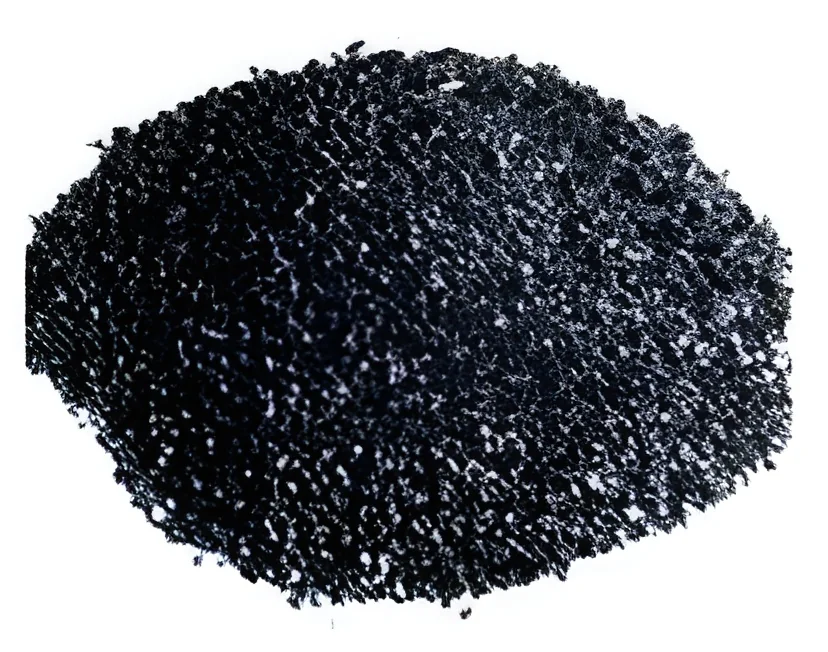
Industrial calcined petroleum coke represents a premium carbon material produced through sophisticated thermal treatment in rotational kilns at extreme temperatures of 1400-1500°C. This precise calcination process eliminates volatile matter while enhancing fixed carbon content, resulting in a consistent industrial material with optimal crystalline structure development. The material meets rigorous quality standards, offering reliable performance for applications where carbon purity and structural integrity are critical success factors. This high-temperature processing creates a superior alternative to conventional carbon sources, providing industrial users with material engineered for demanding thermal and chemical environments.

This specialized material finds extensive application across multiple heavy industries with specific requirements for carbon content and purity. In steel manufacturing, it serves as an efficient recarburizer in electric arc furnaces, precisely controlling carb...
Industrial calcined petroleum coke represents a premium carbon material produced through sophisticated thermal treatment in rotational kilns at extreme temperatures of 1400-1500°C. This precise calcination process eliminates volatile matter while enhancing fixed carbon content, resulting in a consistent industrial material with optimal crystalline structure development. The material meets rigorous quality standards, offering reliable performance for applications where carbon purity and structural integrity are critical success factors. This high-temperature processing creates a superior alternative to conventional carbon sources, providing industrial users with material engineered for demanding thermal and chemical environments.

This specialized material finds extensive application across multiple heavy industries with specific requirements for carbon content and purity. In steel manufacturing, it serves as an efficient recarburizer in electric arc furnaces, precisely controlling carbon levels in molten metal. The aluminum industry relies on it for anode production in smelting operations, where consistent quality directly impacts production efficiency. Titanium dioxide producers utilize it as a reductant in chloride process pigment manufacturing, while battery manufacturers depend on its conductive properties for dry cell production. Additional industrial applications include cement manufacturing, where its high calorific value makes it an effective fuel alternative, and foundry operations requiring precise carbon addition for metal quality control.

For industrial buyers and importers, this petroleum coke delivers significant value through enhanced process efficiency and reduced operational costs. The material's consistent quality ensures predictable outcomes in manufacturing processes, minimizing production rejects and operational downtime. Reliability stems from strict quality control measures throughout production, with material properties precisely engineered to meet specific industry requirements. The product's performance characteristics provide users with improved manufacturing economics through better process control, reduced energy consumption, and enhanced final product quality across various industrial applications.

Key Features:
- Calcined at precise high temperatures of 1400-1500°C for optimal carbon structure
- Customizable particle sizing to meet specific application requirements
- Low volatile matter content ensuring consistent performance in high-temperature processes
- High fixed carbon content typically exceeding 98% for superior efficiency
- Controlled sulfur content options available for different industrial applications

Benefits:
- Enhanced process efficiency through consistent high-carbon content material
- Reduced operational costs via predictable performance and minimal rejects
- Improved manufacturing outcomes with precise carbon control in metallurgical processes
- Reliable supply of quality material engineered for demanding industrial applications
- Versatile application across multiple industries with specific carbon requirements
Specifications
| Additional Information | |
|---|---|
| Country of Origin | India |
Application
This high-carbon material serves as an essential component in metallurgical processes, particularly as a recarburizer in steel production and as anode material in aluminum smelting. Its consistent quality and high calorific value make it a preferred industrial reductant for operations requiring efficiency and predictable outcomes in large-scale manufacturing environments.
The material is extensively utilized across multiple heavy industries including titanium dioxide production, dry cell battery manufacturing, and as a fuel source in cement kilns. Its specific properties allow precise adaptation to various high-temperature applications, reducing operational costs while maintaining optimal performance standards for industrial users who prioritize material reliability and consistency.
- Primary carbon anode material in aluminum smelting electrolysis processes
- Recarburizing agent in steel production to enhance carbon content in molten iron
- Fuel source in cement kilns and power plants due to high energy value
- Essential reductant in titanium dioxide pigment manufacturing via chloride process
- Critical component in dry cell battery production for cathode conductivity
Trade Details
| Available Stock | In Stock |
| Sample Availability | No |
Payment Terms
| Payment Terms |
|
Company Profile
Calcium & Minerals India, New Delhi
 New Delhi, India
New Delhi, IndiaRaw Materials & Chemicals•Manufacturer•Importer / Exporter
Factory Details
Factory SizeBelow 1000 sqm
Annual Production Capacity0
Industrial Calcined Petroleum Coke For Steel Aluminum Smelting
Industrial calcined petroleum coke processed at 1400-1500°C delivers superior carbon content for steel and aluminum smelting, ensuring reliable performance in demanding metallurgical applications.
Min. Order Quantity: 1 unit
Shipping
Shipping fee and delivery date to be negotiated. Contact supplier now for more details.
Calcium & Minerals India
 New Delhi, India
New Delhi, IndiaRaw Materials & ChemicalsManufacturer