What are Butanol?
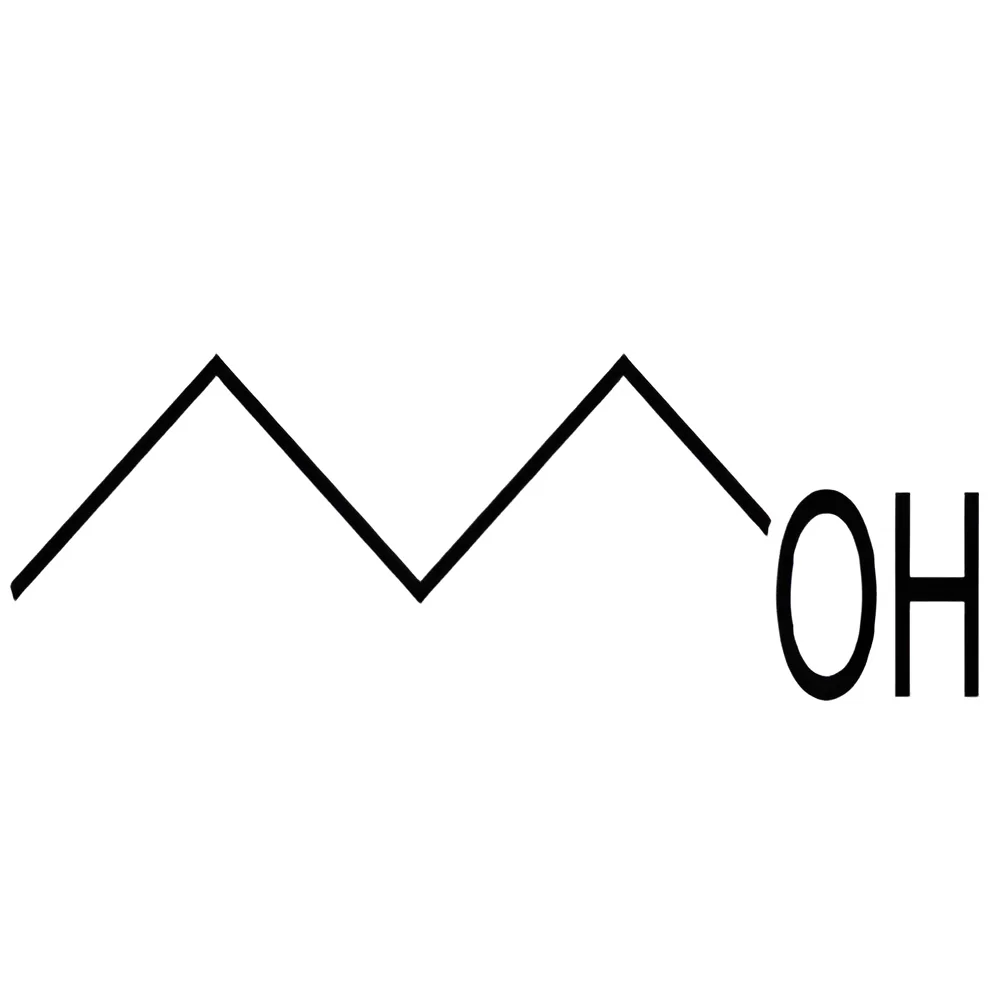
Butanol is a colorless, flammable liquid with a characteristic alcohol odor. It is a four-carbon straight-chain alcohol that exists in several isomeric forms, including n-butanol, isobutanol, sec-butanol, and tert-butanol. Butanol is primarily produced through the fermentation of sugars or by the petrochemical process. Its chemical formula is C4H10O, and it is soluble in water and various organic solvents.
In terms of applications, butanol is widely used in the production of solvents, plastics, and pharmaceuticals. It serves as an important intermediate in the manufacture of butyl acrylate and butyl acetate, which are used in paints, coatings, and adhesives. Additionally, butanol functions as a fuel additive to improve octane ratings in gasoline and is also utilized in the food industry as a flavoring agent. The market for butanol is growing steadily, driven by increasing demand in various industrial sectors.
Key Features and Specifications
Butanol is known for its versatile properties, making it suitable for a range of applications. It has a moderate boiling point and provides effective solvent capabilities. The specifications of butanol are crucial for industries that require precise formulations.
Key specifications include:
1. Purity Level
- Typically above 99%
- Ensures high-quality performance in applications
2. Density
- Approximately 0.810 g/cm³ at 20°C
- Important for accurate mixing and formulation
3. Boiling Point
- Around 117.7°C
- Essential for applications that involve heating
4. Flash Point
- Approximately 35°C
- Indicates safe handling and storage requirements
5. Viscosity
- About 3.9 mPa·s at 20°C
- Relevant for processing and formulation
6. Solubility
- Miscible with water and many organic solvents
- Enhances its usability in various chemical processes
7. Odor
- Characteristic alcohol scent
- Important for applications in the food and beverage industry
In summary, butanol's key features and specifications make it a valuable component in numerous industrial applications.
Common Applications and Use Cases
Butanol finds extensive use across various industries due to its unique chemical properties.
1. Chemical Manufacturing: In this sector, butanol is used as a solvent and intermediate in the production of various chemicals, including butyl acrylate and butyl acetate.
2. Paints and Coatings: Butanol serves as a solvent in the formulation of paints and coatings, improving their application properties and drying times.
3. Pharmaceuticals: It is utilized in the pharmaceutical industry as a solvent and excipient in drug formulations.
4. Food Industry: Butanol is occasionally used as a flavoring agent and processing aid in food production.
5. Automotive: In the automotive sector, butanol acts as a fuel additive, enhancing the octane rating of gasoline.
6. Adhesives: Butanol is incorporated into adhesive formulations to improve performance and stability.
7. Textiles: It is used in textile processing as a solvent and finishing agent.
Product Variants and Subcategories
Butanol is available in several forms, each tailored for specific applications.
n-Butanol
This linear form of butanol is widely used as a solvent in paints, coatings, and adhesives. Its properties make it an effective intermediate in chemical synthesis.
Isobutanol
Isobutanol is often used as a feedstock in the production of isobutylene, which is crucial for manufacturing various chemicals, including fuels and plastics.
sec-Butanol
This variant is mainly used in the production of solvents and as an intermediate in the synthesis of other chemicals.
tert-Butanol
Often used as a solvent and in chemical synthesis, tert-butanol has unique properties that make it suitable for specific applications in the laboratory and industry.
Benefits and Advantages
Sourcing butanol offers several benefits for businesses in various industries.
1. Versatility: Butanol's ability to act as a solvent, fuel additive, and chemical intermediate makes it suitable for multiple applications.
2. High Purity: Most commercially available butanol is of high purity, ensuring consistent performance in formulations.
3. Cost-Effectiveness: Butanol is generally available at competitive prices, making it an economically viable choice for manufacturers.
4. Performance Enhancement: As a solvent, butanol improves the efficacy of formulations in paints, coatings, and adhesives.
5. Environmentally Friendly: Compared to some other solvents, butanol has a lower environmental impact, making it a more sustainable choice.
6. Ease of Handling: Butanol's physical properties allow for straightforward handling and storage, reducing logistical challenges.
Buying Guide for B2B Buyers
When sourcing butanol, it is essential to consider several factors to ensure quality and reliability.
1. Quality Assessment: Verify the purity and specifications of butanol to meet your application requirements. Look for suppliers who provide detailed product information and quality certificates.
2. Supplier Verification: Ensure suppliers are reputable and experienced in the industry. Check for certifications and customer reviews to gauge reliability.
3. Pricing and MOQ: Understand the market pricing for butanol and inquire about minimum order quantities. This information will help in budgeting and procurement planning.
4. Delivery and Lead Times: Discuss delivery schedules and lead times with suppliers to ensure timely availability of butanol for your operations.
5. Compliance Requirements: Familiarize yourself with any regulatory requirements related to butanol in your region. Ensure that suppliers can provide necessary documentation and certifications.
Compliance and Certifications
Butanol is subject to various quality standards and safety requirements in its production and distribution. Compliance with internationally recognized standards such as ISO 9001 ensures that the product meets quality management principles. Additionally, certifications like CE indicate adherence to safety and environmental regulations.
Safety is paramount when handling butanol. It is essential to follow testing and safety guidelines to mitigate risks associated with its flammable nature. Companies must also consider regional compliance, as different countries may impose specific regulations on butanol production and usage.
Overall, maintaining compliance with these standards and regulations is crucial for manufacturers and suppliers to ensure product integrity and safety.
Why Source Butanol from Pepagora?
Pepagora offers a reliable platform for sourcing butanol, providing several key advantages for businesses.
Verified Supplier Network: Pepagora connects buyers with a network of verified suppliers, ensuring that you have access to quality products from trusted manufacturers.
Streamlined RFQ Process: The platform simplifies the request for quotation process, allowing buyers to easily compare offers and choose the best option for their needs.
Trade Assurance and Support: Pepagora provides trade assurance, offering buyers protection during transactions and ensuring that they receive the quality products they expect.
Regional Coverage: With a presence in India, the GCC, and Southeast Asia, Pepagora ensures that businesses have access to butanol suppliers across diverse markets, facilitating efficient procurement.

 IN
IN