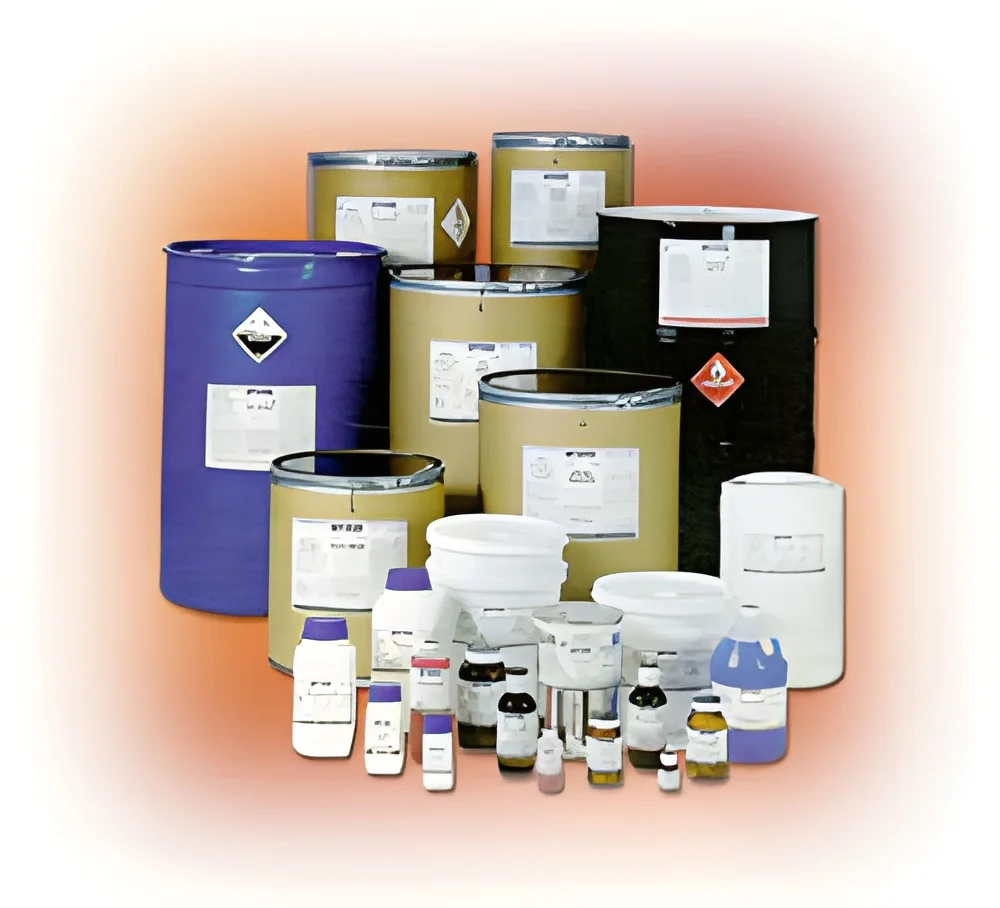
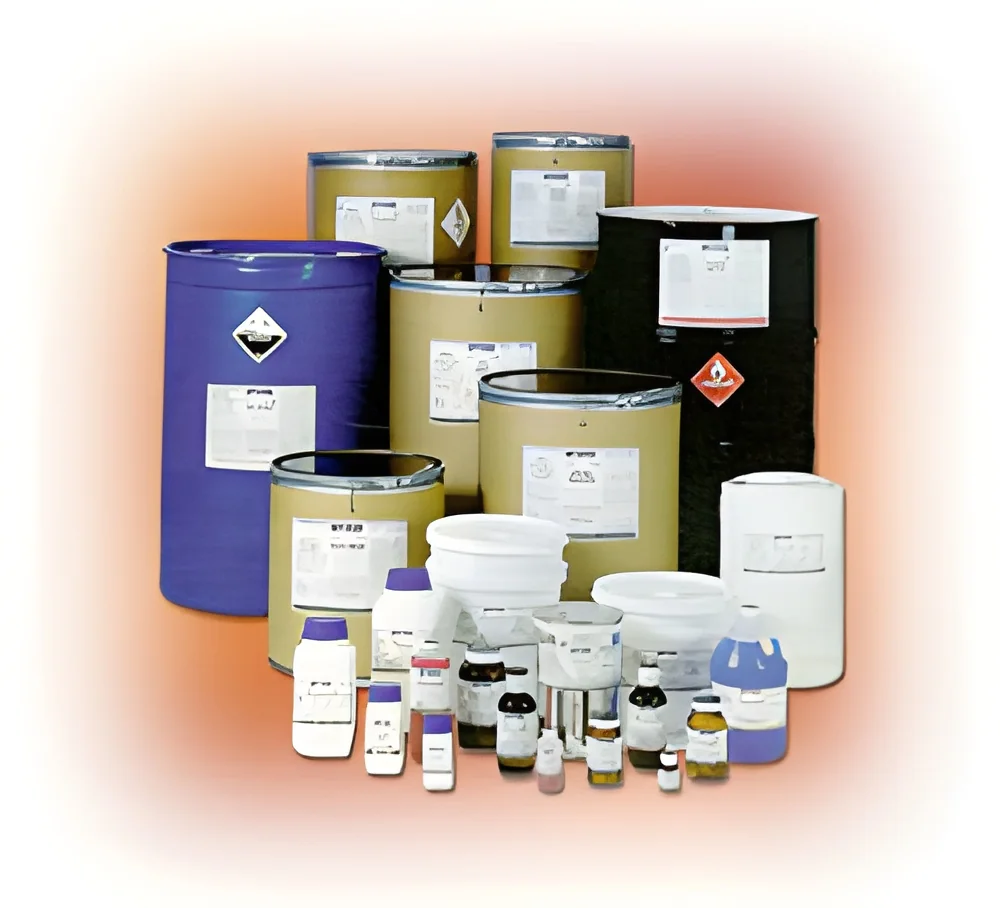
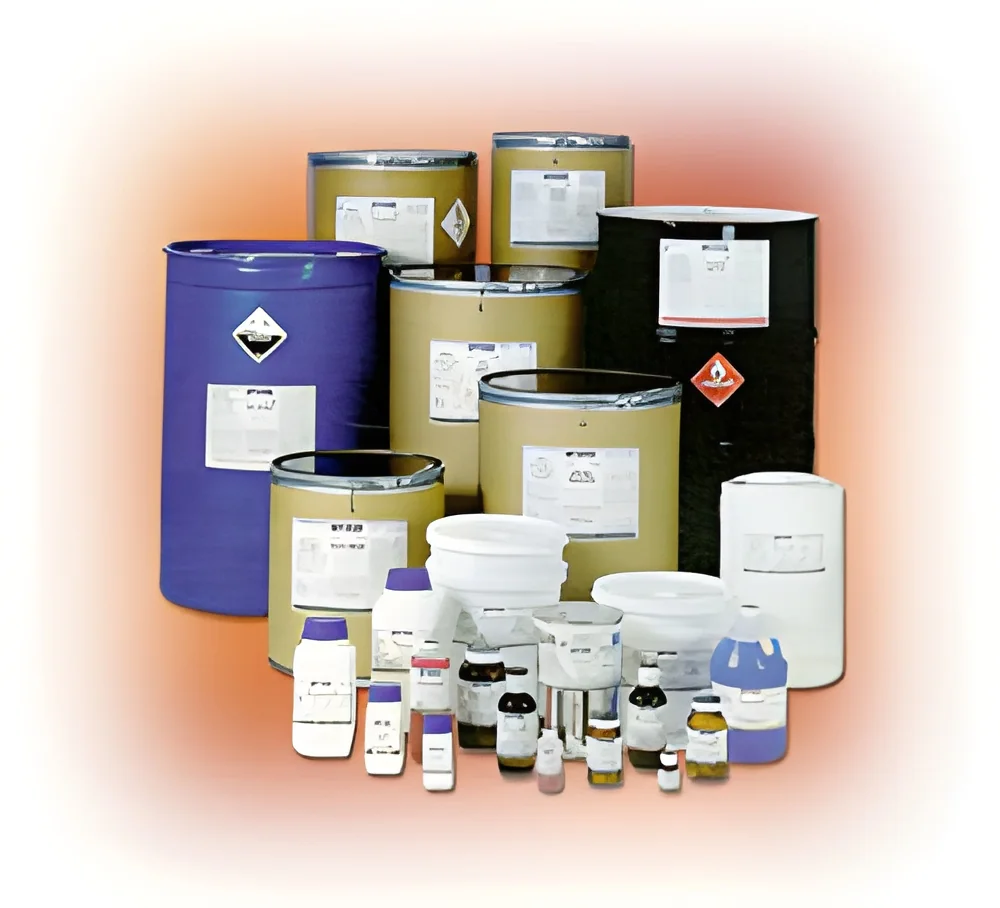
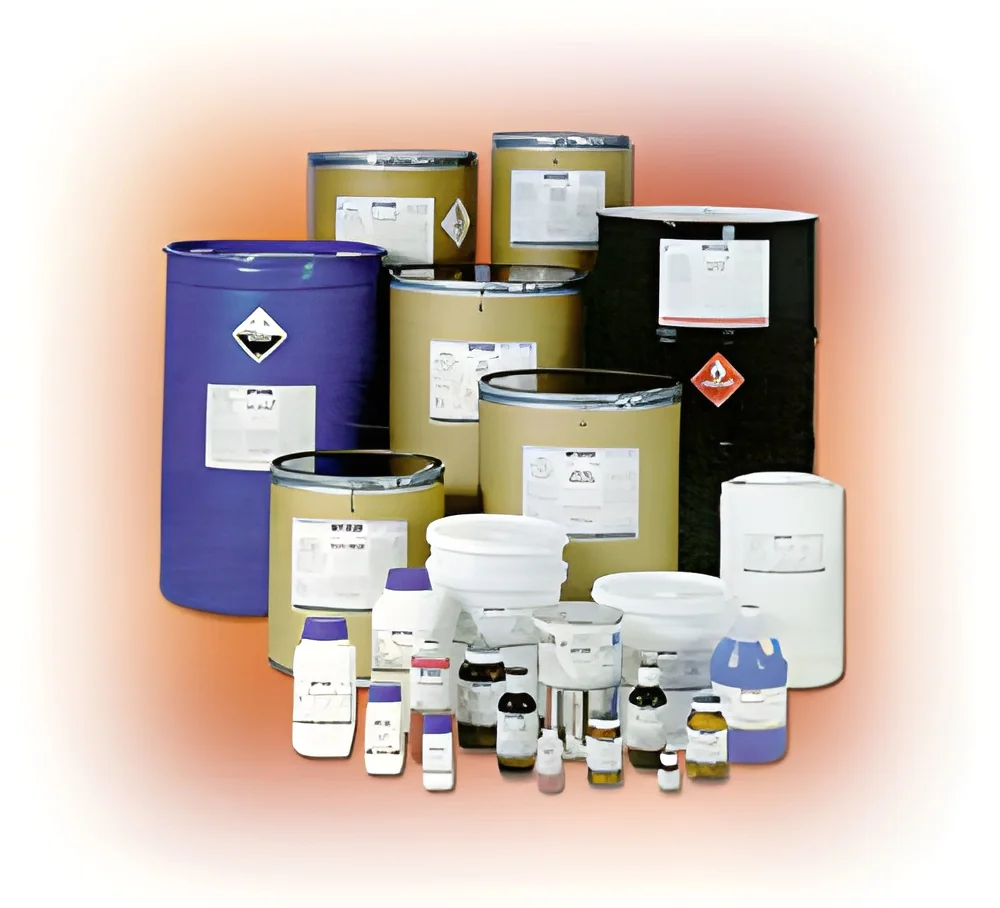
What are Acetic Acid?
Acetic acid is a colorless liquid organic compound with a distinctive pungent smell. It is a key component in the production of various chemical substances and is classified as a weak acid. Acetic acid has a chemical formula of CH3COOH, and it is known for its acidity and ability to act as a solvent. It is produced both synthetically and through natural fermentation processes, making it a versatile compound in many applications.
In the business context, acetic acid is primarily used in the production of chemicals such as vinyl acetate, acetate esters, and acetic anhydride. These derivatives are essential in industries like textiles, plastics, food preservation, and pharmaceuticals. The global market for acetic acid is significant, driven by its wide-ranging applications across various sectors. As industries continue to innovate, the demand for acetic acid remains robust, reflecting its importance in chemical manufacturing and industrial processes.
Key Features and Specifications
Acetic acid is characterized by several key features that make it suitable for various industrial applications. Understanding its specifications is crucial for businesses looking to source this compound effectively.
Key specifications include:
1. Purity Level
- Acetic acid is available in various purity levels, commonly ranging from 70% to 99.9%.
- Higher purity levels are often required for pharmaceutical and food-grade applications.
2. Chemical Composition
- The primary component is acetic acid, with a chemical formula of CH3COOH.
- It may contain trace impurities depending on the production method.
3. Boiling Point
- The boiling point of acetic acid is approximately 118 degrees Celsius.
- This property is important for processes involving heating and distillation.
4. Density
- The density of acetic acid is about 1.05 g/cm³ at room temperature.
- This affects its handling and storage requirements.
5. Viscosity
- Acetic acid has a viscosity range of about 1.2 to 1.5 mPa·s at 25 degrees Celsius.
- This property influences its flow characteristics in various applications.
6. pH Level
- The pH of acetic acid solutions typically ranges from 2 to 3, indicating its acidic nature.
- This is important for its effectiveness in preservation and chemical reactions.
7. Solubility
- Acetic acid is highly soluble in water and can form azeotropes.
- This makes it useful in various aqueous applications.
8. Storage Requirements
- Acetic acid should be stored in a cool, dry place away from incompatible substances.
- Proper labeling and handling practices are essential for safety.
In summary, acetic acid’s features and specifications are critical for its application in various industrial sectors, and understanding these can help businesses make informed sourcing decisions.
Common Applications and Use Cases
Acetic acid serves many industries, each leveraging its unique properties for specific applications.
1. Chemical Manufacturing: Acetic acid is a key raw material in producing vinyl acetate, which is used in adhesives, paints, and coatings. Its role in the synthesis of various chemicals makes it a cornerstone in the chemical industry.
2. Food Industry: In food preservation, acetic acid acts as a natural preservative and is used in vinegar production. Its antimicrobial properties help maintain food quality and extend shelf life.
3. Textile Industry: Acetic acid is employed in dyeing and finishing processes for textiles. It helps fix dyes to fabrics and can enhance fabric properties.
4. Pharmaceuticals: In the pharmaceutical sector, acetic acid is used in the synthesis of certain medications and as a solvent in drug formulation. Its purity is crucial for applications in healthcare.
5. Agriculture: Acetic acid is utilized in the production of herbicides and crop protection solutions. It plays a role in enhancing agricultural productivity.
6. Cleaning Products: Due to its antibacterial properties, acetic acid is commonly found in many household and industrial cleaning products. It effectively removes stains and disinfects surfaces.
7. Plastics Manufacturing: The compound is vital in producing acetate plastics, which are used in various consumer goods and industrial applications.
Product Variants and Subcategories
Acetic acid has a variety of forms and concentrations that cater to different industrial needs.
Glacial Acetic Acid
Glacial acetic acid is a concentrated form of acetic acid, containing over 99% purity. It is essential in chemical synthesis and is widely used in laboratories and industrial processes.
Food-Grade Acetic Acid
This variant meets strict safety standards for food applications. It is commonly used in food preservation and as a flavoring agent in culinary products.
Industrial-Grade Acetic Acid
Industrial-grade acetic acid is suitable for manufacturing processes and chemical production. It usually has lower purity levels compared to food-grade variants.
Benefits and Advantages
Sourcing acetic acid offers numerous advantages for businesses across various sectors.
1. Versatility: Acetic acid can be used in a wide range of applications, from chemical manufacturing to food preservation, making it a highly versatile compound.
2. Cost-Effectiveness: With its broad applications, acetic acid is often available at competitive prices, providing excellent cost efficiency for businesses.
3. Quality Control: When sourced from reputable suppliers, acetic acid can meet high purity and quality standards, ensuring reliability in applications.
4. Availability: Acetic acid is widely produced and distributed, making it readily accessible for industries around the globe.
5. Environmental Impact: Acetic acid is biodegradable, which aligns with growing sustainability practices in various industries.
6. Safety Features: When handled properly, acetic acid has established safety protocols, reducing risks associated with its use in industrial applications.
Buying Guide for B2B Buyers
When sourcing acetic acid, businesses should consider several important factors to ensure they make informed purchasing decisions.
1. Quality Assessment: Evaluate the purity and quality of acetic acid. Ensure it meets the required specifications for your specific application, whether it is food-grade or industrial-grade.
2. Supplier Verification: Vet suppliers by checking their credentials, certifications, and customer reviews. Reliable suppliers should adhere to industry standards and regulations.
3. Pricing and MOQ: Understand the pricing structure, including any minimum order quantities. Compare prices among different suppliers to find competitive rates.
4. Delivery and Lead Times: Assess the logistics of delivery, including lead times. Timely delivery is crucial for maintaining production schedules.
5. Compliance Requirements: Ensure that the acetic acid complies with relevant regulations and safety standards. This includes checking for certifications such as CE and adherence to local laws.
Compliance and Certifications
Acetic acid must meet several compliance and certification standards to ensure its safe and effective use across industries.
Relevant quality standards include ISO 9001, which focuses on quality management systems, ensuring consistent product quality. HACCP (Hazard Analysis and Critical Control Points) is crucial for food-grade acetic acid, as it helps identify and mitigate risks in food safety.
Industry certifications such as CE are important for demonstrating compliance with European safety regulations. This certification indicates that the product meets EU safety, health, and environmental protection requirements.
Safety and testing requirements for acetic acid involve evaluating its corrosive properties and establishing appropriate handling protocols. Regular testing ensures that the product maintains its quality and performance standards.
Regional compliance considerations vary, as different countries may impose specific regulations regarding the production, transportation, and use of acetic acid. Businesses should stay informed about local laws to ensure compliance.
Why Source Acetic Acid from Pepagora?
Pepagora offers a trusted platform for sourcing acetic acid, providing several key advantages to B2B buyers.
Verified Supplier Network: Pepagora connects buyers with a network of verified suppliers, ensuring that businesses receive high-quality products. By conducting thorough checks on suppliers, Pepagora helps mitigate risks associated with sourcing.
Streamlined RFQ Process: The request-for-quotation (RFQ) process is designed to be efficient, allowing buyers to quickly receive quotations from multiple suppliers. This simplifies the procurement process and saves time.
Trade Assurance and Support: Pepagora provides trade assurance, protecting buyers in their transactions. This support includes assistance with negotiations and addressing any disputes that may arise.
Regional Coverage: With a strong presence in India, the Gulf Cooperation Council (GCC), and Southeast Asia, Pepagora offers regional coverage that enhances accessibility for businesses in these markets. This strategic positioning helps ensure timely delivery and local support for buyers.

 IN
IN