What are Phenol?
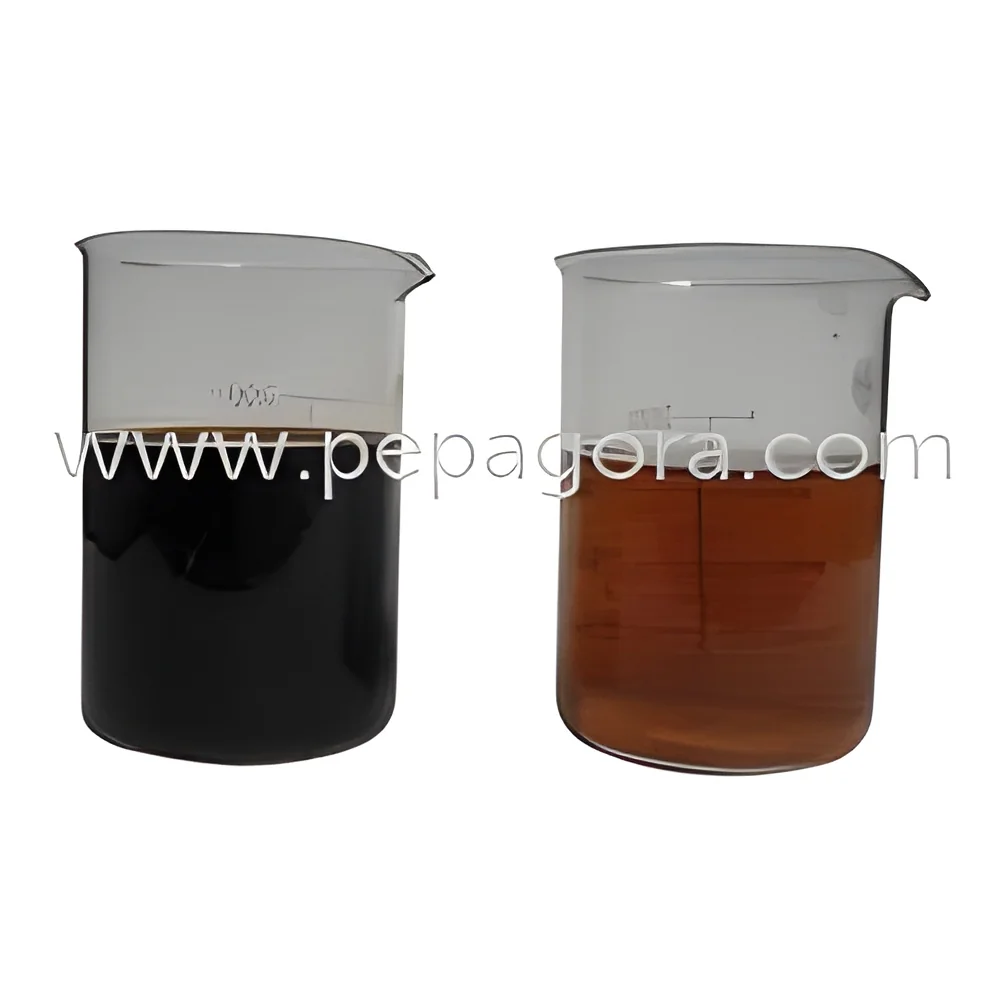
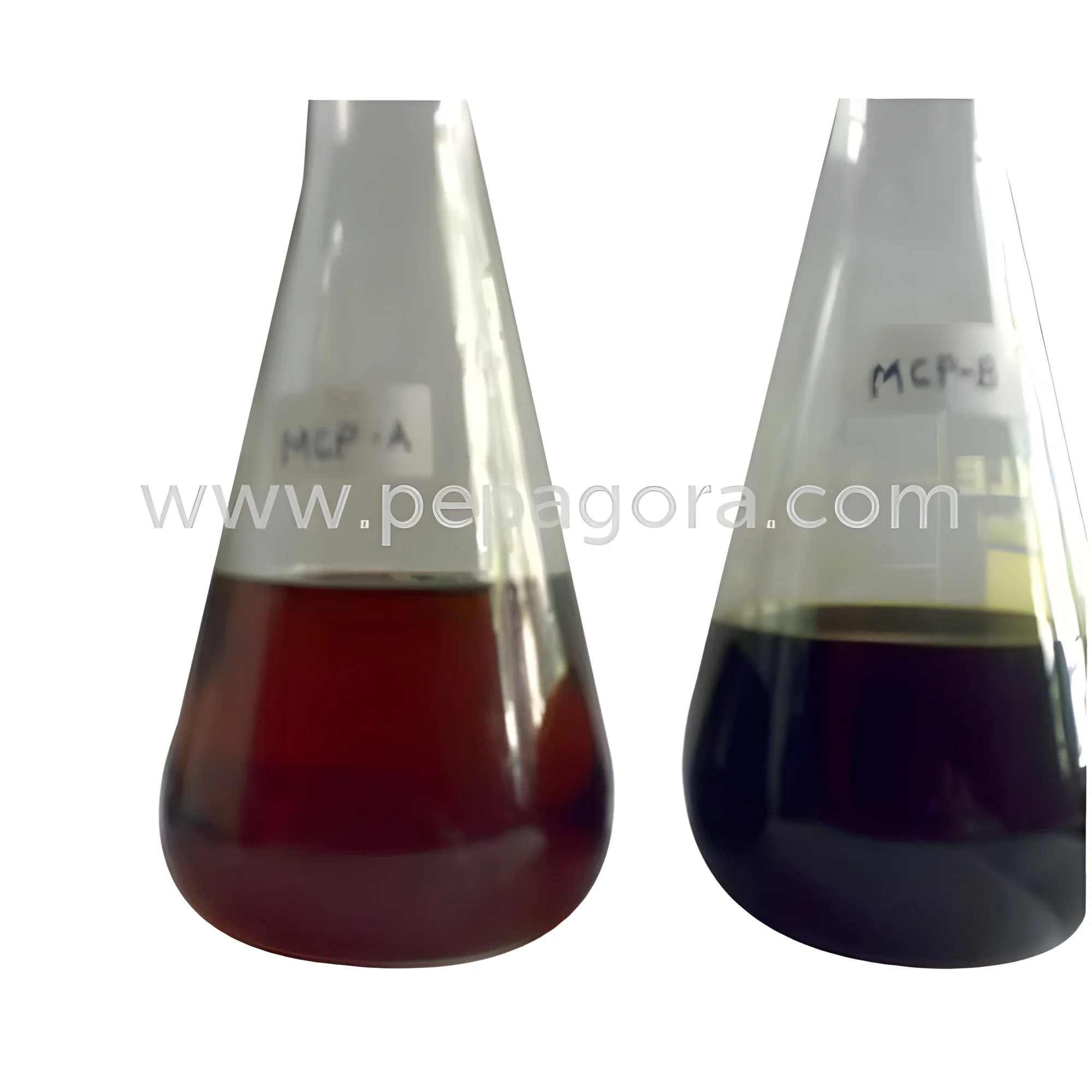
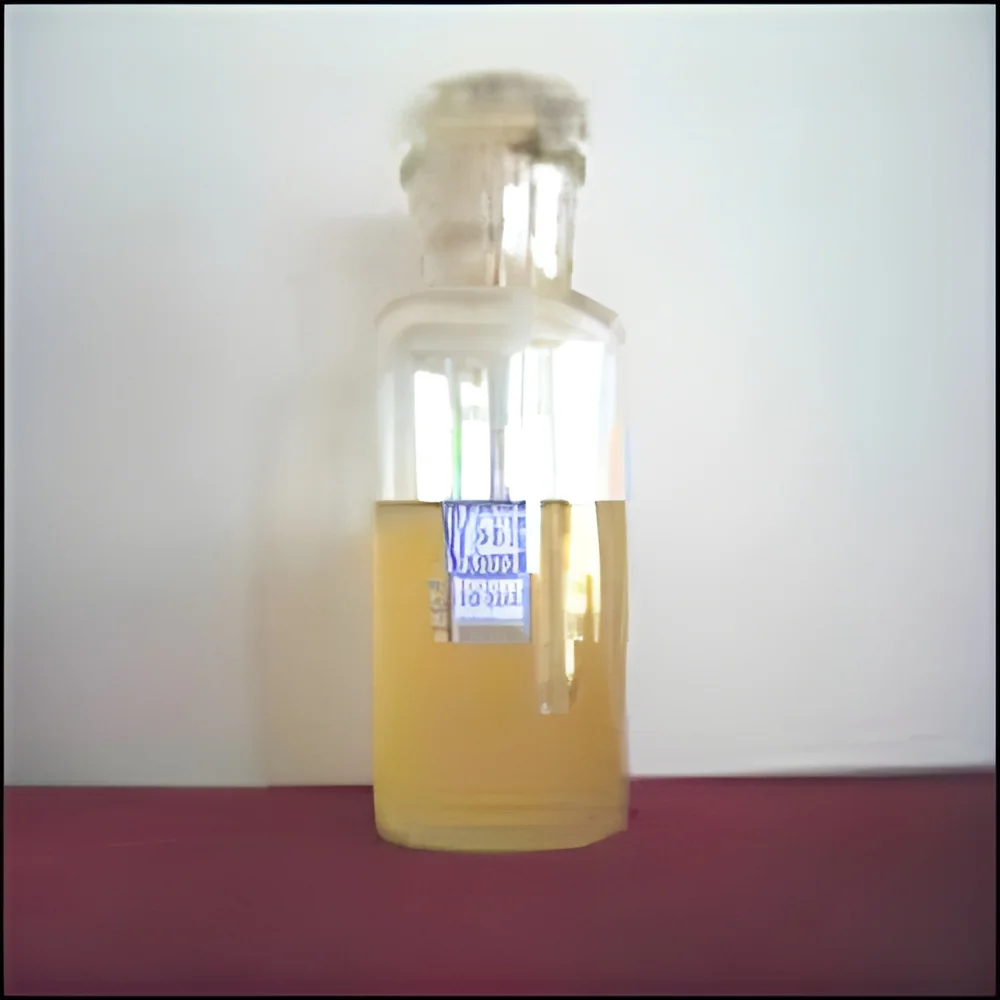
Phenol is an organic compound characterized by a hydroxyl group attached to a benzene ring. It is a colorless, flammable liquid that possesses a distinct sweet odor. Phenol is highly soluble in water and can form strong hydrogen bonds due to its hydroxyl group. This compound is produced through various methods, including the distillation of coal tar and the catalytic reforming of petroleum.
Phenol has numerous applications across different industries. It is commonly used as a precursor in the production of plastics, resins, and synthetic fibers. Additionally, it serves as an important chemical intermediate in the manufacturing of pharmaceuticals, agrochemicals, and disinfectants. The global demand for phenol continues to grow, driven by its essential role in various industrial processes and the rising need for advanced materials.
Key Features and Specifications
Phenol is recognized for its unique properties that make it suitable for various applications. Its significant features include high reactivity and the ability to undergo numerous chemical transformations. Phenol is also known for its antimicrobial properties, making it valuable in the production of disinfectants.
Key specifications include:
1. Purity Level
- Typically, phenol is required to be at least 99% pure for industrial applications.
- Impurities can affect the performance of downstream products.
2. Boiling Point
- The boiling point of phenol is around 182 degrees Celsius.
- This characteristic is crucial for processes involving distillation.
3. Melting Point
- Phenol has a melting point of approximately 40.9 degrees Celsius.
- This property affects its handling and storage requirements.
4. Molecular Weight
- The molecular weight of phenol is about 94.11 grams per mole.
- This parameter is essential for calculations in chemical formulations.
5. Density
- The density of phenol is approximately 1.06 grams per cubic centimeter.
- Density influences the transport and storage logistics.
6. pH Level
- Phenol has a pH level of around 6-7 when dissolved in water.
- This characteristic affects its compatibility with other substances.
In summary, phenol’s unique properties and high purity specifications make it a versatile compound for various industrial applications.
Common Applications and Use Cases
Phenol is utilized in a wide range of industries, showcasing its versatility and importance.
1. Chemical Manufacturing: Phenol is crucial in producing phenolic resins used in adhesives and coatings due to their strong bonding properties.
2. Pharmaceuticals: It serves as a key ingredient in the synthesis of various medications, including antiseptics and analgesics.
3. Plastics: Phenol is a building block for the production of polycarbonate plastics and other materials that require high durability.
4. Agriculture: In agrochemical production, phenol is used to create herbicides and pesticides, helping improve crop yield.
5. Personal Care Products: Phenol is often included in formulations for disinfectants and antibacterial agents used in personal hygiene products.
6. Automotive Industry: It is used in the manufacturing of automotive components, particularly in resin applications for durability.
7. Textile Industry: Phenol is applied in dyeing processes and the production of synthetic fibers, enhancing fabric properties.
Product Variants and Subcategories
Phenol exhibits diversity in its applications, serving various specific needs within different markets.
While there are no specific subcategories of phenol available, it is important to note that phenol can be supplied in different grades based on purity and application suitability. Each grade is tailored to meet specific industrial requirements, ensuring optimal performance in its intended use.
Benefits and Advantages
Phenol offers several key benefits that make it a preferred choice in industrial applications.
1. Versatility: Phenol's ability to undergo various chemical transformations allows it to be used in multiple industries.
2. Antimicrobial Properties: Its inherent antimicrobial features make it effective in disinfectants and antiseptics, enhancing product effectiveness.
3. High Purity: The availability of high-purity phenol ensures reliable performance in sensitive applications such as pharmaceuticals.
4. Cost-Effectiveness: Phenol is often produced at a lower cost compared to alternative compounds, making it an economical choice.
5. Strong Adhesion: The use of phenolic resins results in strong adhesion properties, essential for manufacturing durable products.
6. Chemical Stability: Phenol is chemically stable under various conditions, ensuring product longevity and reliability.
Buying Guide for B2B Buyers
When sourcing phenol, it is essential to consider several key factors to ensure quality and reliability.
1. Quality Assessment: It is crucial to evaluate the purity and composition of phenol. Look for suppliers who provide detailed specifications and quality certifications.
2. Supplier Verification: Vet potential suppliers by checking their reputation, certification, and history in the industry. A reliable supplier should have a proven track record of quality and service.
3. Pricing and MOQ: Understand the pricing structure and minimum order quantities required by suppliers. This will help in budgeting and planning for procurement.
4. Delivery and Lead Times: Discuss logistics and lead times with suppliers to ensure timely delivery of phenol. Efficient logistics are critical in maintaining production schedules.
5. Compliance Requirements: Verify that the phenol meets industry-specific compliance standards and regulations to avoid legal issues and ensure safety.
Compliance and Certifications
Compliance with industry standards and regulations is critical for the safe handling and use of phenol.
Phenol typically adheres to relevant quality standards such as ISO 9001, which ensures consistent quality management systems. Additionally, compliance with HACCP and GDP guidelines may be required depending on the application, especially in pharmaceuticals and food-related industries.
The CE certification indicates that phenol meets European safety, health, and environmental protection standards. This certification is essential for suppliers aiming to export to markets that require such compliance.
Safety and testing requirements are also paramount, as phenol can pose health risks if not handled properly. Manufacturers must conduct thorough safety assessments and provide appropriate safety data sheets to users.
Regional compliance considerations may vary, so it is essential to stay informed about local regulations regarding chemical handling and usage.
Why Source Phenol from Pepagora?
Pepagora provides an efficient platform for sourcing phenol, ensuring buyers can access high-quality products and reliable suppliers.
Verified Supplier Network: Pepagora has established a network of verified suppliers, ensuring that buyers can trust the quality and reliability of the phenol sourced.
Streamlined RFQ Process: The request for quotation process on Pepagora is designed to be user-friendly, allowing buyers to receive competitive quotes quickly and efficiently.
Trade Assurance and Support: Pepagora offers trade assurance to protect buyers during transactions, providing peace of mind and support throughout the procurement process.
Regional Coverage: With a strong presence in India, the GCC, and Southeast Asia, Pepagora connects buyers with suppliers across these regions, enhancing accessibility and convenience in sourcing phenol.

 IN
IN