IN
IN₹
Apparel & Fashion
Description
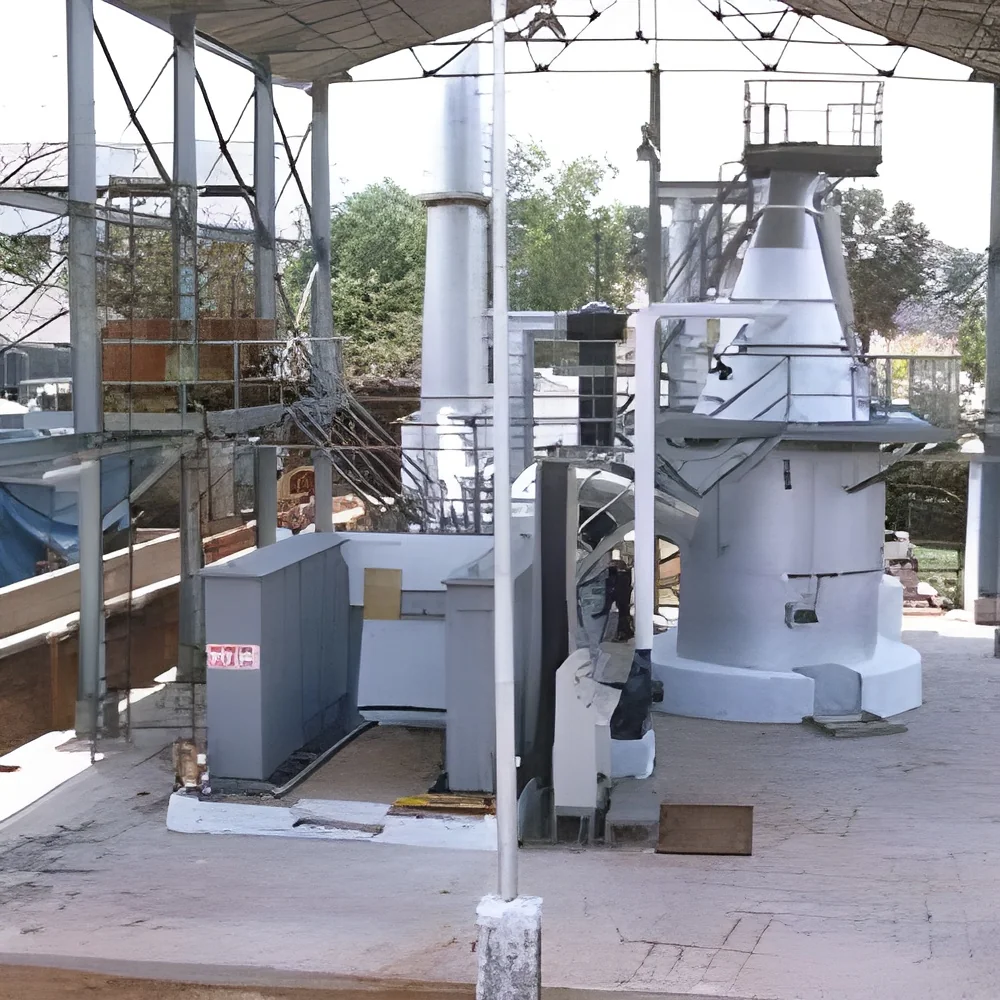
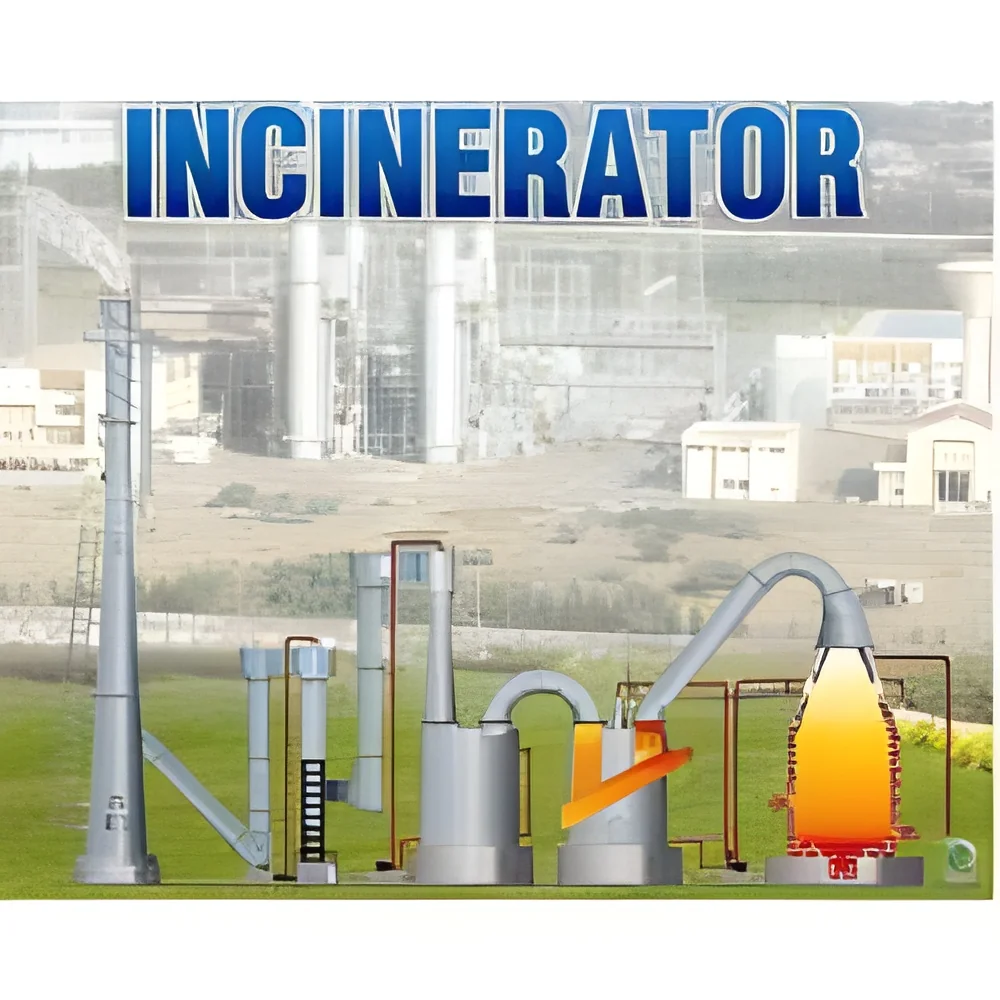
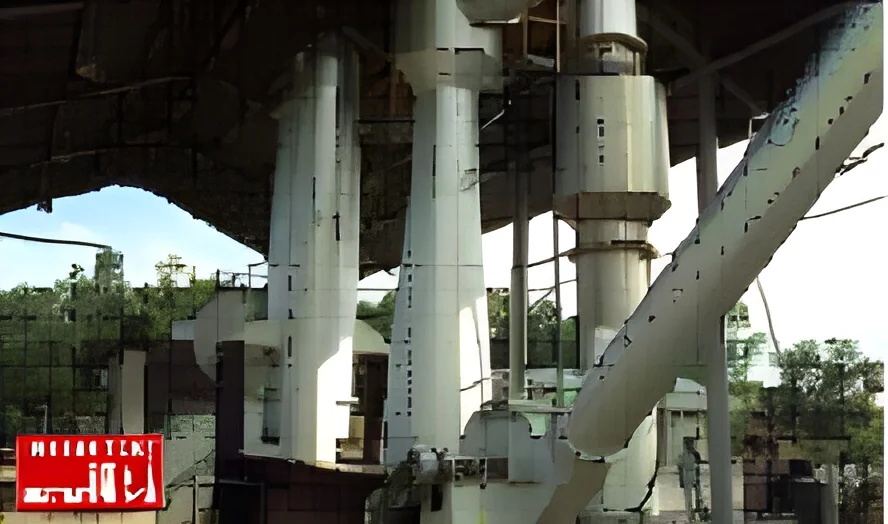
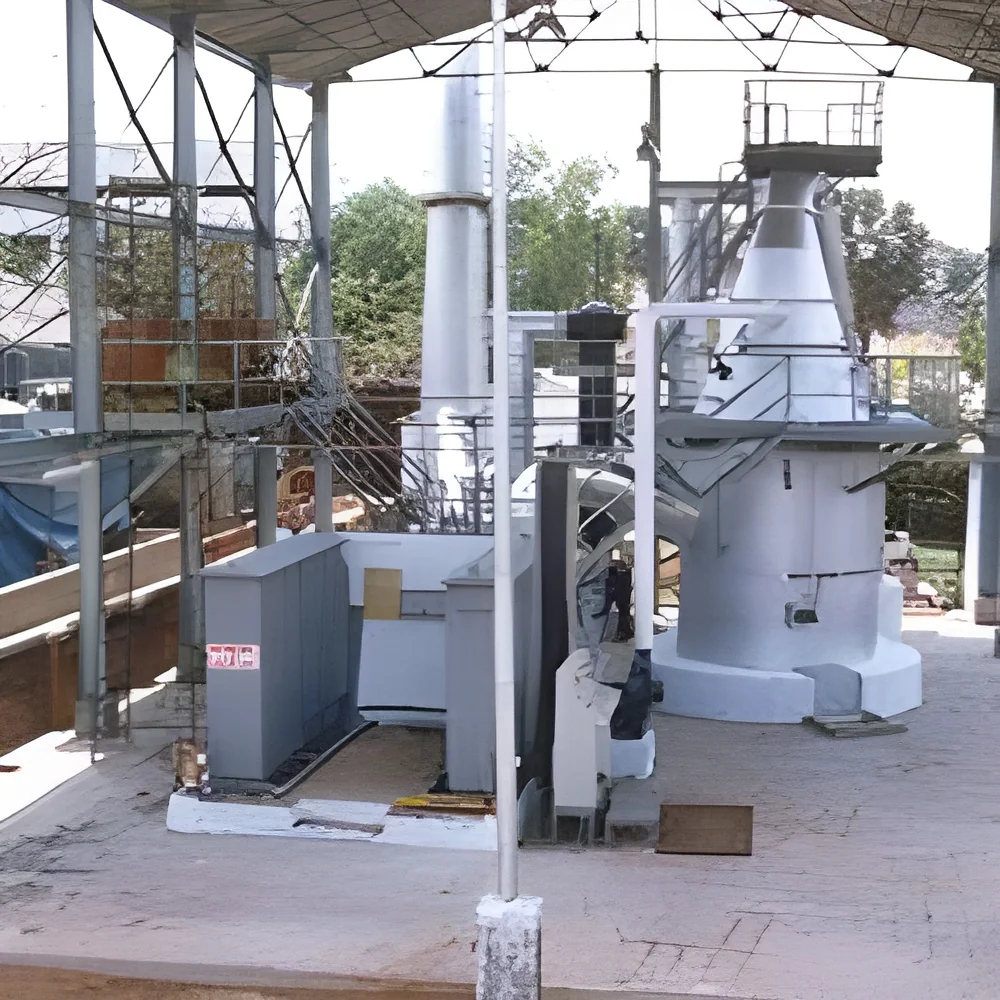
Industrial gas incinerators for sulfur compound waste disposal represent specialized thermal oxidation systems designed to safely and efficiently process waste gases containing hazardous sulfur compounds. These engineered solutions address the critical need for reliable destruction of gases like hydrogen sulfide (H2S), carbonyl sulfide (COS), and carbon disulfide (CS2) that pose significant environmental and safety risks if released untreated. The incineration process achieves near-complete oxidation through maintained high-temperature combustion, converting these compounds primarily to sulfur dioxide (SO2) for subsequent treatment or controlled atmospheric dispersion. Built with industrial-grade components and engineered for continuous operation, these systems provide a robust technical solution that balances operational efficiency with uncompromising environmental compliance, making them essential infrastructure for responsible industrial operations.

These incineration systems serve...
Industrial gas incinerators for sulfur compound waste disposal represent specialized thermal oxidation systems designed to safely and efficiently process waste gases containing hazardous sulfur compounds. These engineered solutions address the critical need for reliable destruction of gases like hydrogen sulfide (H2S), carbonyl sulfide (COS), and carbon disulfide (CS2) that pose significant environmental and safety risks if released untreated. The incineration process achieves near-complete oxidation through maintained high-temperature combustion, converting these compounds primarily to sulfur dioxide (SO2) for subsequent treatment or controlled atmospheric dispersion. Built with industrial-grade components and engineered for continuous operation, these systems provide a robust technical solution that balances operational efficiency with uncompromising environmental compliance, making them essential infrastructure for responsible industrial operations.

These incineration systems serve as critical environmental control equipment across industries where sulfur compound management is integral to operational licensing and community safety. In oil and gas sectors, they treat tail gases from sulfur recovery units and amine regeneration processes. Chemical manufacturing facilities utilize them for waste streams from production of sulfuric acid, carbon disulfide, and various organosulfur compounds. Petrochemical plants employ these incinerators for flare gas alternatives and process vent treatment, while metallurgical operations use them for off-gas treatment in metal smelting and refining. The technology also finds application in wastewater treatment for odor control of sulfur-laden biogas and in pulp mills for black liquor oxidation gas treatment, demonstrating versatility across diverse industrial contexts with sulfur management challenges.

The business value of these industrial gas incinerators extends beyond regulatory compliance to encompass operational reliability, risk mitigation, and long-term cost management. By ensuring consistent destruction of hazardous sulfur compounds, these systems protect organizations from regulatory penalties, operational shutdowns, and reputational damage associated with emission violations. Their robust construction and quality components minimize unplanned downtime and maintenance requirements, delivering predictable operational costs and process continuity. The engineering focus on complete oxidation efficiency reduces downstream treatment burdens and potential secondary pollution issues. Furthermore, these systems support corporate sustainability objectives by enabling cleaner operations and demonstrating environmental stewardship to stakeholders, communities, and regulatory bodies.

Key Features:
- Engineered for complete oxidation of sulfur compounds including H2S, COS, and CS2 with high destruction efficiency.
- Industrial-grade construction with durable materials suitable for continuous operation in harsh environments.
- Integrated temperature control systems maintaining optimal combustion conditions for consistent performance.
- Tall stack dispersion design for safe atmospheric discharge and ground-level concentration management.
- Configurable designs accommodating specific flow rates, gas compositions, and space constraints.

Benefits:
- Ensures compliance with environmental regulations for sulfur compound emissions and workplace safety standards.
- Reduces operational risks associated with hazardous gas handling and potential regulatory violations.
- Provides reliable performance with minimal maintenance requirements for continuous industrial operations.
- Supports environmental protection goals by preventing atmospheric release of toxic sulfur compounds.
- Offers adaptable solutions that integrate with existing industrial processes and infrastructure requirements.
Specifications
| Additional Information | |
|---|---|
| Country of Origin | India |
Application
Industrial gas incinerators are engineered specifically for the complete oxidation of sulfur-containing waste gases like hydrogen sulfide (H2S), carbonyl sulfide (COS), and carbon disulfide (CS2). These systems utilize controlled combustion at high temperatures to convert hazardous compounds into less harmful sulfur dioxide (SO2), which is then safely dispersed through tall stacks. This process is critical for preventing direct atmospheric release of toxic gases and ensuring compliance with stringent environmental regulations across multiple industrial sectors.
These incineration units are vital for industries that generate sulfur compound waste streams as byproducts of their core operations. The technology is particularly valuable where traditional treatment methods are insufficient or where regulatory demands require guaranteed destruction efficiency. By maintaining optimal combustion temperatures through integrated fuel gas support, these incinerators deliver consistent performance regardless of variable waste gas compositions, making them suitable for continuous industrial operations that cannot tolerate downtime or compliance failures.
- Sulfur recovery tail gas treatment in oil refineries and natural gas processing plants to meet emission standards.
- Waste gas disposal in chemical manufacturing facilities producing rubber, pesticides, and pharmaceuticals.
- Hazardous gas elimination in metallurgical operations and metal extraction processes.
- Emission control in petrochemical complexes handling sulfur-containing feedstocks and intermediates.
- Odor management and pollution control in wastewater treatment plants and pulp/paper mills.
Trade Details
| Available Stock | In Stock |
| Sample Availability | No |
Payment Terms
| Payment Terms |
|
Company Profile

Chintan Sales, Gujarat
 Gujarat, India
Gujarat, IndiaIndustrial Equipment & Machinery•Manufacturer•Distributor / Wholesaler•Importer / Exporter
Factory Details
Factory SizeBelow 1000 sqm
Annual Production Capacity0
Main Markets
South Asia
Industrial Gas Incinerators For Sulfur Compound Waste Disposal
Industrial gas incinerators for sulfur compound waste disposal provide high-efficiency oxidation of H2S, COS, and CS2 gases. These reliable systems ensure environmental compliance for chemical, oil, and gas industries with effective emission control.
Min. Order Quantity: 1 unit
Shipping
Shipping fee and delivery date to be negotiated. Contact supplier now for more details.
Chintan Sales
 Gujarat, India
Gujarat, IndiaIndustrial Equipment & MachineryManufacturer