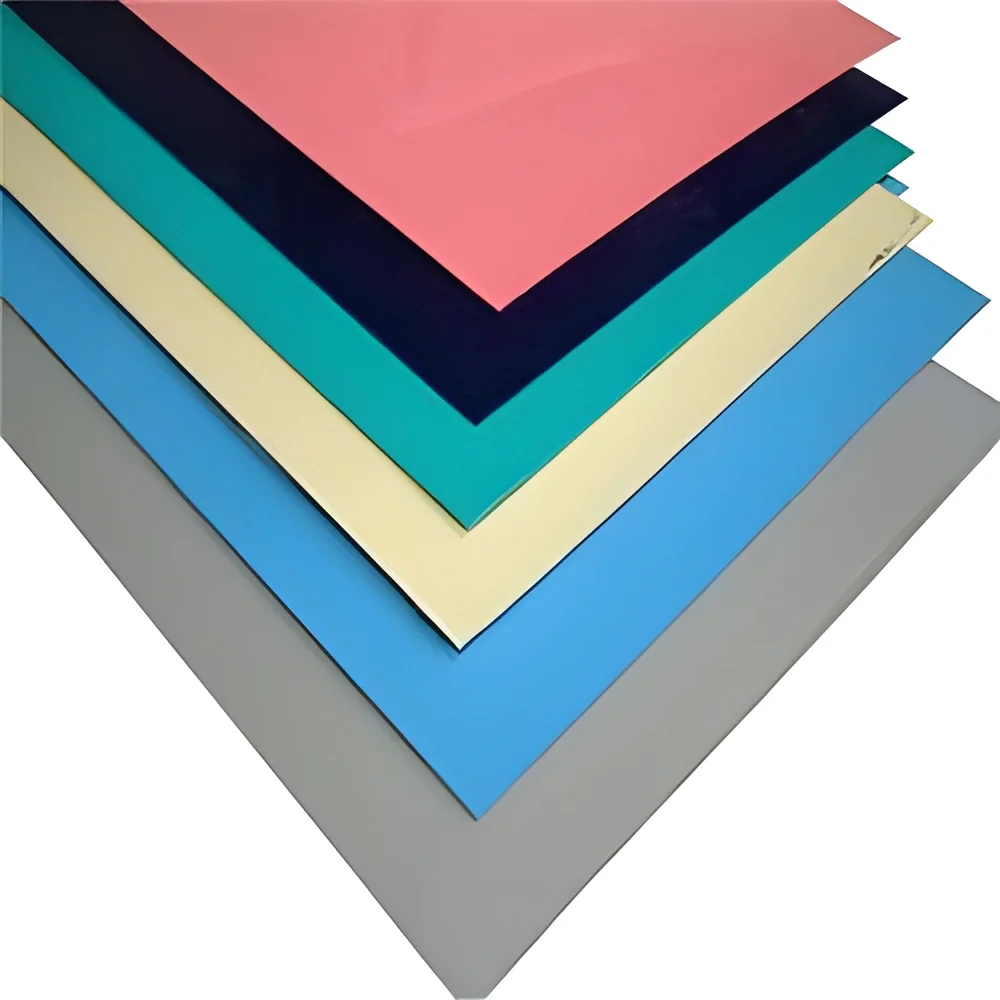
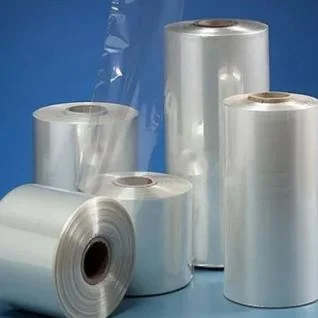
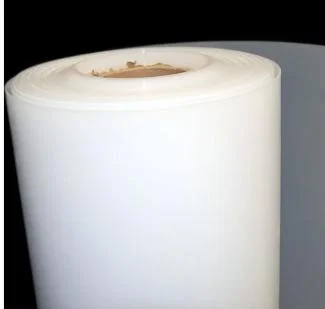
What are Polyethylene (HDPE, LDPE, LLDPE)?
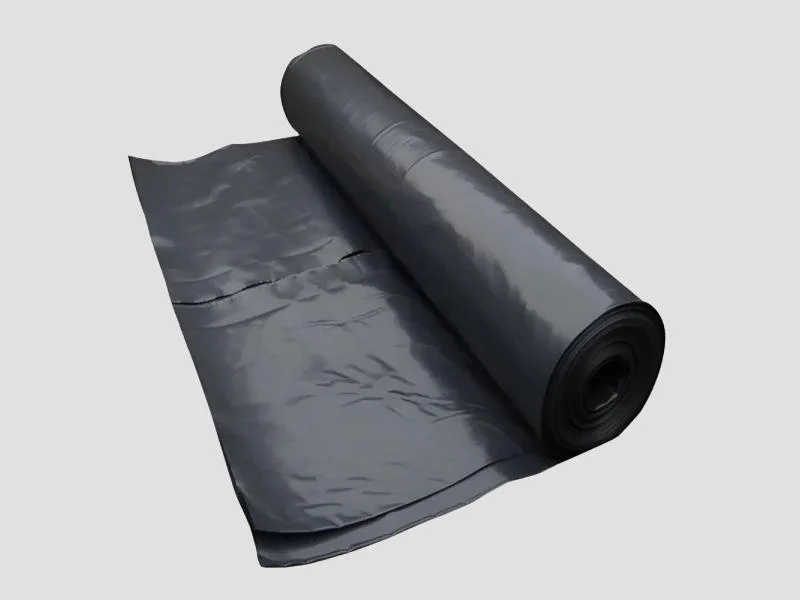
Polyethylene is a widely used thermoplastic polymer that comes in various forms, primarily categorized as High-Density Polyethylene (HDPE), Low-Density Polyethylene (LDPE), and Linear Low-Density Polyethylene (LLDPE). Each type features distinct density, structure, and properties, which influence its applications. HDPE is known for its high strength-to-density ratio, making it suitable for heavy-duty applications. LDPE, on the other hand, is more flexible and has a lower density, which allows for easy processing and is commonly used in packaging. LLDPE combines the best of both worlds, offering flexibility and strength, and is often utilized in film applications.
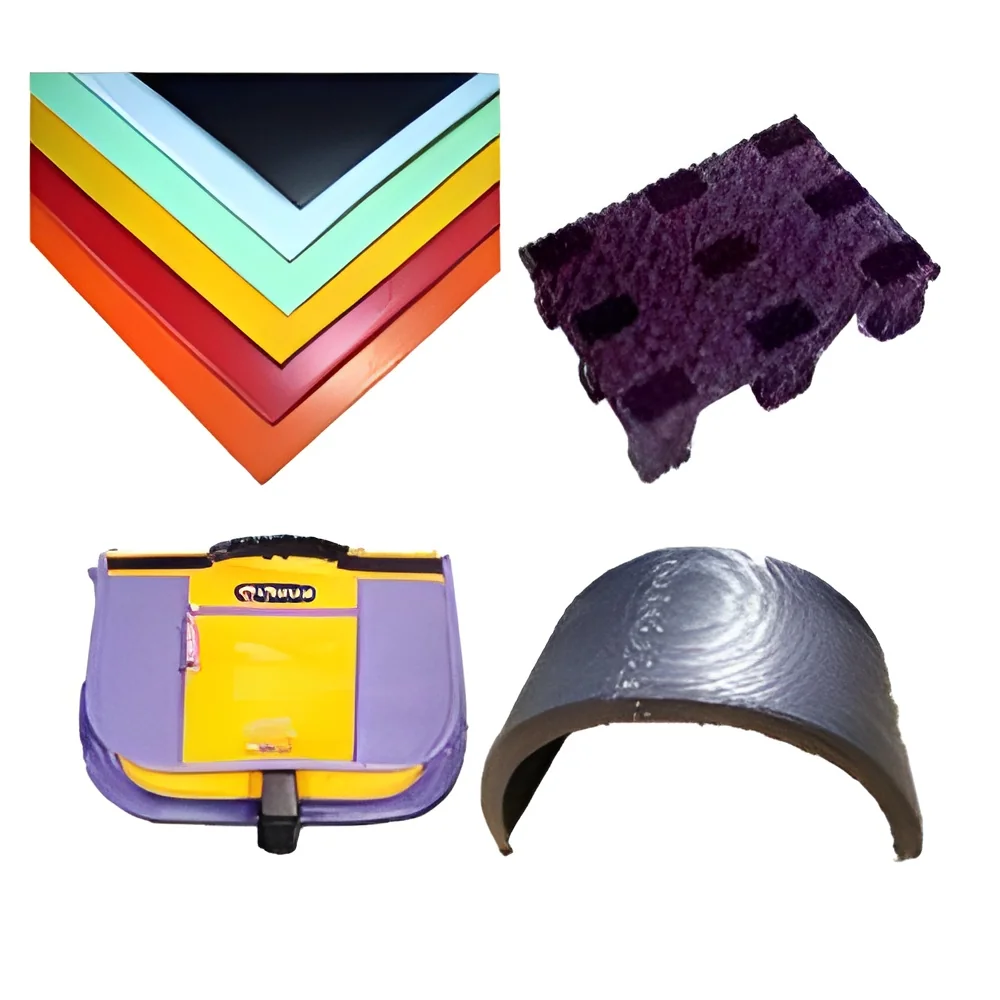
These materials are integral to numerous industries, including packaging, construction, automotive, and consumer goods. In packaging, they are frequently used for manufacturing bags, containers, and films due to their lightweight and durable characteristics. In the construction sector, HDPE is a preferred choice for piping systems, geomembranes, and other structural components. The versatility of polyethylene types facilitates their adoption across various applications, ensuring their relevance in todayโs market.
The polyethylene market continues to grow, driven by increasing demand for lightweight, durable materials in multiple sectors. As businesses seek sustainable options, innovations in polyethylene production and recycling processes are becoming increasingly important. This growth has resulted in a competitive landscape, with suppliers focusing on quality and efficiency to meet evolving customer needs.
๐๐ฒ๐ ๐๐ฒ๐ฎ๐๐๐ฟ๐ฒ๐ ๐ฎ๐ป๐ฑ ๐ฆ๐ฝ๐ฒ๐ฐ๐ถ๐ณ๐ถ๐ฐ๐ฎ๐๐ถ๐ผ๐ป๐
Polyethylene materials, including HDPE, LDPE, and LLDPE, possess unique features that make them suitable for various applications. Understanding these specifications is essential for businesses looking to select the right type for their needs.
Key specifications include:
1. Density
- HDPE has a density of approximately 0.941 to 0.965 g/cm3.
- LDPE has a density range of 0.910 to 0.925 g/cm3.
- LLDPE typically has a density between 0.918 and 0.935 g/cm3.
2. Tensile Strength
- HDPE offers high tensile strength, generally around 25 to 37 MPa.
- LDPE has lower tensile strength, approximately 8 to 15 MPa.
- LLDPE provides tensile strength similar to HDPE, around 20 to 30 MPa.
3. Elongation at Break
- HDPE typically elongates 500% or less before breaking.
- LDPE can elongate significantly, often exceeding 600%.
- LLDPE offers elongation levels similar to LDPE, providing flexibility.
4. Melting Point
- HDPE has a melting point of around 120 to 130 degrees Celsius.
- LDPE melts at a lower temperature, approximately 105 to 115 degrees Celsius.
- LLDPE generally has a melting point similar to LDPE.
5. Impact Resistance
- HDPE exhibits excellent impact resistance, making it suitable for heavy-duty applications.
- LDPE also has good impact resistance but is more flexible.
- LLDPE offers improved impact resistance compared to LDPE.
6. Chemical Resistance
- All three types have good resistance to chemicals, though HDPE is the most resistant.
- LDPE is suitable for less aggressive environments.
- LLDPE provides moderate chemical resistance.
7. UV Resistance
- HDPE is typically UV resistant, making it suitable for outdoor applications.
- LDPE can degrade under UV exposure without additives.
- LLDPE may require UV stabilizers for prolonged outdoor use.
8. Processability
- HDPE is easily processed using methods such as injection molding and blow molding.
- LDPE is also highly processable, often used in film extrusion.
- LLDPE can be processed similarly and is often blended with other materials for enhanced properties.
In summary, understanding these specifications helps businesses select the appropriate polyethylene type based on their specific requirements. Each variant offers unique features that cater to different applications across multiple industries.
๐๐ผ๐บ๐บ๐ผ๐ป ๐๐ฝ๐ฝ๐น๐ถ๐ฐ๐ฎ๐๐ถ๐ผ๐ป๐ ๐ฎ๐ป๐ฑ ๐จ๐๐ฒ ๐๐ฎ๐๐ฒ๐
Polyethylene is utilized in a wide variety of applications across several industries.
1. Packaging: Polyethylene is extensively used in the packaging industry for manufacturing bags, wraps, and containers due to its lightweight and durable nature.
2. Construction: HDPE is favored for piping systems and geomembranes, providing resilience and longevity in construction projects.
3. Automotive: Polyethylene is used in automotive components, such as fuel tanks and interior parts, due to its strength and flexibility.
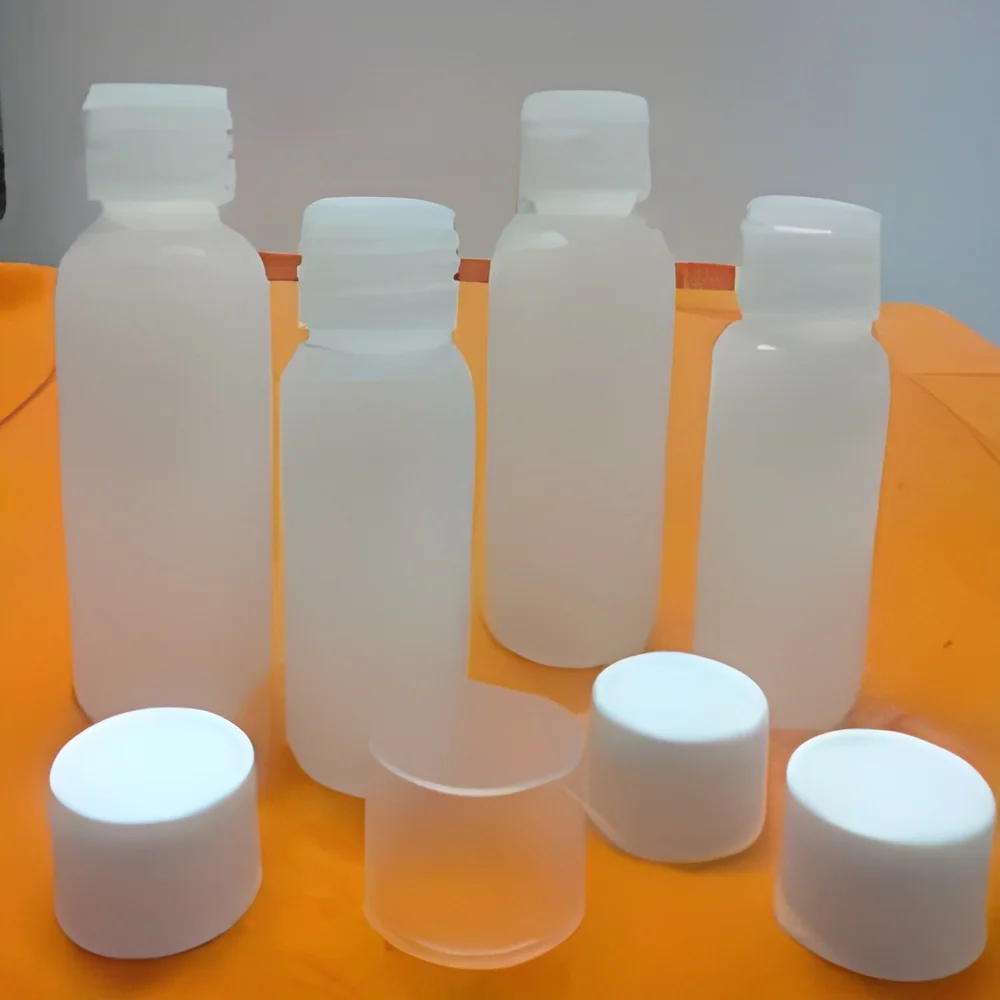
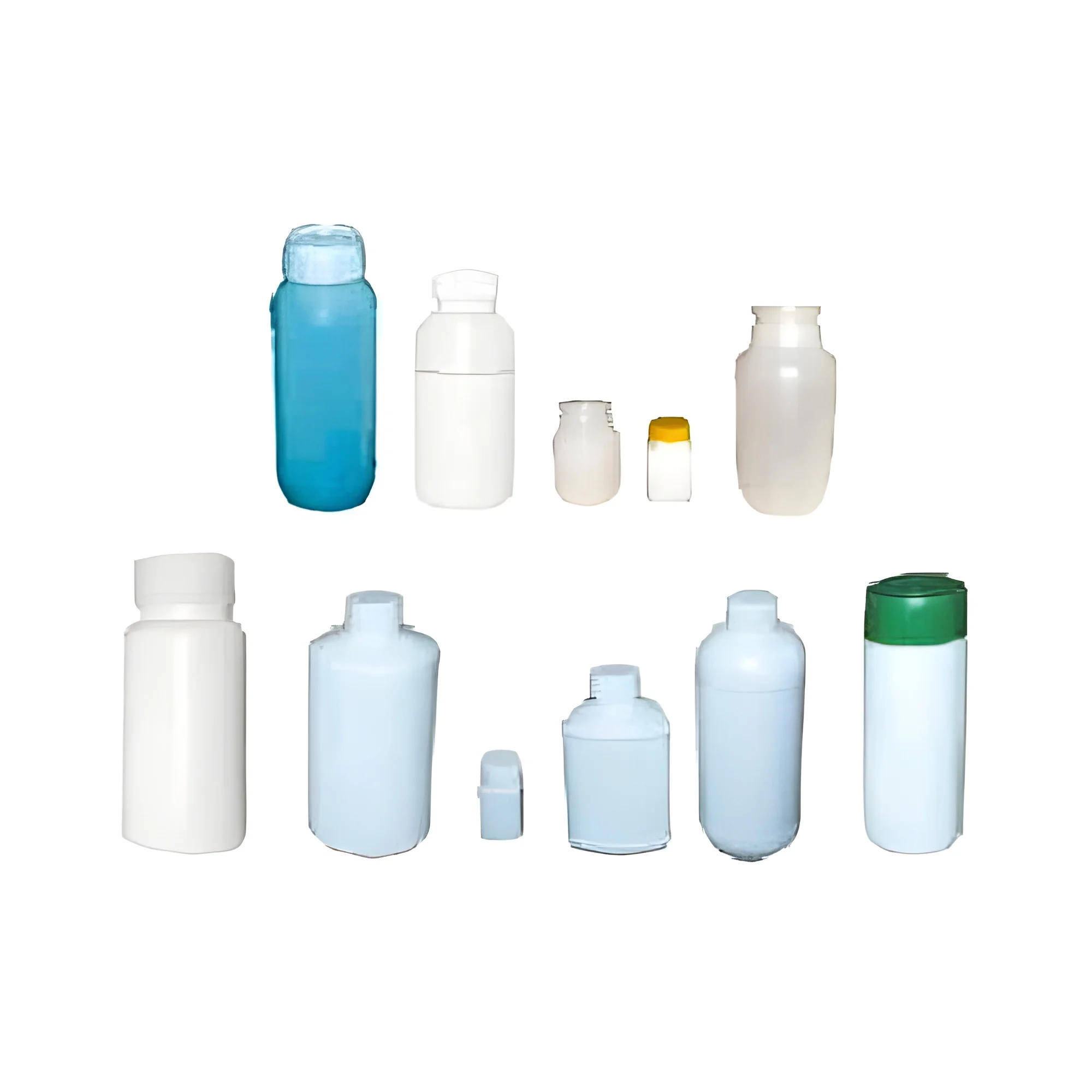
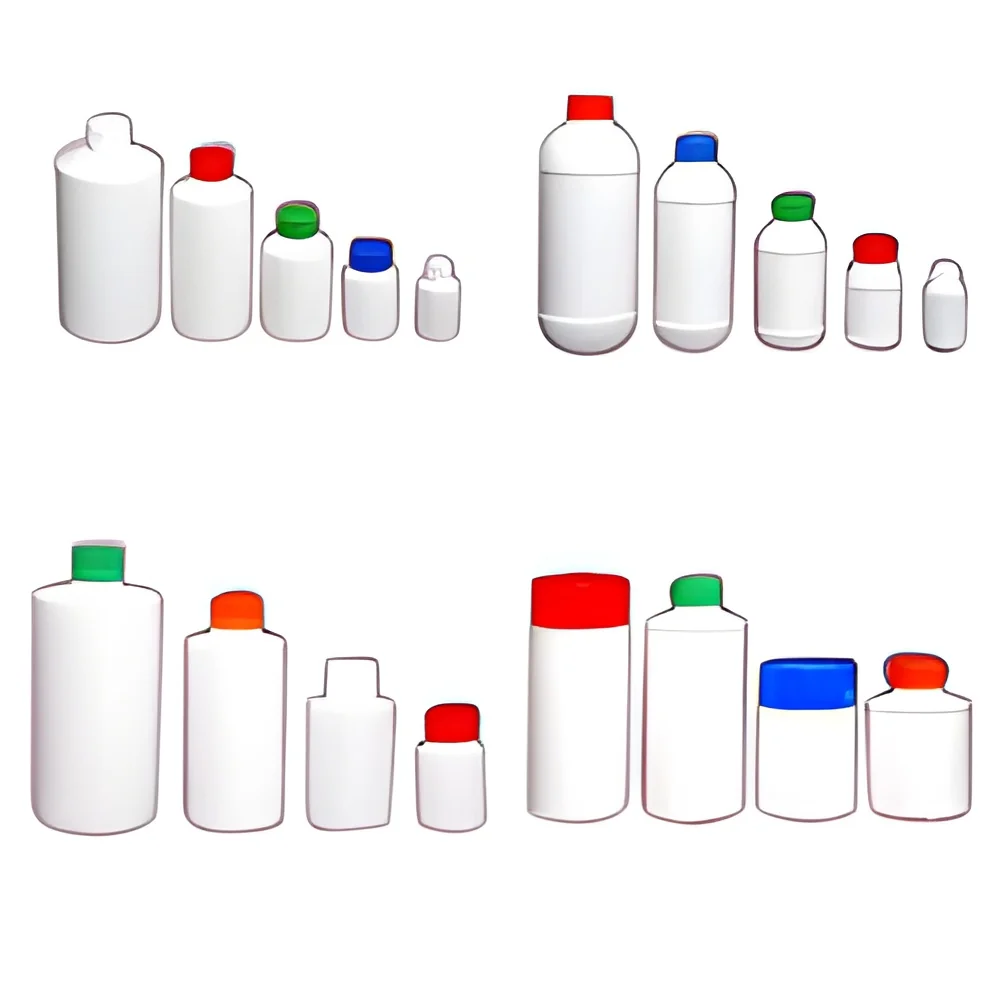
4. Consumer Goods: Many household products like bottles and toys are made from LDPE and HDPE, offering safety and durability.
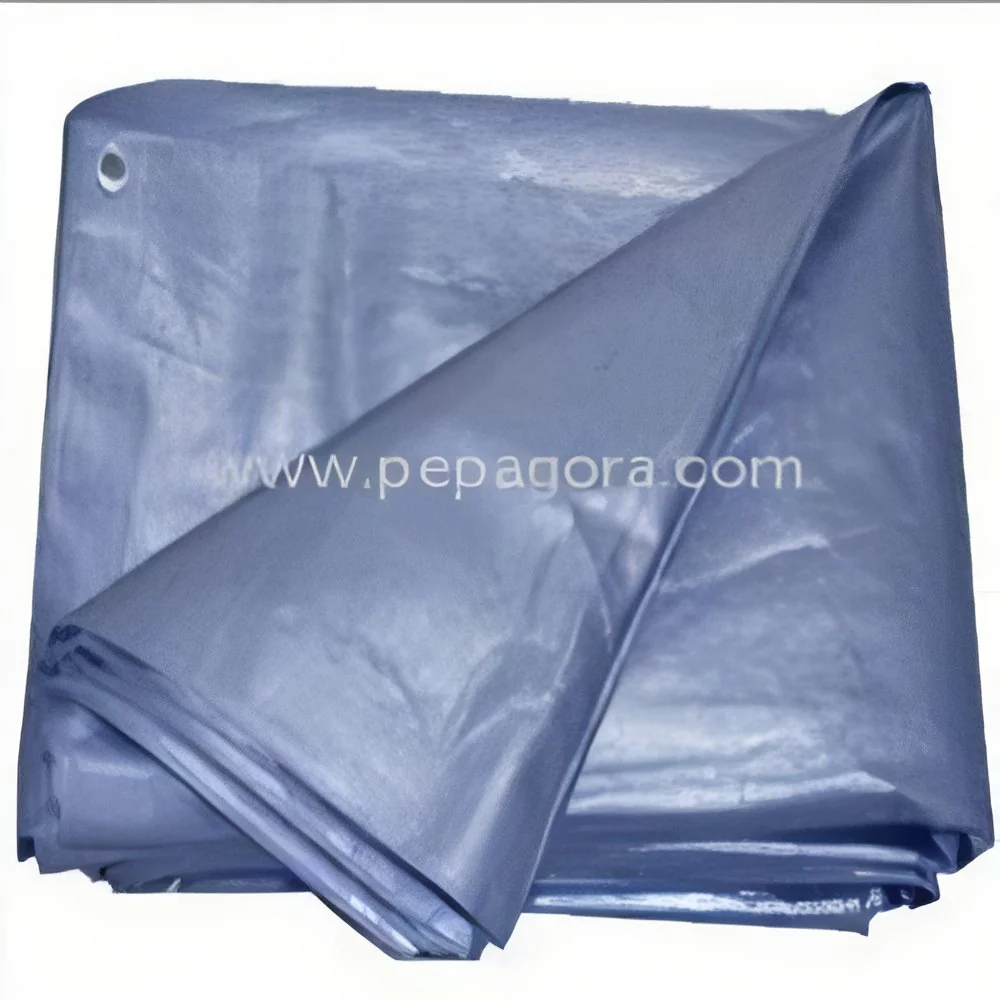
5. Agriculture: LLDPE is often used in agricultural films and covers, enhancing crop protection and yield.
6. Electrical: Polyethylene is used as insulation in electrical cables, ensuring safety and efficiency in power distribution.
7. Medical: In the medical field, polyethylene is utilized in various disposable products, ensuring hygiene and safety.
๐ฃ๐ฟ๐ผ๐ฑ๐๐ฐ๐ ๐ฉ๐ฎ๐ฟ๐ถ๐ฎ๐ป๐๐ ๐ฎ๐ป๐ฑ ๐ฆ๐๐ฏ๐ฐ๐ฎ๐๐ฒ๐ด๐ผ๐ฟ๐ถ๐ฒ๐
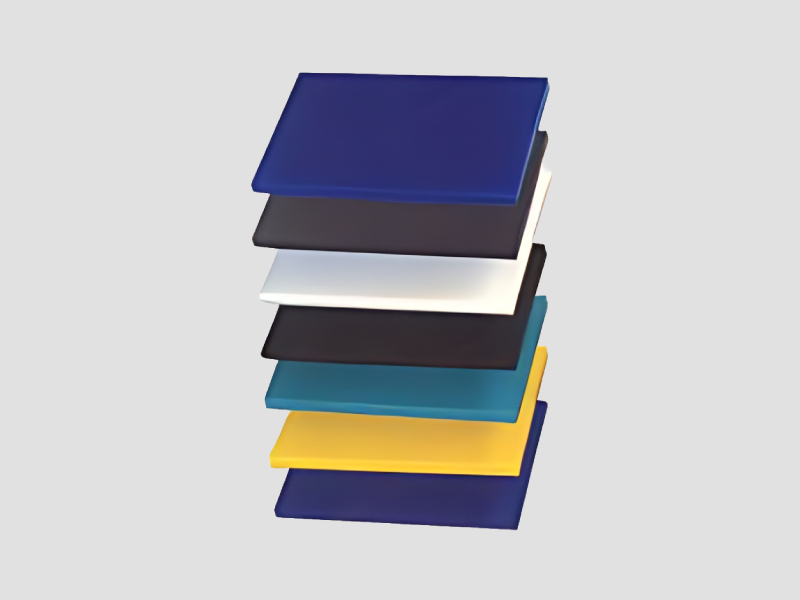
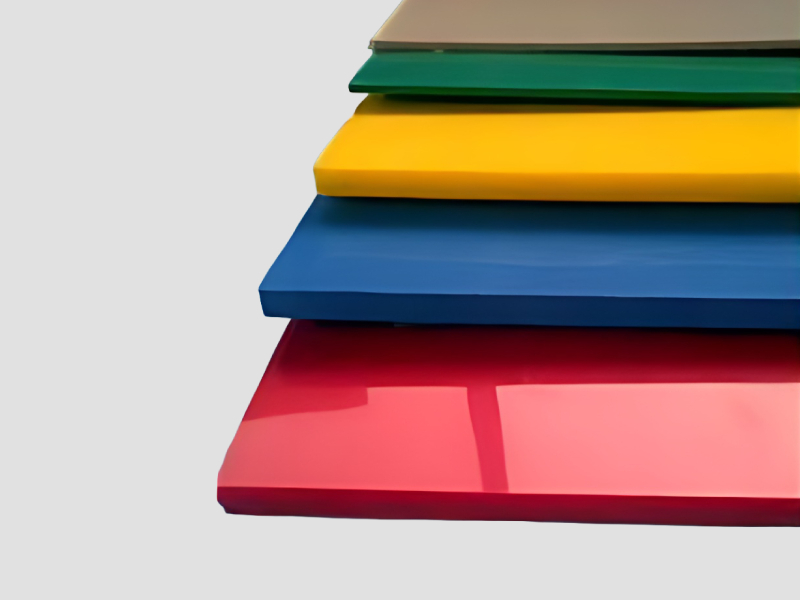
Polyethylene comes in different variants, each tailored for specific applications.
HDPE (High-Density Polyethylene)
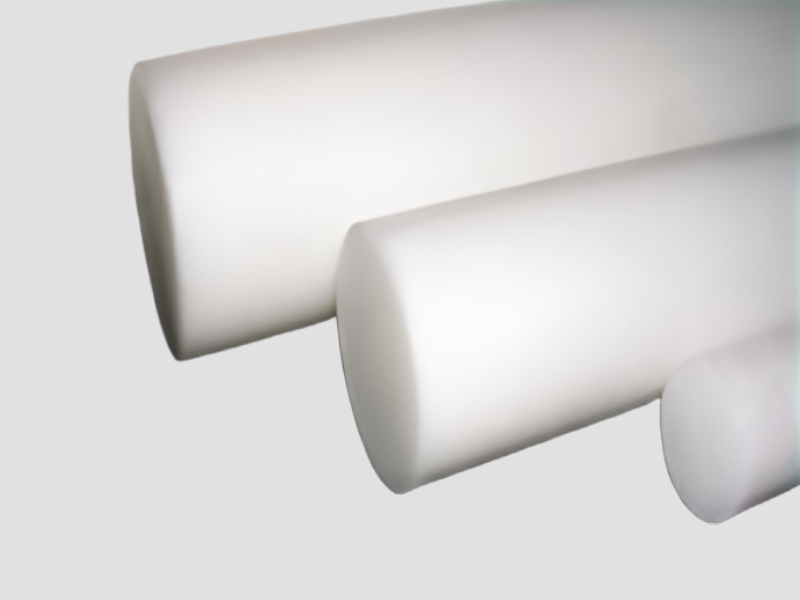
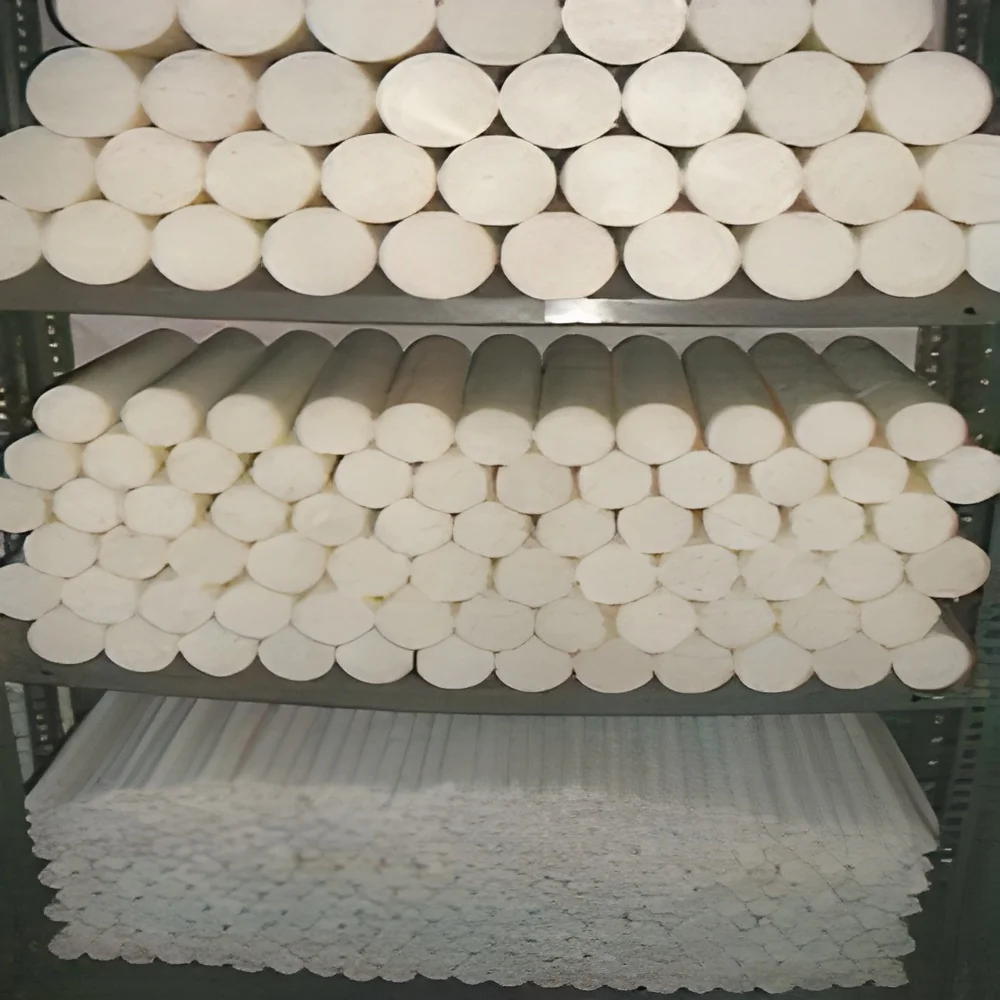
HDPE is known for its strength and rigidity. It is commonly used in making containers, pipes, and geomembranes. Its excellent chemical resistance makes it suitable for industrial applications.
LDPE (Low-Density Polyethylene)
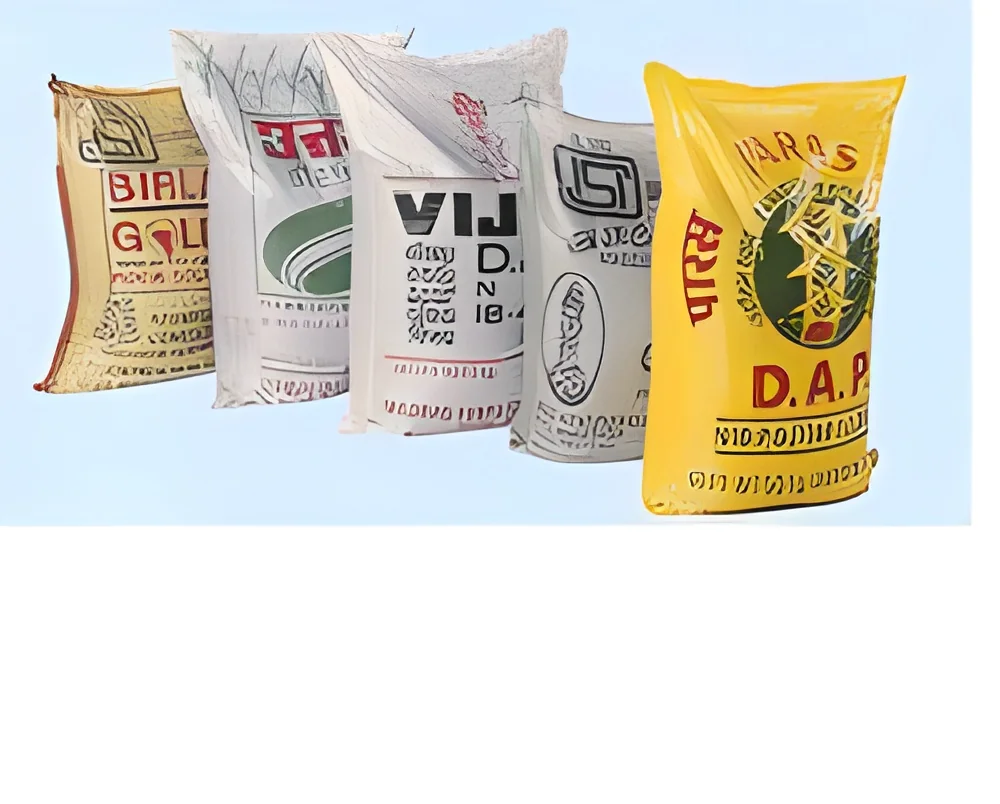
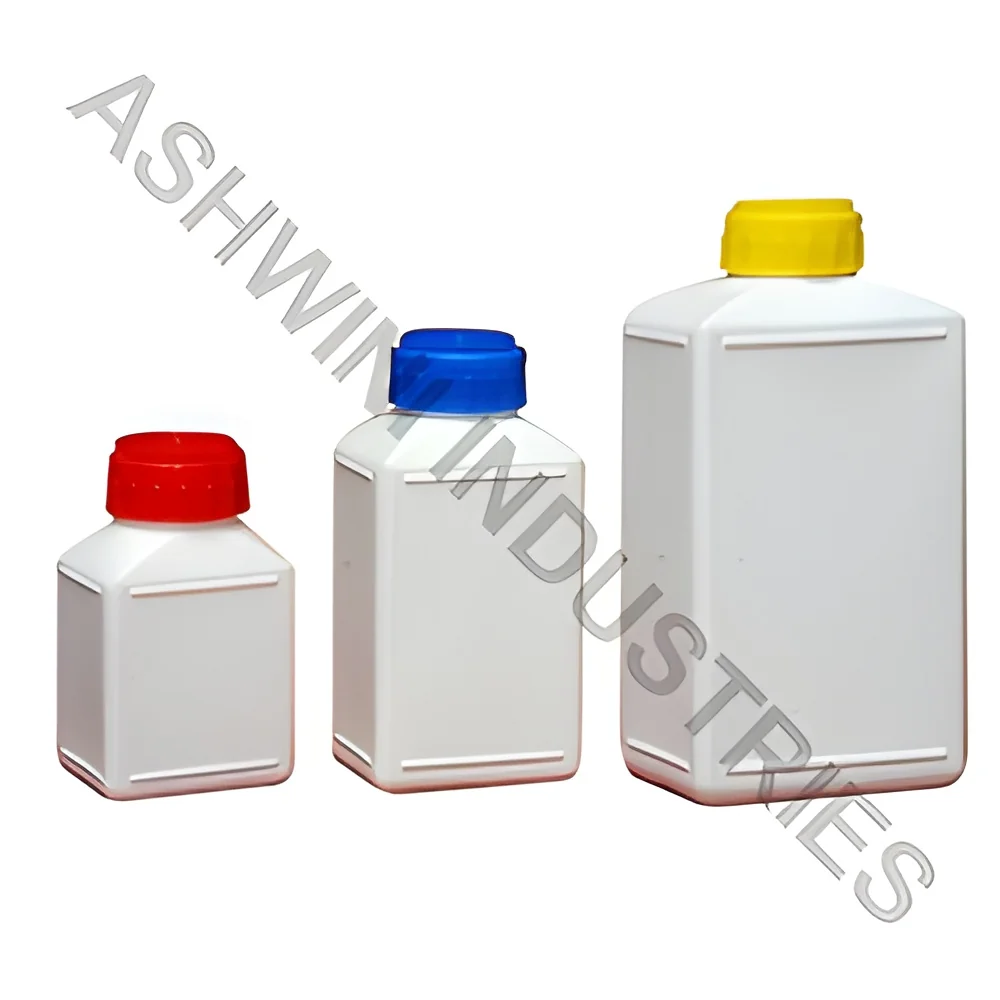
LDPE is characterized by its flexibility and low-density structure. It is widely used for plastic bags, films, and squeeze bottles. The material's lightweight nature makes it ideal for packaging solutions.
LLDPE (Linear Low-Density Polyethylene)
LLDPE combines the properties of HDPE and LDPE, offering both strength and flexibility. It is primarily used in film applications, such as stretch films and agricultural covers, providing excellent puncture resistance.
๐๐ฒ๐ป๐ฒ๐ณ๐ถ๐๐ ๐ฎ๐ป๐ฑ ๐๐ฑ๐๐ฎ๐ป๐๐ฎ๐ด๐ฒ๐
Polyethylene offers numerous benefits that make it an attractive option for businesses.
1. Versatility: Polyethylene can be molded into various shapes and forms, making it suitable for a wide range of applications.
2. Durability: The material is resistant to impact, chemicals, and moisture, leading to longer-lasting products.
3. Lightweight: Polyethyleneโs low density makes it easy to handle and transport, reducing shipping costs.
4. Cost-Effectiveness: The production of polyethylene is often less expensive compared to other materials, making it an economical choice for manufacturers.
5. Recyclability: Many forms of polyethylene can be recycled, contributing to sustainability initiatives.
6. Safety: Polyethylene is non-toxic and safe for food contact applications, complying with health and safety regulations.
๐๐๐๐ถ๐ป๐ด ๐๐๐ถ๐ฑ๐ฒ ๐ณ๐ผ๐ฟ ๐๐ฎ๐ ๐๐๐๐ฒ๐ฟ๐
When sourcing Polyethylene (HDPE, LDPE, LLDPE), it is crucial for businesses to consider several factors to ensure they make informed purchasing decisions.
1. Quality Assessment: Verify the quality of the polyethylene by reviewing material specifications and conducting tests if necessary. Look for certifications that guarantee material integrity.
2. Supplier Verification: Ensure suppliers have a good reputation and are capable of meeting quality standards. Conduct background checks and request references.
3. Pricing and MOQ: Understand the pricing structure and minimum order quantities (MOQ) from suppliers. This helps in budgeting and managing inventory effectively.
4. Delivery and Lead Times: Discuss logistics with suppliers to ensure timely delivery and reliability in supply chain management. Consider lead times for production and shipping.
5. Compliance Requirements: Be aware of regulatory standards that apply to polyethylene in your region, ensuring that the materials sourced comply with all necessary laws.
๐๐ผ๐บ๐ฝ๐น๐ถ๐ฎ๐ป๐ฐ๐ฒ ๐ฎ๐ป๐ฑ ๐๐ฒ๐ฟ๐๐ถ๐ณ๐ถ๐ฐ๐ฎ๐๐ถ๐ผ๐ป๐
Polyethylene products must adhere to established quality standards and regulations to ensure safety and reliability. Relevant quality standards include ISO 9001, which focuses on quality management systems, and HACCP, which emphasizes food safety.
Industry certifications, such as CE marking, indicate compliance with European safety standards, making polyethylene suitable for various applications in the region.
Additionally, safety and testing requirements must be met to ensure that polyethylene products are safe for consumer use. This includes testing for chemical resistance and physical properties.
Regional compliance considerations may vary, so it is essential to understand local regulations governing polyethylene use, especially in industries such as food and beverage, where strict guidelines are enforced.
Why Source Polyethylene (HDPE, LDPE, LLDPE) from Pepagora?
Pepagora provides a trusted platform for sourcing Polyethylene (HDPE, LDPE, LLDPE) with several key advantages.
Verified Supplier Network: Pepagora connects buyers with verified suppliers who have been vetted for quality and reliability. This ensures that businesses can source materials with confidence.
Streamlined RFQ Process: The request for quotation (RFQ) process on Pepagora is designed to be efficient, allowing buyers to receive competitive quotes from multiple suppliers quickly. This saves time and enhances purchasing decisions.
Trade Assurance and Support: Pepagora offers trade assurance and buyer protection, ensuring that transactions are secure. This support fosters trust and encourages successful business relationships.
Regional Coverage: With a strong presence in India, the GCC, and Southeast Asia, Pepagora provides extensive geographic coverage, making it easier for businesses to source polyethylene materials tailored to their regional needs.
By leveraging these advantages, businesses can confidently navigate the polyethylene market and make informed sourcing decisions.