
 IN
Aniline
7 products available
What are Aniline?
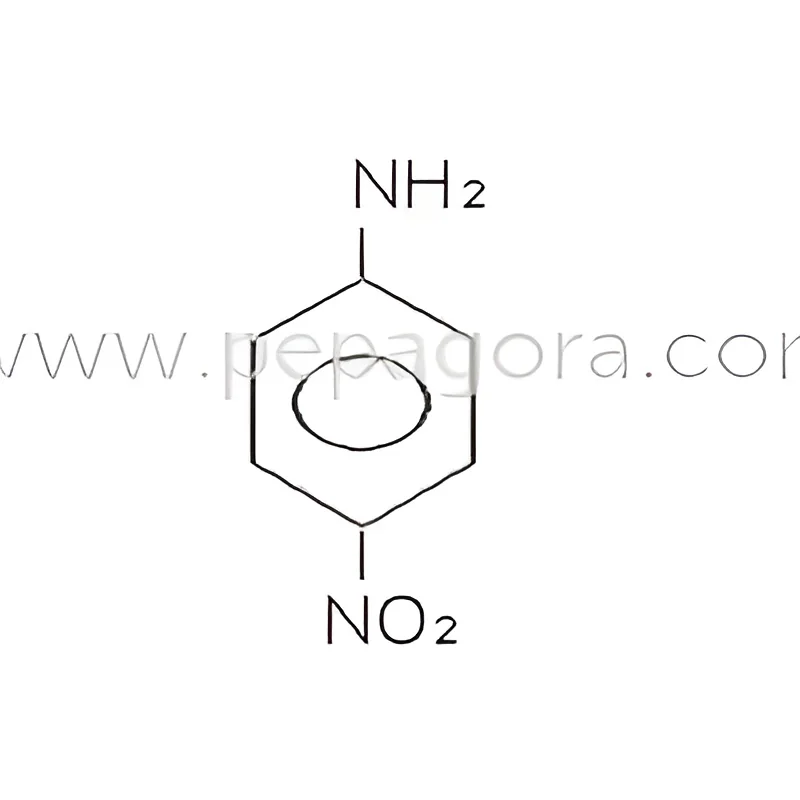
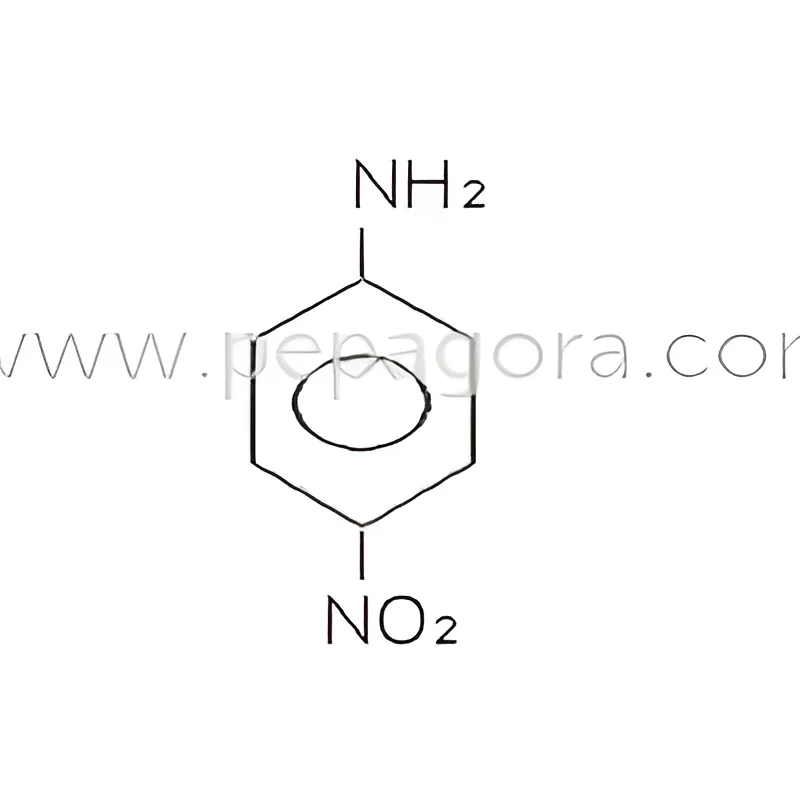
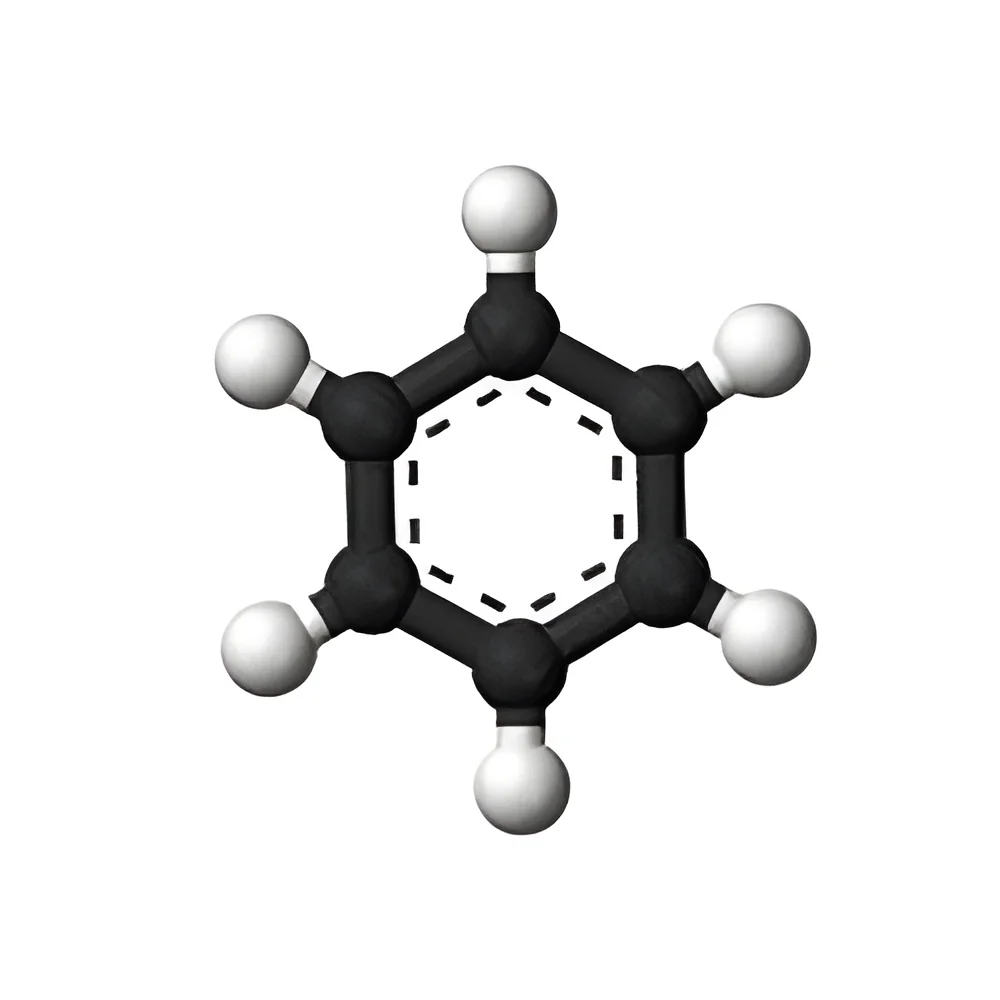
Aniline is an organic compound that consists of a phenyl group attached to an amino group. It is a colorless to slightly yellow liquid that has a distinctive odor. Aniline is primarily produced from benzene and is part of a larger family of compounds known as amines. Its chemical formula is C6H5NH2, and it is known for its ability to be transformed into various derivatives through chemical reactions.
Aniline finds extensive applications across multiple industries. Its primary use is in the production of dyes, particularly azo dyes, which are widely used in textiles. Additionally, it is utilized in the manufacture of rubber processing chemicals, pharmaceuticals, and agrochemicals. The versatility of aniline makes it a vital raw material in many manufacturing processes, where it plays a crucial role in creating products that are essential for everyday use.
In the current market context, aniline is relevant due to its integral role in the chemical industry. With the increasing demand for colorants and specialty chemicals, the market for aniline is expected to grow. The compound is also subject to various regulations concerning its safety and environmental impact, emphasizing the need for compliance among manufacturers.
Key Features and Specifications
Aniline is characterized by several important features and specifications that make it suitable for a wide range of applications. Understanding these specifications can help businesses make informed decisions.
Key specifications include:
1. Purity Level
- Aniline is typically available in high purity levels, often exceeding 99%.
- High purity ensures performance consistency in end products.
2. Boiling Point
- The boiling point of aniline is approximately 184 degrees Celsius.
- This property is critical for applications involving heat transfer and processing.
3. Melting Point
- Aniline has a melting point of around -6 degrees Celsius.
- This low melting point allows for easy handling and processing.
4. Density
- The density of aniline is approximately 1.02 g/cm³ at 20 degrees Celsius.
- Understanding density is essential for formulation and mixing purposes.
5. Solubility
- Aniline is soluble in water and many organic solvents.
- This property enables its use in various formulations.
6. Toxicity Level
- Aniline is classified as toxic and requires careful handling.
- Awareness of toxicity is crucial for safety and regulatory compliance.
7. Stability
- Aniline is stable under normal conditions but can react with strong oxidizing agents.
- Knowing its stability helps in storage and transportation.
In summary, aniline's key features and specifications highlight its utility across multiple industries and applications, making it a critical component in various chemical processes.
Common Applications and Use Cases
Aniline is utilized in a diverse range of industries, each benefiting from its unique properties.
1. Textile Industry: Aniline is a key ingredient in the production of dyes, particularly azo dyes, which are used to color fabrics. Its ability to form strong bonds with fibers makes it ideal for textile applications.
2. Rubber Industry: Aniline derivatives are used as accelerators and antioxidants in rubber processing. This enhances the durability and performance of rubber products.
3. Pharmaceutical Industry: Aniline is used in the synthesis of various pharmaceuticals, including analgesics and antipyretics. Its role in drug formulation is essential for effective medical treatments.
4. Agrochemical Industry: Aniline serves as a precursor for the production of pesticides and herbicides. Its chemical properties facilitate the development of effective agricultural solutions.
5. Chemical Manufacturing: Aniline is utilized in the production of plastics, resins, and other specialty chemicals, contributing to a wide array of manufactured goods.
6. Paints and Coatings: Aniline-based dyes and pigments are used in paints and coatings, providing vibrant colors and enhancing product aesthetics.
7. Adhesives and Sealants: Its chemical properties make aniline a suitable component in the formulation of adhesives and sealants, ensuring strong bonding capabilities.
Product Variants and Subcategories
Aniline is a versatile compound that can be tailored for specific applications, leading to a variety of product variants.
Aniline for Dyes: This variant is specifically processed for use in dye manufacturing. It provides the necessary chemical reactivity for creating vibrant colors in textiles and other materials.
Aniline for Rubber: This type is formulated to enhance its effectiveness in the rubber industry. It contains additives that optimize its performance as a rubber accelerator.
Aniline for Pharmaceuticals: This variant is produced with high purity standards to meet the stringent requirements in the pharmaceutical sector, ensuring safety and efficacy in drug formulations.
Benefits and Advantages
Aniline offers numerous benefits that make it a valuable asset for manufacturers across various industries.
1. Versatility: Aniline can be transformed into various derivatives, making it suitable for multiple applications in different sectors.
2. High Purity: The availability of high-purity aniline ensures consistent quality in manufacturing processes.
3. Cost-Effectiveness: Aniline is generally cost-effective compared to alternative chemical compounds, providing economic advantages to manufacturers.
4. Strong Bonding Properties: Its chemical structure allows for effective bonding in textile dyes and rubber formulations, enhancing product quality.
5. Diverse Applications: Aniline's ability to serve various industries means businesses can streamline sourcing and reduce the complexity of their supply chains.
6. Innovation Potential: Continuous research and development in aniline derivatives open avenues for new applications and improved performance in existing uses.
Buying Guide for B2B Buyers
When sourcing aniline, businesses should consider several key factors to ensure they choose the right product and supplier.
1. Quality Assessment: Evaluate the purity and composition of aniline to ensure it meets required specifications for intended applications.
2. Supplier Verification: Conduct thorough checks on suppliers to ensure they adhere to quality standards and have a good reputation in the industry.
3. Pricing and MOQ: Understand market pricing trends and minimum order quantities to make informed purchasing decisions that align with budget constraints.
4. Delivery and Lead Times: Assess suppliers' logistics capabilities and delivery schedules to avoid disruptions in production.
5. Compliance Requirements: Ensure that the aniline sourced complies with relevant safety and environmental regulations to mitigate risks associated with its use.
Compliance and Certifications
Compliance with industry standards and certifications is critical in the sourcing and use of aniline.
Relevant quality standards include ISO 9001, which focuses on quality management systems, ensuring that manufacturers meet customer and regulatory requirements. Compliance with HACCP (Hazard Analysis Critical Control Point) is essential for industries dealing with food and pharmaceuticals.
Additionally, aniline must adhere to safety requirements that ensure its safe handling and use, particularly in industries such as healthcare and agriculture. The CE certification indicates compliance with European health, safety, and environmental protection standards.
Regional compliance considerations are also important, as different regions may have specific regulations governing the use and transport of aniline. Understanding these requirements helps businesses navigate legal obligations effectively.
Why Source Aniline from Pepagora?
Pepagora provides a trusted platform for sourcing aniline, offering several key advantages for B2B buyers.
Verified Supplier Network: Pepagora features a network of verified suppliers committed to quality and reliability. This ensures that buyers receive authentic products that meet their needs.
Streamlined RFQ Process: The Request for Quotation (RFQ) system facilitates easy communication between buyers and suppliers, allowing for quick and efficient procurement.
Trade Assurance and Support: Buyers are protected through trade assurance programs that provide support throughout the purchasing process, ensuring a secure transaction.
Regional Coverage: Pepagora has a broad geographic reach, covering India, the GCC, and Southeast Asia. This extensive network helps buyers access local suppliers and reduces logistical challenges.

Frequently Asked Questions
What are Aniline?
Aniline is an organic compound that is classified as an aromatic amine. It is primarily derived from benzene and is used as a precursor in the manufacture of various chemical products, including dyes, plastics, and pharmaceuticals.
What are the different types of Aniline?
There are several types of Aniline, including simple Aniline and substituted Aniline compounds. Variants include methylaniline, toluidine, and diethylaniline, which have different chemical properties and applications in various industries.
How do I choose the right Aniline?
Selecting the right Aniline involves considering factors such as purity, intended application, and compatibility with other chemicals. It is also important to consult with suppliers regarding the specific requirements for your projects.
What are the standard specifications for Aniline?
Standard specifications for Aniline typically include parameters such as purity (usually over 99%), color, and boiling point. These specifications may vary depending on the intended application and the manufacturer.
What is the price range for Aniline?
The price of Aniline can vary widely based on purity, quantity, and supplier. Generally, the price range can be between INR 100 to INR 500 per kilogram, depending on market conditions and sourcing.
What quality standards apply to Aniline?
Quality standards for Aniline often include compliance with international regulations such as REACH and the American Chemical Society (ACS) standards. Manufacturers may also adhere to ISO certifications to ensure product consistency and safety.
Where can I find Aniline suppliers in India?
You can find Aniline suppliers in India through various online B2B marketplaces like Pepagora.com, trade shows, and industry-specific directories. It is advisable to evaluate suppliers based on their reputation and product quality.
Can Aniline be customized?
Yes, Aniline can be customized to meet specific requirements such as concentration, formulation, and packaging. It is recommended to discuss customization options directly with manufacturers or suppliers.
What is the typical minimum order quantity for Aniline?
The typical minimum order quantity (MOQ) for Aniline can vary by supplier, but it generally ranges from 25 kg to 100 kg. It's important to confirm the MOQ with your chosen supplier before placing an order.
What is the typical lead time for Aniline?
The typical lead time for Aniline orders can range from 1 to 4 weeks, depending on the supplier's inventory and production capabilities. It is advisable to communicate with suppliers to get accurate delivery timelines.
Why Businesses Trust Pepagora
Thousands of companies trust Pepagora to source smarter and sell faster
Expand Your Sales Globally

Source Smarter,Grow Faster
