What are Methanol?
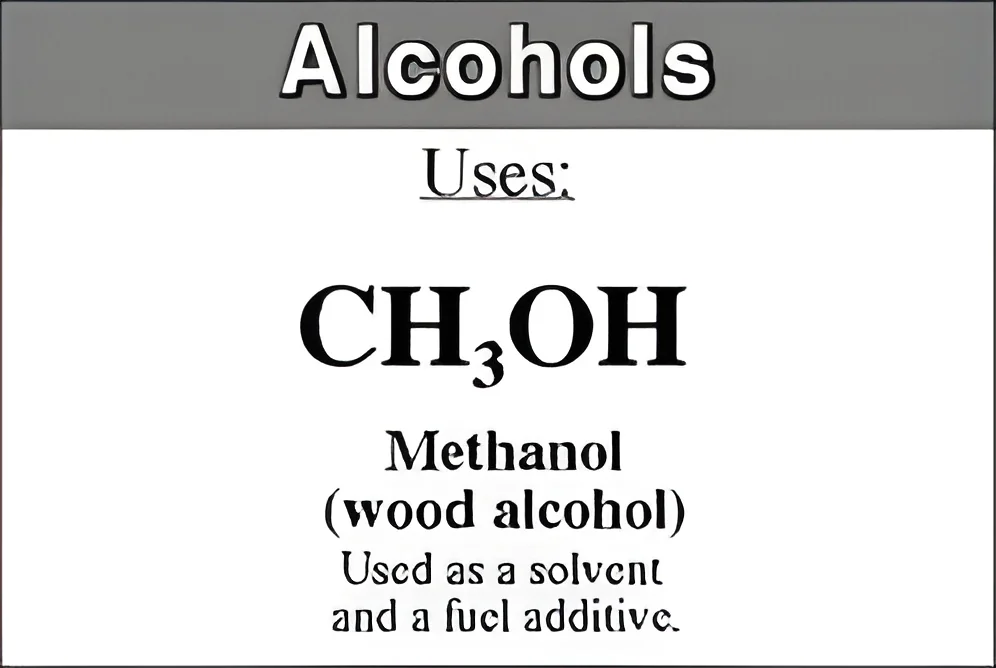
Methanol, also known as methyl alcohol, is a colorless, volatile liquid with a slightly sweet odor. It is the simplest alcohol and is produced from natural gas, biomass, or coal through various chemical processes. Methanol is hygroscopic, meaning it can absorb moisture from the air, and it has a low boiling point, making it efficient for applications requiring quick evaporation.
In the industrial sector, methanol serves multiple purposes. It is primarily used as a feedstock for the production of formaldehyde, acetic acid, and other chemical compounds. Methanol is also a key component in the manufacturing of plastics, paints, and pharmaceuticals. Its versatility extends to energy production, where it is utilized in fuel cells and as an alternative fuel in vehicles. The growing demand for methanol in various industries underscores its importance in the global market, with rising applications in renewable energy and sustainable practices.
Key Features and Specifications
Methanol stands out for its unique properties and specifications that cater to a wide range of industrial applications.
Key specifications include:
1. Purity Level
- Typically available in high-purity grades of 99.9% or higher.
- Ensures optimal performance in chemical reactions and applications.
2. Density
- Generally ranges from 0.791 to 0.793 g/cm³ at 20°C.
- Important for transport and storage considerations.
3. Boiling Point
- Boils at approximately 64.7°C.
- Critical for processes requiring specific thermal properties.
4. Flash Point
- Flash point of approximately 11°C.
- Important for safety and handling protocols.
5. Solubility
- Fully miscible with water and many organic solvents.
- Enhances its utility in diverse chemical processes.
6. Toxicity Level
- Classified as toxic; safe handling and storage are essential.
- Requires compliance with safety regulations.
7. Vapor Pressure
- Vapor pressure around 96 mmHg at 20°C.
- Influences handling and storage conditions.
8. Carbon Content
- Contains one carbon atom, making it a simple alcohol.
- Essential for its role in various chemical syntheses.
In summary, methanol's key features and specifications make it a vital product for numerous industries, emphasizing the importance of understanding these parameters when selecting a suitable grade for specific applications.
Common Applications and Use Cases
Methanol is utilized across several industries thanks to its diverse properties.
1. Chemical Manufacturing: Methanol is a fundamental feedstock in the production of formaldehyde, which is used in resins and adhesives. It also plays a crucial role in making acetic acid, essential for various chemical processes.
2. Energy Sector: As an alternative fuel, methanol is gaining traction in fuel cells and internal combustion engines. Its potential as a clean energy source contributes to reduced emissions.
3. Plastics Industry: Methanol is used as a solvent and a building block in producing various plastics, enhancing material properties and performance.
4. Pharmaceuticals: In the pharmaceutical industry, methanol serves as a solvent in drug formulations, ensuring the effective dissolution of active ingredients.
5. Paints and Coatings: Methanol is employed in producing paints and coatings, where it acts as a solvent that improves application characteristics.
6. Agriculture: Methanol is used in producing pesticides and fertilizers, contributing to agricultural productivity and crop protection.
7. Electronics: Methanol is a component in the manufacturing of certain electronic products, assisting in the production of semiconductors and circuit boards.
Product Variants and Subcategories
Methanol is available in various forms and specifications to meet specific industrial needs.
Industrial Grade Methanol
This variant is primarily used in chemical manufacturing and energy production. It is known for its high purity and efficiency in chemical reactions.
Fuel Grade Methanol
Designed specifically for fuel applications, this variant meets the necessary specifications for use in fuel cells and combustion engines, providing a cleaner energy source.
High-Purity Methanol
This variant is used in sensitive applications like pharmaceuticals and electronics. It ensures minimal impurities, which is crucial for maintaining product integrity.
Benefits and Advantages
Sourcing methanol offers numerous benefits that contribute to operational efficiency and innovation.
1. Versatility: Methanol's wide range of applications makes it suitable for various industries, from chemicals to energy.
2. Cost-Effectiveness: Methanol is often more affordable than other solvents and chemicals, providing significant savings in production costs.
3. Environmental Benefits: As a cleaner alternative fuel, methanol contributes to reduced greenhouse gas emissions, supporting sustainability goals.
4. High Purity Options: Available high-purity grades ensure optimal performance in sensitive applications, meeting stringent quality standards.
5. Easy Handling: Methanol's physical properties allow for straightforward transport and storage, facilitating smoother supply chain management.
6. Renewable Potential: Methanol can be produced from renewable sources, making it a sustainable option in the transition to greener energy solutions.
Buying Guide for B2B Buyers
When considering the purchase of methanol, it is crucial to evaluate several factors to ensure optimal sourcing.
1. Quality Assessment: Verify the purity and specifications of methanol to ensure it meets the requirements for your specific applications.
2. Supplier Verification: Conduct thorough background checks on suppliers to ensure they meet industry standards and can provide reliable products.
3. Pricing and MOQ: Compare pricing structures and understand the minimum order quantity, which can vary among suppliers.
4. Delivery and Lead Times: Discuss logistics and lead times with suppliers to ensure timely delivery that aligns with your production schedule.
5. Compliance Requirements: Ensure that the methanol meets all regulatory compliance requirements, including safety and environmental standards.
Compliance and Certifications
Methanol is subject to various compliance standards and certifications that ensure its quality and safety.
Quality standards such as ISO 9001 help manufacturers maintain consistent quality in their production processes. These standards are crucial for industries that rely on high-purity methanol.
Industry certifications, including CE, indicate that methanol products meet European safety requirements, providing assurance to buyers.
Safety and testing requirements are essential for handling methanol, given its toxicity. Proper labeling and safety data sheets (SDS) are necessary for compliance.
Regional compliance considerations may vary depending on local regulations. It is important to be aware of these requirements to avoid any legal complications.
Why Source Methanol from Pepagora?
Pepagora offers a reliable platform for sourcing methanol, providing numerous advantages for B2B buyers.
Verified Supplier Network: Pepagora ensures that all suppliers undergo a thorough verification process, guaranteeing the quality and reliability of the methanol sourced.
Streamlined RFQ Process: The platform simplifies the Request for Quotation process, allowing buyers to easily obtain competitive pricing and terms from multiple suppliers.
Trade Assurance and Support: Buyers benefit from trade assurance features that protect transactions, ensuring that orders are fulfilled as expected.
Regional Coverage: With a strong presence in India, the GCC, and Southeast Asia, Pepagora provides extensive geographic reach, facilitating access to methanol suppliers across these regions.
By choosing Pepagora, businesses can navigate the complexities of sourcing methanol with confidence and ease.

 IN
IN