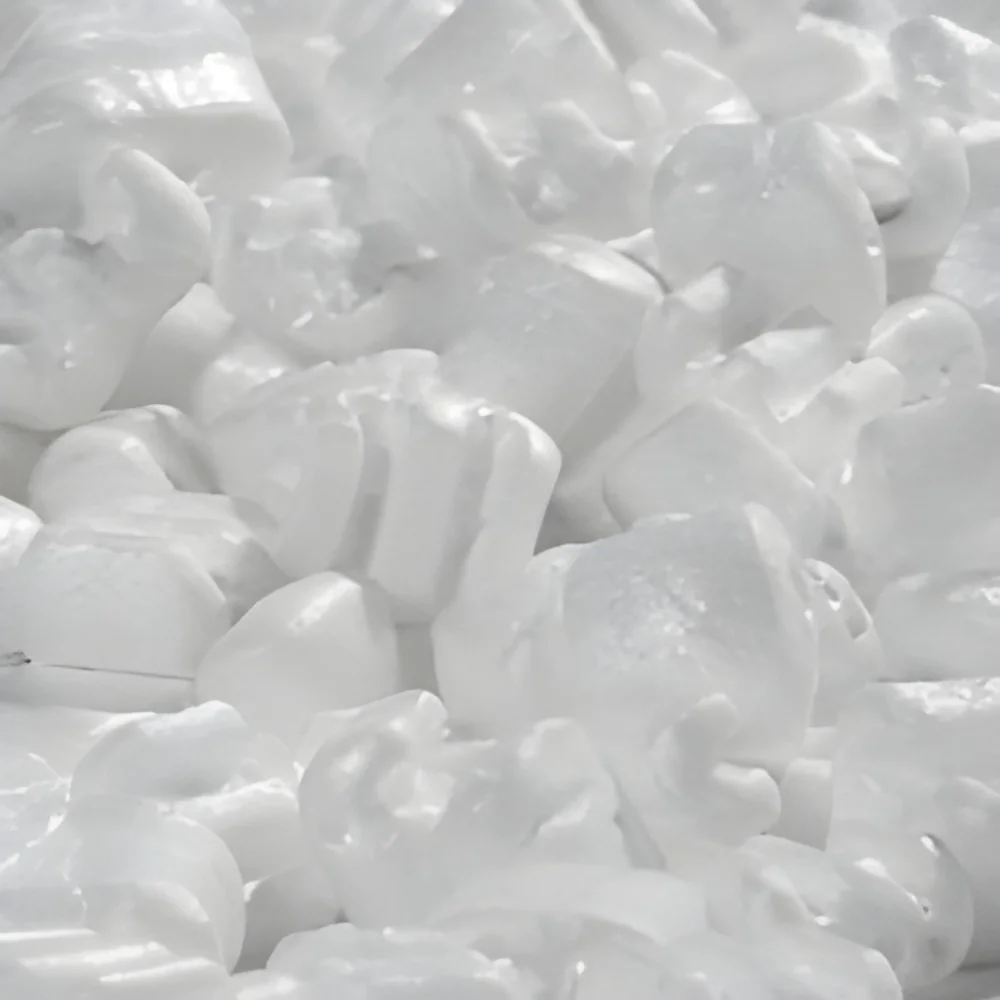
Key Features and Specifications
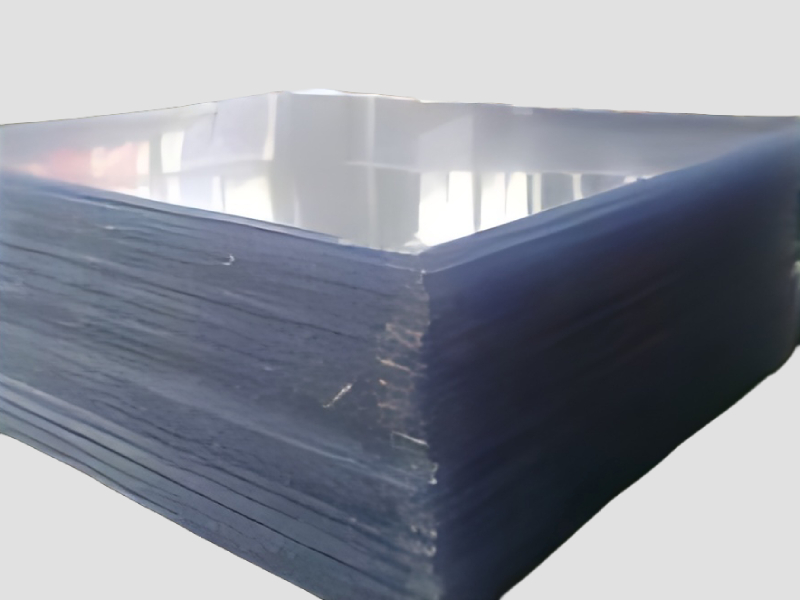
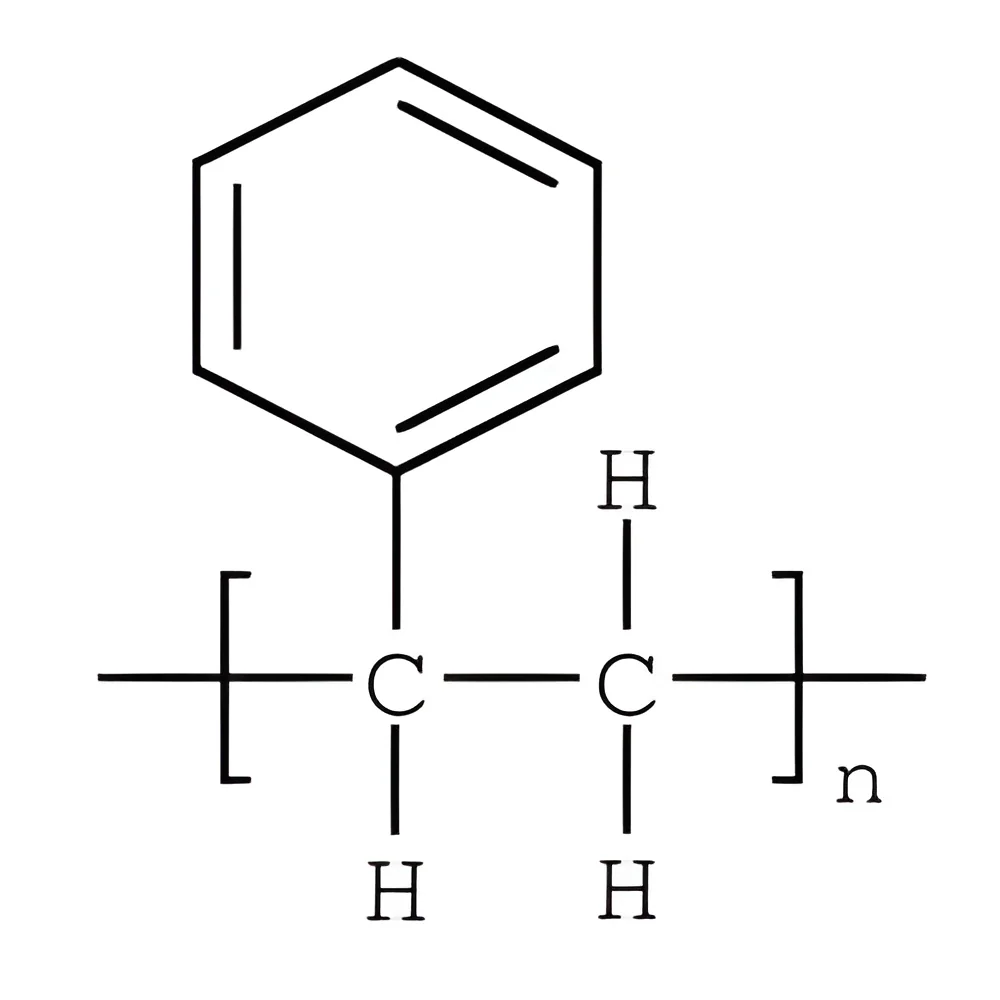
Polystyrene is recognized for several key features that make it suitable for diverse applications. It has a high degree of transparency, good electrical insulation properties, and is resistant to moisture. The material can also be produced in both high-impact and general-purpose grades, allowing for customization based on specific requirements.
Key specifications include:
1. Density
- Typically ranges from 0.90 to 1.05 g/cm³
- Affects the weight and buoyancy of the final product
2. Thermal Conductivity
- Generally low thermal conductivity, around 0.03 W/m·K
- Ideal for insulation applications
3. Impact Resistance
- Varies based on the grade, with high-impact variations offering improved toughness
- Important for durability in consumer products
4. Tensile Strength
- Ranges from 30 to 50 MPa depending on the formulation
- Critical for structural applications
5. Melting Point
- Approximately 240 °C
- Influences processing temperature during manufacturing
6. Chemical Resistance
- Moderate resistance to acids and bases
- Not suitable for strong solvents
7. UV Stability
- Generally low, may require additives for outdoor applications
- Important for longevity in sunlight exposure
8. Color Options
- Available in various colors and can be easily dyed
- Facilitates branding and aesthetic preferences
In summary, polystyrene's features and specifications make it a highly versatile material for numerous industrial applications.
Common Applications and Use Cases
Polystyrene is used across various industries due to its unique properties and cost-effectiveness.
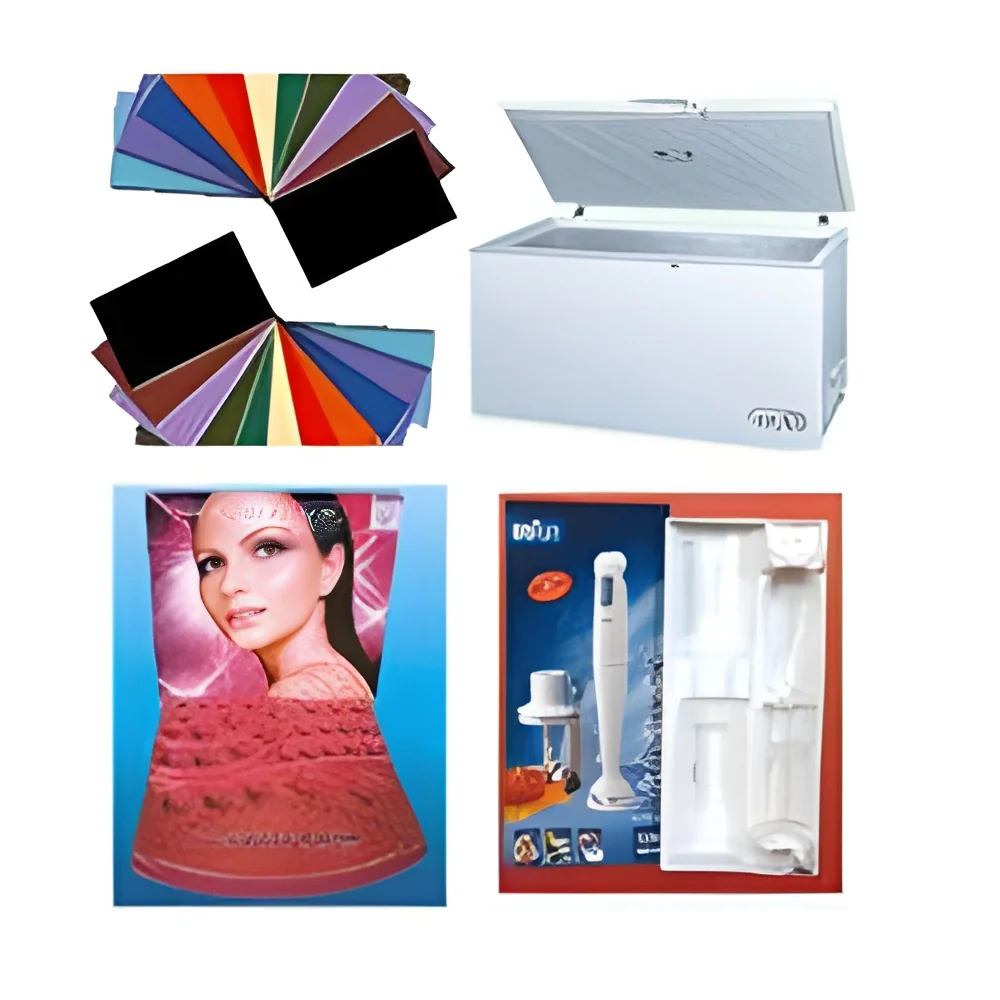
1. Packaging: Polystyrene is widely used in the packaging industry for products such as food containers, disposable cutlery, and protective packaging for electronics.
2. Construction: It serves as insulation in buildings, providing thermal efficiency and reducing energy costs. Polystyrene panels are commonly used in wall and roof insulation.
3. Automotive: In the automotive sector, polystyrene is utilized for interior components, dashboards, and various molded parts due to its lightweight and moldability.
4. Electronics: This material is used in the casing and insulation of electronic devices, taking advantage of its insulating and protective properties.
5. Consumer Goods: Polystyrene is found in a variety of consumer products, including toys, household items, and furniture due to its adaptability and ease of production.
6. Medical: Certain medical devices and packaging for pharmaceuticals utilize polystyrene for its sterility and ease of fabrication.
7. Arts and Crafts: Polystyrene is also popular in the arts and crafts sector for modeling and decorative purposes.
Product Variants and Subcategories
Polystyrene comes in various forms that cater to different needs across industries.
General Purpose Polystyrene (GPPS)
This variant is transparent and rigid, making it ideal for applications requiring clarity and rigidity, such as packaging and disposable items.
High Impact Polystyrene (HIPS)
HIPS is a modified version that offers improved toughness and impact resistance. It is commonly used in applications such as refrigerator liners and toys.
Expanded Polystyrene (EPS)
EPS is a lightweight, rigid foam used for insulation and packaging. Its excellent thermal insulation properties make it popular in construction and food packaging.
Benefits and Advantages
Polystyrene offers several key benefits that make it a preferred choice for many applications.
1. Cost-Effectiveness: Polystyrene is inexpensive compared to many other plastics, making it an attractive option for manufacturers.
2. Lightweight: Its low density allows for easier handling and transportation, reducing shipping costs.
3. Versatility: Polystyrene can be molded into various shapes and forms, making it suitable for a wide range of applications.
4. Insulation Properties: Its excellent thermal insulation makes it ideal for both packaging and construction applications.
5. Ease of Processing: Polystyrene can be easily formed, cut, and finished, enhancing production efficiency.
6. Chemical Resistance: While moderate, polystyrene's chemical resistance allows it to be used in various environments without degradation.
Buying Guide for B2B Buyers
When sourcing Polystyrene (PS), it is crucial for buyers to consider several factors to ensure the right material is selected.
1. Quality Assessment: Evaluate the quality standards and specifications of polystyrene, as these can significantly impact performance and suitability for specific applications.
2. Supplier Verification: It is essential to vet suppliers for reliability and quality assurance. Look for certifications and customer reviews to gauge credibility.
3. Pricing and MOQ: Understand the price range of polystyrene and inquire about minimum order quantities (MOQ) to align with budgetary constraints and production needs.
4. Delivery and Lead Times: Discuss logistics, including expected delivery times and shipping options, to ensure timely production schedules.
5. Compliance Requirements: Identify any regulatory standards that the polystyrene must meet for safety and quality. This includes industry-specific certifications.
Compliance and Certifications
Polystyrene must adhere to several quality standards to ensure safety and performance. Standards such as ISO 9001 are essential for maintaining quality management systems. Additionally, certifications like CE signify compliance with European safety and environmental requirements.
Safety and testing requirements may include assessments for chemical resistance and impact testing to ensure the material meets necessary performance criteria.
Regional compliance considerations may differ, necessitating awareness of local regulations regarding the use of polystyrene in specific applications, especially in the packaging and food industries.
Why Source Polystyrene (PS) from Pepagora?
Pepagora provides a trusted platform for sourcing Polystyrene (PS) with several key advantages.
Verified Supplier Network: Pepagora connects buyers with a network of verified suppliers, ensuring reliability and quality in sourcing polystyrene.
Streamlined RFQ Process: The platform features a streamlined request for quotation (RFQ) system, allowing buyers to easily compare options and select the best suppliers for their needs.
Trade Assurance and Support: Pepagora offers trade assurance measures that protect buyers, ensuring that orders are fulfilled as promised and providing support throughout the sourcing process.
Regional Coverage: With a focus on regions including India, the GCC, and Southeast Asia, Pepagora enables access to a wide array of suppliers, enhancing opportunities for competitive sourcing.

 IN
IN