What are Benzene?
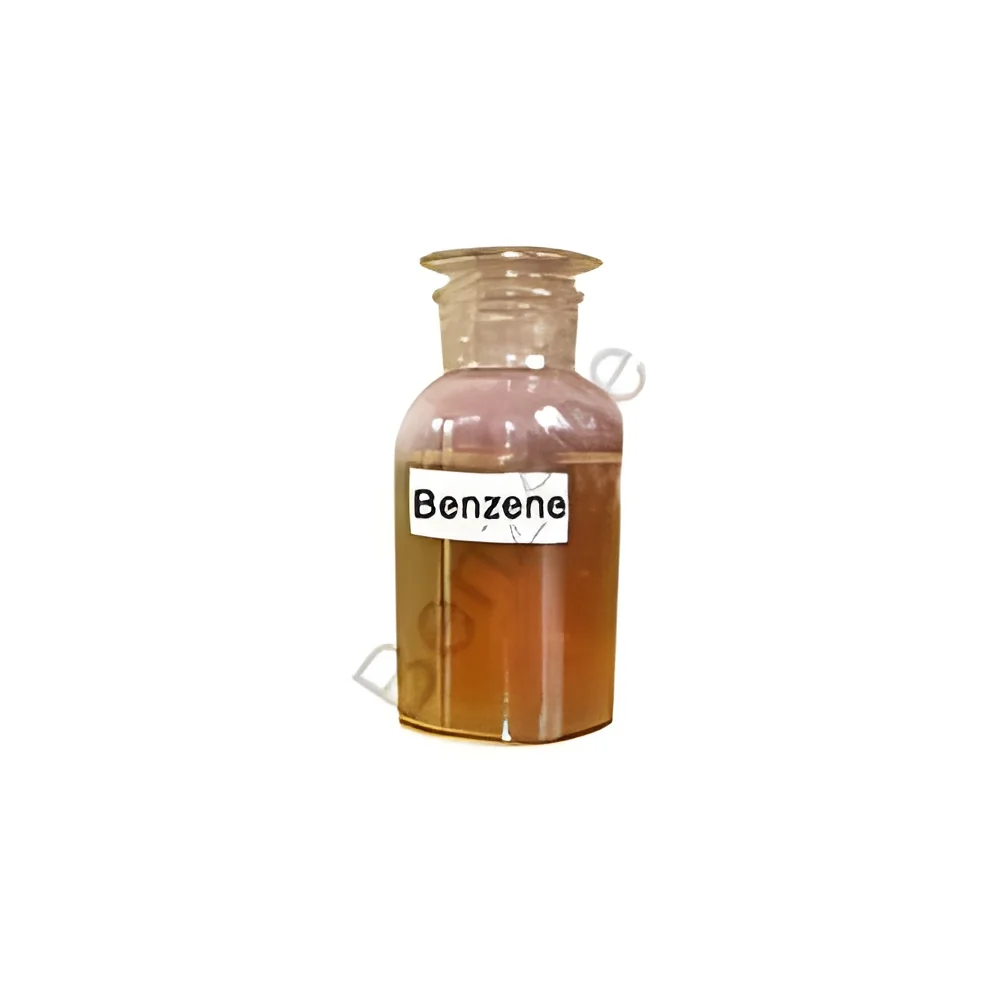
Benzene is a colorless, flammable liquid with a sweet odor, widely recognized as an important organic chemical compound. It has a molecular formula of C6H6 and is known for its stable ring structure, which consists of six carbon atoms bonded in a planar arrangement with alternating double bonds. This unique structure contributes to benzene's properties, making it a fundamental building block in organic chemistry.
The primary uses of benzene span various industries, making it a crucial component in the production of numerous chemicals and materials. It serves as a precursor for the synthesis of compounds such as styrene, phenol, and aniline, which are integral to manufacturing plastics, resins, and synthetic fibers. Additionally, benzene is utilized as a solvent in chemical processes and as an additive in fuels. Its relevance in the market is underscored by its role in the petrochemical industry, where it is produced from crude oil and natural gas.
Key Features and Specifications
Benzene is characterized by several key features and specifications that are important for industrial applications. Understanding these specifications is crucial for businesses looking to procure benzene for their operations.
Key specifications include:
1. Purity Level
- Benzene is typically required to have a high purity level, often exceeding 99.5%.
- Impurity levels must be monitored to ensure compliance with industry standards.
2. Physical State
- Benzene is a clear, colorless liquid at room temperature.
- Its boiling point is around 80.1 degrees Celsius.
3. Density
- The density of benzene is approximately 0.8765 grams per cubic centimeter.
- This property influences its handling and storage requirements.
4. Flash Point
- Benzene has a flash point of 11.2 degrees Celsius.
- This low flash point indicates the need for careful handling to avoid fire hazards.
5. Solubility
- Benzene is soluble in organic solvents but has low solubility in water.
- This property affects its use in different chemical processes.
6. Chemical Stability
- Benzene is relatively stable under normal conditions but can undergo electrophilic substitution reactions.
- Its stability is an important consideration in manufacturing processes.
7. Regulatory Compliance
- Benzene must adhere to local and international regulations regarding hazardous substances.
- Compliance ensures safe handling and usage.
8. Storage Conditions
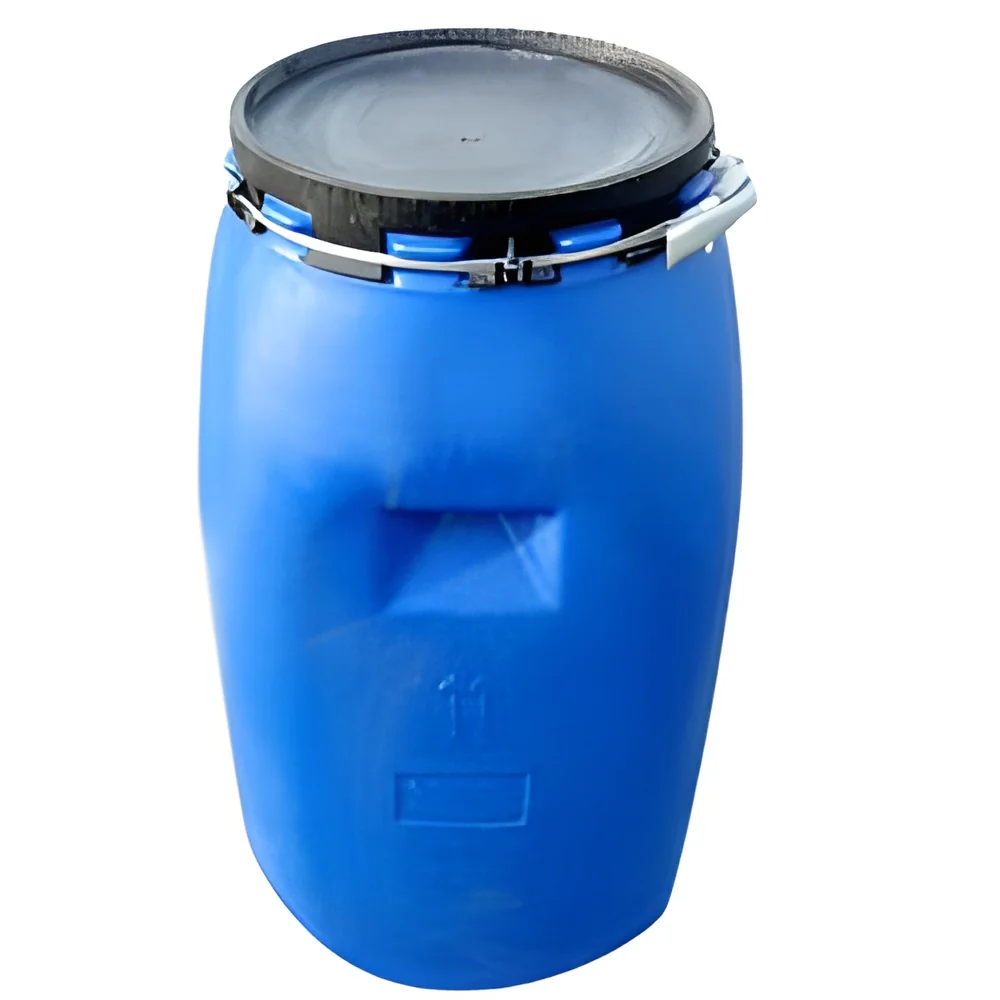
- Benzene should be stored in a cool, well-ventilated area in appropriate containers.
- Proper storage is essential to maintain its integrity and prevent accidents.
In summary, benzene's key features and specifications are vital for ensuring its effective use in various industrial applications.
Common Applications and Use Cases
Benzene serves various industries, demonstrating its versatility and importance in numerous applications.
1. Chemical Manufacturing: Benzene is used as a fundamental raw material in producing chemicals such as styrene, which is essential for making polystyrene plastics and resins.
2. Pharmaceuticals: The pharmaceutical industry utilizes benzene in the synthesis of various drugs and active pharmaceutical ingredients, contributing to the development of important medications.
3. Rubber Industry: Benzene is involved in producing synthetic rubber, which is crucial for making tires and other rubber products.
4. Paints and Coatings: It serves as a solvent in paints and coatings, enhancing their application properties and drying times.
5. Adhesives: Benzene is used in formulating adhesives, providing necessary viscosity and bonding strength.
6. Agriculture: In agriculture, benzene derivatives are used in the production of pesticides and herbicides, playing a significant role in crop protection.
7. Petrochemical Industry: Benzene is a key component in the petrochemical sector, where it is produced and processed into various chemical products.
Product Variants and Subcategories
While specific variants of benzene are not available, the product's applications can lead to different formulations or blends tailored to specific industrial needs.
One possible variation could be benzene with certain additives to enhance its performance in specific applications, such as improved solubility or safety features. These tailored formulations can be beneficial in niche markets.
Another consideration could be the sourcing of benzene from different suppliers who may offer unique blends or formulations that meet particular regulatory standards or performance criteria.
Overall, the diversity in applications opens the door for customization based on industry requirements.
Benefits and Advantages
Sourcing benzene presents several key benefits for businesses across different sectors.
1. Versatility: Benzene serves as a fundamental building block for many chemicals, making it applicable in diverse industries.
2. High Demand: The consistent demand for benzene derivatives provides a stable market for suppliers and manufacturers.
3. Cost-Effectiveness: When sourced in bulk, benzene can be a cost-effective solution for manufacturing various products.
4. Quality Assurance: High-purity benzene meets stringent industry standards, ensuring reliability in production processes.
5. Innovation Potential: Ongoing research and development in chemical applications offer opportunities for new uses of benzene.
6. Regulatory Compliance: Sourcing benzene from certified suppliers ensures adherence to safety and environmental regulations.
Buying Guide for B2B Buyers
When sourcing benzene, businesses should consider several critical factors to ensure they make informed purchasing decisions.
1. Quality Assessment: Buyers should evaluate the purity and quality of benzene, ensuring it meets industry standards for their specific applications. This may involve requesting certificates of analysis from suppliers.
2. Supplier Verification: It is essential to vet suppliers to ensure they are reputable and capable of providing consistent quality. This may include checking references and reviewing their compliance with industry regulations.
3. Pricing and MOQ: Understanding the pricing structure and minimum order quantity (MOQ) is crucial for budgeting and capacity planning. Buyers should compare prices from multiple suppliers to ensure competitive rates.
4. Delivery and Lead Times: Timely delivery is vital for maintaining production schedules. Buyers should inquire about lead times and the logistics involved in shipping benzene.
5. Compliance Requirements: Buyers must be aware of regulatory requirements regarding benzene in their region. This includes safety, handling, and environmental regulations that apply to the use of benzene.
Compliance and Certifications
Benzene production and distribution are subject to various compliance standards and certifications to ensure safety and quality.
Relevant quality standards, such as ISO 9001, govern the management of quality in manufacturing processes. Adherence to these standards is essential for maintaining product consistency and reliability.
Industry certifications such as CE indicate compliance with European safety standards, which is crucial for companies operating in or exporting to European markets.
Safety and testing requirements are paramount due to benzene's hazardous nature. Regular testing for purity and the presence of contaminants is necessary to meet safety regulations.
Regional compliance considerations may vary, necessitating awareness of local laws governing the handling and transport of benzene. Companies must ensure they meet these regulations to avoid penalties and ensure safe operations.
Why Source Benzene from Pepagora?
Pepagora provides a trusted platform for sourcing benzene, offering several key advantages for B2B buyers.
Verified Supplier Network: Pepagora ensures that all suppliers are thoroughly vetted for quality and reliability, providing buyers with confidence in their sourcing decisions.
Streamlined RFQ Process: The platform features an efficient request for quotation (RFQ) system, allowing buyers to easily compare offers from multiple suppliers and select the best option for their needs.
Trade Assurance and Support: Pepagora offers buyer protection through trade assurance, ensuring that transactions are secure and that buyers receive the quality products they expect.
Regional Coverage: With a strong presence in India, the GCC, and Southeast Asia, Pepagora can facilitate connections with local suppliers, making sourcing more accessible and efficient for businesses in these regions.

 IN
IN