Key Features and Specifications
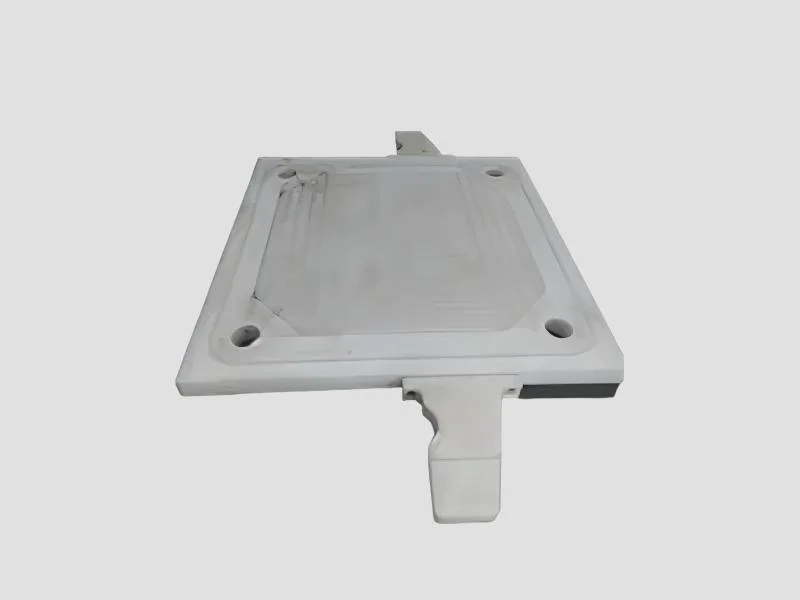
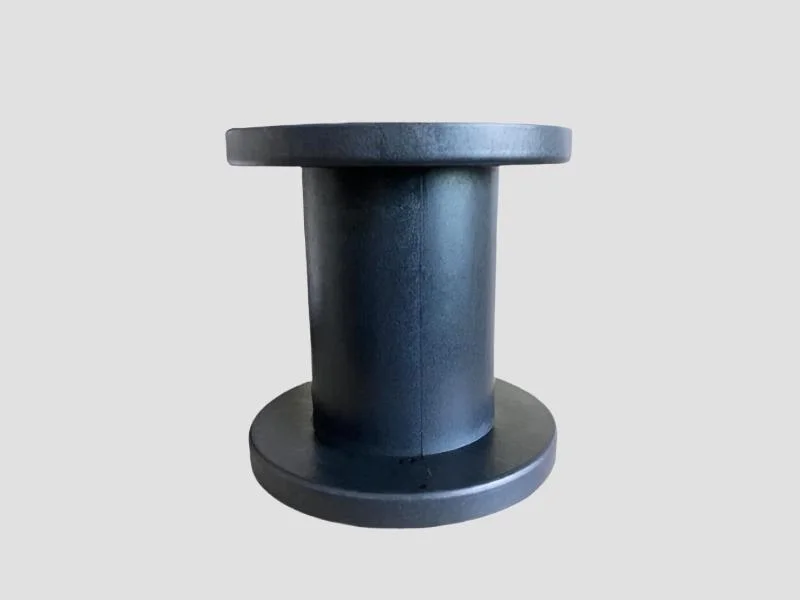
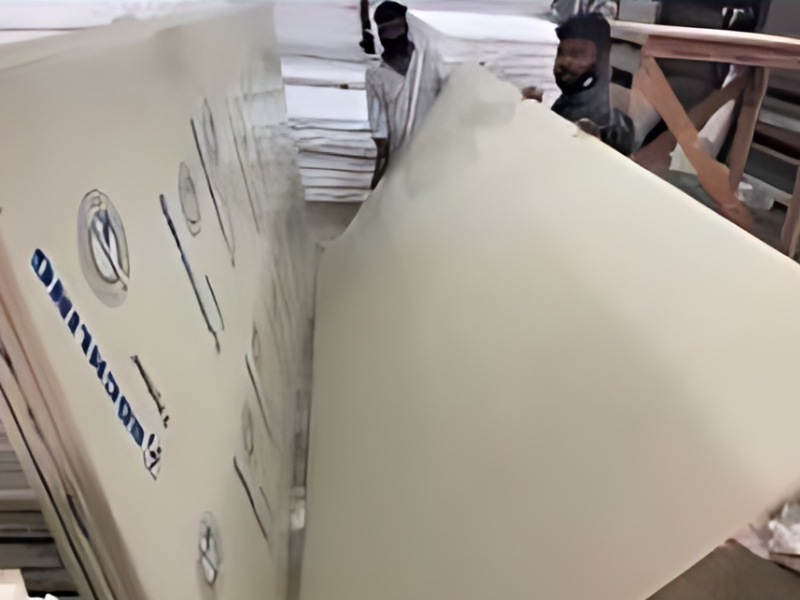
Polypropylene (PP) is characterized by several key features that make it an ideal choice for many applications. Its properties include high tensile strength, low density, and resistance to moisture and chemicals. These attributes ensure that PP can withstand various environmental conditions and mechanical stresses.
Key specifications include:
1. Mechanical Strength
- PP exhibits high tensile strength and rigidity.
- Typical tensile strength ranges from 30 to 50 MPa.
2. Chemical Resistance
- It is resistant to a wide range of chemicals, including acids and bases.
- Offers excellent resistance to organic solvents.
3. Thermal Stability
- Can withstand temperatures up to 100°C without significant degradation.
- Suitable for applications involving moderate heat exposure.
4. Density
- Low density of approximately 0.90 g/cm³.
- Contributes to lightweight product designs.
5. Impact Resistance
- Good impact resistance, especially at room temperature.
- Modified grades available for improved toughness.
6. UV Resistance
- Standard grades may require additives for enhanced UV stability.
- Important for outdoor applications.
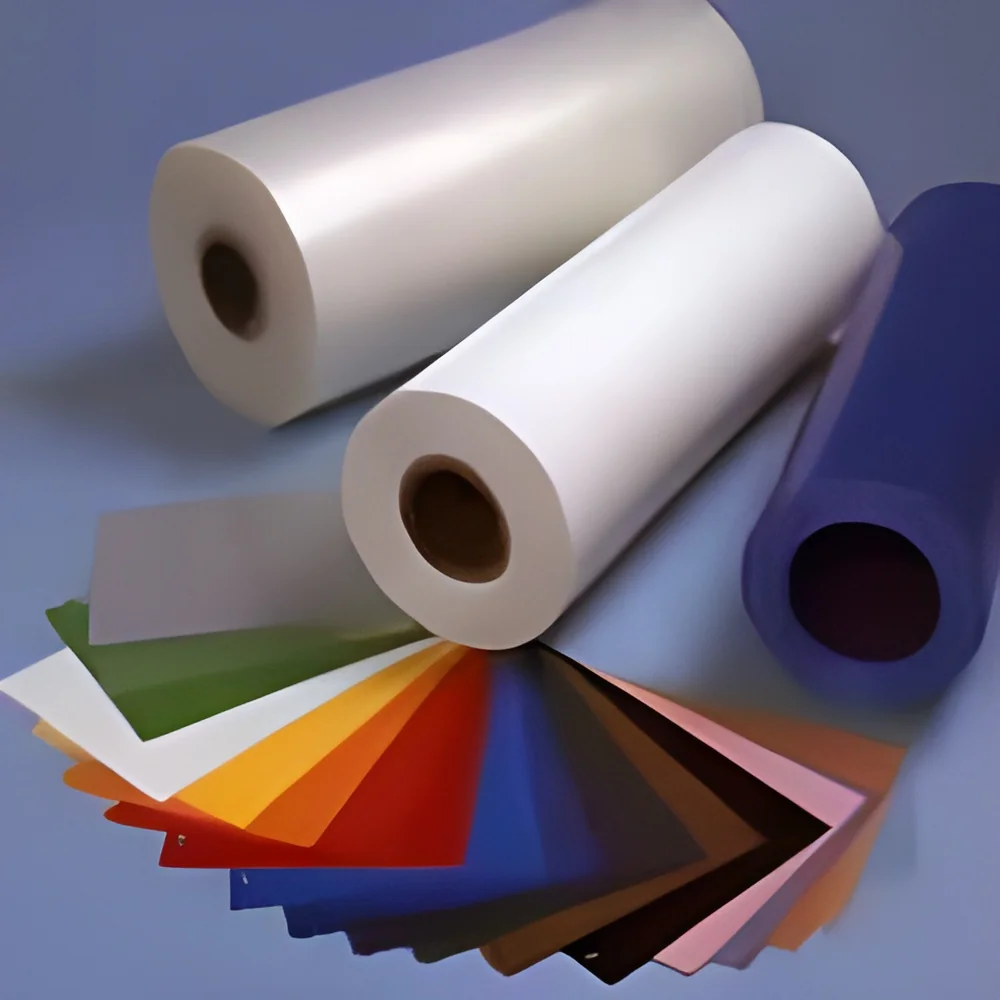
7. Colorability
- Can be easily colored and finished.
- Suitable for custom branding and aesthetics.
8. Processability
- Easily molded and extruded through various techniques.
- Compatible with mainstream manufacturing methods.
In summary, polypropylene's diverse features and specifications make it an excellent material choice for a wide range of industrial applications.
Common Applications and Use Cases
Polypropylene (PP) serves various industries with its unique properties and versatility.
1. Packaging: PP is extensively used for flexible and rigid packaging, including food containers, bottles, and films. Its moisture barrier properties help preserve product freshness.
2. Automotive: In the automotive industry, PP is used for dashboards, bumpers, and interior trim due to its lightweight nature and resistance to impact.
3. Textiles: PP is utilized in the production of non-woven fabrics for applications in hygiene products, such as diapers and feminine hygiene items, as well as in geotextiles for construction.
4. Consumer Goods: PP is used in manufacturing household items such as containers, furniture, and storage solutions due to its durability and ease of cleaning.
5. Medical: In the medical field, PP is used for disposable syringes, medical devices, and packaging materials, benefiting from its sterilization capabilities.
6. Electronics: PP is also found in the electronics sector for components like connectors and housings, where its dielectric properties are advantageous.
7. Construction: In construction, PP is employed for pipes and fittings, offering resistance to chemicals and moisture, making it suitable for plumbing applications.
Product Variants and Subcategories
Polypropylene (PP) offers a variety of product variants that cater to specific industry needs. These variants can be tailored based on desired properties and applications.
Homopolymer PP
This variant is known for its high strength and rigidity. It is commonly used in applications requiring structural integrity, such as automotive parts and industrial containers.
Copolymer PP
Copolymer polypropylene provides enhanced impact resistance and flexibility. It is often used in applications where durability and toughness are crucial, such as in packaging and automotive components.
Random Copolymer PP
This variant offers improved clarity and transparency, making it suitable for applications in packaging and consumer goods where visual appeal is important.
Benefits and Advantages
Polypropylene (PP) offers numerous benefits that make it a preferred choice for many manufacturers.
1. Cost-Effectiveness: PP is relatively inexpensive to produce, providing a cost-efficient solution for manufacturers across various industries.
2. Lightweight: The low density of polypropylene makes it easy to handle and transport, reducing shipping costs and enhancing efficiency.
3. Versatility: PP can be molded into various shapes and forms, allowing for a wide range of applications in different sectors.
4. Chemical Resistance: Its resistance to chemicals ensures long-lasting performance in environments where exposure to corrosive substances is common.
5. Recyclability: PP is recyclable, making it an environmentally friendly option that aligns with sustainability goals.
6. Customizability: PP can be easily modified and colored, allowing manufacturers to create tailored products that meet specific needs.
Buying Guide for B2B Buyers
When sourcing Polypropylene (PP), it is essential for buyers to consider several key factors to ensure successful procurement.
1. Quality Assessment: Evaluate the quality of PP by reviewing the supplier's certifications and testing methodologies. Ensure that the material meets industry standards for durability and performance.
2. Supplier Verification: Conduct thorough research to verify the credibility of suppliers. Look for established companies with a history of reliability and positive reviews from previous clients.
3. Pricing and MOQ: Understand the pricing structure and minimum order quantities (MOQ) required by suppliers. Compare prices across multiple vendors to find the best deal without compromising quality.
4. Delivery and Lead Times: Discuss logistics with suppliers to establish realistic delivery timelines. Timely delivery is crucial for maintaining production schedules.
5. Compliance Requirements: Ensure that the sourced polypropylene complies with relevant regulations and standards for your industry. This may include safety certifications and environmental regulations.
Compliance and Certifications
Polypropylene (PP) must adhere to various compliance and certification standards to ensure safety and quality across different applications.
Relevant quality standards, such as ISO 9001, focus on quality management systems and ensure that manufacturers maintain consistent quality in production processes. Compliance with HACCP (Hazard Analysis Critical Control Point) is essential in food packaging applications, ensuring that products are safe for consumer use.
Industry certifications, such as CE marking, indicate that the product meets European safety standards, allowing for broader market acceptance. Testing requirements for polypropylene often involve assessments of mechanical properties, chemical resistance, and thermal stability.
Additionally, regional compliance considerations must be taken into account, especially when entering international markets. Each region may have specific regulations that govern the use of polypropylene in various applications, requiring manufacturers to stay informed and compliant.
Why Source Polypropylene (PP) from Pepagora?
Pepagora provides a trusted platform for sourcing Polypropylene (PP) with several key advantages that streamline the procurement process for B2B buyers.
Verified Supplier Network: Pepagora has established a comprehensive network of verified suppliers, ensuring that buyers can access high-quality polypropylene products. This verification process helps eliminate risks associated with unreliable suppliers.
Streamlined RFQ Process: The request for quotation (RFQ) process on Pepagora is designed to be efficient and user-friendly. Buyers can easily submit their requirements and receive competitive quotes from multiple suppliers, facilitating informed decision-making.
Trade Assurance and Support: Pepagora offers trade assurance to protect buyers throughout the purchasing process. This includes support in negotiations, dispute resolution, and ensuring that products meet quality expectations.
Regional Coverage: With a strong presence in India, the GCC, and Southeast Asia, Pepagora ensures that buyers can source polypropylene locally or regionally, reducing lead times and shipping costs. This extensive coverage allows for better service and responsiveness to market demands.

 IN
IN