What are Surfactants & Emulsifiers?
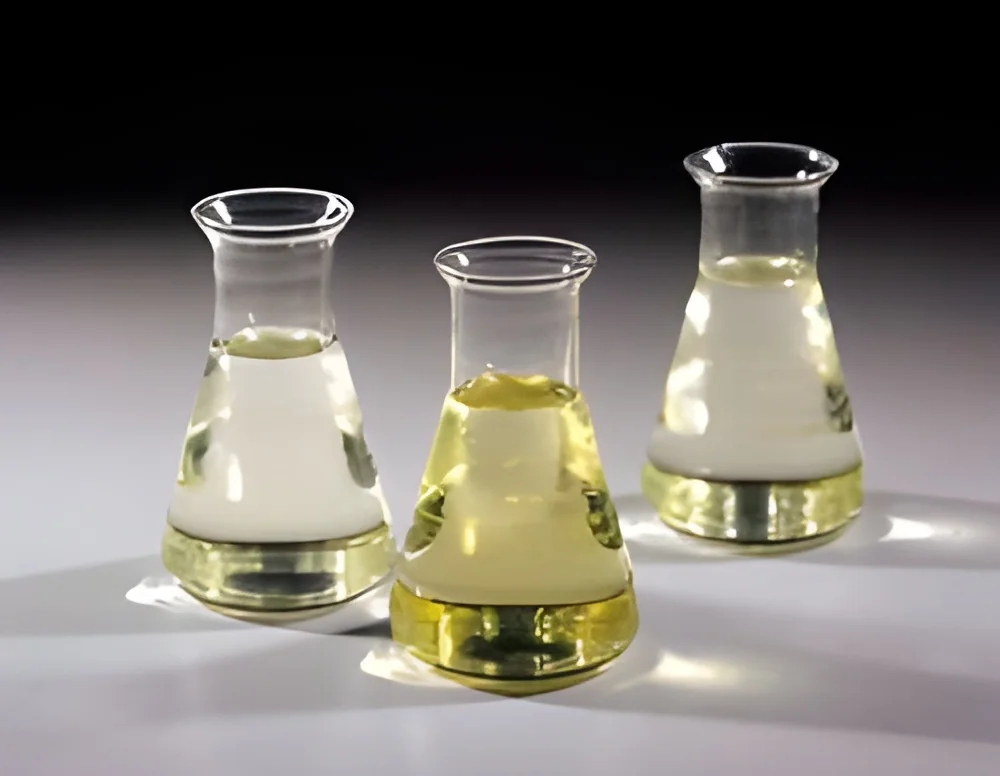
Surfactants and emulsifiers are essential chemical compounds widely used in various industries to enhance the solubility of substances, reduce surface tension, and create stable mixtures. Surfactants, or surface-active agents, work by accumulating at the interface between different phases, such as oil and water, allowing for improved dispersion and mixing. Emulsifiers, a subset of surfactants, specifically help stabilize emulsions, which are mixtures of oil and water that do not naturally blend.
These compounds find extensive applications across multiple sectors, including pharmaceuticals, cosmetics, food processing, and agriculture. In the pharmaceutical industry, surfactants help in drug formulation and delivery, while in cosmetics, they are used for product stability and enhanced texture. The food industry relies on emulsifiers to improve the consistency and shelf-life of products. As industries continue to evolve, the demand for surfactants and emulsifiers grows, driving innovation and diversification in formulations and applications.
Key Features and Specifications
Surfactants and emulsifiers come with various features and specifications that cater to different industrial needs. Understanding these specifications helps businesses select the right products for their applications.
Key specifications include:
1. Chemical Composition
- Surfactants can be anionic, cationic, non-ionic, or amphoteric.
- Each type has specific properties and applications in various industries.
2. HLB Value (Hydrophilic-Lipophilic Balance)
- This value indicates the balance between hydrophilic and lipophilic properties.
- A higher HLB value is suitable for water-in-oil emulsions, while a lower value is ideal for oil-in-water emulsions.
3. Active Matter Content
- Refers to the percentage of active ingredients in the product.
- Higher active matter often leads to better efficiency in applications.
4. pH Range
- The pH level can affect the stability and performance of surfactants.
- Different applications may require specific pH ranges for optimal results.
5. Temperature Stability
- Some surfactants are designed to perform well in extreme temperature conditions.
- This feature is crucial for applications in industries such as food processing and personal care.
6. Solubility
- The solubility of surfactants can vary based on their chemical structure.
- Understanding solubility is vital for formulating products across different media.
7. Compatibility
- Compatibility with other ingredients is essential for product formulation.
- Surfactants must work well with other components to ensure stability.
8. Biodegradability
- Many industries now prioritize eco-friendly surfactants.
- Biodegradable options are essential for compliance with environmental regulations.
In summary, selecting surfactants and emulsifiers involves understanding their chemical properties and compatibility with specific applications, ensuring optimal performance and compliance with industry standards.
Common Applications and Use Cases
Surfactants and emulsifiers are versatile agents that serve various industries and applications.
1. Pharmaceuticals: Surfactants are crucial in drug formulation, enhancing solubility and bioavailability of active ingredients, aiding in effective drug delivery systems.
2. Cosmetics: In the cosmetic industry, emulsifiers stabilize creams and lotions, improving texture and application while ensuring product longevity.
3. Food Processing: Emulsifiers play a significant role in stabilizing sauces, dressings, and dairy products, enhancing texture and preventing separation.
4. Agriculture: Surfactants are used in pesticides and herbicides to improve wetting and spreading, enhancing efficacy in crop protection.
5. Household Products: Many cleaning agents and detergents contain surfactants that aid in removing dirt and grease, providing effective cleaning solutions.
6. Oil and Gas: Surfactants are employed in enhanced oil recovery processes, improving oil extraction efficiency and reducing environmental impact.
7. Textiles: In the textile industry, emulsifiers and surfactants facilitate dyeing and finishing processes, ensuring uniformity and quality.
Product Variants and Subcategories
Surfactants and emulsifiers come in diverse variants tailored to meet specific industry requirements. This diversity allows businesses to choose products that best fit their applications.
Non-Ionic Surfactants
These surfactants are known for their mildness and non-reactive nature. They are commonly used in personal care products and pharmaceuticals due to their compatibility with various ingredients.
Anionic Surfactants
Anionic surfactants are effective in cleaning applications, providing strong detergency. They are widely used in household cleaning products and industrial applications.
Cationic Surfactants
These surfactants possess antimicrobial properties, making them suitable for use in disinfectants and fabric softeners. They help in providing a conditioning effect in personal care products.
Amphoteric Surfactants
Amphoteric surfactants are versatile and can act as either anionic or cationic depending on the pH. They are commonly used in personal care formulations for their mildness and conditioning properties.
Benefits and Advantages
Choosing the right surfactants and emulsifiers offers numerous benefits to businesses across various sectors.
1. Improved Product Stability: Surfactants and emulsifiers enhance the stability of mixtures, preventing separation and ensuring consistent quality.
2. Enhanced Performance: These compounds improve the efficiency of cleaning products, pharmaceuticals, and food items, leading to better end-user satisfaction.
3. Versatile Applications: The wide range of surfactants allows for diverse applications across industries, providing flexibility in formulation.
4. Cost-Effective Solutions: By optimizing product formulations, surfactants and emulsifiers can reduce overall production costs.
5. Eco-Friendly Options: Many surfactants are now available as biodegradable, supporting sustainability initiatives and compliance with environmental regulations.
6. Customized Formulations: Manufacturers can tailor surfactants and emulsifiers to meet specific product requirements, enhancing their market competitiveness.
Buying Guide for B2B Buyers
When sourcing surfactants and emulsifiers, B2B buyers should consider several critical factors to ensure they make informed decisions.
1. Quality Assessment: Buyers should evaluate the quality of surfactants based on purity, performance, and compliance with industry standards. Conducting tests and seeking certifications can help ensure quality.
2. Supplier Verification: It is essential to vet suppliers to ensure they have a reliable track record and can meet delivery and quality expectations. This includes checking references and certifications.
3. Pricing and MOQ: Understanding the price range and minimum order quantities (MOQ) is crucial for budgeting and ensuring sufficient supply for production needs.
4. Delivery and Lead Times: Buyers should assess logistics capabilities, including delivery times and shipping methods, to ensure timely availability of products.
5. Compliance Requirements: Ensuring that surfactants and emulsifiers meet relevant industry regulations and safety standards is critical for avoiding legal issues and maintaining quality.
Compliance and Certifications
Compliance and certifications are vital in ensuring that surfactants and emulsifiers meet industry standards and safety requirements. Key quality standards such as ISO 9001 guarantee a consistent level of quality management across production processes. Other standards like HACCP (Hazard Analysis Critical Control Point) focus on ensuring food safety, especially in applications involving food processing.
Certifications such as UL and CE indicate that products meet specific safety and performance criteria, offering assurance to buyers regarding product reliability. Safety and testing requirements also play a significant role in product development, ensuring that surfactants and emulsifiers are safe for consumers and the environment.
Regional compliance considerations are essential, as different regions may have varying regulations regarding chemical usage. Staying informed about these requirements helps companies avoid compliance issues and maintain market access.
Why Source Surfactants & Emulsifiers from Pepagora?
Pepagora provides a trusted platform for sourcing surfactants and emulsifiers, offering several key advantages to B2B buyers.
Verified Supplier Network: Pepagora connects buyers with a network of verified suppliers. This network ensures that companies can source high-quality products while minimizing risks associated with unverified suppliers.
Streamlined RFQ Process: The platform features a straightforward Request for Quotation (RFQ) process, allowing buyers to easily request pricing and information from multiple suppliers. This transparency aids in making informed purchasing decisions.
Trade Assurance and Support: Pepagora offers trade assurance, protecting buyers from potential disputes and ensuring satisfaction with their purchases. This support helps build trust between buyers and suppliers.
Regional Coverage: With a geographic reach extending across India, the GCC, and Southeast Asia, Pepagora facilitates access to suppliers in key markets. This coverage ensures that businesses can source products efficiently, regardless of their location.

 IN
IN