What are Ethylene Glycol?
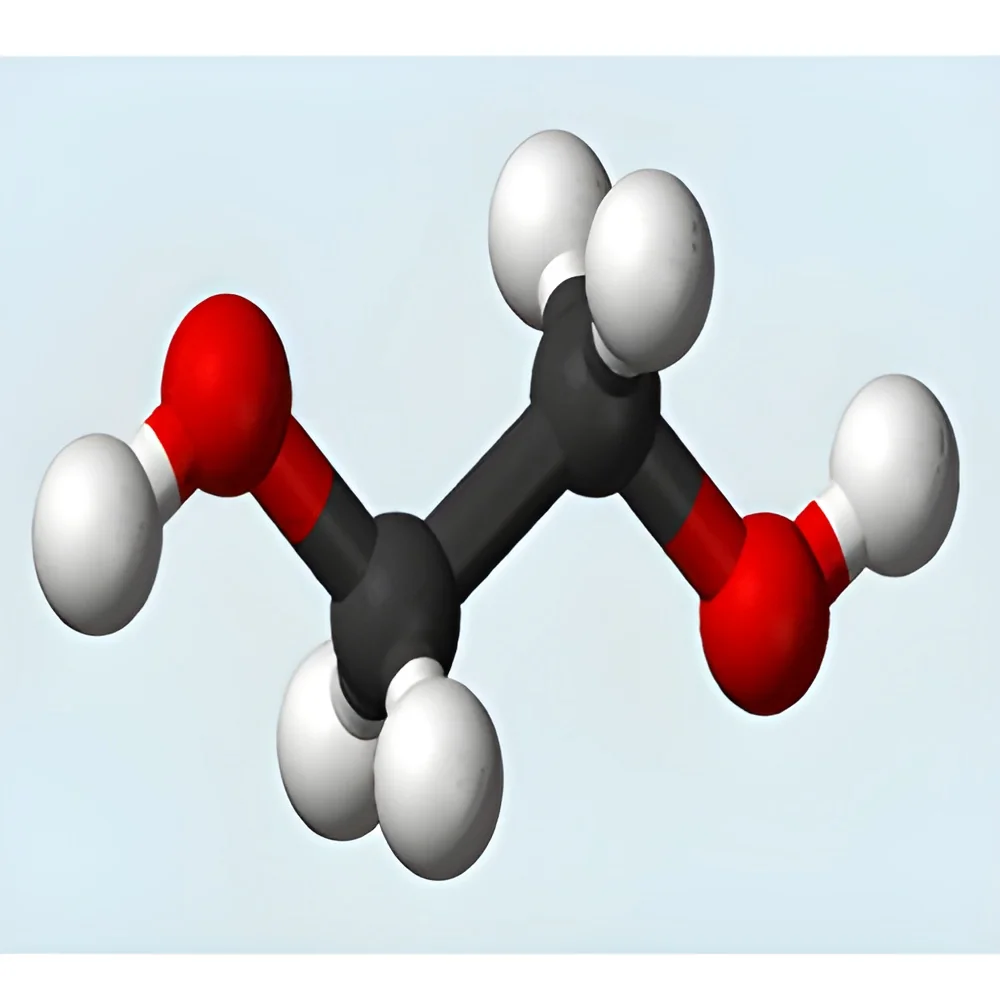
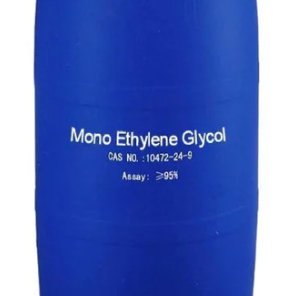
Ethylene Glycol is a colorless, odorless, and sweet-tasting organic compound. It is classified as a diol, which means it contains two hydroxyl (-OH) groups. Ethylene Glycol is primarily produced from ethylene oxide, a derivative of petroleum. Its chemical structure and properties make it a versatile substance used in various industrial applications.
The primary uses of Ethylene Glycol include serving as an antifreeze agent in automotive and industrial cooling systems, a key ingredient in the production of polyethylene terephthalate (PET) for plastic bottles, and as a solvent in various chemical processes. Additionally, it is utilized in the manufacture of resins, textiles, and hydraulic fluids. Its ability to lower the freezing point of water makes it especially relevant in colder climates and industries where temperature control is critical.
The global market for Ethylene Glycol is significant, driven by the demand for antifreeze and the growing plastics industry. Its relevance across various sectors highlights the importance of sourcing high-quality Ethylene Glycol to meet industrial standards and ensure operational efficiency.
Key Features and Specifications
Ethylene Glycol is characterized by several key features that define its utility in industrial applications. Understanding these specifications is crucial for businesses looking to integrate this compound into their processes.
Key specifications include:
1. Purity Level
- Typically available in high-purity grades to meet specific industrial needs
- Purity levels can exceed 99.5%
2. Viscosity
- Low viscosity allows for easy handling and mixing
- Viscosity typically ranges from 20 to 30 cP at 25°C
3. Boiling Point
- High boiling point enhances its effectiveness in high-temperature applications
- Boiling point is around 197°C
4. Freezing Point
- Low freezing point ensures functionality in colder environments
- Freezing point is approximately -12.9°C
5. Density
- High density contributes to its effectiveness in various applications
- Density typically ranges from 1.1 to 1.2 g/cm³
6. Compatibility
- Compatible with a range of materials, making it versatile for different industries
- Non-corrosive to metals and plastics
7. Solubility
- Highly soluble in water, making it easy to use in various mixtures
- Solubility allows for effective dilution and application
8. Environmental Impact
- Biodegradable under certain conditions, which makes it a more environmentally friendly option
- Regulatory compliance helps mitigate environmental risks
In summary, Ethylene Glycol's key features and specifications make it a valuable compound for numerous industrial applications, enabling businesses to enhance their operational efficiency and product quality.
Common Applications and Use Cases
Ethylene Glycol serves a wide range of industries, each leveraging its unique properties for specific applications.
1. Automotive Industry: Ethylene Glycol is widely used as an antifreeze and coolant in vehicle engines, helping to prevent overheating and ensuring optimal performance in various temperature conditions.
2. Chemical Manufacturing: It acts as a key raw material in the production of PET, which is used for making plastic bottles and fibers, thus playing a crucial role in the packaging and textile sectors.
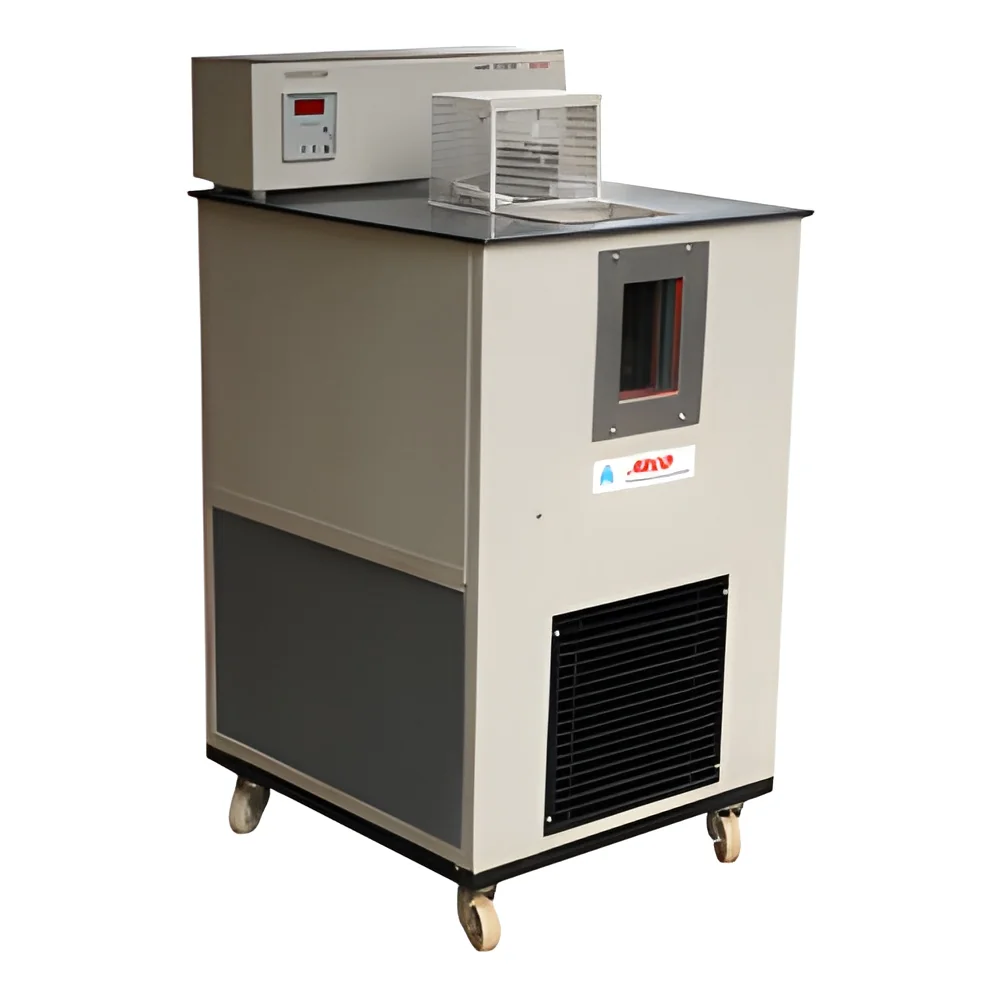
3. HVAC Systems: In heating, ventilation, and air conditioning systems, Ethylene Glycol is utilized in heat transfer fluids, contributing to efficient temperature regulation.
4. Pharmaceuticals: It is employed as a solvent in the pharmaceutical industry, aiding in the formulation of medications and improving their efficacy.
5. Textile Industry: Ethylene Glycol is used in the production of synthetic fibers, enhancing durability and performance in textiles.
6. Food and Beverage: It can be found in food-grade applications, where it serves as a humectant in certain food products, helping to retain moisture.
7. Agriculture: Ethylene Glycol is also used in agricultural applications, particularly in the production of pesticides and herbicides.
Product Variants and Subcategories
Ethylene Glycol comes in various forms and qualities suited for different applications. The diversity in product variants allows industries to select the most appropriate option for their needs.
Industrial Grade Ethylene Glycol
This variant is commonly used in automotive and industrial cooling applications. It is characterized by high purity and performance, ensuring effective heat transfer and freeze protection.
Food Grade Ethylene Glycol
This variant meets strict regulatory standards for use in food and beverage applications. It is designed to be safe for human consumption and is used primarily as a humectant.
Technical Grade Ethylene Glycol
This variant is used in specialized applications, including pharmaceuticals and chemical manufacturing. It offers specific properties required for high-performance formulations.
Benefits and Advantages
Choosing Ethylene Glycol brings several key benefits that enhance operational efficiency and product performance in various industries.
1. Cost-Effectiveness: Ethylene Glycol is generally available at competitive prices, making it an economical choice for large-scale industrial applications.
2. High Performance: Its low freezing point and high boiling point ensure that it remains effective under extreme temperature conditions, contributing to system reliability.
3. Versatility: Ethylene Glycol is compatible with a wide range of materials, allowing it to be used in diverse applications across different industries.
4. Low Toxicity: Compared to other antifreeze agents, Ethylene Glycol has lower toxicity levels, making it a safer option for both users and the environment.
5. Biodegradable Options: Certain formulations are designed to be biodegradable, aligning with environmental sustainability goals.
6. Regulatory Compliance: Ethylene Glycol is subject to various industry standards, ensuring that it meets safety and quality requirements for diverse applications.
Buying Guide for B2B Buyers
When sourcing Ethylene Glycol, businesses should consider several critical factors to ensure they select the right product and supplier.
1. Quality Assessment: Evaluate the purity and specifications of Ethylene Glycol to ensure it meets the required standards for your specific applications.
2. Supplier Verification: Conduct thorough background checks on potential suppliers to confirm their reliability, reputation, and capability to meet your needs.
3. Pricing and MOQ: Analyze pricing structures and minimum order quantities to find a cost-effective solution that aligns with your budget and volume requirements.
4. Delivery and Lead Times: Understand the logistics involved in the supply chain, including delivery schedules and lead times, to avoid disruptions in your operations.
5. Compliance Requirements: Ensure that the Ethylene Glycol you source complies with relevant regulations and industry certifications to mitigate any legal risks.
Compliance and Certifications
Ethylene Glycol is subject to various quality standards and certifications that ensure its safety and efficacy in industrial applications.
Relevant quality standards, such as ISO 9001, ensure consistent quality management and assurance practices among manufacturers. These standards help businesses maintain high levels of product quality and reliability.
Industry certifications, including CE marking, indicate compliance with European safety standards. This certification is particularly important for products exported to European markets, ensuring they meet stringent safety and environmental requirements.
Safety and testing requirements are also critical, as Ethylene Glycol must be assessed for toxicity and environmental impact. Regular testing ensures that the product is safe for its intended use, especially in consumer-facing applications.
Regional compliance considerations vary, as different countries may have specific regulations governing the use of Ethylene Glycol. Businesses should stay informed about local regulations to ensure compliance and avoid potential penalties.
Why Source Ethylene Glycol from Pepagora?
Pepagora is a trusted platform for sourcing Ethylene Glycol, offering several key advantages that benefit B2B buyers.
Verified Supplier Network: Pepagora connects buyers with a network of verified suppliers, ensuring that all listed manufacturers meet industry standards and quality requirements. This helps businesses find reliable partners for their sourcing needs.
Streamlined RFQ Process: The platform provides a straightforward Request for Quotation (RFQ) process that simplifies the procurement experience. Buyers can easily submit their requirements and receive competitive quotes from multiple suppliers, saving time and effort.
Trade Assurance and Support: Pepagora offers trade assurance features that protect buyers throughout the procurement process. This includes support for dispute resolution and ensuring that products meet agreed specifications.
Regional Coverage: With a focus on markets in India, the GCC, and Southeast Asia, Pepagora provides extensive regional coverage. This geographic reach enables businesses to access local suppliers while benefiting from competitive pricing and reduced shipping times.

 IN
IN