
 IN
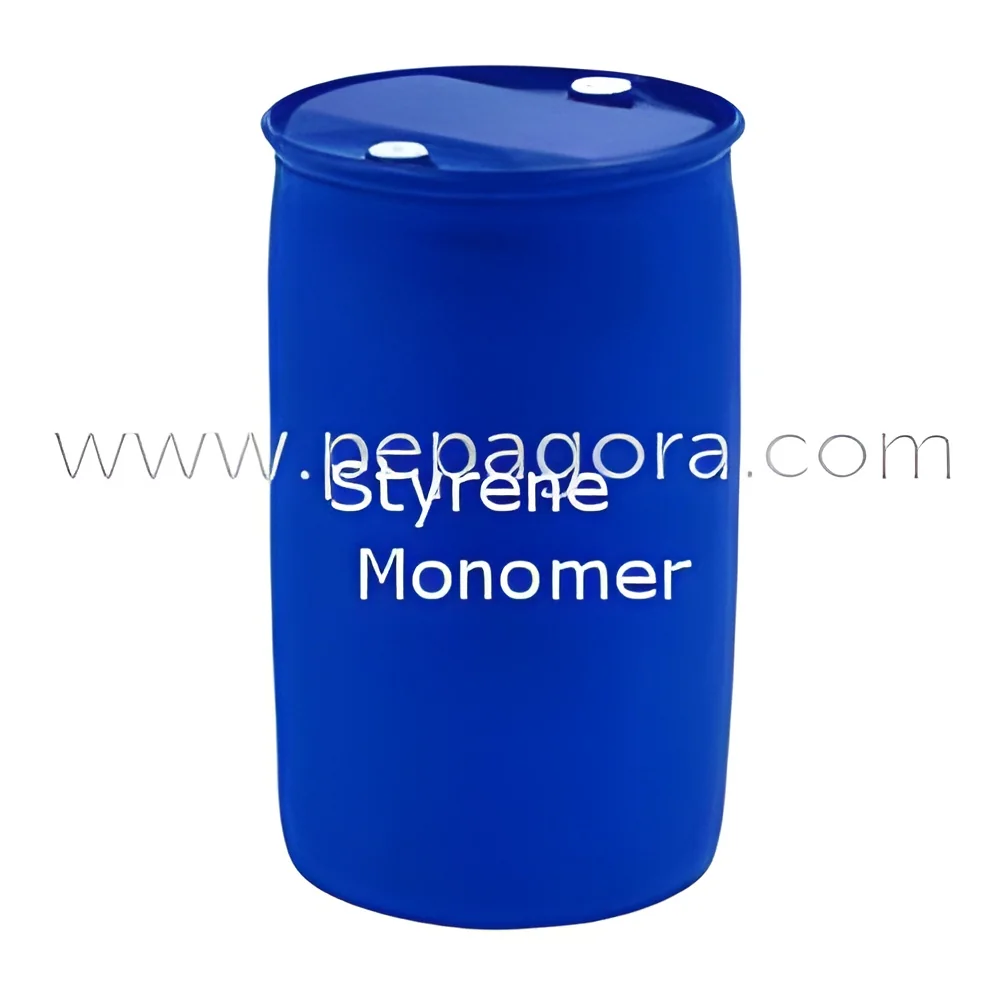
Styrene Monomer
3 products available
What are Styrene Monomer?
Styrene monomer is an organic compound that serves as a key building block for various synthetic materials. It is a colorless, oily liquid that is primarily derived from petroleum. As a versatile chemical, styrene is known for its ability to polymerize, forming polystyrene and other copolymers. This property makes it essential in manufacturing various plastic products.
The primary uses of styrene monomer span a wide range of industries, including construction, automotive, and consumer goods. It is predominantly used in the production of polystyrene, which is utilized in insulation, packaging, and disposable cutlery. Additionally, styrene is employed in the production of synthetic rubber and resins, which are critical for numerous applications. The growing demand for lightweight and durable materials in industrial sectors has increased the relevance of styrene monomer in the global market.
As industries evolve and seek sustainable solutions, the market for styrene monomer continues to expand. Innovations in polymer technology and the increasing need for efficient manufacturing processes solidify its importance in the chemical industry. The market context also reflects the competitive landscape, with various suppliers and manufacturers focusing on enhancing quality and reducing environmental impact.
Key Features and Specifications
Styrene monomer is characterized by several key features that make it suitable for various applications. Understanding these specifications is crucial for B2B buyers looking to source this product effectively.
Key specifications include:
1. Purity Level
- Typically above 99% for industrial applications
- Impurities can affect polymerization quality
2. Boiling Point
- Approximately 145 degrees Celsius
- Important for processing and storage conditions
3. Flash Point
- Around 31 degrees Celsius
- Critical for safety measures during handling
4. Density
- About 0.906 g/cm³ at 20 degrees Celsius
- Affects transportation and storage requirements
5. Viscosity
- Usually between 0.9 to 1.0 mPa.s at 25 degrees Celsius
- Influences processing characteristics
6. Solubility
- Soluble in organic solvents, slightly soluble in water
- Impacts application in various formulations
7. Shelf Life
- Generally stable for several months when stored properly
- Requires monitoring to ensure product integrity
In summary, the key features and specifications of styrene monomer highlight its importance in manufacturing processes and the need for quality assurance in sourcing.
Common Applications and Use Cases
Styrene monomer serves various industries due to its versatility and performance characteristics.
1. Construction: Styrene is used in the production of insulation materials and composite building materials, providing thermal efficiency and durability.
2. Automotive: The compound is essential in manufacturing lightweight components and parts, contributing to fuel efficiency and performance.
3. Consumer Goods: Styrene monomer is utilized in creating everyday products such as packaging materials and disposable items, ensuring convenience and functionality.
4. Electronics: It is used in the production of housings and components for electronic devices, offering protection and aesthetic appeal.
5. Medical Devices: Styrene-based materials are essential in medical applications, including disposable syringes and laboratory equipment, ensuring safety and sterility.
6. Adhesives: The compound is a key ingredient in various adhesive formulations, providing strong bonding capabilities across different surfaces.
7. Paints and Coatings: Styrene is used in creating durable and weather-resistant coatings, enhancing the longevity and appearance of surfaces.
Product Variants and Subcategories
Styrene monomer offers a range of product variants that cater to different industrial needs.
Standard Styrene Monomer
This is the most commonly used variant, ideal for a variety of applications. It offers high purity levels and excellent polymerization properties.
High-Impact Styrene
This variant is designed for applications requiring enhanced toughness and impact resistance. It is commonly used in automotive and consumer goods.
Styrene Copolymers
These products combine styrene with other monomers to create specialized materials with tailored properties. They are used in diverse applications from adhesives to coatings.
Benefits and Advantages
Sourcing styrene monomer presents several benefits for businesses looking to enhance their product offerings.
1. Versatility: Styrene monomer can be used in various applications, making it a valuable addition to many production lines.
2. Cost-Effectiveness: The ability to produce lightweight and durable materials helps companies reduce costs associated with shipping and raw materials.
3. Enhanced Performance: Products made from styrene exhibit excellent durability and resistance to environmental factors, enhancing their market competitiveness.
4. Customization: Styrene can be easily modified to create specialized products, allowing businesses to meet specific customer needs.
5. Sustainability: Ongoing advancements in production processes aim to minimize environmental impact, aligning with global sustainability goals.
6. Supply Chain Reliability: Many suppliers offer robust logistics and support systems, ensuring timely delivery and consistent quality.
Buying Guide for B2B Buyers
When sourcing styrene monomer, it is essential to consider several key factors to ensure a successful procurement process.
1. Quality Assessment: Evaluate the purity and consistency of the styrene monomer. High-quality standards are critical for ensuring optimal performance in applications.
2. Supplier Verification: Research potential suppliers to confirm their credibility and reliability. Look for certifications and customer feedback to make informed decisions.
3. Pricing and MOQ: Understand the pricing structure and minimum order quantities (MOQ) from suppliers. This helps in budget planning and inventory management.
4. Delivery and Lead Times: Discuss logistics and lead times with suppliers to ensure timely delivery, which is crucial for maintaining production schedules.
5. Compliance Requirements: Ensure that the styrene monomer meets relevant regulatory and safety standards, particularly if used in sensitive applications such as food packaging or medical devices.
Compliance and Certifications
Compliance with industry standards is critical for styrene monomer to ensure quality and safety. Relevant quality standards such as ISO 9001 focus on consistent quality management practices, ensuring that suppliers maintain high production standards.
Industry certifications, such as CE, indicate compliance with European safety and health regulations, making it essential for companies exporting products to Europe. Additionally, safety and testing requirements are critical in handling and transporting styrene monomer, as improper management can lead to hazards.
Regional compliance considerations vary, so it is important to be aware of local regulations concerning chemical handling and environmental impact. Companies should work closely with suppliers to ensure all products meet the necessary compliance standards to avoid legal issues.
Why Source Styrene Monomer from Pepagora?
Pepagora provides a trusted platform for sourcing styrene monomer, offering numerous advantages to B2B buyers.
Verified Supplier Network: Pepagora ensures that all suppliers in its network are thoroughly vetted for quality and reliability. This gives buyers confidence in the products they purchase.
Streamlined RFQ Process: The request for quotation (RFQ) system simplifies the procurement process, allowing buyers to receive competitive quotes from multiple suppliers quickly.
Trade Assurance and Support: Pepagora offers trade assurance, protecting buyers' investments and ensuring that transactions are secure. This support is crucial for maintaining long-term business relationships.
Regional Coverage: With a strong presence in regions like India, the GCC, and Southeast Asia, Pepagora facilitates access to a wide range of suppliers. This geographic reach enhances sourcing options and helps meet diverse business needs.


Frequently Asked Questions
What are Styrene Monomer?
Styrene Monomer is a colorless, oily liquid that is an important organic compound used primarily in the production of polystyrene plastics and resins. It is derived from petroleum and is characterized by its aromatic properties, making it useful in various industrial applications.
What are the different types of Styrene Monomer?
There are several types of Styrene Monomer, including regular styrene, high-impact styrene, and rubber-modified styrene. Each type varies in its physical and chemical properties, catering to different applications such as packaging, automotive parts, and construction materials.
How do I choose the right Styrene Monomer?
When selecting Styrene Monomer, consider the specific application requirements, such as viscosity, molecular weight, and compatibility with other materials. It's also important to evaluate the supplier's quality standards and ensure the product meets the necessary regulatory requirements.
What are the standard specifications for Styrene Monomer?
Standard specifications for Styrene Monomer typically include parameters such as purity, density, boiling point, and refractive index. These specifications can vary based on the intended use, so it's essential to refer to the technical data sheet provided by the manufacturer.
What is the price range for Styrene Monomer?
The price of Styrene Monomer can vary significantly based on factors such as purity, quantity, and market demand. Generally, prices range from INR 80 to INR 150 per kilogram, but it is advisable to check with suppliers for the most current pricing.
What quality standards apply to Styrene Monomer?
Quality standards for Styrene Monomer include compliance with international regulations such as ASTM and ISO standards. Manufacturers often provide certifications that confirm the product's quality, such as certificates of analysis (COA) and safety data sheets (SDS).
Where can I find Styrene Monomer suppliers in India?
You can find Styrene Monomer suppliers in India through B2B marketplaces like Pepagora, industry directories, and trade shows. It's advisable to compare multiple suppliers to ensure competitive pricing and quality offerings.
Can Styrene Monomer be customized?
Styrene Monomer can be customized to some extent based on specific application requirements, such as altering its formulation or enhancing certain properties. However, such customization typically requires close collaboration with manufacturers to achieve the desired specifications.
What is the typical minimum order quantity for Styrene Monomer?
The typical minimum order quantity (MOQ) for Styrene Monomer can vary depending on the supplier, but it often ranges from 1 ton to 5 tons. It's important to confirm the MOQ with the specific supplier before placing an order.
What is the typical lead time for Styrene Monomer?
The typical lead time for Styrene Monomer can range from a few days to several weeks, depending on the supplier's inventory and production capabilities. It is advisable to discuss lead times during the ordering process to ensure timely delivery.
Why Businesses Trust Pepagora
Thousands of companies trust Pepagora to source smarter and sell faster
Expand Your Sales Globally

Source Smarter,Grow Faster
